
Medical Excellence
Chemical Peel Treatment in Delhi
Is pigmentation, acne, dullness, or rough skin texture continuing despite a regular skincare routine? If you are seeking controlled exfoliation that targets damaged surface layers, a chemical peel can be a suitable option.
“The result of a peel depends less on choosing the strongest solution and more on selecting the correct depth for the person’s skin type. This is especially important for Indian skin, where excessive irritation may lead to post-inflammatory pigmentation.”
— Dr. Monisha Kapoor, Celebrated Cosmetic & Plastic Surgeon in Delhi
With over two decades of experience in skin resurfacing and facial rejuvenation, Dr. Monisha Kapoor combines knowledge of skin healing with a broad range of superficial, corrective, and advanced peel protocols. Rather than treating every dark spot or acne mark alike, she evaluates its cause, depth and the patient’s skin type before recommending a suitable option. She provides personalised chemical peel treatment in Delhi, with careful skin preparation, controlled application and structured aftercare.
What makes a chemical peel different from regular exfoliation? Let’s explore the treatment.
What Is Chemical Peel Treatment?
A chemical peel is a skin-resurfacing procedure in which a carefully selected solution is applied to the skin. It loosens damaged surface cells and causes controlled exfoliation. As the treated layers shed, the skin underneath may appear smoother, brighter and more even.
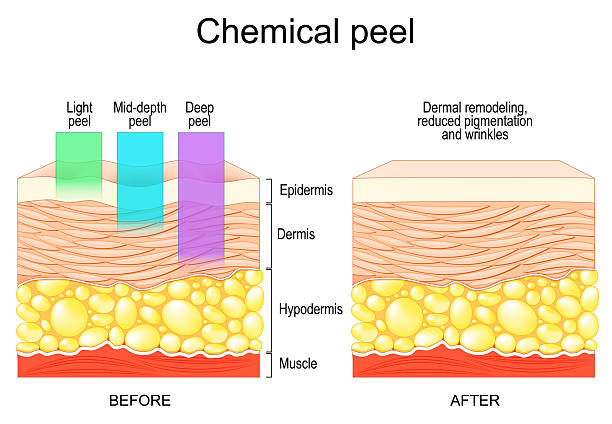
Peels are commonly classified by depth:
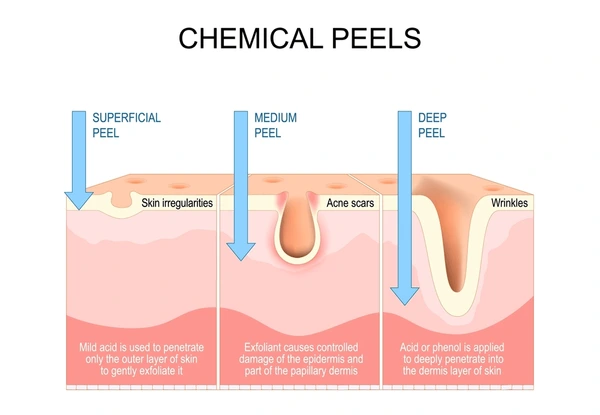
- Superficial peels treat the outermost skin layers and usually involve limited recovery.
- Medium-depth peels penetrate further and require more healing time.
- Deep peels produce intensive resurfacing and involve greater risks and recovery.
Chemical peels may be performed on the face, neck, upper chest or hands. The solution, strength and application time must be selected according to skin type and concern.
How does a peel renew the skin’s surface? Let’s discover how it works.
How Does Chemical Peel Treatment Work?
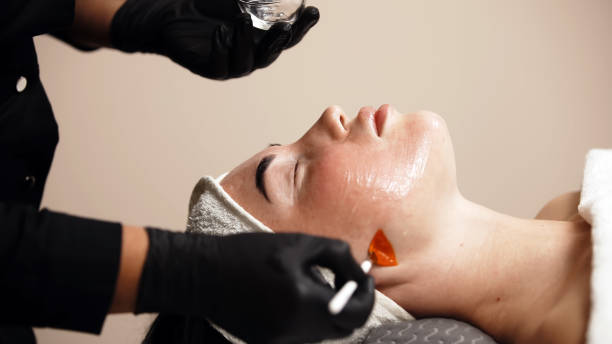
A chemical peel creates a controlled exfoliating effect at a predetermined depth. The solution weakens the bonds between damaged skin cells, allowing them to shed over the following days.
This process may:
- Remove accumulated dead cells
- Clear superficial pore congestion
- Improve uneven texture
- Reduce surface pigmentation
- Encourage skin renewal
- Soften early fine lines
Peel depth depends on the ingredient, concentration, number of layers and duration of contact. Leaving a peel on longer or applying a stronger solution does not automatically produce a better outcome. It can increase the risk of burns, scarring or pigment changes.
Find out which peel depth may address your concern safely.
Connect with a skincare expert for an individual treatment plan.
Which skin concerns may respond to chemical peeling? Let’s explore the common indications.
Skin Concerns Treated With Chemical Peel Treatment
Chemical peels may help improve:
- Active acne and clogged pores
- Excess surface oil
- Post-acne marks
- Superficial acne scars
- Dull or rough skin
- Uneven-looking texture
- Sunspots and age spots
- Post-inflammatory pigmentation
- Melasma as part of a broader plan
- Early fine lines
- Mild sun damage
- Uneven-looking skin tone
A peel cannot correct deep acne scars, significant skin laxity or facial volume loss. These concerns may require acne scar treatment, laser resurfacing or another targeted procedure.
Are all chemical peels designed for the same concern? Let’s discuss the options available.
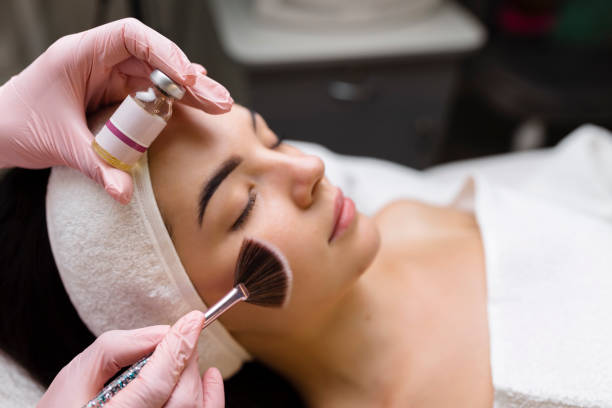
Types of Chemical Peels Available at Dr. Monisha Kapoor’s Clinic
-
Blue Peel by Dr. Zein Obagi:
This professionally applied peel is used for skin rejuvenation and may help improve sun damage, pigmentation, roughness and signs of ageing. -
Three-Step Peel by Dr. Zein Obagi:
The three-step peel combines exfoliating ingredients with additional treatment and calming steps. It may be considered for acne, melasma, enlarged-looking pores, fine lines and dullness. -
Spot Peel:
This treatment focuses on localised pigmentation, including dark spots, melasma and post-acne marks. Suitability depends on skin tone and the cause of pigmentation. -
Yellow or Jessner’s Peel:
Jessner’s solution may help reduce superficial acne, blackheads, pigmentation and mild signs of ageing. Its depth can vary according to application. -
Ferulac Peel:
A ferulic acid-based peel may be selected for dullness, uneven tone and environmental skin damage. It offers exfoliating and antioxidant-focused care. -
Phenol Peel:
Phenol is a deep peel with significant recovery and higher risks. It requires strict patient selection and is not appropriate for routine rejuvenation. -
Nano Peel:
The clinic also lists Nano Peel as a resurfacing option. As it uses laser energy rather than an acidic solution, it is technically a laser peel and requires a separate suitability assessment.
The available choice extends beyond conventional peels. Patients may also compare peels with HydraFacial or Silk Peel when gentler exfoliation is preferred.
Is your skin ready for a chemical peel? Let’s discover who may benefit.
Who Is an Ideal Candidate for Chemical Peel Treatment?
Chemical peeling may suit adults who have acne, pigmentation, rough texture, sun damage or early fine lines and can follow aftercare instructions carefully.
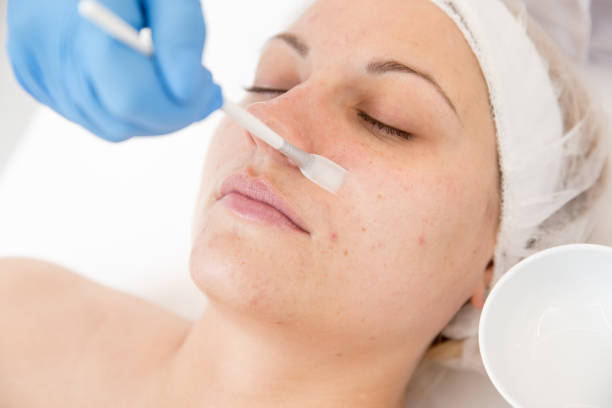
Treatment may need to be postponed for people with:
- Active infections or cold sores
- Open wounds or sunburn
- Inflamed eczema, dermatitis or rosacea
- Recent isotretinoin use
- Poor wound healing
- A tendency towards raised scars
- Recent waxing, laser or aggressive exfoliation
- Pregnancy or breastfeeding, depending on the peel
- Unrealistic expectations
Current skincare, medicines, allergies and previous reactions should be discussed before treatment.
What happens during a professional peel? Let’s discuss the procedure.
What to Expect During a Chemical Peel Treatment?
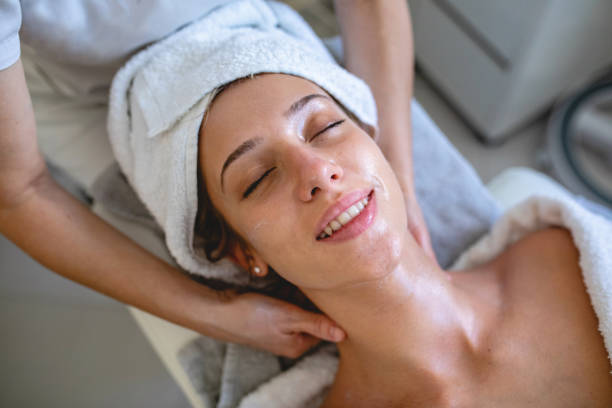
The skin is first examined and cleansed. Sensitive areas may be protected before the selected solution is applied in controlled layers.
A tingling, warming or stinging sensation may occur. The solution is then neutralised or removed when required. A soothing product and sunscreen may be applied afterwards.
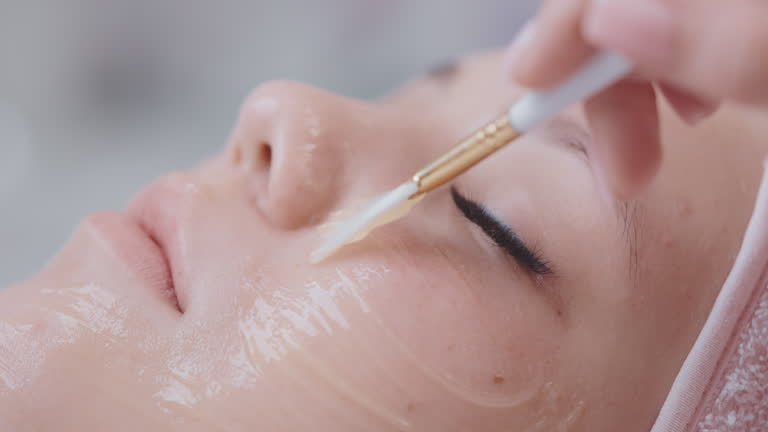
A session commonly takes 20 to 45 minutes. Superficial peels usually require no anaesthesia, while deeper peels may need pain control, monitoring and a more detailed recovery plan.
Why are chemical peels used for skin rejuvenation? Let’s explore their advantages.
Benefits of Chemical Peel Treatment for Skin Rejuvenation
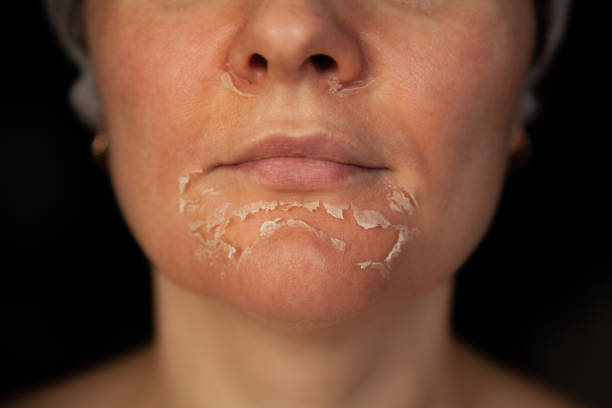
- Removes accumulated dead skin cells
- Improves dull and rough texture
- Brightens an uneven-looking complexion
- Helps clear superficial congestion
- Reduces post-acne marks
- Softens early fine lines
- Improves mild sun-related pigmentation
- Can be customised by ingredient and depth
- May complement a structured skincare routine
- Offers different recovery options based on treatment intensity
How long does peeling last, and how should the skin be protected? Let’s explore recovery and results.
Chemical Peel Recovery, Aftercare and Results
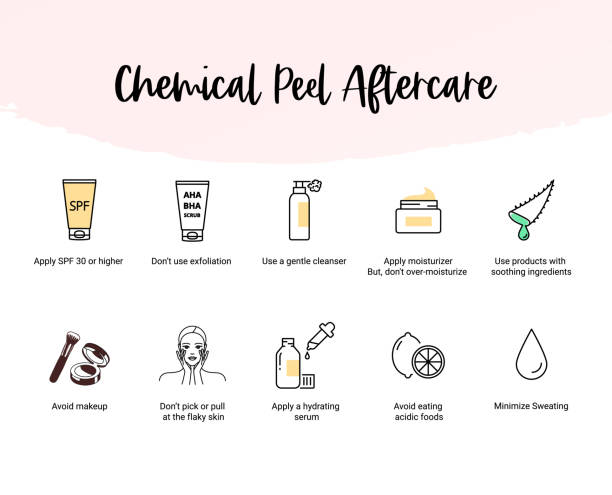
Recovery depends on peel depth. A superficial peel may cause redness, dryness or flaking for several days. Medium peels can involve swelling, crusting and seven to fourteen days of healing. Deep peels require longer and more closely supervised recovery.
After treatment:
- Use a gentle cleanser and recommended moisturiser.
- Apply broad-spectrum sunscreen every day.
- Do not pick, scratch or pull peeling skin.
- Avoid retinoids, acids and scrubs until cleared.
- Limit heat, sweating and direct sun exposure.
- Resume makeup only when advised.
- Report blistering, severe pain, discharge or prolonged redness.

What makes Dr. Monisha Kapoor a trusted choice for chemical peel treatment? Let’s explore the expertise and personalised care behind her approach.
Clinic Excellence
Why Choose Dr. Monisha Kapoor for Chemical Peel Treatment in Delhi?
25 Years of Experience: Dr. Monisha Kapoor, a competent plastic & cosmetic surgeon in Delhi, combines extensive aesthetic experience with specialist knowledge of skin structure, healing, and pigmentation.
10,000+ Procedures Performed: She has performed more than 10,000 procedures across facial surgery, body contouring, breast surgery, hair transplantation and advanced skin treatments.
Multiple Peel Options: Patients can access superficial, corrective and advanced peels based on their concerns and available recovery time.
Safety-First Decisions: Treatment may be modified or postponed when the skin barrier is irritated, infected, or too sensitive.
Transparent Expectations: Patients are informed about peeling, recovery, session requirements, expected outcomes, and treatment limitations beforehand.
Complete Aftercare: Guidance covers skin preparation, moisturising, sun protection and the safe reintroduction of active skincare products.
Choose professional assessment over a standard peel package.
Connect with an experienced specialist for a personalised plan.
FAQs
1. How much does a chemical peel cost in Delhi?
The cost depends on the peel, treatment area, depth and number of sessions. An assessment is needed for an accurate estimate.
2. Is a chemical peel painful?
Superficial peels may cause temporary tingling or stinging. Medium and deep peels can require additional pain management.
3. How many sessions are needed?
Mild concerns may require three to five superficial peels. The number varies with the skin concern and response.
4. When will I see results?
The skin may appear smoother after healing. Pigmentation and acne concerns often improve gradually across multiple sessions.
5. Does every chemical peel cause visible peeling?
No. Some superficial peels cause only mild dryness or flaking, while deeper peels produce more visible peeling.
Disclaimer: The information shared in this content is for educational purposes and not for promotional use.