 Book An Appointment


Acne Scar Treatment
In Delhi
Acne scars don’t fade on their own — and most people know this after years of trying. Whether it’s the deep ice pick marks left after cystic breakouts or the shallow rolling scars that catch light in the wrong way, acne scarring changes how skin looks and, honestly, how people feel about themselves. Dr. Monisha Kapoor, one of Delhi’s most experienced plastic surgeons in Delhi plastic surgeons in Delhi with 25+ years of surgical practice, offers medically advanced acne scar treatment in Delhi — tailored to your scar type, skin tone, and long-term goals.
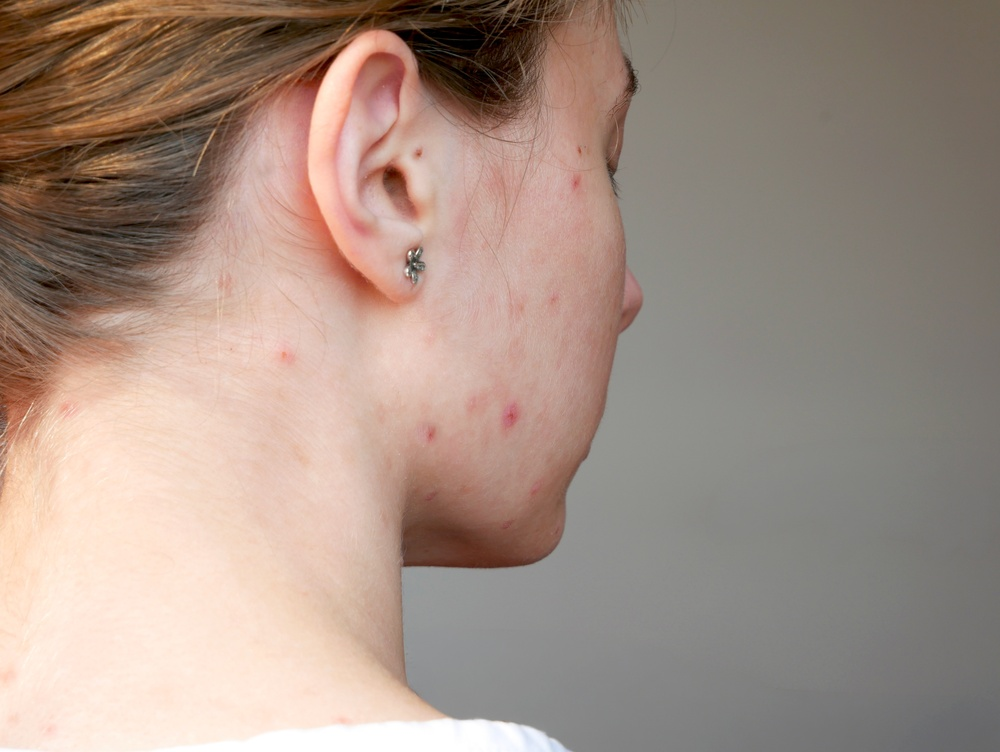
What Causes Acne Scars and Why Do They Stay?
When acne penetrates deep into the skin, it damages the underlying tissue. As the body tries to repair itself, it either produces too much collagen — leaving a raised, firm scar — or too little, resulting in the sunken, pitted marks most people struggle with. The severity of inflammation, how early the acne was treated, and even genetics all influence how the skin heals.
The reason scars stay is structural. The collagen framework beneath the skin is permanently disrupted — and no topical cream or home remedy can reverse that. That’s why professional acne scar treatment in Delhi — using lasers, chemical reconstruction, or needling — works where over-the-counter products simply don’t. The damage needs to be addressed at the right depth, with the right tools.
Struggling with stubborn acne scars?
Book a Consultation with Dr. Monisha Kapoor today — Contact Us Here
Types of Acne Scars We Treat in Delhi
Not all acne scars are the same, and treating them without understanding the type leads to disappointing results. At her clinic in Saket, Dr. Monisha Kapoor assesses each patient’s scarring pattern before recommending any procedure.
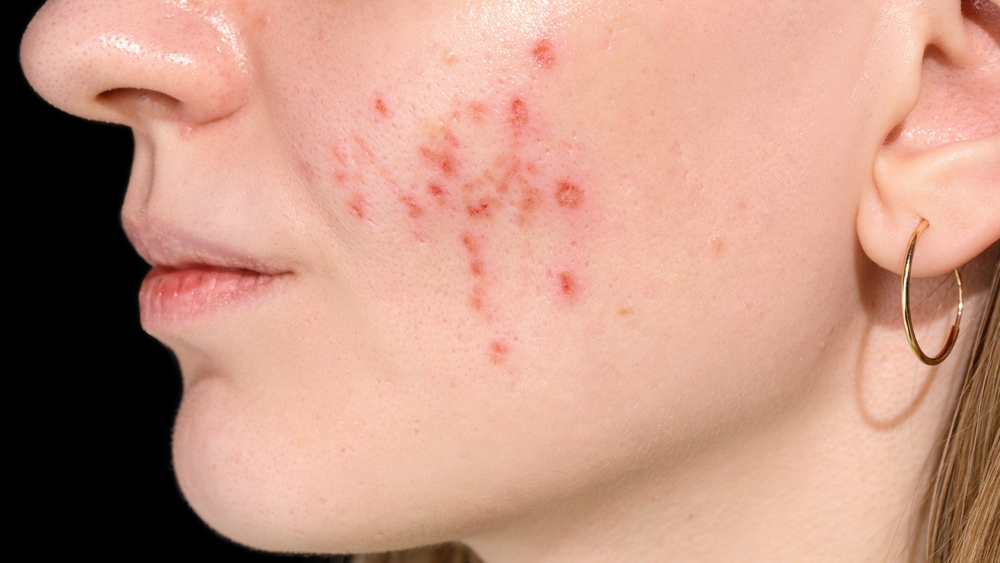
Ice Pick Scars
Deep, narrow punctures that extend into the dermis. Common after cystic or nodular acne. Among the most difficult scar types to treat.
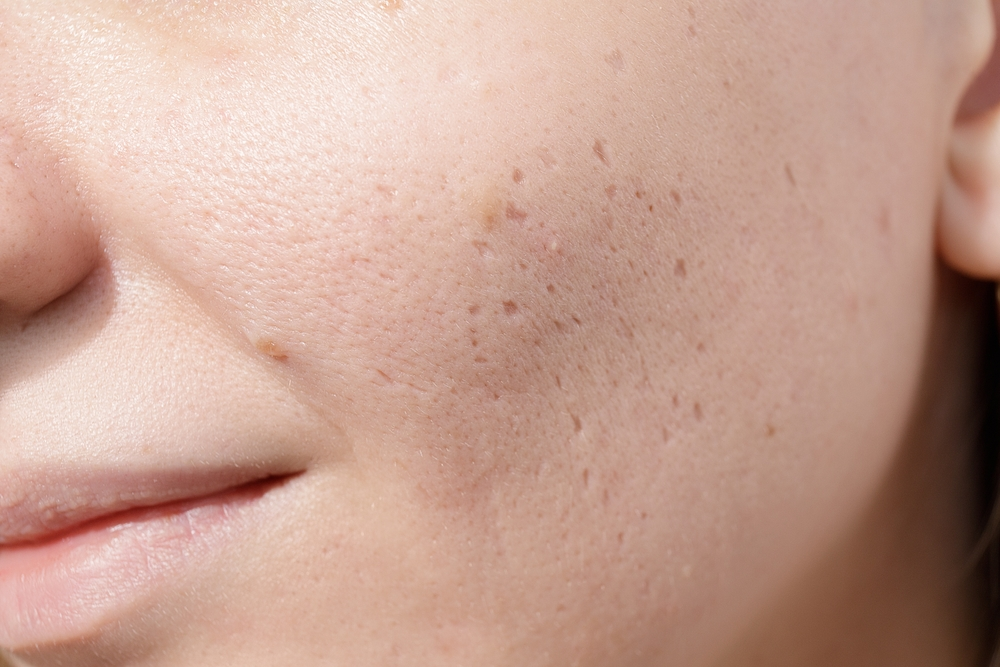
Boxcar Scars
Broad, angular depressions with defined edges. Frequently seen on the cheeks and temples.
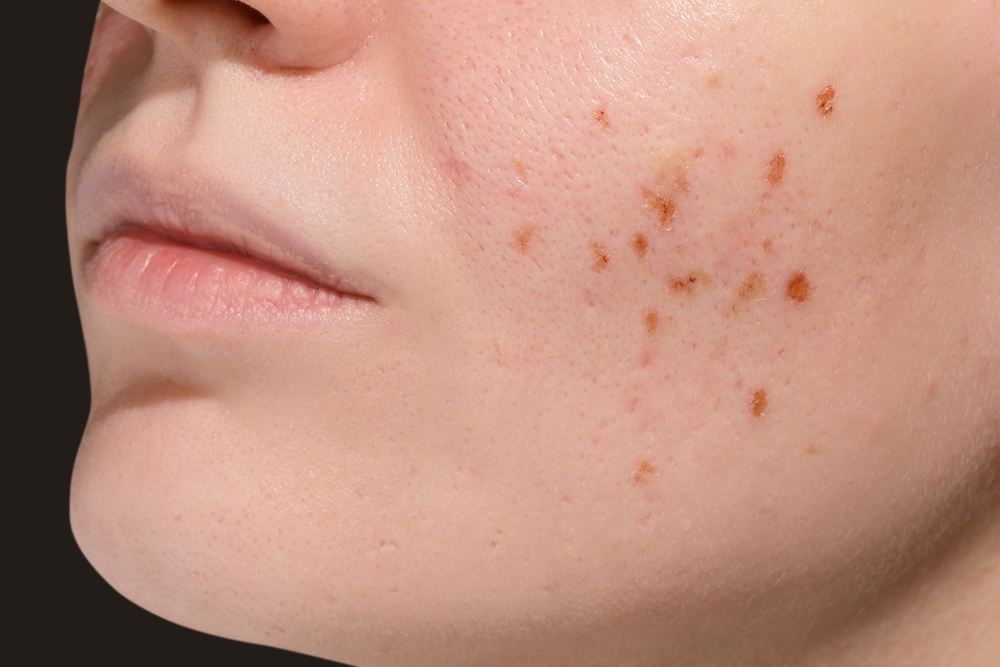
Rolling Scars
Shallow but wide depressions that create a wave-like, uneven skin texture.
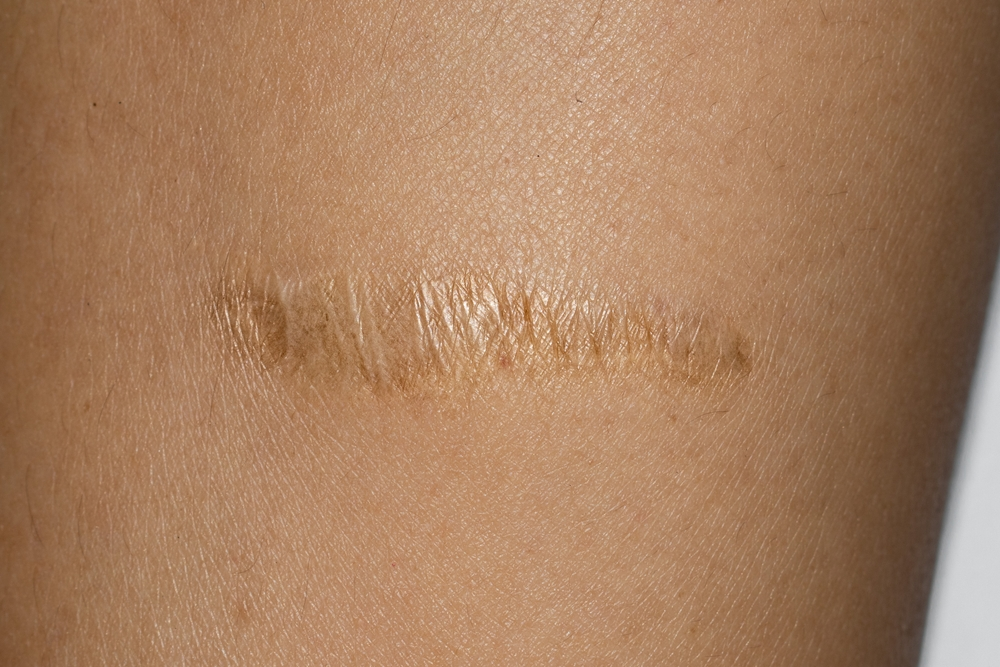
Hypertrophic Scars
Raised, firm scars caused by excess collagen production during healing. More common on the chest and back.
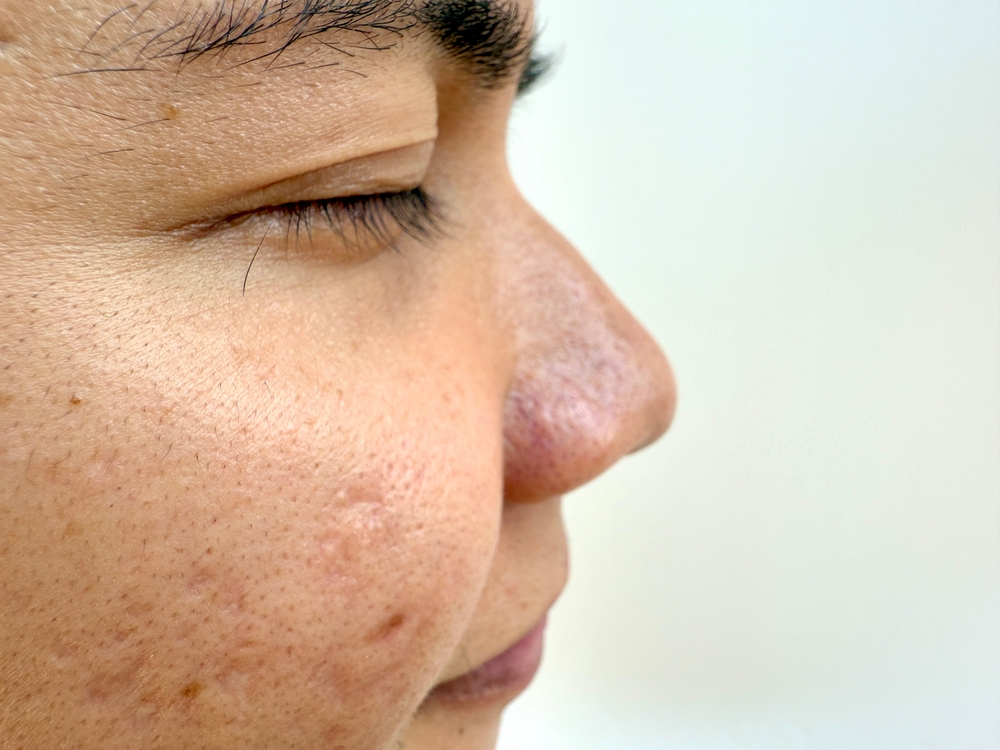
Post-Inflammatory Hyperpigmentation (PIH)
Flat dark or red marks left after acne heals. Technically not true scars, but commonly mistaken for them and equally distressing.
Signs You May Need
Professional Help
Earlier treatment generally gives better outcomes — and the clinical options available today are more effective than most patients expect.
Pitted or sunken skin that hasn’t improved in 6 months or more
Dark spots, red marks, or post-acne pigmentation that lingers
Skin texture that looks visibly uneven in photographs
Scarring that affects your confidence socially or professionally
Advanced Treatment Solutions
Fractional CO2 Laser
Stimulating new collagen formation and resurfacing the outer layer simultaneously. Effective for rolling and boxcar scars.
Microneedling / Dermapen
Triggering collagen remodelling from within. Minimal downtime, suitable for most skin tones.
Subcision
Minor surgical technique to break fibrous bands pulling the skin down. Essential for deep rolling scars.
TCA Cross Technique
Focal, high-concentration acid applied to ice pick scars. Gradually raises skin surface over multiple sessions.

EXPERIENCE
Expert Surgical Precision
Dr. Monisha Kapoor — Gold Medalist in MCh Plastic Surgery and India’s first female member of the ASAPS — has treated thousands of patients for acne scarring at her clinic in Saket, New Delhi.
Frequently Asked Questions
How many sessions does acne scar treatment take?
It depends on the scar type and depth. Most patients need between 3 to 6 sessions, spaced 4–6 weeks apart. Dr. Monisha Kapoor reviews progress at each visit and adjusts the treatment plan as the skin responds.
What is the cost of acne scar treatment in Delhi?
Treatment cost varies based on the procedure type and number of sessions required. A consultation at Dr. Monisha Kapoor’s clinic provides a personalised cost estimate based on your specific scarring.
Is acne scar treatment painful?
Most procedures involve minimal discomfort. Topical anaesthetic creams are applied before laser or microneedling sessions. The majority of patients find treatments very manageable and are back to normal activities within a day or two.
Can old acne scars — even years-old ones — be treated?
Yes. Even scars that are several years old respond well to the right combination of treatments. Older scars may need slightly more sessions, but significant and visible improvement is achievable in most cases.
What’s the difference between acne marks and actual acne scars?
Acne marks — also called post-inflammatory hyperpigmentation (PIH) — are flat dark or reddish spots that fade gradually over time. True acne scars involve textural change (pitting or raised tissue) and need clinical treatment to improve.
What is the downtime after acne scar treatment?
Downtime depends on the procedure. Chemical peels may cause mild peeling for 3–5 days. Laser sessions can involve redness and mild swelling for up to a week. Dr. Monisha discusses recovery expectations fully during your consultation so there are no surprises.
Is acne scar treatment safe for dark or Indian skin tones?
Yes — with the right expertise. Some laser and peel treatments carry pigmentation risks on darker skin if not calibrated properly. Dr. Monisha Kapoor’s 25+ years of experience treating South Asian skin means all protocols are adapted appropriately.
