 Book An Appointment


Medical Excellence
Hair Transplant in Delhi
Restore Your Confidence with Expert Care
Hair loss changes more than just how you look. For a lot of people, it changes how they walk into a room, how they feel in photographs, how they start the morning. The good news is that hair transplant surgery in Delhi has come a long way. Results, when done by the right surgeon, are permanent and completely natural.
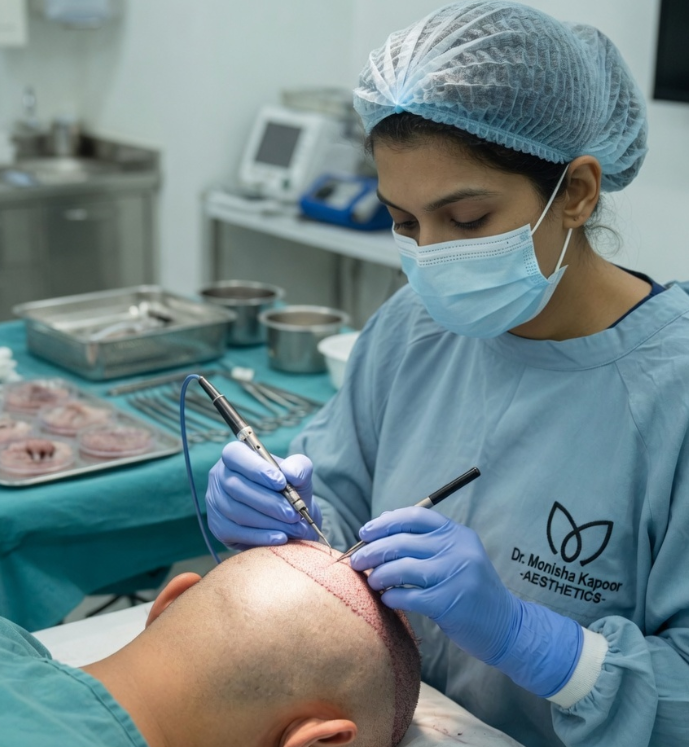
Dr. Monisha Kapoor, a plastic surgeon in Delhi with 25 years of experience, performs hair transplant procedures at her clinic in Saket, New Delhi, for both men and women.
Surgical Expertise
Why Choose Dr. Monisha Kapoor for Hair Transplant
Twenty-five years in plastic surgery gives Dr. Monisha Kapoor something most hair transplant clinics in Delhi don’t have: surgical judgment. Hair restoration isn’t just a technical procedure. How hairlines are designed, where grafts are placed, how density is distributed across the scalp, all of this needs an aesthetic eye built from years of facial and reconstructive work.
She’s a Gold Medalist in MCh Plastic Surgery and India’s first female member of the American Society of Aesthetic Plastic Surgeons (ASAPS). Her clinic in Saket handles hair restoration for both men and women across all stages of hair loss.
What patients notice most: she doesn’t design a generic hairline. She studies your face shape, your age, and where your hair loss is likely to progress before drawing a single mark. That kind of foresight is what separates a result that looks natural at year one from one that still looks natural at year ten.
Ready to explore your hair restoration options?
Book a consultation with Dr. Monisha Kapoor.
Understanding Hair Loss and Its Causes
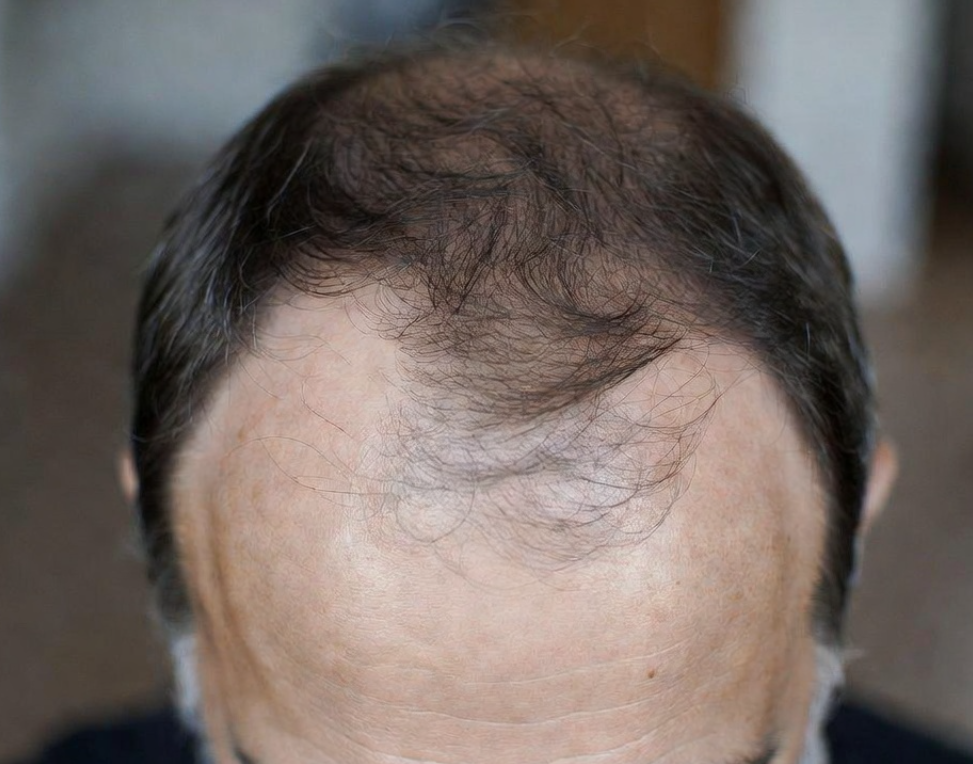
Not all hair loss is the same. Understanding what’s causing yours is the first step, and it matters more than most people realise before considering any treatment.
Androgenetic alopecia (pattern hair loss) is the most common cause in both men and women. In men it shows as a receding hairline and thinning crown. In women it tends to show as diffuse thinning across the top of the scalp rather than a defined bald patch.
Other common causes include hormonal changes (thyroid conditions, post-pregnancy hair shedding), nutritional deficiencies like iron and vitamin D, prolonged stress, scalp conditions such as seborrheic dermatitis, and certain medications.
Why does this matter before a hair transplant? If the underlying cause isn’t identified and addressed, transplanted hair can hold well while native hair continues thinning around it. At Dr. Monisha Kapoor’s clinic, every patient goes through a proper scalp and hair loss assessment before any procedure is recommended.
Hair Transplant Techniques Offered
Two main techniques are available at the clinic. The right one depends on your hair loss pattern, donor hair quality, and how much coverage is needed.
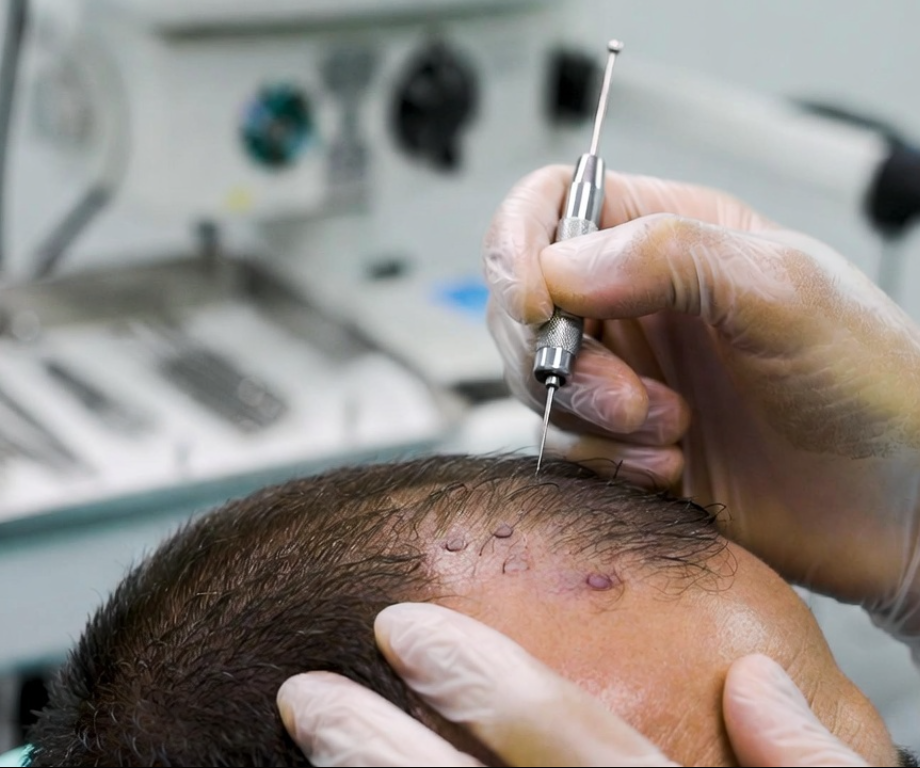
FUE (Follicular Unit Extraction)
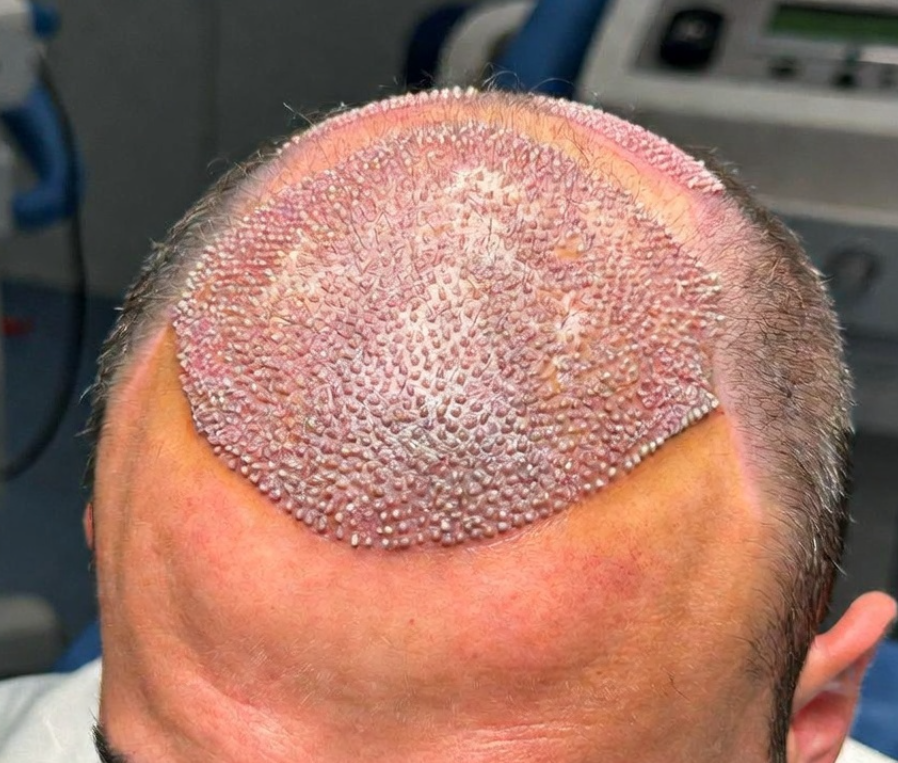
Individual hair follicles are extracted one by one from the donor area, usually the back of the scalp, and implanted into the thinning or bald areas. No linear scar. Faster recovery. A good option for patients who prefer to keep their hair short or want to return to work quickly.
FUT (Follicular Unit Transplantation)
A strip of scalp is removed from the donor area. Follicles are dissected from it and implanted into the recipient zone. Allows more grafts in a single session, which makes it better suited for patients with larger areas to cover. It leaves a fine linear scar at the back of the scalp that’s hidden within the hair once it grows.
PRP (Platelet-Rich Plasma) Therapy
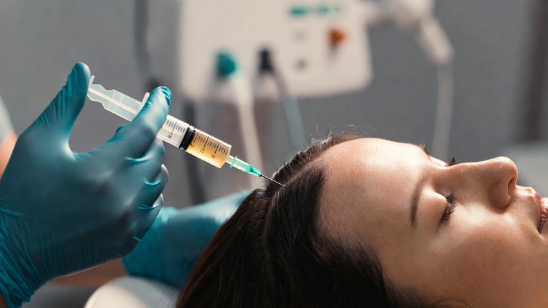
Not a transplant on its own, but often used alongside one. PRP uses growth factors from your own blood to stimulate existing hair follicles and improve transplant outcomes. Dr. Monisha Kapoor recommends it as a supportive treatment for patients with early-stage thinning or those who want to preserve remaining hair while waiting for surgery.
Step-by-Step Hair Transplant Procedure
Here is what actually happens on the day of your procedure, from start to finish.
Hairline design and mapping
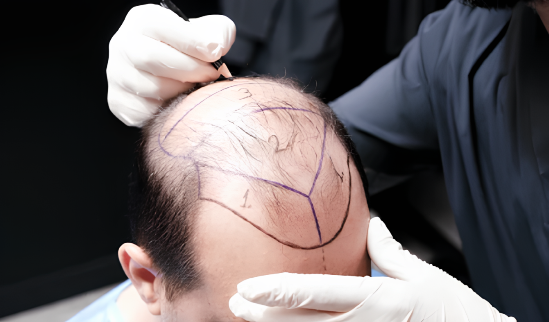
Dr. Monisha Kapoor marks the hairline and recipient areas based on your face shape and long-term loss pattern. This step happens before anything else.
Local anaesthesia
Applied to both the donor and recipient areas. You’re awake throughout but feel no pain or discomfort during the procedure.
Extraction
Follicles are harvested from the donor area using either the FUE or FUT method depending on your plan.
Implantation
Each graft is placed at the correct angle and depth to match your natural hair growth direction. This is where surgical precision makes the biggest visible difference to how natural the final result looks.
Completion
The procedure takes 6 to 8 hours depending on the number of grafts needed. A light dressing is applied before you leave the clinic.
Who Is an Ideal Candidate?
Hair transplant works well for the right patient. It doesn’t work for everyone, and Dr. Monisha Kapoor is straightforward about this during consultations.
Good candidates typically:
- Have stable hair loss, not actively losing hair at a rapid rate
- Have adequate donor hair density at the back and sides of the scalp
- Are in good general health with no uncontrolled medical conditions
- Have realistic expectations about the coverage achievable with their donor supply
Works well for:
- Men with pattern baldness at any Norwood stage
- Women with androgenetic alopecia or traction alopecia
- Patients with hair loss from scarring or injury
- Anyone who has had a previous transplant and wants improved density
May not be suitable for:
- Patients with active autoimmune conditions causing ongoing hair loss
- Those with very poor donor hair density relative to the area needing coverage
- Anyone expecting surgery to fully restore a completely bald scalp with no donor supply
The best way to find out is an in-person consultation. Not a phone call, not a price check online. An actual assessment of your scalp, your donor zone, and your loss pattern.
Not sure if you’re a candidate? Let’s find out together.
Recovery and Post-Procedure Care
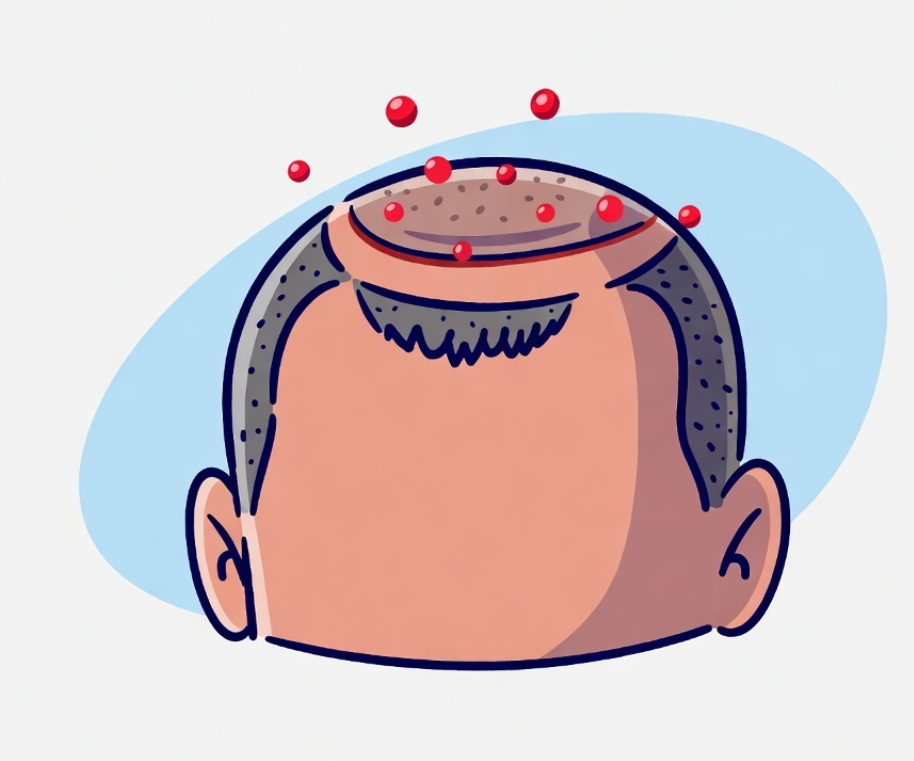
Recovery is more manageable than most people expect. Here is what to expect week by week.
Days 1 to 3
Mild swelling around the forehead and some redness at the recipient area. Avoid touching or scratching the scalp. Sleep with your head slightly elevated.
Days 4 to 14
The transplanted hair sheds. This is normal, expected, and temporary. It’s called shock loss and it happens to almost every patient. The follicles remain intact beneath the scalp and will regrow.
Weeks 2 to 8
The scalp settles and any redness fades. Most patients return to desk work within 5 to 7 days of the procedure.
Months 3 to 6
New hair starts growing visibly. Thin at first, then progressively thicker and stronger each month.
Month 12
Full result is visible. This is the benchmark Dr. Monisha Kapoor uses to assess final outcomes with patients.
Strenuous exercise should wait 3 to 4 weeks. Sun exposure on the scalp should be minimised for the first month. The clinic provides a detailed post-care guide after every procedure.
Expected Results and Success Rates
Realistic expectations matter here. Hair transplant surgery at this clinic has a graft survival rate of over 90% in suitable candidates. Results are permanent because transplanted follicles from the donor zone are genetically resistant to DHT, the hormone responsible for pattern hair loss.
What the results look like: a natural hairline, improved density in the treated area, and hair that grows, cuts, and styles exactly like the rest of your hair. No one will be able to tell it was transplanted.
What they don’t look like: a completely full head of hair if you started with very limited donor supply. Patients who come in with unrealistic expectations tend to be unhappy no matter how good the result is. Dr. Monisha Kapoor is known for managing this conversation honestly before any booking is made. That honesty is not common in every clinic.
Patient Testimonials
Here is what patients at Dr. Monisha Kapoor’s clinic have said about their hair transplant experience:
“I came in thinking hair transplants were only for men. Dr. Monisha changed that completely. Six months later I stopped tying my hair up to hide the thinning. First time in three years I felt comfortable leaving it down.”
“The hairline she designed looks completely natural. My own barber didn’t realise I had a transplant for six months. He asked what shampoo I was using.”
“I had been to two other clinics before this one. Neither told me my donor density wasn’t enough for what I wanted. Dr. Monisha did. I respected that more than the ones who just took my booking.”
Ready to start your hair restoration journey?
Book a consultation with Dr. Monisha Kapoor today.
Frequently Asked Questions
How much does a hair transplant cost in Delhi?
Cost depends on the number of grafts needed and the technique used. A proper estimate is only possible after assessing your scalp and donor area in person. Dr. Monisha Kapoor’s clinic offers initial consultations with no obligation to proceed.
Is a hair transplant permanent?
Yes. Transplanted follicles from the donor zone are DHT-resistant, meaning they won’t follow the same pattern baldness process as native hair. Once they establish and grow, they’re permanent.
How long does the procedure take?
Between 6 and 8 hours depending on the number of grafts required. The entire procedure is done in a single session under local anaesthesia at the clinic in Saket, Delhi.
When will I actually see results?
Visible new growth begins around month 3 to 4. The full result is assessed at the 12-month mark. Patience is genuinely required here, and most patients say the wait was worth it.
Can women get hair transplants?
Yes. Dr. Monisha Kapoor performs hair transplants for women with androgenetic alopecia, traction alopecia, and hairline concerns. The approach, technique, and hairline design for women differ from male procedures and are assessed separately.
Will there be visible scarring?
FUE leaves tiny dot scars that are invisible once hair grows back. FUT leaves a fine linear scar at the back of the scalp, hidden within surrounding hair. Both are discussed in detail during your consultation.
How much downtime should I expect?
Most patients are back to desk work within 5 to 7 days. Strenuous physical activity and direct sun exposure on the scalp should wait 3 to 4 weeks. Full post-care instructions are provided after every procedure.
