Book An Appointment
Dr. Monisha Kapoor
  • Home
  • About Us
  • Treatments
    • Hair
      • Hair Transplant
    • Body
      • Liposuction
      • Six Pack Abs
      • Hour Glass Shape
      • Brazilian Butt Lift
      • Thigh Gap
      • Full Body Lift
      • Vaginal Revitalisation
      • Hand & Feet Revitalisation
      • Tummy Tuck
      • Breast Surgery
      • Male Chest Reshaping
      • Male Chest Reduction
      • Mommy Makeover
      • Men Makeover
    • Skin
      • Zein Obegi's Skin Treatment
      • Chemical Peels
      • Hydra Facial
      • Silk Peel
      • Pelleve Skin Tightening
      • IPL Foto Facials
      • Tri Active Deka Peel
      • Tattoo Removal
      • Laser Skin Toning
      • Laser Hair Reduction
      • Full Body Polishing
      • Halo BBL
    • Face
      • Acne Scar Treatment
      • Face & Neck Lift
      • Forehead
      • Neurotoxin and Fillers
      • Brows
      • Eyes
      • Nose
      • Cheeks
      • Lips
      • Chin
      • Face Bone Alteration
      • Dimple Creation
      • Face Thinning
      • Permanent Makeup
  • Resources
    • Facilities & Infrastructure
    • Media
    • Photos
    • Blog
    • Case Studies
      • Rhinoplasty Case Study
      • Septoplasty with Rhinoplasty Case Study
  • Contact Us
+91-8373984777

Blog

Recent Posts

  • Rhinoplasty cost in Delhi ?
  • Brow Lift vs Botox: Which Lifts Brows Better?”
  • What Is a Brow Lift and Who Are the Right Candidates?
  • What Is Lip Surgery and What Can It Correct?
  • What Is Thigh Gap Surgery and Is It Permanent?

Archives

  • June 2026
  • May 2026
  • December 2023
  • July 2023
  • April 2023
  • July 2020
  • June 2020
  • November 2019
  • August 2019
  • August 2018
  • April 2018
  • March 2018
  • January 2018
  • December 2017
  • October 2017
  • September 2017
  • July 2017
  • June 2017
  • April 2017
  • December 2016
  • November 2016
  • October 2016
  • September 2016
  • August 2016
  • July 2016

Rhinoplasty cost in Delhi ?

Posted on June 3, 2026May 21, 2026


Rhinoplasty cost in Delhi varies significantly based on multiple factors rather than following any fixed price across clinics. The technique used affects cost. Surgeon expertise affects cost. Hospital fees vary by facility quality. Anaesthesia type changes pricing. Case complexity raises overall costs further, particularly revision rhinoplasty or septorhinoplasty combined procedures. Patients comparing prices across surgeons need to understand what they’re actually comparing rather than choosing based on lowest quote alone since quality differences usually justify cost differences.

According to Dr. Monisha Kapoor, an experienced plastic surgeon in Delhi, “Rhinoplasty cost depends on factors patients can’t see at first glance, the cheapest quote often comes from clinics cutting corners on facility quality, anaesthesia, or surgeon experience, picking based purely on price means accepting trade-offs that affect both safety and final result quality in ways that aren’t immediately obvious.”

Considering rhinoplasty in Delhi and want to understand what actually affects pricing? Book Appointment

What Are the Main Factors That Affect Rhinoplasty Cost?

Several factors decide rhinoplasty pricing in Delhi. They don’t all matter equally. Surgical technique sits at the foundation. Surgeon experience comes second. Hospital quality matters significantly. Anesthesia type adds another layer. Each factor shapes the final number differently across clinics, which is why comparing quotes without understanding what drives them produces misleading conclusions for patients.

  • Surgical Technique Used: Open rhinoplasty costs more than closed. The surgery takes longer. Tissue access is more complex. Cartilage grafting using septum or rib cartilage adds further time. Revision rhinoplasty costs significantly more than primary surgery. The work demands correcting previous errors which is technically much harder. The technique chosen during consultation drives a major portion of the final pricing
  • Surgeon Expertise and Credentials: Surgeons with M.Ch qualifications and ASAPS or ISAPS memberships charge higher fees than general aesthetic surgeons. The pricing reflects training depth. It reflects complication management capability. It reflects aesthetic judgment built over thousands of cases. Patients exploring nose surgery options find that surgeon credentials drive pricing differences far more than any other single factor
  • Hospital and Facility Fees: JCI-accredited hospitals charge more than smaller surgical centres. The facility fee covers operating theatre setup. It covers anaesthesia equipment. ICU backup gets included. Recovery monitoring stays available. Emergency infrastructure stays ready. Smaller clinics offering lower facility fees often lack this safety infrastructure which becomes critical if complications develop during surgery
  • Anesthesia Type and Duration: General anesthesia with a qualified anesthetist costs more than local anesthesia with sedation. Duration affects pricing too since longer surgeries need more anesthesia time and continuous monitoring. Complex rhinoplasty cases requiring 4 to 5 hours cost more in anesthesia fees alone than simpler 2-hour procedures even when other factors stay constant across the consultation

The combined cost factors add up to create the final pricing patients see, and patients exploring rhinoplasty surgeon selection often find that understanding these cost drivers helps them evaluate quotes properly rather than picking based purely on which surgeon offered the lowest number during initial consultations.

What Should Patients Watch For in Cost Comparisons?

Comparing rhinoplasty costs isn’t just about comparing prices. The cheapest quote often hides trade-offs. Higher prices don’t automatically mean better outcomes either. Patients need to know what to look for. Otherwise, quoted prices look comparable on paper but reflect completely different actual surgical experiences and outcome qualities behind the numbers being shown.

  • What’s Included in the Quote: Some quotes include only surgeon fees. Others bundle hospital, anesthesia, and follow-up costs. Patients comparing quotes need to ask exactly what’s included and what’s billed separately. A lower initial quote sometimes reveals additional costs during the actual surgery that bring the total higher than competitors who quoted comprehensively from the start during consultation
  • Combined Procedure Pricing: Patients combining rhinoplasty with face and neck lift or other facial procedures often see cost efficiencies. Anesthesia fees get partially shared across procedures. Facility fees don’t double up either. Discussing all desired procedures during consultation helps surgeons quote combined pricing properly rather than discovering additional costs during separate surgeries
  • Revision Surgery Considerations: If the original rhinoplasty needs revision later, that becomes an entirely separate surgery. Pricing typically goes higher than the primary surgery cost. Choosing the right surgeon initially even at higher cost often costs less long-term than choosing cheaper surgery that needs revision afterwards. Revision risks make initial quality choice the smarter financial decision in most cases where outcomes matter at all
  • Post-Op Care Inclusion: Quality surgeons include extensive post-op care in their pricing. Multiple follow-up visits get covered. Complication management stays included. Cheaper quotes sometimes treat post-op care as additional billable services. The savings disappear quickly when patients realize they need multiple paid follow-ups rather than included visits during the recovery period that ranges from weeks to months depending on case complexity

The cost factors interact with each other to create the final patient experience, and a deeper read on rhinoplasty surgeon selection helps patients see what credentials and experience markers genuinely justify cost differences across surgeons offering rhinoplasty in Delhi at vastly different price points.

Why Choose Dr. Monisha Kapoor for Rhinoplasty ?

Dr. Monisha Kapoor is the first Indian woman aesthetic plastic surgeon admitted to the American Society of Aesthetic Plastic Surgery and a member of ISAPS, with over 15 years of dedicated cosmetic surgery practice behind her. She handles rhinoplasty with detailed pre-op consultations, transparent cost breakdowns, JCI-accredited hospital facilities, full anaesthesia backup, and comprehensive post-op care included in pricing. Patients leave knowing exactly what they’re paying for rather than facing surprise costs once surgery starts.

📞 Call Now: +91 83739 84777


FAQs

Why does rhinoplasty cost vary so much across surgeons?

Costs vary based on surgeon experience, technique, hospital quality, and anaesthesia type used.

Is cheaper rhinoplasty always lower quality?

Often yes, savings usually come from facility quality, surgeon experience, or post-op care cuts.

Does revision rhinoplasty cost more than primary?

Yes, revision surgery is technically demanding and typically costs more than initial rhinoplasty.

Can I get cost estimates before consultation?

Initial estimates require examination, accurate quotes need surgical planning during proper consultation.


References

  1. American Society of Plastic Surgeons — Rhinoplasty Cost Factors
  2. National Library of Medicine — Rhinoplasty Surgical Outcomes and Costs

Brow Lift vs Botox: Which Lifts Brows Better?”

Posted on June 2, 2026May 21, 2026

Brow lift & Botox are two completely different ways to address drooping brows. Brow lift is surgical while botox is non-surgical. Surgery actually repositions the brow tissue higher on the forehead. Botox relaxes the muscles pulling the brows down. The right pick depends on whether the brows have physically dropped from age and gravity or whether muscle activity is just creating a tired or angry appearance from chronic frowning.

According to Dr. Monisha Kapoor, an experienced plastic surgeon in Delhi, “Brow lift versus Botox isn’t a question of which is better, they fix completely different problems, Botox softens muscle pull while brow lift surgically repositions tissue that has actually dropped, picking the wrong one means either getting injectables that won’t lift descended brows or getting surgery that wasn’t needed for muscle-driven concerns.”

Considering brow lift or Botox and unsure which actually addresses your concern? Book Appointment

Feature Brow Lift Botox
Method Surgical tissue repositioning Muscle-relaxing neurotoxin injections
Best Suited For Significant brow descent, sagging, hooding Early concerns, mild lifting, frown lines
Anaesthesia General or local depending on technique None or topical numbing
Procedure Duration 1 to 2 hours 10 to 15 minutes
Recovery Time 1 to 3 weeks No downtime
Result Timing Visible after swelling resolves at 2 weeks Visible 7 to 10 days post-injection
Result Permanence 10 to 15 years 3 to 4 months
Lifting Capability 1 to 2 cm physical elevation 2 to 5 mm modest lift only

Brow lift and Botox work at completely different anatomical levels. Surgery handles structural descent. Botox handles muscle activity. Each delivers specific results. The right choice depends on what’s actually causing the brow appearance issue rather than picking whichever option sounds simpler or has shorter recovery time at the consultation stage.

  • Brow Lift Surgery: Incisions go within the hairline or at the temples depending on technique. The surgeon lifts the entire brow tissue higher on the forehead. Underlying muscles get released or weakened to prevent further drooping. Excess tissue gets removed surgically. Recovery takes 1 to 3 weeks depending on technique used. Results last 10 to 15 years before age-related changes start affecting the area again
  • Botox Brow Lift: Tiny injections go into specific forehead and brow muscles. The treated muscles relax which stops the downward pull on the brows. The brow position rises slightly as the muscles release tension. Sessions take 10 to 15 minutes. No downtime, no incisions, no anaesthesia needed. Results show in 7 to 10 days and last 3 to 4 months before another session becomes necessary
  • Lifting Capability: Surgery delivers significant lift that addresses moderate to severe brow descent. Patients see 1 to 2 cm of actual physical elevation depending on how much descent existed before. Botox provides modest lift only, typically 2 to 5 mm at most. The injection relaxes muscles but cannot reposition tissue that has physically dropped. Patients with significant descent will be disappointed if they choose Botox over surgery
  • Combined Approach: Many patients use both treatments together for optimal results. Surgery handles the structural lifting once. Maintenance Botox keeps the muscles from pulling the brows down again over the years. Combining the two extends surgical results significantly. Patients exploring forehead work often plan this combined approach with their surgeon during consultation rather than treating each as separate isolated decisions

Both treatments deliver results when matched correctly to the actual concern, and patients exploring forehead options find that picking the right approach depends entirely on whether the issue is structural brow descent or muscle-driven appearance changes that haven’t physically dropped the brow tissue itself yet.

Brow Lift vs Botox: Which One Suits You?

Picking right comes down to brow descent severity, age, recovery time available, and how long the patient wants results to last. Patients exploring Botox and fillers need to know that Botox works beautifully for early concerns but reaches its ceiling once actual brow descent has occurred. Surgery becomes the only meaningful option once tissue has physically dropped from age or significant weight loss affecting the upper face area.

The right choice depends on what each patient’s brows actually need rather than what sounds easier or faster, and a deeper read on brow lift helps patients understand exactly when surgery becomes the right call versus when Botox alone delivers the result they’re looking for without any surgical intervention.

Why Choose Dr. Monisha Kapoor for Brow Lift & Botox?

Dr. Monisha Kapoor is the first Indian woman aesthetic plastic surgeon admitted to the American Society of Aesthetic Plastic Surgery and a member of ISAPS, with over 15 years of dedicated cosmetic surgery practice behind her. She handles both surgical brow lift and Botox treatments with proper assessment of brow descent severity rather than personal preference for either approach, performs careful technique selection based on what each patient’s brows actually need, and patients leave consultation knowing exactly which option fits their specific concern rather than what they walked in assuming.

📞 Call Now: +91 83739 84777

FAQs

Can Botox replace brow lift surgery?

No, Botox handles muscle pull, surgery repositions tissue that has physically dropped.

Which lasts longer, brow lift or Botox?

Brow lift lasts 10 to 15 years, Botox lasts only 3 to 4 months.

Can I combine brow lift and Botox?

Yes, many patients use Botox after surgery to maintain refreshed brow position long-term.

Which option costs more long-term?

Brow lift is one-time higher cost, Botox accumulates with recurring sessions every few months.


References

  1. American Society of Plastic Surgeons — Brow Lift Procedures
  2. National Library of Medicine — Botox vs Surgical Brow Lift Outcomes

What Is a Brow Lift and Who Are the Right Candidates?

Posted on June 1, 2026May 21, 2026

Brow lift is a surgical procedure that elevates drooping eyebrows and softens forehead lines through carefully placed incisions. The surgery repositions the brow tissue higher on the forehead. It also tightens the skin and underlying muscles that create deep horizontal lines. Patients with sagging brows from age, genetics, or significant weight loss benefit most. The procedure isn’t just cosmetic. Drooping brows can affect peripheral vision in some cases which adds a functional element to what’s otherwise treated as purely aesthetic surgery for upper face rejuvenation overall.

According to Dr. Monisha Kapoor, an experienced plastic surgeon in Delhi, “Brow lift handles what fillers and Botox simply cannot fix, the actual descent of brow tissue from age or genetics needs surgical repositioning, no amount of injectables will lift brows that have physically dropped over years requiring proper structural correction through surgery.”

Considering brow lift surgery and want to understand whether you’re a right candidate? Book Appointment

How Does Brow Lift Surgery Actually Work?

Brow lift uses different surgical techniques depending on patient anatomy and goals. Endoscopic brow lift uses small incisions and a camera. Traditional brow lift uses a longer incision across the hairline. Lateral brow lift addresses outer brow drooping specifically. Each technique handles specific concerns through different surgical access points.

  • Endoscopic Brow Lift: Several small incisions get placed within the hairline. A tiny camera goes through one incision to give visual access. The surgeon uses specialised instruments through other incisions to lift the brow tissue. Underlying muscles get released or weakened to prevent further drooping. Recovery moves faster than traditional methods. Most patients return to social activities within 1 to 2 weeks
  • Traditional Brow Lift: A longer incision runs across the hairline from ear to ear. The surgeon lifts the entire forehead skin off the underlying tissue. Excess skin gets removed surgically. Underlying muscles get adjusted to soften forehead lines. The technique provides more dramatic results for severe brow descent. Recovery takes 2 to 3 weeks for visible healing
  • Lateral Brow Lift: Targets the outer portion of the brow that often droops first. Smaller incisions hide within the temple hairline. The technique addresses the lateral hooding that causes a tired or angry appearance. Recovery moves quickly because the procedure stays focused rather than addressing the entire forehead area. Most patients return to normal activities within 1 week
  • Combined Procedures: Patients often combine brow lift with eyelid surgery for comprehensive upper face rejuvenation. Drooping brows and excess upper eyelid skin both contribute to a tired appearance. Treating both concerns together delivers balanced results. Single recovery period instead of two separate surgeries makes the combination practical for most patients seeking comprehensive upper face work

Each brow lift technique delivers excellent outcomes when matched correctly to patient anatomy, and patients exploring forehead options find that surgeon expertise in selecting the right technique for each patient’s specific brow descent pattern matters far more than picking whichever method sounds simpler or has shorter advertised recovery time on clinic websites.

Who Are the Right Candidates for Brow Lift?

Not every patient with forehead concerns suits brow lift surgery. The procedure has specific candidate requirements based on what’s actually causing the appearance issue. Some patients benefit from non-surgical alternatives instead. Understanding who fits the profile helps patients see whether surgery is the right path or whether less invasive options would actually deliver the result they want.

  • Sagging Brows from Age: Patients with brows that have descended below their original position from natural ageing get the most predictable results. The tissue has lost elasticity and structural support. Surgical repositioning restores the original brow height. Patients in their 40s through 60s typically benefit most because the descent is usually significant enough to warrant surgery rather than non-surgical alternatives like Botox
  • Hereditary Brow Position: Some patients are born with naturally low-set brows that contribute to a perpetually tired or angry appearance. The brow position has been low throughout their adult life rather than recently dropping. Surgery raises the brows to a more aesthetically balanced position. The result looks completely natural rather than over-corrected since the change is subtle and proportional
  • Functional Vision Issues: Severe brow drooping can affect peripheral vision by creating excess tissue that hangs over the upper eyelid. Patients with this combination get both functional and cosmetic benefits from surgery. Insurance sometimes covers the procedure when documented vision impairment exists. Combining with blepharoplasty recovery procedures handles both concerns comprehensively when needed
  • Failed Non-Surgical Treatments: Patients who’ve tried Botox, fillers, or threading without satisfactory results often benefit from surgery. Non-surgical options work for mild concerns. Significant drooping needs structural correction that injectables cannot deliver. Patients exploring surgery after exhausting other options usually have realistic expectations about what surgery actually achieves compared to less invasive alternatives

Brow lift requires careful candidate selection to deliver results that actually match patient expectations, and a deeper read on blepharoplasty recovery helps patients see how upper face procedures combine together when multiple concerns exist alongside brow drooping itself.

Why Choose Dr. Monisha Kapoor for Brow Lift Surgery?

Dr. Monisha Kapoor is the first Indian woman aesthetic plastic surgeon admitted to the American Society of Aesthetic Plastic Surgery and a member of ISAPS, with over 15 years of dedicated cosmetic surgery practice behind her. She handles brow lift with detailed pre-op assessment of brow descent severity, hairline position, and forehead anatomy, performs careful technique selection based on what each patient actually needs, and walks every patient through whether surgery or non-surgical alternatives genuinely suit their specific situation rather than recommending the procedure to everyone who asks.

📞 Call Now: +91 83739 84777


FAQs

How long does brow lift recovery take?

Most patients return to social activities within 1 to 2 weeks, full healing at 4 weeks.

Are brow lift results permanent?

Yes, results last 10 to 15 years before age-related changes start affecting the area again.

Can Botox replace brow lift surgery?

No, Botox softens muscle activity but cannot lift physically descended brow tissue.

When can I drive after brow lift?

Most patients drive comfortably 5 to 7 days after surgery without restrictions.


References

  1. American Society of Plastic Surgeons — Brow Lift Procedure
  2. National Library of Medicine — Brow Lift Surgical Outcomes

What Is Lip Surgery and What Can It Correct?

Posted on May 31, 2026May 21, 2026

Lip surgery covers different procedures that reshape the lips depending on what’s actually wrong. Some patients have lips that are too long. Others have lips too thin or too thick. Asymmetry exists in many faces. Age changes the lip area significantly over decades. The category includes lip lift, reduction, augmentation through fillers or fat, and corrective work for asymmetry or congenital concerns. Each procedure handles its own concern, picking the wrong one is exactly why some patients end up looking strange instead of refined.

According to Dr. Monisha Kapoor, an experienced plastic surgeon in Delhi, “Lip surgery isn’t a single procedure, it’s a category covering multiple techniques that address completely different concerns, picking the wrong technique is exactly why patients sometimes end up with results that look strange or unnatural rather than the refined enhancement they actually wanted from the start.”

Considering lip surgery and unsure which technique suits your specific concern? Book Appointment

What Are the Different Types of Lip Surgery?

Different procedures fix different concerns. Some shorten the lip area. Others add volume. A few reduce excess tissue. Asymmetry correction works at multiple levels. The right technique depends on what specifically bothers the patient about their lips, not on whichever procedure sounds simplest or trendiest at the consultation stage.

  • Lip Lift: Shortens the distance between the nose and upper lip. A small incision sits at the base of the nose. Skin gets removed surgically. The remaining tissue gets repositioned upward. More upper teeth show when smiling. Patients with elongated upper lips from age or genetics get more youthful proportions back. Recovery takes about 2 weeks for visible healing
  • Lip Reduction: Removes excess tissue from inside the mouth. Patients with overly full lips that look out of proportion get more refined contours. Incisions stay completely hidden inside the mouth. No external scarring shows at all. Most patients return to normal activities within 1 to 2 weeks. Final result settles around 6 weeks post-surgery
  • Lip Augmentation: Adds volume through fillers or fat transfer. Hyaluronic acid fillers deliver immediate results. They last 6 to 12 months typically. Fat transfer uses the patient’s own fat. Surviving fat stays permanent. Both options suit different patient priorities, fillers for quick non-surgical enhancement and fat transfer for permanent results that don’t need maintenance every year
  • Asymmetry and Congenital Correction: Surgery corrects asymmetry from facial paralysis, trauma, or congenital conditions. Cleft lip revision fits under this category. Adult corrective procedures address residual concerns from childhood surgeries. The technique varies based on what specifically needs correction rather than following standardised approaches across different patient situations

Each lip procedure delivers excellent outcomes when matched correctly to specific concerns, and patients exploring Botox and fillers for non-surgical lip enhancement often find that starting with fillers helps them visualise what surgical lip lift or augmentation results would look like before committing to permanent changes that can’t be reversed easily afterwards.

What Concerns Does Lip Surgery Actually Correct?

Lip surgery addresses everything from cosmetic preferences to medically significant conditions. Each procedure handles specific anatomical issues. Generic enhancement isn’t what these procedures deliver. Patients need to understand what each technique can and cannot correct so the right surgery actually solves the right problem rather than wasting money on procedures that don’t address what’s bothering them.

  • Age-Related Changes: The upper lip naturally elongates with age as skin loses elasticity. The distance between nose and lip increases. Less tooth shows when smiling which makes faces appear older. Lip lift reverses these changes by restoring original proportion. Patients in their 40s and 50s often combine lip lift with other face procedures for comprehensive rejuvenation
  • Asymmetry Correction: Natural asymmetry exists in most faces. The problem starts when one side looks significantly different from the other. Surgical correction balances both sides through carefully measured tissue adjustment. The technique varies based on whether asymmetry comes from skin, muscle, or underlying bone structure issues. Photographs taken from multiple angles guide accurate surgical planning
  • Disproportionate Volume: Some patients have naturally full lips that look out of proportion with their facial features. Reduction surgery removes the right amount of tissue without going too far. Over-reduction creates an unnatural look that patients regret later. The balance between adequate reduction and natural appearance separates good lip reduction from bad far more than just how much tissue gets removed during surgery
  • Thin Lip Enhancement: Patients with naturally thin lips or age-related volume loss benefit from augmentation. Filler injection provides immediate but temporary results. Fat transfer offers permanent enhancement once initial absorption stabilises. Surgical lip advancement using v-shaped incisions delivers permanent volume increase without needing repeated maintenance treatments. The right method depends on whether the patient wants immediate or long-term results from their lip work

Lip surgery corrects specific concerns when matched correctly to patient anatomy and goals, and a deeper read on face contouring helps patients see how lip procedures fit into broader facial aesthetic planning when considering multiple concerns at once rather than addressing each issue separately across multiple surgical events spread across years.

Why Choose Dr. Monisha Kapoor for Lip Surgery?

Dr. Monisha Kapoor is the first Indian woman aesthetic plastic surgeon admitted to the American Society of Aesthetic Plastic Surgery and a member of ISAPS, with over 15 years of dedicated cosmetic surgery practice behind her. She handles lip surgery with detailed pre-op assessment of facial proportions, age considerations, and aesthetic goals, performs careful technique selection based on what each patient’s lips actually need, and patients leave the consultation with the procedure that genuinely matches their concern rather than what sounded fancier in marketing.

📞 Call Now: +91 83739 84777


FAQs

How long does lip surgery recovery take?

Most lip surgery recovery takes 2 weeks for visible healing, full settling at 6 weeks.

Is lip surgery painful?

Mild discomfort first few days, well-managed with prescribed pain medication and ice.

Are lip surgery results permanent?

Lip lift and reduction are permanent, fillers temporary, fat transfer largely permanent.

Can lip surgery scars be hidden?

Yes, incisions hide at the nose base, inside the mouth, or natural lip borders.


References

  1. American Society of Plastic Surgeons — Lip Surgery Procedures
  2. National Library of Medicine — Lip Aesthetic Procedure Outcomes

What Is Thigh Gap Surgery and Is It Permanent?

Posted on May 30, 2026May 21, 2026

Thigh gap surgery is a specialised cosmetic procedure that creates visible space between the upper inner thighs through targeted liposuction and tissue contouring. The procedure removes stubborn fat from the inner thigh region. It reshapes the existing thigh contour. Results stay permanent for fat that gets removed since fat cells don’t grow back once eliminated, though significant weight gain can affect overall thigh appearance even when the original surgery worked perfectly. Patients with naturally wider hip bones or proportional thigh muscle development get better results than patients fighting against their underlying skeletal structure to create space that anatomy doesn’t naturally support.

According to Dr. Monisha Kapoor, an experienced plastic surgeon in Delhi, “Thigh gap surgery isn’t about creating space where anatomy doesn’t allow it, the procedure works for patients whose hip bone structure and thigh proportions naturally support a gap that’s currently hidden by stubborn inner thigh fat, patients fighting against their actual skeletal anatomy won’t get the result they want regardless of how skilled the surgeon is.”

Considering thigh gap surgery and want to understand whether it’s right for you and how long results last? Book Appointment

How Does Thigh Gap Surgery Actually Work?

The procedure isn’t basic liposuction. It targets specific zones along the inner thigh while preserving certain areas to maintain natural proportions. The technique requires careful planning of fat removal patterns. Removing too much creates an unnatural look. Removing too little leaves the gap still hidden. The balance between both decides how natural the final result actually looks during normal standing positions.

  • Targeted Inner Thigh Liposuction: The surgeon focuses on the upper inner thigh zone where fat creates the visual barrier preventing thigh gap visibility. VASER ultrasound technology suits this work better than older liposuction methods because the precision needed for inner thigh sculpting is genuinely demanding. The probe enters through small incisions placed in the groin crease or upper inner thigh. Fat gets liquefied selectively then extracted carefully without affecting surrounding nerves or blood vessels
  • Contour Sculpting Approach: The surgery isn’t just fat removal. The surgeon shapes the inner thigh contour to create a smooth transition between the gap area and the rest of the thigh. Some zones get more aggressive removal. Other zones get conservative treatment. Specific areas get fat preserved entirely to maintain natural proportions. This sculpting work separates good thigh gap surgery from bad thigh gap surgery far more than just how much fat gets removed during the procedure overall
  • Skin Tightening Considerations: Patients with poor inner thigh skin elasticity may need additional skin tightening procedures alongside liposuction. Loose skin doesn’t retract properly after fat removal. The result becomes hanging skin rather than the cleaner gap patients want. Younger patients with good elasticity recover with naturally smooth contours. Older patients or those with significant prior weight loss often need body contouring procedures combined with liposuction for complete results
  • Post-Surgery Settling: Initial swelling hides the new contour for the first 4 to 6 weeks completely. Compression garments stay on continuously throughout this period. The actual thigh gap gradually emerges as swelling resolves over months. Final contour becomes fully visible at 3 to 6 months post-surgery. The wait between initial surgery and seeing the final result tests patient patience but the gradual emergence is part of how all body contouring procedures actually work

Thigh gap surgery delivers permanent fat removal in treated zones when matched to the right candidate, and patients exploring liposuction options for inner thigh contouring find that surgeon expertise in proportional sculpting matters far more than simple fat removal volume because over-aggressive surgery creates obvious surgical-looking results that no amount of recovery time can correct.

Are Thigh Gap Surgery Results Actually Permanent?

The permanence question has a complicated answer. Fat cells removed during surgery don’t grow back. The body simply doesn’t regenerate adipose cells in adulthood. However, remaining fat cells can grow with weight gain. The original surgery permanence depends entirely on lifestyle factors after recovery completes rather than the surgical technique itself.

  • Fat Cell Reality: Adults have a fixed number of fat cells from late adolescence onwards. Liposuction permanently removes a portion of these cells from treated zones. The removed cells cannot regenerate. The surgical zone has fewer fat cells permanently. This is why liposuction results stay permanent in technical terms regardless of what happens with overall body weight afterwards in different body areas
  • Weight Gain Effects: Significant weight gain after surgery affects the result even though the original removed fat doesn’t return. Remaining fat cells in the treated zone can still grow larger with weight gain. Untreated zones tend to absorb more weight gain since they have more fat cells available. The body distribution shifts in unpredictable ways which is why surgeons emphasize stable weight maintenance for preserving the original surgical result
  • Skin Elasticity Over Time: Skin elasticity continues changing with age regardless of surgical results. Inner thigh skin can become loose over decades even when the underlying fat distribution stays stable. Older patients eventually see some thigh gap diminishment from skin changes alone. Patients exploring body areas treated with liposuction often find that combining different procedures over time helps maintain the original result as natural ageing affects different body areas
  • Lifestyle Maintenance: Maintaining the surgical result requires staying within 5 to 10% of post-surgery weight long-term. Regular exercise keeps the surrounding tissue toned and supports the surgical contour. Diet quality affects how the body holds the result over years. Patients who treat thigh gap surgery as the start of better body care rather than the end of effort tend to maintain results better than those expecting surgery alone to deliver permanent outcome regardless of subsequent lifestyle

Thigh gap surgery results stay permanent for the fat that’s actually removed during the procedure, and a deeper read on liposuction body areas helps patients see how different body zones respond differently to liposuction over the years which affects long-term planning around anybody contouring decisions they make going forward.

Why Choose Dr. Monisha Kapoor for Thigh Gap Surgery?

Dr. Monisha Kapoor is the first Indian woman aesthetic plastic surgeon admitted to the American Society of Aesthetic Plastic Surgery and a member of ISAPS, with over 15 years of dedicated cosmetic surgery practice behind her. She handles thigh gap surgery with detailed pre-op anatomical assessment of hip bone structure, thigh proportions, and skin elasticity, performs careful proportional sculpting using VASER technology, and walks every patient through whether their anatomy actually supports thigh gap creation rather than promising results that don’t match each patient’s individual skeletal reality.

📞 Call Now: +91 83739 84777


FAQs

Does thigh gap surgery work for everyone?

No, results depend on hip bone structure and thigh proportions naturally supporting a gap.

How long do thigh gap surgery results last?

Removed fat permanent, results last for life with stable weight maintenance afterwards.

Is thigh gap surgery painful?

Mild discomfort first week, well-managed with prescribed medication and compression garments.

When can I exercise after thigh gap surgery?

Light walking after 2 weeks, full workouts allowed after 6 to 8 weeks.


References

  1. American Society of Plastic Surgeons — Inner Thigh Liposuction
  2. National Library of Medicine — Thigh Liposuction Outcomes

What Is a Full Body Lift and Who Is It For?

Posted on May 29, 2026May 21, 2026

Full body lift is a comprehensive surgical procedure that removes excess loose skin and reshapes the body contour across multiple zones simultaneously, typically performed on patients after massive weight loss from bariatric surgery, gastric bypass, or sustained dietary intervention. It combines multiple lift surgeries done together or staged across separate sessions depending on the patient’s overall health and how much skin needs removing. The aim is restoring a contoured body shape that the loose skin currently hides completely. Patients who lose 50 kg or more often discover that the deflated skin doesn’t bounce back regardless of exercise, fitness, or time, which is exactly when full body lift becomes the only meaningful solution.

According to Dr. Monisha Kapoor, an experienced plastic surgeon in Delhi, “Full body lift addresses what diet and exercise simply cannot fix, the loose hanging skin that remains after major weight loss doesn’t tighten back regardless of how fit the patient gets, surgical removal is the only way to actually achieve the body shape patients worked so hard to earn through their weight loss journey itself.”

Considering full body lift after major weight loss and want to understand what the procedure involves? Book Appointment

What Areas Does a Full Body Lift Actually Address?

Full body lift handles multiple body zones in one comprehensive treatment plan. Each area gets addressed based on how much loose skin exists and where contour needs restoring. The combination depends on individual patient needs rather than a fixed package every patient receives. Some patients need the full circumferential lift. Others need targeted sections combined together based on where their weight loss left the most loose skin behind.

  • Lower Body Lift: A circumferential incision goes around the entire lower torso at hip level. The surgeon removes excess skin and tissue from the abdomen, hips, lower back, and outer thighs in one continuous procedure. The buttocks get lifted and reshaped through this same incision. Loose skin from the front of the thighs gets pulled up. This is often the largest single component of a full body lift surgery
  • Upper Body Lift: The upper section addresses arms, breasts, chest, and upper back areas. Brachioplasty handles the loose skin on the upper arms (often called “bat wings”). Breast lift or augmentation addresses post-weight-loss breast deflation. Back lift removes the rolls of loose skin that develop across the upper back after major weight loss. These often get combined into one upper body session for surgical efficiency
  • Thigh and Arm Components: Thigh lift addresses the inner and outer thigh skin separately. Inner thigh lift requires incisions in the groin area extending down the inner leg. Outer thigh lift gets included in the lower body lift typically. Arm lifts use incisions running along the inner arm from elbow to armpit. Both procedures involve significant scarring that fades over 12 to 18 months
  • Staging the Surgery: The total surgical time required for full body lift exceeds what’s safe in one operation. Most patients need 2 to 3 staged surgeries spaced 3 to 6 months apart. The lower body lift typically happens first since it addresses the largest area. Upper body work follows once initial recovery completes. Final touch-up procedures handle any remaining concerns at the end

Full body lift addresses dramatic body transformation when matched correctly to patients with completed weight loss journeys, and patients exploring body contouring options find that staging surgery properly affects both safety and final results far more than rushing to do everything in one session that exceeds what the body can safely handle at once.

Who Is the Right Candidate for Full Body Lift?

Not every weight loss patient suits full body lift surgery. The procedure has specific candidate requirements that determine whether the result will actually meet patient expectations. Understanding who fits the profile helps patients see whether they’re ready for surgery or whether they need to continue stabilising before surgical intervention makes sense for their situation.

  • Weight Stability Requirement: Patients need stable weight for at least 6 to 12 months before surgery. Continuing to lose weight after surgery creates new loose skin that the procedure can’t predict or accommodate. Continuing to gain weight stretches the surgical results in unwanted ways. Most surgeons require body mass index below 32 for safety, ideally lower for optimal results to emerge cleanly through recovery
  • Health Optimisation: Major surgery requires good underlying health beyond just stable weight. Patients need to be smoke-free for at least 3 to 6 months pre-op since smoking dramatically affects healing. Nutritional deficiencies common after bariatric surgery (iron, vitamin D, B12, protein) need correction before surgery. Diabetes, blood pressure, and other conditions need proper management for safe surgical outcomes
  • Realistic Expectations: Patients need to understand that full body lift leaves significant scarring that fades over time but never disappears completely. The final body shape looks dramatically better than the post-weight-loss starting point but won’t match a person who never had the loose skin in the first place. Discussing realistic outcome photographs during consultation matters significantly for surgical satisfaction afterwards
  • Combined Surgery Needs: Many patients need tummy tuck work alongside lower body lift to address abdominal muscle separation that often coexists with loose skin after major weight loss. Discussing all needed procedures during initial consultation rather than discovering them after surgery starts ensures the staged surgery plan covers everything the patient actually needs from the beginning

Full body lift requires careful candidate selection and proper preparation, and a deeper read on body contouring procedures helps patients see how this comprehensive procedure fits into the broader spectrum of options after major weight loss before committing to such an extensive surgical intervention spread across multiple sessions.

Why Choose Dr. Monisha Kapoor for Full Body Lift Surgery?

Dr. Monisha Kapoor is the first Indian woman aesthetic plastic surgeon admitted to the American Society of Aesthetic Plastic Surgery and a member of ISAPS, with over 15 years of dedicated cosmetic surgery practice behind her. She handles full body lift with detailed pre-op assessment of weight stability, nutritional status, and realistic outcome planning, designs staged surgery plans tailored to each patient’s specific anatomy and health profile, and walks every patient through what’s achievable rather than promising transformations that don’t match medical reality.

📞 Call Now: +91 83739 84777


FAQs

How long does full body lift take?

Total surgery splits across 2 to 3 sessions, each lasting 4 to 8 hours.

When can I have full body lift after weight loss?

Wait at least 6 to 12 months after stable weight maintenance for best results.

Are full body lift scars permanent?

Yes, scars fade significantly over 12 to 18 months but remain permanent.

Is full body lift safe to do all at once?

No, staging across 2 to 3 sessions is safer than single comprehensive surgery.


References

  1. American Society of Plastic Surgeons — Body Lift After Weight Loss
  2. National Library of Medicine — Post-Bariatric Body Contouring Outcomes

What Is Hourglass Surgery and What Does It Change?

Posted on May 28, 2026May 21, 2026

Hourglass surgery is a comprehensive body contouring procedure that combines multiple surgical techniques to create the classic hourglass silhouette through targeted fat removal at the waist and strategic fat transfer to the hips and buttocks. The procedure isn’t a single operation. It bundles liposuction of stubborn fat zones with fat transfer to areas that need volume. The aim is balanced body proportions with a defined waist, fuller hips, and natural-looking curves. Patients typically combine waist sculpting with hip enhancement and sometimes additional procedures like tummy tuck or breast work depending on overall body goals and what areas need addressing simultaneously for cohesive results.

According to Dr. Monisha Kapoor, an experienced plastic surgeon in Delhi, “Hourglass surgery isn’t really one surgery, it’s a customized combination of techniques designed to create proportional curves rather than just adding volume here or removing fat there, the result depends on careful planning of which body areas need fat removed and which areas need fat added to deliver the balanced silhouette patients are actually after.”

Considering hourglass surgery and want to understand exactly what the procedure involves and changes? Book Appointment

How Does Hourglass Surgery Actually Work?

The procedure combines multiple techniques in one comprehensive surgery. Each component handles a specific body zone. Some areas need fat removed for slimming. Other areas need fat added for fullness. The integration of these techniques creates the proportional silhouette rather than just changing one isolated area at a time without considering the overall body balance.

  • Waist Liposuction: The surgeon performs careful liposuction across the waistline area to create definition. Fat gets removed from the love handles, lower back, and upper hip zones. The treatment respects the natural waist curve rather than over-aggressively removing fat that creates artificial-looking results. VASER liposuction technology suits this work better than older techniques because it allows precise sculpting needed for waist contouring
  • Fat Transfer to Hips: Fat harvested during the waist liposuction gets purified through specialised processing. The processed fat then gets carefully injected into specific zones around the hips. Common transfer areas include the upper outer hips, lower hip dips, and sometimes the buttock area for added projection. The body absorbs around 30 to 40% of transferred fat over 3 to 6 months. Remaining fat establishes blood supply and stays permanently
  • Strategic Sculpting Approach: The surgery requires precise pre-op planning of where fat gets removed and where it gets added. Removing too much from the waist creates an artificial silhouette. Adding too much to the hips produces unnatural proportions. The balance between removal zones and addition zones determines whether the final result looks naturally curvaceous or surgically over-corrected, which is why surgeon expertise in proportional sculpting matters far more than technical skill alone in this procedure
  • Combination Procedures: Many patients combine hourglass surgery with additional procedures depending on overall body goals. Tummy tuck handles loose abdominal skin from pregnancy or weight loss. Breast augmentation or lift addresses chest proportions. Thigh contouring shapes the lower body. Each combination affects how recovery unfolds because more comprehensive surgery means longer healing time before final results emerge fully

Hourglass surgery delivers comprehensive body transformation when matched correctly to patient anatomy and goals, and patients exploring body contouring options find that the customised nature of this procedure means consultation accuracy matters enormously for getting results that actually match what the patient envisioned before committing to surgery.

What Does Hourglass Surgery Actually Change?

The visible changes affect overall body proportion rather than just one isolated area. The waist becomes more defined and narrower. The hips appear fuller and more curvaceous. Body silhouette transforms from straighter or boxier shapes into balanced curves. Photographs taken before and after show dramatic proportional changes that go beyond what any single procedure could deliver alone.

  • Waist Definition: The waist becomes notably narrower and more defined as fat removal sculpts the natural curve. Side profile silhouette changes most dramatically since this is where waist definition becomes most visible. Front view shows clearer waist-to-hip ratio improvement. Patients typically see one to two inches of waist reduction depending on starting fat distribution and how much fat the surgeon could safely remove
  • Hip Volume and Shape: Hips appear fuller and more rounded after fat transfer establishes itself permanently. Hip dips (the indentation between the upper hip and outer thigh) get softened or eliminated through targeted fat placement. Lateral hip projection increases creating a more curvaceous side profile. The added volume looks completely natural since it uses the patient’s own fat rather than implants or fillers that would feel artificial
  • Overall Body Proportion: Body proportions shift from straighter shapes into balanced curves. The waist-to-hip ratio improves significantly which is the single biggest visible change. Combining results with liposuction of additional zones like thighs or arms produces even more comprehensive transformation when patients want full body contouring done together rather than scattered across multiple surgeries
  • Long-Term Result Stability: The surgery delivers permanent fat removal in liposuction zones combined with permanent fat survival in transfer zones once initial absorption stabilizes. Significant weight gain can affect the silhouette since transferred fat behaves like normal fat and grows with weight gain. Maintaining stable weight and consistent fitness keeps the hourglass silhouette intact for life without needing additional surgical intervention

Hourglass surgery changes body proportions comprehensively rather than just slimming one area, and a deeper read on body contouring procedures helps patients see how this specific procedure fits into the broader spectrum of body sculpting options before deciding whether the customized hourglass approach genuinely matches their actual body goals.

Why Choose Dr. Monisha Kapoor for Hourglass Surgery?

Dr. Monisha Kapoor is the first Indian woman aesthetic plastic surgeon admitted to the American Society of Aesthetic Plastic Surgery and a member of ISAPS, with over 15 years of dedicated cosmetic surgery practice behind her. She handles hourglass surgery with detailed pre-op proportional planning, VASER liposuction expertise, careful fat transfer technique, and honest assessment of whether the procedure suits each patient’s anatomy and realistic body goals rather than recommending it to everyone who walks in asking for curves.

📞 Call Now: +91 83739 84777


FAQs

Is hourglass surgery the same as Brazilian butt lift?

No, hourglass surgery focuses on overall waist-to-hip proportions, not just buttock enhancement.

How long does hourglass surgery recovery take?

Recovery takes 4 to 6 weeks for normal activities, full results visible at 6 months.

Are hourglass surgery results permanent?

Yes, surviving fat transfer and removed fat stay permanent with stable weight maintenance.

Can I combine hourglass surgery with tummy tuck?

Yes, combining procedures is common for patients wanting comprehensive body transformation together.


References

  1. American Society of Plastic Surgeons — Body Contouring Procedures
  2. National Library of Medicine — Liposuction and Fat Transfer Outcomes

What Is Six Pack Abs Surgery and How Does It Work?

Posted on May 27, 2026May 21, 2026

Six pack abs surgery is a specialised cosmetic procedure that creates the appearance of defined abdominal muscles through advanced VASER liposuction techniques. The surgery removes fat in specific patterns that highlight the underlying rectus abdominis muscle definition. It works by sculpting both deep and superficial fat layers around the existing muscle structure rather than building muscle itself. Patients with relatively low body fat and visible underlying muscle tone get the best results. The procedure is sometimes called high-definition liposculpture or abdominal etching, and it has become increasingly popular among patients who exercise regularly but can’t get visible definition through diet and gym work alone.

According to Dr. Monisha Kapoor, an experienced plastic surgeon in Delhi, “Six pack abs surgery isn’t a shortcut for people who don’t exercise, the procedure highlights existing muscle definition that’s hidden under stubborn fat layers, patients without underlying muscle tone won’t get the sculpted look they’re after no matter how skilled the surgeon is during the procedure itself.”

Considering six pack abs surgery and want to understand exactly how the technique actually works? Book Appointment

How Does Six Pack Abs Surgery Actually Work?

The procedure isn’t basic liposuction. It uses advanced VASER ultrasound technology. The technique requires precise mapping of the patient’s existing muscle structure beneath the fat. The surgeon then sculpts fat in specific patterns to reveal the muscle definition naturally underneath.

  • Pre-Surgery Mapping: The surgeon marks the patient’s abdomen extensively before surgery. Lines get drawn following the natural pattern of the rectus abdominis muscle. The linea alba (vertical centre line) gets identified. The semilunar lines (curves outlining the muscle blocks) get traced. Tendinous inscriptions (horizontal lines that create the six pack divisions) get marked carefully. This pre-op mapping shapes how the entire surgery unfolds
  • VASER Liposuction Process: A specialised probe sends ultrasound energy into the fat layer to liquefy fat cells selectively. The technology preserves surrounding nerves, blood vessels, and connective tissue. Then a thinner cannula extracts the liquefied fat in carefully patterned amounts. Some areas get fat removed deeply. Other areas get superficial removal. A few zones get fat preserved entirely to maintain natural muscle highlight contrast
  • Two-Layer Sculpting Approach: Deep fat layer removal handles overall slimming of the abdomen. Superficial fat sculpting creates the actual six-pack definition that becomes visible. Both layers need precise handling because removing too much creates artificial-looking results that don’t match natural anatomy. Removing too little leaves the muscle definition still hidden under stubborn fat. The balance between both layers determines how natural the final result actually looks
  • Post-Surgery Settling: Initial swelling hides the muscle definition for the first 6 to 8 weeks completely. Compression garments stay on continuously throughout this period. The sculpted patterns gradually emerge as swelling resolves over months. Final muscle definition becomes fully visible at 3 to 6 months post-surgery. Lymphatic massage during recovery helps the swelling resolve faster and the definition emerge cleaner

Six pack abs surgery delivers permanent muscle definition when matched to the right candidate, and patients exploring liposuction options for advanced abdominal sculpting find that surgeon expertise in VASER technology specifically matters far more than choosing any surgeon who advertises six pack surgery without proper specialised training behind the marketing.

Who Are the Right Candidates for Six Pack Abs Surgery?

Not every patient suits this procedure. The best candidates have specific anatomical characteristics that allow the technique to deliver natural-looking results. Patients without proper muscle tone or with significant excess skin won’t get the result they’re after no matter how skilled the surgeon is. Understanding who fits the profile helps patients see whether this surgery actually solves their concern.

  • Body Fat Percentage: The ideal candidate has 12 to 18% body fat for men and 18 to 22% for women. Significantly higher body fat percentages mean too much fat to selectively sculpt without compromising the natural look. Lower percentages mean the muscle definition might already be visible without surgery being necessary at all
  • Existing Muscle Tone: Patients need underlying muscle development before surgery. The procedure highlights what’s already there. It doesn’t create muscle definition that doesn’t exist underneath. Patients should regularly exercise the abdominal muscles for at least 6 to 12 months before considering surgery
  • Skin Elasticity: Good skin elasticity is essential because the abdominal skin needs to retract smoothly over the new contoured shape. Loose skin from significant weight loss or pregnancy doesn’t retract properly. Patients with skin laxity may need body contouring or tummy tuck procedures instead, sometimes combined with the etching technique
  • Realistic Expectations: The result looks like an athletic person who works out regularly, not a competition bodybuilder. Patients expecting dramatic bodybuilder definition will be disappointed because over-aggressive sculpting produces unnatural results. The natural look depends on respecting the patient’s actual body proportions throughout the surgical process

Six pack abs surgery requires careful candidate selection, and a deeper read on VASER vs traditional liposuction helps patients understand why VASER technology specifically suits this advanced procedure better than older liposuction methods that lack the precision needed for muscle-defining sculpture work.

Why Choose Dr. Monisha Kapoor for Six Packs Abs Surgery ?

Dr. Monisha Kapoor is the first Indian woman aesthetic plastic surgeon admitted to the American Society of Aesthetic Plastic Surgery and a member of ISAPS, with over 15 years of dedicated cosmetic surgery practice behind her. She handles six pack abs surgery with detailed pre-op muscle mapping, VASER technology expertise, careful two-layer sculpting technique, and honest candidate assessment about whether the procedure suits each patient’s actual anatomy and goals rather than recommending it to everyone who asks for it.

📞 Call Now: +91 83739 84777


FAQs

Can six pack surgery work without exercise?

No, surgery highlights existing muscle definition, patients need underlying muscle tone first.

Are six pack surgery results permanent?

Yes, fat removal is permanent though significant weight gain can affect overall definition.

How long until I see final results?

Final muscle definition emerges fully at 3 to 6 months post-surgery completion.

Is six pack surgery painful?

Mild discomfort the first week, well-managed with prescribed medication and compression garments.


References

  1. American Society of Plastic Surgeons — High-Definition Liposuction
  2. National Library of Medicine — VASER Lipoplasty Body Sculpting Outcomes

Abdominoplasty vs Liposuction: Which Suits You?

Posted on May 26, 2026May 21, 2026

Abdominoplasty (tummy tuck) is best for removing excess, sagging skin and repairing weakened abdominal muscles, usually after pregnancy or major weight loss. Liposuction suits individuals with good skin elasticity who only need to remove localized, stubborn fat deposits. Abdominoplasty offers more dramatic, firmer results but involves longer recovery and larger scars, while liposuction handles isolated fat removal through smaller incisions with faster recovery though without addressing muscle separation or loose skin at all.

According to Dr. Monisha Kapoor, an experienced plastic surgeon in Delhi, “Abdominoplasty versus liposuction comes down to what the abdomen actually needs, abdominoplasty handles muscle repair and skin removal that liposuction simply cannot do, while liposuction handles isolated fat removal that abdominoplasty would be excessive for, picking the wrong procedure is the most common reason patients end up needing revision surgery later.”

Considering abdominal surgery and unsure whether abdominoplasty or liposuction suits you better? Book Appointment


How Does Each Procedure Actually Address the Abdomen?

Abdominoplasty and liposuction work at completely different anatomical layers. Abdominoplasty operates on muscle and skin levels. Liposuction stays focused entirely on the fat layer beneath the skin. Each procedure handles specific abdominal concerns. The diagnosis matters here, picking based on what sounds simpler or cheaper produces results that don’t actually solve the patient’s original concern.

  • Abdominoplasty Process: The surgeon makes a horizontal incision low across the abdomen between the hip bones. Loose skin gets lifted up off the underlying tissue. Separated abdominal muscles get sutured back together which is called diastasis recti repair. Excess skin gets trimmed and removed entirely. The remaining skin gets pulled down and re-draped tightly. Belly button gets repositioned to maintain proper proportion. Results address muscle, skin, and contour comprehensively
  • Liposuction Process: Small incisions get placed at strategic points around the treatment area. A thin cannula goes through these incisions into the fat layer. The surgeon moves the cannula back and forth to break up fat. Suction removes the broken fat through the same cannula. The procedure works only on the fat layer above the muscle. Skin and muscle stay completely untouched throughout the surgery
  • Diastasis Recti Reality: Pregnancy stretches abdominal muscles apart creating a gap down the centre. Weight loss after major obesity sometimes does the same thing. This separation cannot be fixed with exercise once the gap exceeds 2 cm. It cannot be fixed with liposuction either. Only abdominoplasty closes the muscle gap surgically. Patients with diastasis who choose liposuction stay with the same protruding belly even after fat gets removed
  • Recovery Comparison: Abdominoplasty recovery takes 6 to 8 weeks before resuming exercise and full activity because muscle repair needs proper healing time. Liposuction recovery moves much faster at 2 to 3 weeks for normal activities. The recovery gap reflects how invasive each procedure actually is, abdominoplasty involves significant tissue restructuring while liposuction stays focused on fat removal alone

Both procedures deliver excellent outcomes when matched correctly to the patient’s actual abdominal concern, and patients exploring abdominoplasty options find that proper diagnosis during consultation matters more than choosing whichever procedure sounds easier or has shorter recovery time advertised across most clinic websites.

Abdominoplasty vs Liposuction: Which One Suits You?

Picking right comes down to one diagnostic question first: does the patient have diastasis recti, loose skin, or just stubborn fat? Patients exploring liposuction options need to know that liposuction only works when the abdomen has good skin elasticity and intact abdominal muscles underneath. Choosing liposuction with significant muscle separation or loose skin produces a thinner but still protruding abdomen that doesn’t match what the patient actually wanted from surgery in the first place.

Feature

Abdominoplasty

Liposuction

Tissue Layers Addressed

Skin, muscle, and fat layers

Fat layer only

Best Suited For

Muscle separation plus loose skin

Stubborn fat with good skin elasticity

Diastasis Recti Repair

Yes, primary surgical goal

No, cannot address muscle separation

Loose Skin Removal

Yes, excess skin trimmed away

No, skin stays in place

Incision Length

Horizontal incision hip-to-hip

Multiple small puncture incisions

Procedure Duration

3 to 5 hours

1 to 3 hours

Recovery Time

6 to 8 weeks for full activity

2 to 3 weeks for normal activities

Result Permanence

Permanent muscle and skin correction

Fat removal permanent, skin laxity unchanged

The right choice depends on accurate diagnosis of what each patient’s abdomen actually needs rather than picking whichever procedure has shorter recovery or lower price tag, and a deeper read on tummy tuck vs liposuction helps patients understand the same comparison from a slightly different angle to confirm what they’re hearing during consultation matches the broader surgical reality.

Why Choose Dr. Monisha Kapoor For Abdominoplasty & Liposuction Surgery?

Dr. Monisha Kapoor is the first Indian woman aesthetic plastic surgeon admitted to the American Society of Aesthetic Plastic Surgery and a member of ISAPS, with over 15 years of dedicated cosmetic surgery practice behind her. She handles both abdominoplasty and liposuction with proper diagnostic assessment of muscle separation, skin elasticity, and fat distribution before recommending either procedure, performs muscle repair when diastasis exists, and patients leave consultation knowing exactly which procedure their abdomen actually needs rather than what they walked in assuming.

📞 Call Now: +91 83739 84777


FAQs

Can liposuction fix muscle separation after pregnancy?

No, liposuction only removes fat, muscle separation requires abdominoplasty for proper repair.

What is diastosis recti?

Separation of abdominal muscles down the centre, common after pregnancy or major weight loss.

Is abdominoplasty the same as tummy tuck?

Yes, abdominoplasty is the clinical medical name for the tummy tuck procedure.

Can I have both procedures together?

Yes, abdominoplasty often includes liposuction in flank areas for comprehensive abdominal contouring.


References

  1. American Society of Plastic Surgeons — Abdominoplasty Procedure
  2. National Library of Medicine — Abdominoplasty vs Liposuction Outcomes

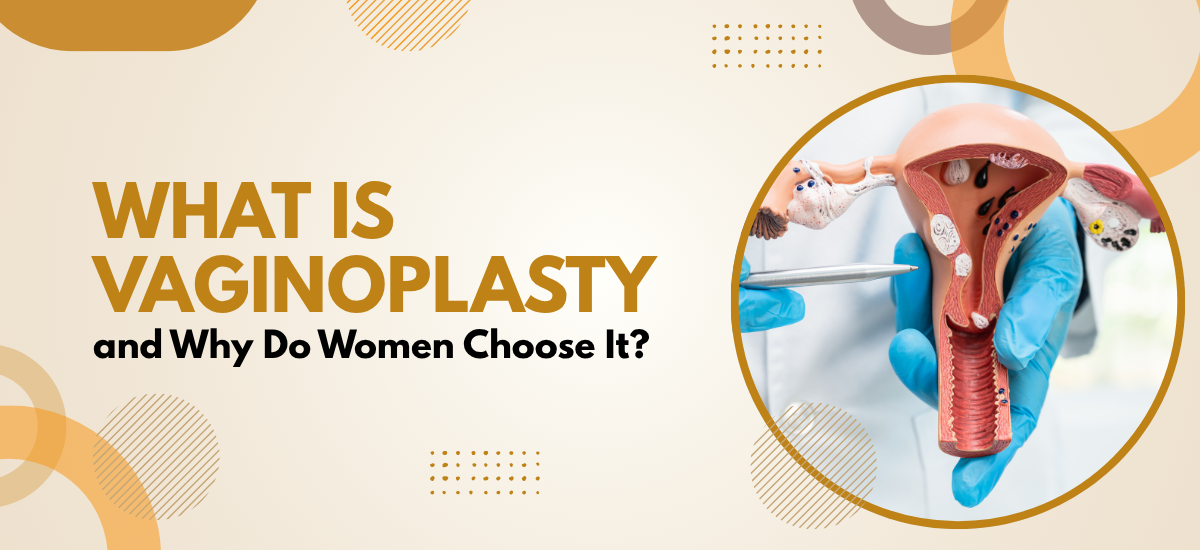
Surgical vs Laser Vaginoplasty: Better Results?

Posted on May 25, 2026May 21, 2026

Surgical & Laser Vaginoplasty are completely different approaches to vaginal rejuvenation. Surgical vaginoplasty actually tightens the vaginal canal through tissue reconstruction. Laser vaginoplasty stimulates collagen production non-surgically through controlled thermal energy. Each method addresses different concerns. Surgical handles structural laxity. Laser handles mild tightening and surface concerns. Many women confuse them thinking they’re interchangeable, they aren’t, the right choice comes down to how much actual tightening the patient needs and whether undergoing surgery feels acceptable for the result they want.

According to Dr. Monisha Kapoor, an experienced plastic surgeon in Delhi, “Surgical versus laser vaginoplasty isn’t really a question of which is better, it’s a question of what each method can actually achieve, surgical reconstruction handles significant laxity that lasers can’t touch while laser treatment works for mild concerns and surface improvement that surgery would be excessive for, picking the wrong one wastes money on something that doesn’t deliver the result patients actually want.”

Considering vaginal rejuvenation and unsure whether surgery or laser suits you better? Book Appointment

How Does Each Vaginoplasty Method Actually Work?

Surgical and laser vaginoplasty use completely different mechanisms. One is invasive structural surgery. The other is non-surgical thermal treatment. Each delivers specific results suited to specific concerns. The right method depends on what each patient’s anatomy actually needs rather than which option sounds easier or more advanced at the consultation stage.

  • Surgical Vaginoplasty Process: The surgeon removes excess vaginal tissue through carefully placed incisions inside the vagina. Underlying muscle layers get tightened. Surrounding tissue gets repositioned. The procedure happens under general anaesthesia. Recovery takes 6 to 8 weeks before resuming intimacy and strenuous activity. Results stay permanent and address significant laxity that no non-surgical option can replicate
  • Laser Vaginoplasty Process: Controlled laser energy gets delivered through a probe inserted into the vagina. The thermal effect stimulates collagen production in the vaginal wall. No incisions, no anaesthesia, no downtime. Most sessions take 15 to 20 minutes. Patients typically need 3 sessions spaced 4 to 6 weeks apart. Maintenance treatments may be needed annually to sustain the results long-term
  • Result Capability: Surgical vaginoplasty delivers significant tightening that addresses moderate to severe laxity from childbirth or ageing. Laser vaginoplasty delivers modest improvement only. The thermal stimulation tightens the surface tissue and improves moisture but won’t fix structural laxity. Patients with significant tightening needs will be disappointed if they choose laser over surgery
  • Recovery Difference: Surgical vaginoplasty needs 6 to 8 weeks of restricted activity before full healing completes. Laser vaginoplasty has essentially zero downtime. Patients return to work the same day. Sexual activity resumes within 3 to 5 days after each laser session. The recovery gap reflects how invasive each method actually is rather than how effective they are

Both methods have their place when matched correctly to patient concerns, and women exploring vaginal rejuvenation options find that picking the wrong approach produces results that don’t actually solve the original concern, leaving patients frustrated and sometimes still requiring the other method afterwards.

Surgical vs Laser Vaginoplasty: Which One Suits You?

Picking right comes down to how much tightening the patient needs first. Concerns about downtime, surgery anxiety, and budget come second. Patients exploring mommy makeover procedures often combine surgical vaginoplasty with other post-pregnancy work because doing it together makes recovery more efficient than scheduling each procedure separately months apart.

Feature

Surgical Vaginoplasty

Laser Vaginoplasty

Method

Surgical tissue reconstruction

Non-surgical thermal stimulation

Anaesthesia

General anaesthesia required

None or topical numbing only

Best Suited For

Moderate to severe laxity, post-childbirth

Mild laxity, surface improvement, dryness

Result Permanence

Permanent with lifestyle stability

1 to 2 years, needs maintenance treatments

Recovery Time

6 to 8 weeks before full activity

Same day return, 3 to 5 days for intimacy

Sessions Needed

Single surgical procedure

Typically 3 sessions spaced 4 to 6 weeks apart

Tightening Capability

Significant structural correction

Modest surface improvement only

Cost Comparison

Higher one-time cost

Lower per session, recurring maintenance cost

The right choice depends on what each patient’s anatomy actually needs rather than which option sounds easier or more advanced overall, and a deeper read on vaginoplasty pain and recovery helps women understand the surgical route better before deciding whether laser treatment alone will deliver what they’re actually looking for.

Why Choose Dr. Monisha Kapoor for Vaginoplasty Surgery ?

Dr. Monisha Kapoor is the first Indian woman aesthetic plastic surgeon admitted to the American Society of Aesthetic Plastic Surgery and a member of ISAPS, with over 15 years of dedicated cosmetic surgery practice behind her. She handles both surgical and laser vaginoplasty with proper assessment of laxity severity and realistic outcome expectations, performs careful method selection based on what the patient’s anatomy actually needs, and patients leave the consultation with the approach that genuinely fits their concern rather than the one that sounded easier.

📞 Call Now: +91 83739 84777


FAQs

Is laser vaginoplasty as effective as surgery?

No, laser handles mild laxity only, surgery delivers significant structural tightening for moderate cases.

Does laser vaginoplasty hurt?

Minimal discomfort, most patients describe it as warm sensation rather than actual pain.

How long do laser vaginoplasty results last?

Results typically last 1 to 2 years, annual maintenance sessions sustain the effect.

Can I have laser treatment after surgical vaginoplasty?

Yes, laser maintenance can complement surgical results once full healing has completed.


References

  1. American Society of Plastic Surgeons — Vaginal Rejuvenation Methods
  2. National Library of Medicine — Surgical vs Laser Vaginoplasty Outcomes

Posts pagination

Page 1 Page 2 … Page 11 Next page

Author: Dr. Monisha Kapoor

Recent Posts

  • Rhinoplasty cost in Delhi ?
  • Brow Lift vs Botox: Which Lifts Brows Better?”
  • What Is a Brow Lift and Who Are the Right Candidates?
  • What Is Lip Surgery and What Can It Correct?
  • What Is Thigh Gap Surgery and Is It Permanent?

Archives

  • June 2026
  • May 2026
  • December 2023
  • July 2023
  • April 2023
  • July 2020
  • June 2020
  • November 2019
  • August 2019
  • August 2018
  • April 2018
  • March 2018
  • January 2018
  • December 2017
  • October 2017
  • September 2017
  • July 2017
  • June 2017
  • April 2017
  • December 2016
  • November 2016
  • October 2016
  • September 2016
  • August 2016
  • July 2016
Footer – Dr. Monisha Kapoor
Plastic Surgeon · Delhi NCR
Dr. Monisha Kapoor

Dr. Monisha Kapoor

M.Ch. Plastic Surgery  ·  25+ Years of Practice  ·  10K+ Procedures

About

A practice built on precision. Board-certified plastic surgeon affiliated with the International Society of Aesthetic Plastic Surgery and the American Society of Aesthetic Plastic Surgery. Every consultation begins with listening — and every outcome is designed around your anatomy, your goals, and your vision of yourself.

Navigation

  • Dr's Desk
  • Facilities & Infrastructure
  • Blog
  • News & Updates
  • Career
  • Contact
  • Privacy Policy

Contact

18, Block J, Saket
New Delhi – 110017
011-40666307 / 08
+91 83739 84777
+91 8860851727
plasticsurgeonmonisha@gmail.com
Follow Connect

Disclaimer: The information on this website is provided for informational purposes only and is not meant to substitute the advice of your doctor or other healthcare professional. You should not use this information for diagnosing or treating a health problem or disease, or prescribing any medication. All images used are for illustrative purposes only; actual results and process may vary.

© 2026 plasticsurgeonmonisha.com All Rights Reserved

    Doctor

    Dr. Monisha Kapoor

    Delhi's Top Plastic Surgeon


    25+ Years Experience

    10,000+ Happy Customers
    Hair, Skin, Body, Face

    Book An Appointment

    WhatsApp
    HiHello 👋, welcome to Dr. Monisha Kapoor Aesthetics
    Can we help you?
    Open Chat
    Powered by Joinchat