Book An Appointment
Dr. Monisha Kapoor
  • About Us
    • Dr's Desk
    • Facilities & Infrastructure
  • Treatments
    • Hair
      • Hair Transplant
    • Body
      • Liposuction
      • Six Pack Abs
      • Hour Glass Shape
      • Brazilian Butt Lift
      • Thigh Gap
      • Full Body Lift
      • Vaginal Revitalisation
      • Hand & Feet Revitalisation
      • Tummy Tuck
      • Breast Surgery
      • Male Chest Reshaping
      • Male Chest Reduction
      • Mommy Makeover
      • Men Makeover
    • Skin
      • Zein Obegi's Skin Treatment
      • Chemical Peels
      • Hydra Facial
      • Silk Peel
      • Pelleve Skin Tightening
      • IPL Foto Facials
      • Tri Active Deka Peel
      • Tattoo Removal
      • Laser Skin Toning
      • Laser Hair Reduction
      • Full Body Polishing
      • Halo BBL
    • Face
      • Acne Scar Treatment
      • Face & Neck Lift
      • Forehead
      • Neurotoxin and Fillers
      • Brows
      • Eyes
      • Nose
      • Cheeks
      • Lips
      • Chin
      • Face Bone Alteration
      • Dimple Creation
      • Face Thinning
      • Permanent Makeup
  • Resources
    • Facilities & Infrastructure
    • Media
    • Photos
    • Blog
  • Contact Us
+91-8373984777

Blog

Recent Posts

  • What Is Labiaplasty and How Is It Different from Vaginoplasty?
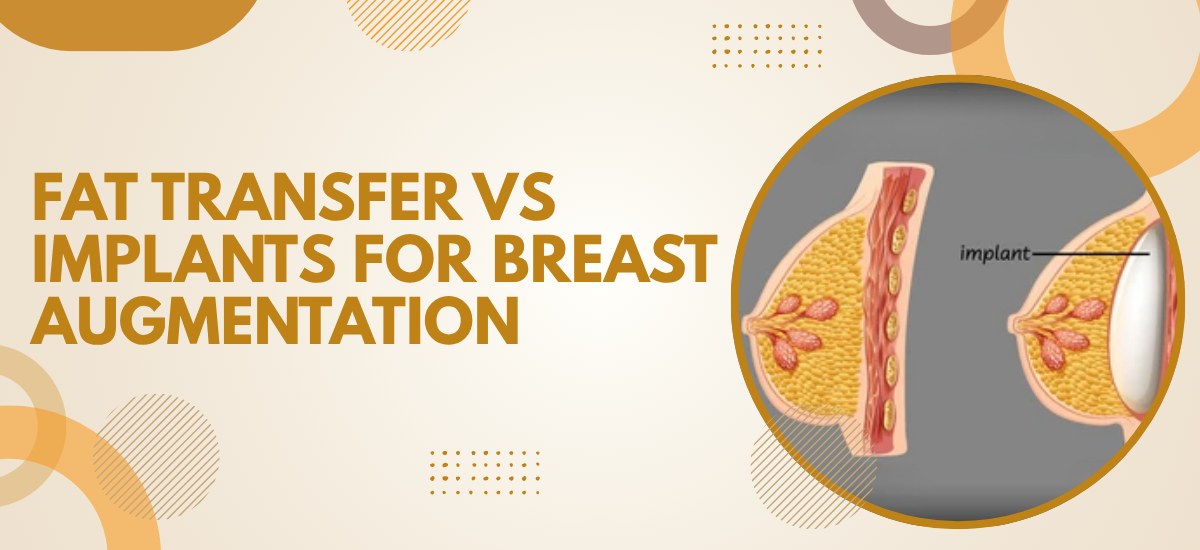
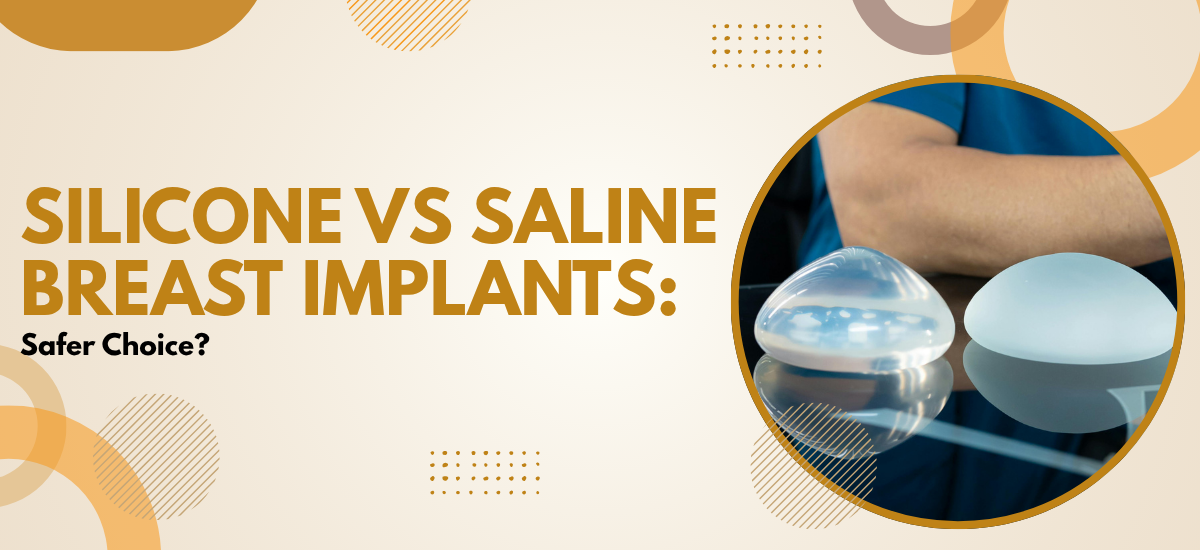
  • Breast Implants vs Breast Reduction: Which Fits You?
  • Surgical vs Non-Surgical Facelift: Real Difference
  • Liposuction vs Tummy Tuck: Which One Works for You?
  • What Is Blepharoplasty (Eyelid Surgery)?

Archives

  • May 2026
  • December 2023
  • July 2023
  • April 2023
  • July 2020
  • June 2020
  • November 2019
  • August 2019
  • August 2018
  • April 2018
  • March 2018
  • January 2018
  • December 2017
  • October 2017
  • September 2017
  • July 2017
  • June 2017
  • April 2017
  • December 2016
  • November 2016
  • October 2016
  • September 2016
  • August 2016
  • July 2016

What Is Labiaplasty and How Is It Different from Vaginoplasty?

Posted on May 6, 2026May 4, 2026

Labiaplasty is a cosmetic surgical procedure that reshapes or reduces the labia minora or labia majora, addressing physical discomfort, asymmetry, or aesthetic concerns about the external genital folds. It differs from vaginoplasty in scope and goal, since vaginoplasty tightens the internal vaginal canal and pelvic muscles to address looseness from childbirth, while labiaplasty stays external and focuses entirely on the visible labial tissue without affecting internal structure.

According to Dr. Monisha Kapoor, an experienced plastic surgeon in Delhi, “Labiaplasty and vaginoplasty get confused all the time but they’re completely different, one reshapes external folds for comfort and look, the other tightens internal muscles for function, many women only need one of them.”

Discomfort or self-consciousness about labial tissue affecting daily comfort? Book Appointment

How Does Labiaplasty Actually Work?

Procedure stays focused on external tissue, surgeon trims excess labia minora or labia majora through precise cuts, contour gets reshaped, then fine sutures close the area and dissolve naturally over weeks for a balanced symmetrical look.

  • Trim Method: Surgeon cuts away the excess outer edge of the labia minora and stitches the new edge cleanly, this is the most common technique used worldwide and gives the most predictable aesthetic result with minimal recovery time
  • Wedge Method: A V-shaped section gets removed from the centre of the labia and remaining tissue gets stitched together, the natural pigmented border stays preserved for women who want the original edge appearance retained
  • Labia Majora Reduction: Excess outer fat or skin gets removed to address fullness or sagging that develops with age or weight changes, this part addresses bulging visible through tight clothing rather than internal discomfort
  • Combined Approach: Some patients get both labia minora and majora addressed in one session for full aesthetic balance, recovery time stays similar to single-area work and combining both areas avoids needing a second surgery later

So labiaplasty stays focused on external genital aesthetics, and many patients explore vaginal rejuvenation options before deciding what suits their actual concerns.

How Is Labiaplasty Different from Vaginoplasty?

Both procedures target post-childbirth or age-related changes but address completely different anatomy, women considering either alone or as part of a mommy makeover need to understand what each surgery actually solves.

Feature

Labiaplasty

Vaginoplasty

Area Treated

External labia minora or majora

Internal vaginal canal and muscles

Main Concern Addressed

Asymmetry, discomfort, appearance

Looseness, reduced sensation, incontinence

Surgery Duration

1 to 2 hours

2 to 3 hours

Recovery Time

About 1 week

6 to 8 weeks

Resume Intimacy

4 to 6 weeks

6 to 8 weeks

Anaesthesia

Local or general

General

Best Suited For

Women with visible labial asymmetry or friction

Post-childbirth women with internal looseness

Combination Option

Often paired with mommy makeover

Often part of mommy makeover

Most women researching either procedure benefit from understanding both options before choosing, and a wider read on vaginoplasty helps clarify which surgery matches the actual symptoms each patient is dealing with.

Why Choose Dr. Monisha Kapoor

Dr. Monisha Kapoor is the first Indian woman aesthetic plastic surgeon admitted to the American Society of Aesthetic Plastic Surgery and a member of ISAPS, with over 15 years of dedicated cosmetic surgery practice behind her. She works every labiaplasty case with discretion, attention to symmetry, and respect for sensitive concerns women rarely talk about openly, and that’s why patients walk out comfortable with both physical results and the entire experience.

📞 Call Now: +91 83739 84777


FAQs

How long does labiaplasty take to perform?

The procedure typically takes 1 to 2 hours under local or general anaesthesia.

Is labiaplasty recovery painful?

Mild soreness for the first week, well-managed with prescribed pain medication.

When can intimacy resume after labiaplasty?

Sexual activity typically resumes after 4 to 6 weeks of complete healing.

Does labiaplasty leave visible scars?

Sutures dissolve naturally and final scars are barely visible after healing.


References

  1. American Society of Plastic Surgeons — Labiaplasty Overview
  2. National Library of Medicine — Labiaplasty Surgical Techniques

Breast Implants vs Breast Reduction: Which Fits You?

Posted on May 6, 2026May 5, 2026

Rhinoplasty recovery happens in stages over several months, with the most visible swelling and bruising fading within the first 2 to 3 weeks while subtle changes continue settling over the next 6 to 12 months. Most patients return to social activities within 14 days, but the final refined shape takes nearly a year to fully reveal as deeper tissue swelling slowly subsides and the nose settles into its new contour permanently.

According to Dr. Monisha Kapoor, an experienced plastic surgeon in Delhi, “Recovery isn’t one phase, it moves through stages, the first two weeks handle visible swelling and bruising while deeper internal swelling takes months to settle, patience during this stretch decides how natural the final result looks.”

Considering rhinoplasty and want a clear picture of what recovery looks like? Book Appointment

What Happens During the First Month of Recovery?

First month covers the bulk of visible healing, swelling peaks early then drops fast, bruising shifts from purple to yellow, splints come off, most patients head back to non-strenuous routines while deeper healing continues quietly underneath.

  • Week 1: Splint and tape stay on, bruising and swelling peak around days 3 to 5, breathing through the nose feels blocked from internal swelling and dressings, mild pain stays well-managed with prescribed medication
  • Week 2: Splint and external sutures come off around day 7, visible bruising shifts from purple to yellow tones, swelling drops noticeably, social activities resume though the nose still looks slightly puffy at this point
  • Week 3: Bruising clears almost fully and swelling drops further, breathing through the nose improves a lot, light walking gets cleared though strenuous workouts and contact sports stay off-limits for several more weeks
  • Week 4: Major visible swelling subsides, the nose looks closer to expected shape but stays slightly puffy especially around the tip, makeup fully covers any leftover discolouration and patients feel comfortable going back to normal social settings

The first month covers the most dramatic visible recovery, and most patients exploring nose surgery options find this stretch the most demanding both physically and emotionally before steady improvement starts showing.

What Happens After Month One Through Final Healing?

Recovery slows a lot after the first month, residual swelling keeps hiding subtle features especially at the nose tip, refined contour reveals slowly across months, final shape only locks in after deeper internal tissues fully settle.

  • Month 2 to 3: Tip swelling stays present but only the patient and surgeon notice it now, breathing fully normalises, contact sports and strenuous workouts get cleared, the shape continues refining as deeper tissue swelling reduces gradually
  • Month 4 to 6: Residual swelling fades and the nose looks close to its final shape, photographs taken now resemble the eventual outcome, this is also when patients combining rhinoplasty with a face and neck lift see overall facial proportion settling together
  • Month 7 to 12: Last bit of tip swelling fades, the nose reveals its truly final refined contour, scarring inside the nostrils completes its remodelling, the result that holds permanently is now visible
  • Beyond 12 Months: Results stay stable for life unless major facial trauma or aggressive ageing changes affect the surrounding facial structure, sun protection and good skincare keep the surrounding skin behaving consistently with the surgical result

Full rhinoplasty healing extends across a year despite social recovery feeling complete much sooner, and a deeper read on rhinoplasty recovery helps patients prepare for both the timeline and the patience the long phase actually requires.

Why Choose Dr. Monisha Kapoor

Dr. Monisha Kapoor is the first Indian woman aesthetic plastic surgeon admitted to the American Society of Aesthetic Plastic Surgery and a member of ISAPS, with over 15 years of dedicated cosmetic surgery practice behind her. She works every rhinoplasty case with detailed post-op guidance and continued recovery monitoring across the full year, and that’s why patients move through healing with clear expectations and confidence in the final result.

📞 Call Now: +91 83739 84777


FAQs

When can I exercise after rhinoplasty?

Light walking after 2 weeks, full workouts allowed after 6 to 8 weeks.

How long does swelling last after rhinoplasty?

Visible swelling fades in 4 weeks, residual swelling settles over 12 months.

When can I wear glasses after rhinoplasty?

Avoid resting glasses on the nose for at least 4 to 6 weeks.

Is rhinoplasty pain manageable at home?

Yes, mild pain stays well-controlled with prescribed medication and cold compresses.


References

  1. American Society of Plastic Surgeons — Rhinoplasty Recovery Overview
  2. National Library of Medicine — Rhinoplasty Healing Timeline

Surgical vs Non-Surgical Facelift: Real Difference

Posted on May 6, 2026May 5, 2026

Surgical facelift is a permanent rejuvenation procedure that lifts deeper tissue layers, removes excess skin, and reshapes facial contours through hidden incisions, while non-surgical facelift uses dermal fillers, thread lifts, Botox, or energy-based devices to refresh appearance without any cuts. The right choice depends on whether someone has significant sagging that needs structural correction or only mild laxity that responds to volume restoration and skin tightening from outside.

According to Dr. Monisha Kapoor, an experienced plastic surgeon in Delhi, “Non-surgical facelift isn’t a replacement for surgery, it’s a different category, fillers and threads work on early ageing while real sagging needs structural lifting that only surgery can deliver.”

Stuck between surgery and non-surgical options for facial rejuvenation? Book Appointment

How Does Each Procedure Actually Work?

Two different categories entirely, surgical facelift rebuilds the deeper support structure while non-surgical methods refresh the surface through volume and energy treatments, the techniques each handles suit different stages of facial ageing.

  • Surgical Facelift: Cuts go along the hairline and behind the ears, deep tissue layers get repositioned upward, excess skin gets trimmed, the changes hold permanently for 10 to 15 years once healing wraps up across several months
  • Dermal Fillers: Hyaluronic acid filler goes into hollow zones around cheeks, tear troughs, and jawline, volume gets restored where ageing caused fat loss, results show within minutes and last 12 to 18 months
  • Thread Lift: Dissolvable threads slide under the skin to lift sagging cheeks and jowls through tiny puncture points, collagen production gets triggered underneath and effects last 12 to 18 months naturally
  • Energy-Based Treatments: Radiofrequency or ultrasound devices heat the deeper skin layers to stimulate collagen production over months, no incisions and no recovery though multiple sessions are needed before visible results show

Both categories solve different problems through completely different methods, and most patients exploring face and neck lift options find that severity of sagging decides which approach delivers the actual result they want.

Surgical vs Non-Surgical Facelift: Which One Suits You?

Picking right comes down to skin laxity, age, and result expectations rather than just preference, patients exploring fillers or surgical correction need to understand exactly what each approach can and cannot deliver for their specific concern.

Feature

Surgical Facelift

Non-Surgical Facelift

Method

Surgical lift of deeper tissue and skin

Fillers, threads, RF, or ultrasound

Anaesthesia

General anaesthesia

Topical numbing or none

Procedure Duration

3 to 5 hours

30 to 60 minutes

Recovery Time

2 to 3 weeks

No downtime

Result Permanence

10 to 15 years

6 to 18 months

Best Suited For

Significant sagging, jowls, deep folds

Early ageing, mild laxity, volume loss

Result Visibility

Gradual over 3 to 6 months

Immediate to 4 to 6 weeks

Cost Long-Term

Higher one-time cost

Lower per session, recurring expense

Picking right comes down to a clear assessment of skin condition and ageing stage, and a deeper read on facelift helps patients understand whether surgical reshaping is worth the recovery or whether non-surgical refreshes can realistically deliver what they need.

Why Choose Dr. Monisha Kapoor

Dr. Monisha Kapoor is the first Indian woman aesthetic plastic surgeon admitted to the American Society of Aesthetic Plastic Surgery and a member of ISAPS, with over 15 years of dedicated cosmetic surgery practice behind her. She handles both surgical facelifts and non-surgical rejuvenation with attention to facial proportion and clear patient guidance, and that’s why patients leave with the right procedure choice rather than the more invasive or more expensive one.

📞 Call Now: +91 83739 84777


FAQs

Can non-surgical facelift replace surgical facelift?

No, fillers and threads cannot correct significant sagging or deep skin laxity.

Which option lasts longer?

Surgical facelift lasts 10 to 15 years, non-surgical lasts 6 to 18 months.

Is non-surgical facelift painful?

Mild discomfort during injections, well-managed with topical numbing cream beforehand.

Can surgical and non-surgical be combined?

Yes, many patients add fillers or Botox to maintain post-surgical results longer.


References

  1. American Society of Plastic Surgeons — Facelift Overview
  2. National Library of Medicine — Non-Surgical Facial Rejuvenation Outcomes

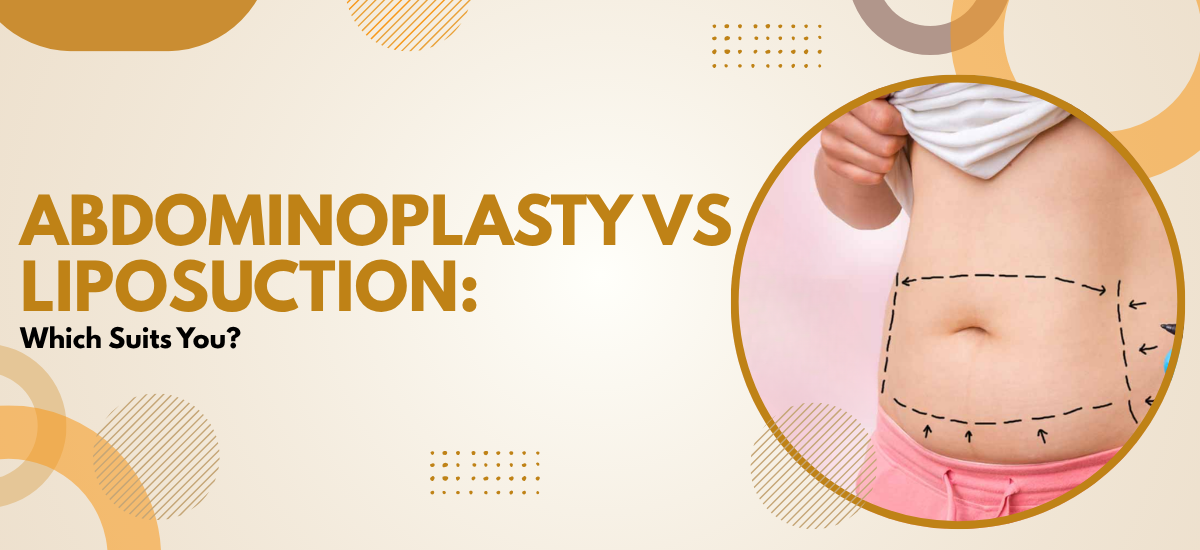
Liposuction vs Tummy Tuck: Which One Works for You?

Posted on May 6, 2026May 5, 2026

Liposuction is a body contouring procedure that suctions out stubborn fat from targeted areas without removing skin or muscle, while tummy tuck removes excess abdominal skin, repairs separated muscles, and trims fat to flatten the midsection completely. The right choice depends on whether someone has loose skin and muscle separation post-pregnancy or just localised fat deposits with firm intact skin that hasn’t stretched out from weight changes or childbirth.

According to Dr. Monisha Kapoor, an experienced plastic surgeon in Delhi, “Liposuction and tummy tuck get treated as alternatives but they’re not, one removes fat, the other rebuilds the abdominal wall, picking based on what the body actually needs gives way better results than picking based on what sounds easier.”

Loose belly skin or stubborn fat that won’t shift no matter what you try? Book Appointment

How Does Each Procedure Actually Work?

Two completely different approaches, liposuction targets fat alone through small puncture cuts and a suction cannula, tummy tuck rebuilds the entire abdominal wall through a horizontal hip-to-hip cut, the methods don’t overlap at all in terms of what gets fixed.

  • Liposuction Process: Cannula goes in through tiny puncture points, fat cells get broken up and suctioned out, skin and muscle stay completely untouched, recovery lasts 2 to 3 weeks with compression garments worn underneath clothes
  • Tummy Tuck Process: Long horizontal cut goes low across the belly, surgeon lifts the skin, sews separated muscles back together, removes excess skin and fat, repositions the navel, recovery needs 4 to 6 weeks of restricted movement
  • Anaesthesia Difference: Liposuction can run under local anaesthesia or light sedation for smaller areas, tummy tuck always needs general anaesthesia given the duration and depth of the procedure across the abdominal wall
  • Scar Comparison: Liposuction leaves only tiny puncture marks that fade quickly, tummy tuck leaves a long horizontal scar low on the bikini line that fades over 12 to 18 months but never fully disappears

So both procedures fix completely different problems, and most patients explore liposuction options before realising whether their concern is fat alone or also includes skin laxity that needs surgical correction.

Liposuction vs Tummy Tuck: Which One Suits Your Body?

Picking right comes down to skin condition, muscle separation, and weight stability rather than just appearance, women considering either alone or as part of a tummy tuck need to understand exactly what each procedure can and cannot do.

Feature

Liposuction

Tummy Tuck

What It Removes

Stubborn fat only

Skin, fat, and tightens muscles

Best For

Firm skin with localised fat pockets

Loose skin, diastasis recti, post-pregnancy

Anaesthesia

Local sedation or general

General anaesthesia

Procedure Duration

1 to 2 hours

3 to 5 hours

Recovery Time

2 to 3 weeks

4 to 6 weeks

Scar Visibility

Tiny puncture marks, barely visible

Low horizontal scar, fades over time

Muscle Repair

Not addressed

Diastasis recti repaired

Fat Returning Risk

Removed cells don’t return

Fat removed permanently

Picking right comes down to a clear assessment of skin elasticity, muscle separation, and overall body goals, and a deeper read on tummy tuck candidates helps women understand whether their concerns need full abdominal reconstruction or only fat removal.

Why Choose Dr. Monisha Kapoor

Dr. Monisha Kapoor is the first Indian woman aesthetic plastic surgeon admitted to the American Society of Aesthetic Plastic Surgery and a member of ISAPS, with over 15 years of dedicated cosmetic surgery practice behind her. She handles both liposuction and tummy tuck with attention to body proportion and clear patient guidance, and that’s why patients leave with the right procedure choice rather than the more visible or invasive one.

📞 Call Now: +91 83739 84777


FAQs

Can liposuction tighten loose skin?

No, liposuction removes fat only and cannot address significant skin laxity.

Is a tummy tuck better than liposuction?

Neither is better, the right choice depends on individual body concerns.

Can both procedures be combined together?

Yes, combining liposuction with tummy tuck gives complete abdominal contouring results.

Which procedure has longer recovery?

Tummy tuck recovery takes 4 to 6 weeks compared to 2 to 3 weeks.


References

  1. American Society of Plastic Surgeons — Liposuction Overview
  2. National Library of Medicine — Tummy Tuck and Liposuction Comparison

What Is Blepharoplasty (Eyelid Surgery)?

Posted on May 5, 2026May 4, 2026

Blepharoplasty, commonly known as eyelid surgery, is a cosmetic procedure that removes excess skin, fat, and weakened muscle from the upper or lower eyelids to correct sagging, puffiness, and tired-looking eyes. The procedure suits adults dealing with droopy upper lids that affect vision, persistent under-eye bags, fine wrinkles around the eyes, or hooded lids that age the face beyond its actual years.

According to Dr. Monisha Kapoor, an experienced plastic surgeon in Delhi, “Eyelid surgery isn’t cosmetic vanity, it takes ten years off the face faster than anything else, eyes carry visible ageing first and fixing them resets how the whole face reads.”

Tired-looking eyes or hooded lids that make you look exhausted? Book Appointment

How Does Blepharoplasty Actually Work?

Two areas need two approaches, upper lid work removes hooded skin through a hidden crease cut while lower lid work clears under-eye bags through cuts inside the lid or just below lash lines.

  • Upper Eyelid Surgery: Cut goes along the natural crease of the upper eyelid, hanging skin gets cut away and fat pockets get repositioned or removed if puffy, the scar hides inside the natural fold once healing settles so no one can see where the cut went
  • Lower Eyelid Surgery: Cut goes either inside the lower lid or just below the lash line depending on whether skin needs trimming or only fat repositioning, under-eye bags caused by herniated fat get smoothed out and this part removes the chronically tired look most people associate with ageing
  • Transconjunctival Approach: Younger patients with fat bags but no excess skin get a scarless approach, the cut goes inside the lower lid lining with no visible mark afterwards, recovery moves faster since the skin surface stays untouched throughout
  • Combined Quad Surgery: Some patients get all four lids done together when ageing affects upper and lower areas symmetrically, the result reads more balanced when both halves get addressed in one session and recovery time stays similar to single-area work despite the larger procedure

So eyelid surgery handles different concerns through different cut placements, and most patients combine their eye surgery with smaller refinements for a fuller refreshed appearance.

Who Should Consider Blepharoplasty?

Condition usually develops slowly, skin loosens over years, fat shifts and pads settle, most patients only notice once friends start asking why they look tired even after sleeping well.

  • Hooded Upper Lids: Excess skin overhangs the natural eyelid crease, sometimes resting on the lashes and blocking part of the upper field of vision, not just cosmetic since severe cases get partial insurance coverage when vision impairment is documented
  • Persistent Under-Eye Bags: Fat pads under the eyes herniate forward over time, permanent puffiness that no concealer or sleep can fix because the cause is structural rather than tiredness or hydration
  • Tired Look Despite Rest: Patients who sleep adequately and still look exhausted in photos, the cause is usually anatomical changes around the eye area rather than actual fatigue, eyelid surgery resolves this when skincare and topical treatments don’t move the needle
  • Combination With Forehead Concerns: Many patients combine eyelid work with forehead surgery or brow lift since heavy brows often contribute to upper lid hooding, treating both together gives a more balanced eye area than fixing just one half

Eyelid surgery is one of the highest-impact procedures for facial rejuvenation, and a wider read on facelift options helps patients understand how eye work pairs with broader facial procedures for fuller results.

Why Choose Dr. Monisha Kapoor

Dr. Monisha Kapoor is the first Indian woman aesthetic plastic surgeon admitted to the American Society of Aesthetic Plastic Surgery and a member of ISAPS, with over 15 years of dedicated cosmetic surgery practice behind her. She works every blepharoplasty case with attention to scar invisibility, natural eye shape preservation, and balanced upper-lower coordination, and that’s why patients walk out looking rested rather than operated on.

📞 Call Now: +91 83739 84777


FAQs

Is blepharoplasty painful?

Mild discomfort and tightness for the first week, well-managed with prescribed medication.

How long is blepharoplasty recovery?

Most patients return to social activities within 10 to 14 days.

Are blepharoplasty results permanent?

Upper eyelid results often last 10 years, lower lid results are usually permanent.

Will eyelid surgery leave visible scars?

Scars hide inside natural creases or below lash lines, almost invisible after healing.


References

  1. American Society of Plastic Surgeons — Eyelid Surgery Overview
  2. National Library of Medicine — Blepharoplasty Techniques and Outcomes

What Is Gynecomastia Surgery and Who Needs It?

Posted on May 5, 2026May 4, 2026

Gynecomastia surgery is a male chest reduction procedure that removes excess breast tissue, glandular swelling, and stubborn fat from the chest area. The procedure suits men with persistent enlarged breasts caused by hormonal imbalance, certain medications, genetics, or weight changes, especially those whose chest contour hasn’t improved despite consistent diet, exercise, or weight loss efforts.

According to Dr. Monisha Kapoor, an experienced plastic surgeon in Delhi, “Gynecomastia isn’t a weight problem, it’s a glandular issue, that’s why working out doesn’t fix it, the only real solution for actual gynecomastia is surgical removal of the affected tissue.”

Embarrassed about your chest contour despite working out and dieting? Book Appointment

How Does Gynecomastia Surgery Actually Work?

Surgery handles two issues at once. Glandular tissue gets cut out, stubborn fat gets suctioned, and the chest flattens into a defined masculine shape once swelling subsides.

  • Tissue Excision: Surgeon makes a small incision around the areola, glandular tissue underneath gets carefully removed since this part doesn’t respond to weight loss or workouts at all. Removing the gland is what permanently fixes true gynecomastia, anything less leaves the issue in place
  • Liposuction: Excess fat around the chest gets suctioned out through tiny puncture points, contour gets refined to match the natural pectoral muscle definition. Most cases combine liposuction with gland excision for cleaner results, fat alone rarely causes the condition
  • Skin Tightening: Severe cases with significant skin laxity may need skin removal alongside fat and tissue work, especially after major weight loss or longstanding gynecomastia. Younger patients with elastic skin usually skip this step since the skin retracts naturally
  • Nipple Reshaping: Areola may be repositioned and reduced for proportion if it stretched out from the previous swelling, the goal is a tight masculine chest contour throughout. This part matters for men with prolonged gynecomastia where the areola enlarged over years

So gynecomastia surgery rebuilds the chest by addressing both gland and fat together, and most men explore male chest reduction options after years of trying workouts and diets that never produce real change.

Who Actually Needs Gynecomastia Surgery?

The men coming in are usually those who’ve tried everything else first. Diet, exercise, weight loss, hormonal medications, all attempted across years before surgery becomes the considered option.

  • True Gynecomastia: Men with actual glandular breast tissue rather than just chest fat, the difference being a firm rubbery lump felt under the nipple area. Workouts can’t shrink glands, only surgery removes them, that’s why this group benefits most directly
  • Pseudogynecomastia: Men with chest fullness from fat alone respond well to liposuction without needing gland excision, this is more common in overweight patients carrying weight on the chest. Diet and exercise help here, but stubborn pockets often still need surgical refinement
  • Hormonal Imbalance Cases: Teenagers and adults with persistent gynecomastia from puberty hormones or thyroid issues that didn’t resolve naturally over time, surgery becomes the option once underlying causes are managed. Many wait years hoping it resolves itself
  • Post-Weight-Loss Men: Major weight loss often leaves loose skin and residual breast tissue across the chest, similar to issues addressed during male chest reshaping for body contouring. Bariatric patients commonly need this combined approach

Most men carry this concern silently for years before deciding to address it, and a wider read on plastic surgery helps clarify how surgical correction actually changes both physical contour and daily confidence.

Why Choose Dr. Monisha Kapoor

Dr. Monisha Kapoor is the first Indian woman aesthetic plastic surgeon admitted to the American Society of Aesthetic Plastic Surgery and a member of ISAPS, with over 15 years of dedicated cosmetic surgery practice behind her. She works every gynecomastia case with attention to discreet incision placement, full glandular removal, and natural masculine chest definition, and that’s why male patients walk out with flat, confident contours that finally match how they wanted to look.

📞 Call Now: +91 83739 84777


FAQs

Is gynecomastia surgery permanent?

Yes, removed glandular tissue does not regrow once surgically excised properly.

How long is gynecomastia recovery?

Most patients return to normal activities within 2 to 3 weeks comfortably.

Will I need to wear compression garments?

Yes, compression vests are worn for 4 to 6 weeks post-surgery.

Are gynecomastia scars visible?

Scars sit around the areola edge and fade significantly within 6 months.


References

  1. American Society of Plastic Surgeons — Gynecomastia Surgery Overview
  2. National Library of Medicine — Surgical Management of Gynecomastia

What Is a Mommy Makeover and What Does It Include?

Posted on May 5, 2026May 4, 2026

A mommy makeover is a combination of cosmetic procedures performed together to reverse the physical changes pregnancy and breastfeeding leave on a woman’s body. It typically includes a tummy tuck, breast surgery, liposuction, and sometimes vaginoplasty, suiting mothers done having children who want to address loose skin, deflated breasts, stubborn belly fat, and core muscle separation in a single recovery period.

According to Dr. Monisha Kapoor, an experienced plastic surgeon in Delhi, “Mommy makeover isn’t one surgery, it’s a planned set of procedures done together, the real benefit is one recovery instead of recovering separately for each part over years.”

Post-pregnancy body changes that diet and exercise can’t reverse? Book Appointment

What Procedures Make Up a Mommy Makeover?

Each mother’s body changes differently after pregnancy. Combination gets tailored to individual concerns, but core procedures that typically go in address abdomen, breasts, and stubborn fat together.

  • Tummy Tuck: Loose abdominal skin gets cut away, separated muscles get sewn back into alignment, diastasis recti most women carry after pregnancy gets fixed. Usually the centerpiece of the makeover since the abdomen takes the biggest hit during pregnancy
  • Breast Surgery: Augmentation, lift, or reduction depending on what breastfeeding and pregnancy left behind. Deflated breasts get volume back or sagging breasts get lifted, many women combine implants with a lift since both volume loss and sagging usually happen together
  • Liposuction: Stubborn fat across the flanks, hips, thighs, or upper back gets suctioned out, areas that don’t shift no matter how much workout or diet a mother puts in. Combined liposuction during the makeover refines body contours that tummy tuck alone wouldn’t reach
  • Vaginoplasty Add-On: Some women add vaginal tightening to the package, post-childbirth laxity gets addressed alongside everything else through a mommy makeover plan. Optional part, depends on the patient’s specific concerns

So the makeover isn’t a fixed package, and most patients build a customised plan during consultation based on what pregnancy specifically did to their body and which areas bother them most.

When Should Mothers Consider a Mommy Makeover?

Timing matters more than most patients realise. Right point for surgery depends on whether the family is complete, weight has stabilised, and the body has finished its natural post-pregnancy recovery.

  • Done Having Children: Future pregnancy stretches abdominal skin and muscles again, undoing tummy tuck results, most surgeons recommend waiting until family planning is complete before scheduling. Same applies to breast surgery, future breastfeeding can affect implant position and breast shape
  • Stable Weight: Mothers should be at a stable weight for at least 6 months before surgery. Weight fluctuations afterward stretch the repaired tissue and reverse some of what surgery achieved, final results hold longer when the body sits at its long-term stable weight
  • 6 Months Postpartum: Surgery typically gets scheduled at least 6 months after delivery, hormones need time to settle, breastfeeding needs to stop, natural skin retraction needs to finish. Operating earlier than that often produces less stable results
  • Recovery Support Ready: Mothers need someone to help with childcare and household tasks for at least 2 to 3 weeks post-surgery, lifting children or heavy items isn’t allowed during early recovery. Many women plan their tummy tuck and combined makeover around school holidays or family availability

Recovery from combined surgery feels easier than scattered procedures over years, and a deeper read on tummy tuck candidates helps mothers understand what the abdominal portion of the makeover involves before committing to the full plan.

Why Choose Dr. Monisha Kapoor

Dr. Monisha Kapoor is the first Indian woman aesthetic plastic surgeon admitted to the American Society of Aesthetic Plastic Surgery and a member of ISAPS, with over 15 years of dedicated cosmetic surgery practice behind her. She works every mommy makeover case with attention to balanced proportions, safe combination planning, and recovery efficiency, and that’s why mothers walk out with comprehensive results that genuinely restore pre-pregnancy confidence.

📞 Call Now: +91 83739 84777


FAQs

How long is mommy makeover recovery?

Most patients return to normal activities within 4 to 6 weeks comfortably.

Is a mommy makeover safe to combine?

Yes, combining procedures is safe when planned by a qualified plastic surgeon.

When can I lift my child after surgery?

Avoid lifting children for at least 4 to 6 weeks post-surgery.

Will a mommy makeover affect future pregnancy?

Yes, future pregnancy can reverse abdominal results and affect breast shape.


References

  1. American Society of Plastic Surgeons — Mommy Makeover Overview
  2. National Library of Medicine — Combined Cosmetic Procedures Outcomes

What Is Vaginoplasty and Why Do Women Choose It?

Posted on May 5, 2026May 4, 2026

Vaginoplasty is a surgical procedure that tightens the vaginal canal and surrounding muscles, repairing tissue laxity that develops after childbirth or natural ageing. It restores muscle tone, narrows the vaginal opening, improves comfort during physical activity and intimacy, and is chosen by women dealing with reduced sensation, urinary stress incontinence, or post-pregnancy looseness that doesn’t resolve through pelvic exercises alone.

According to Dr. Monisha Kapoor, an experienced plastic surgeon in Delhi, “Vaginoplasty isn’t a vanity thing, it’s a functional repair, women lose tissue and muscle support through pregnancy and time, and getting that back affects daily life far more than people assume.”

Discomfort, looseness, or post-childbirth changes affecting confidence? Book Appointment

How Does Vaginoplasty Actually Work?

Precise cuts get made inside the vaginal wall, stretched muscles pull back together and stitch up, extra tissue trims off, then the canal narrows back into firmer support once healing settles.

  • Muscle Tightening: Stretched muscles get stitched back into their original alignment, the natural support structure that loosened during childbirth gets restored. This part fixes the actual cause of laxity rather than just trimming tissue, results stay more stable long-term that way
  • Tissue Trimming: Extra vaginal lining gets carefully cut away, the canal narrows down to a firmer dimension closer to pre-childbirth state. Amount removed varies based on each patient’s anatomy and what they want discussed during consultation
  • Perineal Repair: Surgeon rebuilds the area between the vaginal opening and the anus, repairing muscle support that often weakens during delivery. Many women add this step since both areas tend to lose tone together over the years
  • Sensation Restoration: Tighter muscles and a smaller canal often bring back sensation during intimacy, what got lost gradually after childbirth or repeated stretching comes back. Results vary patient to patient depending on tissue quality at the time of surgery

So vaginoplasty rebuilds the structural support women lose post-childbirth, and many patients explore vaginal rejuvenation options before deciding whether full surgical correction is the right path.

Why Do Women Actually Choose Vaginoplasty?

Reasons women come in are rarely cosmetic alone, the decision usually mixes physical discomfort, function issues, and quality-of-life concerns built up over years of trying to manage them naturally.

  • Post-Childbirth Changes: Multiple vaginal deliveries leave permanent stretching and reduced muscle tone, pelvic floor exercises don’t fully fix it especially after large babies or assisted deliveries. Most women considering surgery have been doing Kegels for years without satisfying results
  • Stress Incontinence: Leaking urine while exercising, sneezing, or laughing happens because pelvic muscles weaken, vaginoplasty often addresses this alongside the cosmetic concern. Many patients are surprised to find the leakage stops after surgery
  • Reduced Sensation: Loss of intimate sensation due to looseness affects confidence and relationships, this is one of the quiet motivations women rarely bring up openly until consultation. Surgery brings tone back and often improves the experience for both partners
  • Mommy Makeover Combination: Many women combine vaginoplasty with breast or abdominal procedures as part of a mommy makeover to reverse multiple post-pregnancy changes in one recovery period. Combined recovery is often easier than spreading procedures apart

Most patients carry these concerns silently for years before deciding to address them, and a deeper read on plastic surgery helps clarify what surgical correction actually delivers physically and emotionally.

Why Choose Dr. Monisha Kapoor

Dr. Monisha Kapoor is the first Indian woman aesthetic plastic surgeon admitted to the American Society of Aesthetic Plastic Surgery and a member of ISAPS, with over 15 years of dedicated cosmetic surgery practice behind her. She works every vaginoplasty case with discretion, attention to anatomical detail, and respect for sensitive concerns women rarely talk about openly, and that’s why patients walk out feeling confident in both function and result.

📞 Call Now: +91 83739 84777


FAQs

Is vaginoplasty a painful procedure?

Mild discomfort and soreness for the first week, well-managed with prescribed medication.

How long is vaginoplasty recovery?

Most patients return to work within 1 to 2 weeks comfortably.

When can intimacy resume after vaginoplasty?

Sexual activity typically resumes after 6 to 8 weeks of complete healing.

Are vaginoplasty results permanent?

Yes, results are long-lasting unless future childbirth or major weight changes occur.


References

  1. American Society of Plastic Surgeons — Vaginal Rejuvenation Overview
  2. National Library of Medicine — Vaginoplasty Procedure and Outcomes

What Is Breast Reduction Surgery and When Is It Needed?

Posted on May 5, 2026May 4, 2026

Breast reduction, medically known as reduction mammoplasty, is a surgical procedure that removes excess breast tissue, fat, and skin to create smaller, lighter, and better-proportioned breasts. It’s needed by women dealing with chronic back pain, neck strain, shoulder grooves from bra straps, posture problems, or skin irritation under the breasts caused by disproportionately large breast size.

According to Dr. Monisha Kapoor, an experienced plastic surgeon in Delhi, “Breast reduction isn’t a cosmetic indulgence, it’s often a medical necessity, since carrying excessive weight on the chest wears down posture and quality of life over years in ways most people don’t realise until after surgery.”

Constant back pain or shoulder grooves from heavy breasts? Book Appointment

What Exactly Happens During Breast Reduction Surgery?

Surgeon makes incisions around the areola and down the breast, excess tissue and skin gets removed, the nipple shifts to a higher natural position, then everything closes into a smaller lifted shape.

  • Tissue Removal: Surgeon takes out excess glandular tissue and fat through anchor or lollipop incisions, the volume drops down to whatever size suits the patient’s frame and chest wall. This part addresses the actual weight burden, lighter chest means less spinal compression and immediate posture relief
  • Nipple Repositioning: Areola and nipple shift upward to align with the new smaller breast shape, the surgeon either keeps them attached to underlying tissue or detaches and grafts depending on size reduction. Larger reductions sometimes need free nipple grafting which affects future breastfeeding plans
  • Skin Tightening: Excess skin gets removed alongside the tissue, remaining skin pulls tight over the new smaller breast volume. This avoids any sagging post-surgery that would otherwise undo the lift naturally created by the reduction
  • Symmetry Correction: Breast asymmetry that women often live with for years gets corrected during the same procedure, both sides reshape to match in size and projection. Many patients realise post-surgery they had bigger asymmetry than they thought, the difference becomes obvious only after balancing

So a reduction goes well beyond size change, and many patients exploring breast surgery for size or shape concerns find that reduction also addresses long-standing physical complaints.

When Is Breast Reduction Actually Needed?

Reduction isn’t elective in the traditional sense, the symptoms driving most women to consider it are physical and quality-of-life problems that don’t go away on their own no matter what posture work or weight loss they try.

  • Chronic Pain: Persistent back, neck, and shoulder pain caused by excessive breast weight pulling forward on the spine and upper back. Pain doesn’t ease with painkillers or physiotherapy long term, surgery addresses the actual root cause rather than masking symptoms
  • Posture Damage: Hunched shoulders and forward head posture develop over years of carrying heavy breast tissue, the spine compensates by curving in ways that cause permanent damage if untreated. Younger patients often see dramatic posture improvement post-surgery
  • Bra Strap Grooves: Deep indentations on the shoulders from bra straps digging in under the weight of large breasts, sometimes the grooves become permanent. Skin chafing and rashes under the breast fold also become chronic for many women dealing with this
  • Mobility Limits: Difficulty exercising, running, or even doing daily tasks because of the discomfort and movement restriction caused by breast size, this is similar to what affects men with male chest reduction needs. Lifestyle changes often follow surgery once movement gets easier

Most women considering reduction have been carrying these problems for years before deciding on surgery, and reading about the realities of plastic surgery helps clarify what reduction actually delivers physically and emotionally.

Why Choose Dr. Monisha Kapoor

Dr. Monisha Kapoor is the first Indian woman aesthetic plastic surgeon admitted to the American Society of Aesthetic Plastic Surgery and a member of ISAPS, with over 15 years of dedicated cosmetic surgery practice behind her. She works every reduction case with attention to scar placement, nipple sensation preservation, and natural breast shape, and that’s why patients walk out with lighter, balanced results that ease long-standing discomfort.

📞 Call Now: +91 83739 84777


FAQs

Will breast reduction affect future breastfeeding?

Possibly, large reductions with nipple grafting may impact breastfeeding ability significantly.

How long is breast reduction recovery?

Most patients return to light activities within 2 to 3 weeks.

Are breast reduction scars visible?

Scars fade over 12 to 18 months but remain along incision lines.

Will breasts grow back after reduction?

Significant weight gain or pregnancy can cause some regrowth in size.


References

  1. American Society of Plastic Surgeons — Breast Reduction Overview
  2. National Library of Medicine — Reduction Mammoplasty Outcomes

What Is Face Contouring and How Is It Done?

Posted on May 4, 2026May 4, 2026

Face contouring is a group of cosmetic procedures that reshape the jawline, cheeks, chin, and forehead to refine facial proportion and balance. It covers surgical options like jaw reduction and chin implants alongside non-surgical treatments such as fillers and threads, suiting adults wanting sharper definition or softer features depending on their natural bone structure and aesthetic goals.

According to Dr. Monisha Kapoor, an experienced plastic surgeon in Delhi, “Face contouring isn’t one procedure, it’s a planned approach across zones, and the right mix depends on whether someone needs bone reshaped, soft tissue added, or both for facial balance.”

Soft jawline or features that lack definition? Book Appointment

What Surgical Procedures Reshape the Face?

Surgery handles the deeper work, bone gets reshaped or built up, soft tissue moves around, and changes hold permanently once healing finishes.

  • Jaw Reduction: Cuts go inside the mouth, surgeon trims the corner of the lower jawbone, a wide square face turns softer and oval-shaped over time. Recovery takes weeks since the area swells a lot, but no external scars show up at all
  • Chin Surgery: Either an implant goes in or the chin bone shifts forward through a small cut under the chin or inside the mouth, weak chin profiles get balanced. This pairs nicely with rhinoplasty since chin and nose proportions read as one unit visually
  • Cheek Augmentation: Implants slip in over the cheekbones through cuts inside the mouth, projection gets added where natural bone runs flat or sunken. Some surgeons skip implants and use fat grafting instead, the natural feel blends better with surrounding tissue
  • Forehead Reduction: Hairline gets pulled forward through a cut along the front of the scalp, a tall forehead shortens into something proportional with the rest of the face. Works particularly well for women wanting fuller frame around the upper face

So surgical contouring builds permanent shifts by reworking the underlying bone, and most patients planning major reshaping start with facial bone alteration before adding any soft-tissue refinements.

What Non-Surgical Methods Refine Facial Features?

No cuts here, needles and threads do the work, fillers add volume to flat zones, threads pull up sagging spots, most refinements need a touch-up every year or two.

  • Dermal Fillers: Hyaluronic acid goes into specific zones like cheeks, jawline, chin and lips, volume builds up or definition sharpens without any surgery involved. Results show right away and last 12 to 18 months, easiest entry point for someone testing a new look first
  • Thread Lift: Dissolvable threads slide under the skin to pull up sagging cheeks, jowls or brow areas through tiny puncture points. Effects last 12 to 18 months while collagen builds underneath, so the skin keeps a bit of firmness even after threads dissolve
  • Chin Filler: Fillers placed along the chin area sharpen profile lines, weak chins get balanced without committing to an implant or any bone surgery. Many patients use this as a trial run before deciding if permanent surgical correction is worth the bigger commitment
  • Botox Contouring: Strategic shots relax the masseter muscles along the jaw, a square face slims down across 4 to 6 weeks of visible reshaping. Effects last 4 to 6 months and many patients pair this with cheek fillers for overall face shape balance

The right contouring plan blends surgical and non-surgical based on bone structure and how dramatic the reshape needs to be, and many patients exploring facial procedures also research how surgical options like a facelift compare for fuller rejuvenation.

Why Choose Dr. Monisha Kapoor

Dr. Monisha Kapoor is the first Indian woman aesthetic plastic surgeon admitted to the American Society of Aesthetic Plastic Surgery and a member of ISAPS, with over 15 years of dedicated cosmetic surgery practice behind her. She works every face contouring case with attention to facial proportion and natural symmetry, and that’s why patients walk out with refined, balanced features that don’t look overdone.

📞 Call Now: +91 83739 84777


FAQs

Is face contouring permanent?

Surgical contouring is permanent, non-surgical options need maintenance every 12 to 18 months.

Does face contouring leave visible scars?

Surgical scars stay hidden inside the mouth or along natural creases mostly.

What is the best age for face contouring?

Adults above 21 with fully developed facial bone structure are ideal candidates.

Can face contouring change my entire face shape?

Yes, contouring reshapes jawline, cheeks, and chin to alter overall proportions.


References

  1. American Society of Plastic Surgeons — Facial Contouring Overview
  2. National Library of Medicine — Facial Bone Contouring Techniques

Posts pagination

Page 1 Page 2 Next page

Month: May 2026

Recent Posts

  • What Is Labiaplasty and How Is It Different from Vaginoplasty?
  • Breast Implants vs Breast Reduction: Which Fits You?
  • Surgical vs Non-Surgical Facelift: Real Difference
  • Liposuction vs Tummy Tuck: Which One Works for You?
  • What Is Blepharoplasty (Eyelid Surgery)?

Archives

  • May 2026
  • December 2023
  • July 2023
  • April 2023
  • July 2020
  • June 2020
  • November 2019
  • August 2019
  • August 2018
  • April 2018
  • March 2018
  • January 2018
  • December 2017
  • October 2017
  • September 2017
  • July 2017
  • June 2017
  • April 2017
  • December 2016
  • November 2016
  • October 2016
  • September 2016
  • August 2016
  • July 2016

Contact us

+91 83739 84777

WhatsApp

Dr. Monisha Kappor
  • Dr’s Desk
  • Facilities and Infrastructure
  • Blog
  • News & Updates
  • Career
  • Contact
  • Teams & Services
  • Privacy Policy
  • 18, Block J, Saket, New Delhi, 110017
  • 011-40666307 /08
  • +91 83739 84777
    +91-8860851727
  • plasticsurgeonmonisha@gmail.com

Newsletter

  • Youtube
  • Facebook
  • Twitter
  • Instagram
  • Email

Disclaimer : The information in the Web Site is provided for informational purposes only and is not meant to substitute the advice provided by your doctor or other health care professional. You should not use the information available on or through the Web Site for diagnosing or treating a health problem or disease, or prescribing any medication. All images used on this website are for illustrative purposes only, actual results and process may vary.

© plasticsurgeonmonisha.com

    Doctor

    Dr. Monisha Kapoor

    Delhi's Top Plastic Surgeon


    20+ Years Experience

    1,00,000+ Happy Customers
    Hair, Skin, Body, Face

    Book An Appointment

    Powered by Joinchat
    HiHello 👋, welcome to Dr. Monisha Kapoor Aesthetics
    Can we help you?
    Open Chat