Book An Appointment
Dr. Monisha Kapoor
  • Home
  • About Us
  • Treatments
    • Hair
      • Hair Transplant
    • Body
      • Liposuction
      • Six Pack Abs
      • Hour Glass Shape
      • Brazilian Butt Lift
      • Thigh Gap
      • Full Body Lift
      • Vaginal Revitalisation
      • Hand & Feet Revitalisation
      • Tummy Tuck
      • Breast Surgery
      • Male Chest Reshaping
      • Male Chest Reduction
      • Mommy Makeover
      • Men Makeover
    • Skin
      • Zein Obegi's Skin Treatment
      • Chemical Peels
      • Hydra Facial
      • Silk Peel
      • Pelleve Skin Tightening
      • IPL Foto Facials
      • Tri Active Deka Peel
      • Tattoo Removal
      • Laser Skin Toning
      • Laser Hair Reduction
      • Full Body Polishing
      • Halo BBL
    • Face
      • Acne Scar Treatment
      • Face & Neck Lift
      • Forehead
      • Neurotoxin and Fillers
      • Brows
      • Eyes
      • Nose
      • Cheeks
      • Lips
      • Chin
      • Face Bone Alteration
      • Dimple Creation
      • Face Thinning
      • Permanent Makeup
  • Resources
    • Facilities & Infrastructure
    • Media
    • Photos
    • Blog
    • Case Studies
  • Contact Us
+91-8373984777

Blog

Recent Posts

  • Chin Surgery Recovery: Swelling, Timeline, and Results
  • Am I a Good Candidate for Rhinoplasty? Signs You Qualify
  • Is a Brazilian Butt Lift Safe? Risks Patients Must Know
  • Laser Hair Reduction vs Waxing: Which Gives Better Results?
  • Chin Implant vs Chin Filler: Which Is Right for You?

Archives

  • June 2026
  • May 2026
  • December 2023
  • July 2023
  • April 2023
  • July 2020
  • June 2020
  • November 2019
  • August 2019
  • August 2018
  • April 2018
  • March 2018
  • January 2018
  • December 2017
  • October 2017
  • September 2017
  • July 2017
  • June 2017
  • April 2017
  • December 2016
  • November 2016
  • October 2016
  • September 2016
  • August 2016
  • July 2016

What Is Breast Reduction Surgery and When Is It Needed?

Posted on May 5, 2026May 4, 2026

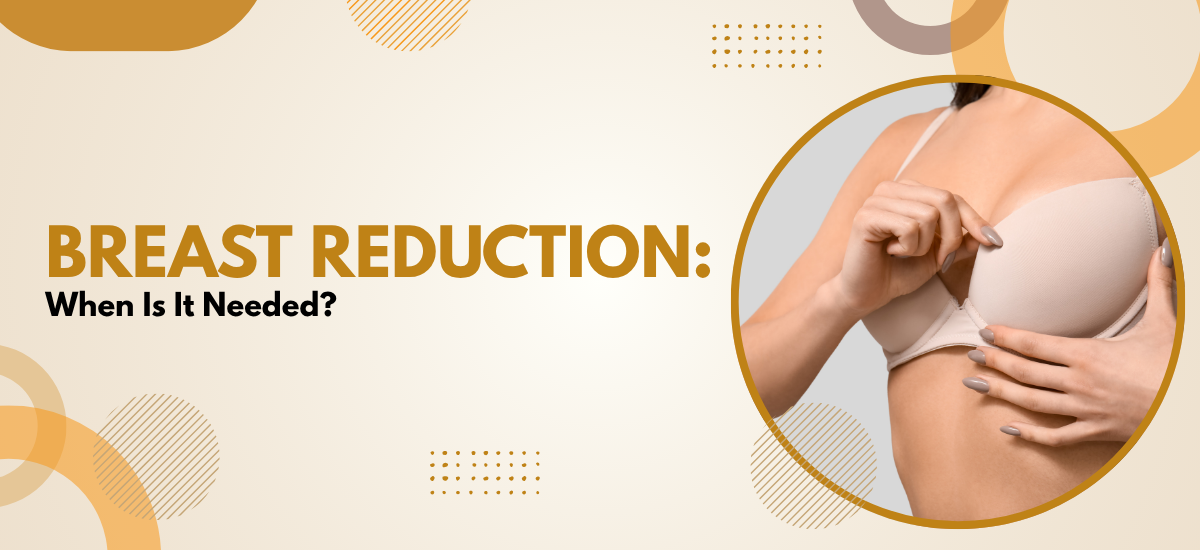
Breast reduction, medically known as reduction mammoplasty, is a surgical procedure that removes excess breast tissue, fat, and skin to create smaller, lighter, and better-proportioned breasts. It’s needed by women dealing with chronic back pain, neck strain, shoulder grooves from bra straps, posture problems, or skin irritation under the breasts caused by disproportionately large breast size.

According to Dr. Monisha Kapoor, an experienced plastic surgeon in Delhi, “Breast reduction isn’t a cosmetic indulgence, it’s often a medical necessity, since carrying excessive weight on the chest wears down posture and quality of life over years in ways most people don’t realise until after surgery.”

Constant back pain or shoulder grooves from heavy breasts? Book Appointment

What Exactly Happens During Breast Reduction Surgery?

Surgeon makes incisions around the areola and down the breast, excess tissue and skin gets removed, the nipple shifts to a higher natural position, then everything closes into a smaller lifted shape.

  • Tissue Removal: Surgeon takes out excess glandular tissue and fat through anchor or lollipop incisions, the volume drops down to whatever size suits the patient’s frame and chest wall. This part addresses the actual weight burden, lighter chest means less spinal compression and immediate posture relief
  • Nipple Repositioning: Areola and nipple shift upward to align with the new smaller breast shape, the surgeon either keeps them attached to underlying tissue or detaches and grafts depending on size reduction. Larger reductions sometimes need free nipple grafting which affects future breastfeeding plans
  • Skin Tightening: Excess skin gets removed alongside the tissue, remaining skin pulls tight over the new smaller breast volume. This avoids any sagging post-surgery that would otherwise undo the lift naturally created by the reduction
  • Symmetry Correction: Breast asymmetry that women often live with for years gets corrected during the same procedure, both sides reshape to match in size and projection. Many patients realise post-surgery they had bigger asymmetry than they thought, the difference becomes obvious only after balancing

So a reduction goes well beyond size change, and many patients exploring breast surgery for size or shape concerns find that reduction also addresses long-standing physical complaints.

When Is Breast Reduction Actually Needed?

Reduction isn’t elective in the traditional sense, the symptoms driving most women to consider it are physical and quality-of-life problems that don’t go away on their own no matter what posture work or weight loss they try.

  • Chronic Pain: Persistent back, neck, and shoulder pain caused by excessive breast weight pulling forward on the spine and upper back. Pain doesn’t ease with painkillers or physiotherapy long term, surgery addresses the actual root cause rather than masking symptoms
  • Posture Damage: Hunched shoulders and forward head posture develop over years of carrying heavy breast tissue, the spine compensates by curving in ways that cause permanent damage if untreated. Younger patients often see dramatic posture improvement post-surgery
  • Bra Strap Grooves: Deep indentations on the shoulders from bra straps digging in under the weight of large breasts, sometimes the grooves become permanent. Skin chafing and rashes under the breast fold also become chronic for many women dealing with this
  • Mobility Limits: Difficulty exercising, running, or even doing daily tasks because of the discomfort and movement restriction caused by breast size, this is similar to what affects men with male chest reduction needs. Lifestyle changes often follow surgery once movement gets easier

Most women considering reduction have been carrying these problems for years before deciding on surgery, and reading about the realities of plastic surgery helps clarify what reduction actually delivers physically and emotionally.

Why Choose Dr. Monisha Kapoor

Dr. Monisha Kapoor is the first Indian woman aesthetic plastic surgeon admitted to the American Society of Aesthetic Plastic Surgery and a member of ISAPS, with over 15 years of dedicated cosmetic surgery practice behind her. She works every reduction case with attention to scar placement, nipple sensation preservation, and natural breast shape, and that’s why patients walk out with lighter, balanced results that ease long-standing discomfort.

📞 Call Now: +91 83739 84777


FAQs

Will breast reduction affect future breastfeeding?

Possibly, large reductions with nipple grafting may impact breastfeeding ability significantly.

How long is breast reduction recovery?

Most patients return to light activities within 2 to 3 weeks.

Are breast reduction scars visible?

Scars fade over 12 to 18 months but remain along incision lines.

Will breasts grow back after reduction?

Significant weight gain or pregnancy can cause some regrowth in size.


References

  1. American Society of Plastic Surgeons — Breast Reduction Overview
  2. National Library of Medicine — Reduction Mammoplasty Outcomes
What Is Face Contouring and How Is It Done?

Posted on May 4, 2026May 4, 2026

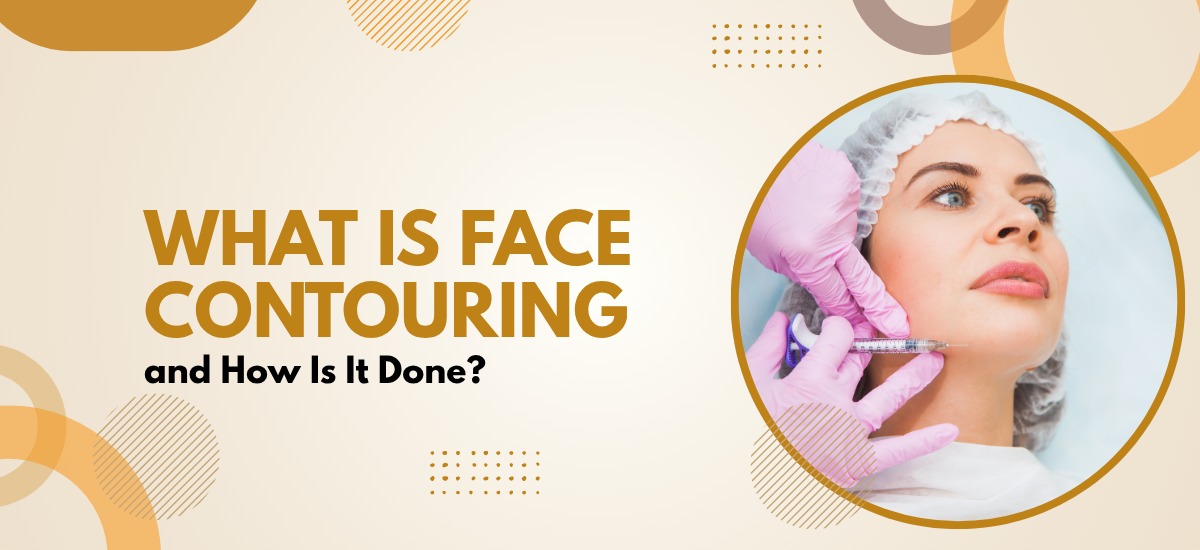
Face contouring is a group of cosmetic procedures that reshape the jawline, cheeks, chin, and forehead to refine facial proportion and balance. It covers surgical options like jaw reduction and chin implants alongside non-surgical treatments such as fillers and threads, suiting adults wanting sharper definition or softer features depending on their natural bone structure and aesthetic goals.

According to Dr. Monisha Kapoor, an experienced plastic surgeon in Delhi, “Face contouring isn’t one procedure, it’s a planned approach across zones, and the right mix depends on whether someone needs bone reshaped, soft tissue added, or both for facial balance.”

Soft jawline or features that lack definition? Book Appointment

What Surgical Procedures Reshape the Face?

Surgery handles the deeper work, bone gets reshaped or built up, soft tissue moves around, and changes hold permanently once healing finishes.

  • Jaw Reduction: Cuts go inside the mouth, surgeon trims the corner of the lower jawbone, a wide square face turns softer and oval-shaped over time. Recovery takes weeks since the area swells a lot, but no external scars show up at all
  • Chin Surgery: Either an implant goes in or the chin bone shifts forward through a small cut under the chin or inside the mouth, weak chin profiles get balanced. This pairs nicely with rhinoplasty since chin and nose proportions read as one unit visually
  • Cheek Augmentation: Implants slip in over the cheekbones through cuts inside the mouth, projection gets added where natural bone runs flat or sunken. Some surgeons skip implants and use fat grafting instead, the natural feel blends better with surrounding tissue
  • Forehead Reduction: Hairline gets pulled forward through a cut along the front of the scalp, a tall forehead shortens into something proportional with the rest of the face. Works particularly well for women wanting fuller frame around the upper face

So surgical contouring builds permanent shifts by reworking the underlying bone, and most patients planning major reshaping start with facial bone alteration before adding any soft-tissue refinements.

What Non-Surgical Methods Refine Facial Features?

No cuts here, needles and threads do the work, fillers add volume to flat zones, threads pull up sagging spots, most refinements need a touch-up every year or two.

  • Dermal Fillers: Hyaluronic acid goes into specific zones like cheeks, jawline, chin and lips, volume builds up or definition sharpens without any surgery involved. Results show right away and last 12 to 18 months, easiest entry point for someone testing a new look first
  • Thread Lift: Dissolvable threads slide under the skin to pull up sagging cheeks, jowls or brow areas through tiny puncture points. Effects last 12 to 18 months while collagen builds underneath, so the skin keeps a bit of firmness even after threads dissolve
  • Chin Filler: Fillers placed along the chin area sharpen profile lines, weak chins get balanced without committing to an implant or any bone surgery. Many patients use this as a trial run before deciding if permanent surgical correction is worth the bigger commitment
  • Botox Contouring: Strategic shots relax the masseter muscles along the jaw, a square face slims down across 4 to 6 weeks of visible reshaping. Effects last 4 to 6 months and many patients pair this with cheek fillers for overall face shape balance

The right contouring plan blends surgical and non-surgical based on bone structure and how dramatic the reshape needs to be, and many patients exploring facial procedures also research how surgical options like a facelift compare for fuller rejuvenation.

Why Choose Dr. Monisha Kapoor

Dr. Monisha Kapoor is the first Indian woman aesthetic plastic surgeon admitted to the American Society of Aesthetic Plastic Surgery and a member of ISAPS, with over 15 years of dedicated cosmetic surgery practice behind her. She works every face contouring case with attention to facial proportion and natural symmetry, and that’s why patients walk out with refined, balanced features that don’t look overdone.

📞 Call Now: +91 83739 84777


FAQs

Is face contouring permanent?

Surgical contouring is permanent, non-surgical options need maintenance every 12 to 18 months.

Does face contouring leave visible scars?

Surgical scars stay hidden inside the mouth or along natural creases mostly.

What is the best age for face contouring?

Adults above 21 with fully developed facial bone structure are ideal candidates.

Can face contouring change my entire face shape?

Yes, contouring reshapes jawline, cheeks, and chin to alter overall proportions.


References

  1. American Society of Plastic Surgeons — Facial Contouring Overview
  2. National Library of Medicine — Facial Bone Contouring Techniques

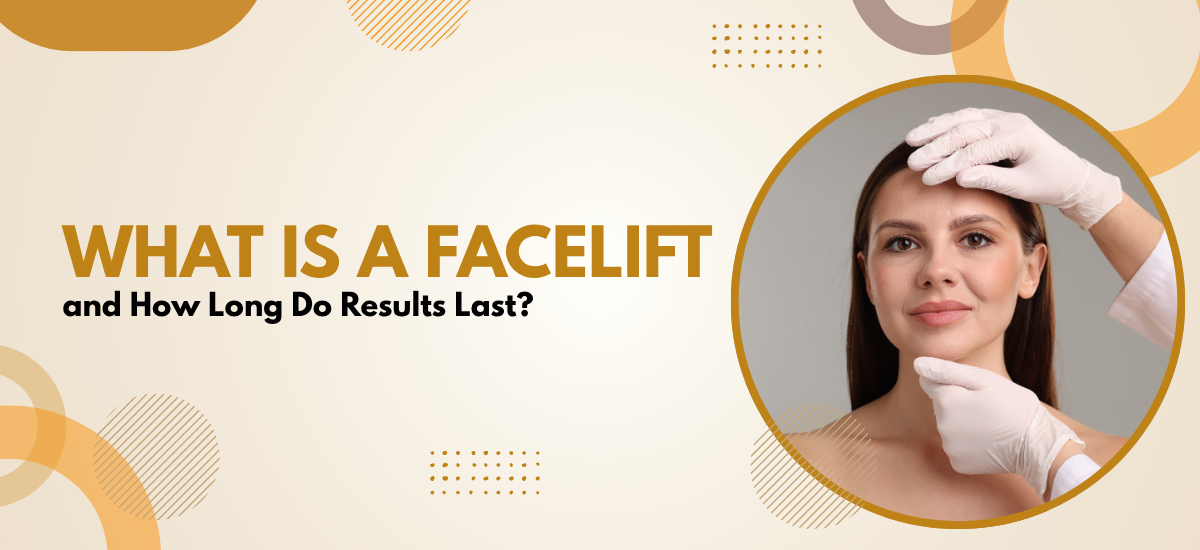
What Is a Facelift and How Long Do Results Last?

Posted on May 4, 2026May 4, 2026

A facelift, medically known as rhytidectomy, is a surgical procedure that tightens sagging facial skin, repositions deeper tissue layers, and reduces deep folds along the cheeks, jawline and neck. Results typically hold for 10 to 15 years depending on skin quality, lifestyle factors, and ongoing skincare, suiting adults in their 40s to 60s dealing with jowls, midface hollowness, or loose neck bands.

According to Dr. Monisha Kapoor, an experienced plastic surgeon in Delhi, “A facelift isn’t skin tightening alone, it’s a deep structural lift of the support layer under the face, and that’s what makes the result look natural rather than pulled.”

Sagging cheeks or loose jawline that won’t bounce back? Book Appointment

What Exactly Happens During a Facelift Procedure?

Hidden cuts along the hairline and behind the ears, deep tissue moves up, extra skin trims off, then everything stitches back so scars stay barely visible.

  • Deep Lift: Surgeon goes under the skin and lifts the support layer that holds facial structure, repositioning it upward to restore cheek volume and tighten the jawline. Modern facelifts hinge on this part, the support layer doesn’t drop back the way old skin-only lifts did
  • Skin Redraping: Excess skin gets redraped over the lifted tissue, then trimmed cleanly at the cut lines without any pulling tension on the skin itself. Tension stays in the deeper layer instead, that’s why a properly done lift never gives the windswept look people fear
  • Neck Work: Loose neck bands and chin fat get sorted through a small cut under the chin if needed, then the muscles get tightened to firm up the jawline. Most full facelifts include this since the face and neck age together, treating one without the other looks off
  • Volume Restore: Sometimes fat gets shifted or grafted into the cheeks and tear troughs to put back lost volume, since ageing causes facial fat to drop and disappear over time. Adding fat work alongside the lift gives a fuller, younger contour rather than just a tighter face

So a facelift goes well beyond simple skin tightening, and most patients combine their face and neck lift with smaller refinements for fuller results.

How Long Do Facelift Results Actually Last?

Nothing lasts forever, lifted tissues hold their position for years, but ageing keeps moving underneath and the result softens gradually as time passes.

  • Average Lifespan: Most facelifts hold cleanly for 10 to 15 years before any noticeable looseness returns, depending on skin quality and how the patient lives day-to-day. Stable weight, sun protection and good skincare push results toward the longer end of that range
  • Skin Type: Thicker skin holds the lift longer compared to thin or sun-damaged skin, that loses stretch faster, so outcomes vary even between patients of the same age. Genetics also play in here, some faces simply hold structure longer than others regardless of any work done
  • Lifestyle: Smoking, sun exposure, weight swings and poor skincare cut years off any facelift result by speeding up the natural ageing underneath. Patients investing in proper sunscreen and quitting cigarettes routinely report results closer to 15 years than 10
  • Maintenance: Adding non-surgical work like neurotoxin and fillers every 6 to 12 months stretches the youthful look well past the surgical result. This combination keeps faces refreshed for many years without needing a second surgery

The face will keep ageing regardless of intervention, but a properly done facelift resets the clock significantly, and setting realistic goals matters as much as the surgery itself for anyone considering cosmetic surgery.

Why Choose Dr. Monisha Kapoor

Dr. Monisha Kapoor is the first Indian woman aesthetic plastic surgeon admitted to the American Society of Aesthetic Plastic Surgery and a member of ISAPS, with over 15 years of dedicated cosmetic surgery practice behind her. She works every facelift case with attention to deep tissue structure rather than skin alone, and that’s why patients walk out with refreshed, natural-looking results that age gracefully over the years.

📞 Call Now: +91 83739 84777


FAQs

What age is best for a facelift?

Most patients are between 40 and 60 with visible facial sagging.

Is a facelift painful?

Mild discomfort and tightness for the first week, well-managed with pain medication.

How long is facelift recovery?

Most patients return to social activities within 2 to 3 weeks.

Will a facelift leave visible scars?

Scars are placed in hairline and behind ears, mostly hidden after healing.


References

  1. American Society of Plastic Surgeons — Facelift Overview
  2. National Library of Medicine — Facelift Techniques and Long-Term Outcomes

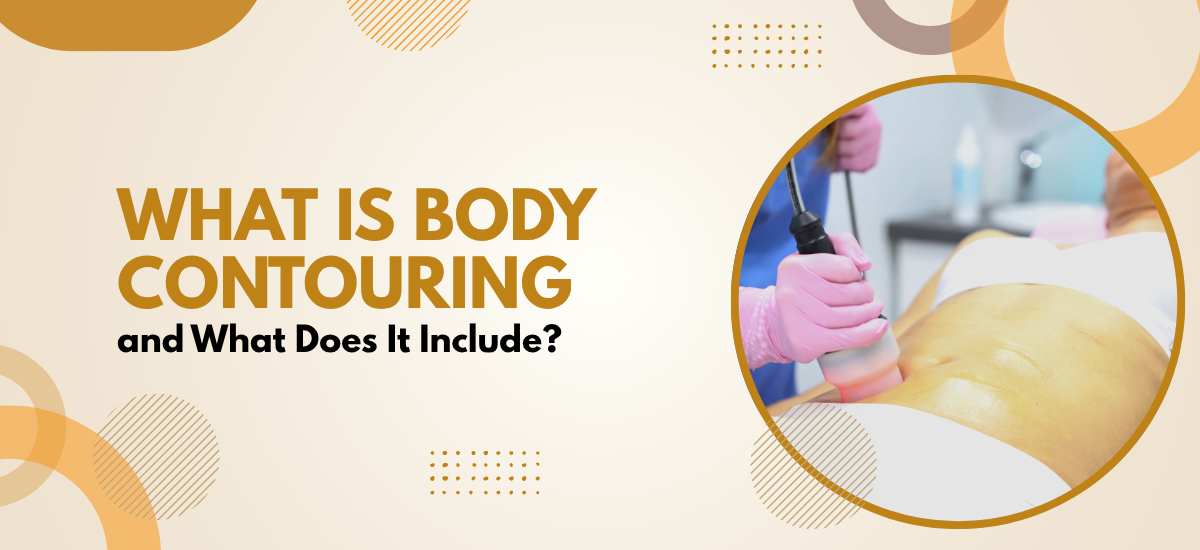
What Is Body Contouring and What Does It Include?

Posted on May 4, 2026May 4, 2026

Body contouring is a group of cosmetic procedures that reshape specific areas of the body by removing excess fat, tightening loose skin, and refining muscle definition. It covers surgical options like liposuction, tummy tuck, and arm lift along with non-surgical treatments such as ultrasound fat reduction, suiting people stuck with stubborn fat or skin laxity that diet and exercise won’t fix.

According to Dr. Monisha Kapoor, an experienced plastic surgeon in Delhi, “Body contouring isn’t a single procedure, it’s a toolkit, and the right combination depends on whether someone needs fat removed, skin tightened, or both done together for a complete reshape.”

Struggling with loose skin or stubborn fat? Book Appointment

What Surgical Procedures Fall Under Body Contouring?

Surgery cuts deep, tissue comes out, structure underneath gets reshaped, and what’s done holds shape long term once healing wraps up.

  • Liposuction: Cannula sucks fat out from the abdomen, thighs, flanks and arms, sculpting proportion through targeted removal. Skin sitting over those zones stays untouched, so anyone dealing with significant laxity needs to pair it with another procedure for the full effect
  • Tummy Tuck: Loose belly skin gets cut away in a clean strip, then separated abdominal muscles get sewn back into place. That combo fixes both the laxity and the diastasis recti most women carry post-pregnancy, which makes this the go-to procedure for moms wanting their core back
  • Arm Lift: Hanging skin under the upper arms after major weight loss comes off through brachioplasty, the upper arm reshaping into something firmer. Scar runs along the inner arm where it stays mostly hidden when arms are at rest, a small trade-off for a much tighter contour
  • Thigh Lift: Sagging skin and stubborn fat across inner or outer thighs gets contoured by removing tissue, then pulling the remaining skin tight. Recovery needs more care than other contouring procedures since this zone moves constantly during walking, sitting, even basic daily motion

Surgical contouring runs across multiple body zones depending on what needs work, and most patients explore the full range of body contouring options before settling on what fits their goals.

What Non-Surgical and Combination Options Exist?

No incisions here, energy-based devices do the work instead, breaking down fat or firming skin from outside, and a mix of both surgical plus non-surgical suits patients wanting layered results.

  • Ultrasound Fat Reduction: High-frequency sound waves bust apart fat cells under the skin, body clears them naturally over weeks. Zero downtime, zero scars, but the trade-off is slower results compared to surgery and the changes are subtler than what a cannula delivers
  • Radiofrequency Tightening: Heat from RF probes triggers collagen deeper in the skin, firming up loose patches around the abdomen, arms or thighs. Multiple sessions are needed before results show, but the upside is no recovery period and the skin keeps building collagen for months after
  • Cryolipolysis: Cold freezes fat cells until they die off, lymphatic system clears them out gradually across 8 to 12 weeks. Best suited for patients with smaller fat pockets and stable weight, since results are modest and not strong enough to handle large stubborn deposits
  • Combined Plans: Surgical removal followed by non-surgical skin tightening covers what either approach can’t do alone, and pairing surgery with liposuction often gives the cleanest contour. Most patients planning a full reshape end up combining at least two techniques for tighter, more proportionate outcomes

What works best comes down to tissue condition, fat spread, and how much recovery time someone can spare, and a complete read on cosmetic surgery covers what these procedures actually deliver.

Why Choose Dr. Monisha Kapoor

Dr. Monisha Kapoor is the first Indian woman aesthetic plastic surgeon admitted to the American Society of Aesthetic Plastic Surgery and a member of ISAPS, with over 15 years of dedicated cosmetic surgery practice behind her. She works every body contouring case with a sculptor’s eye for proportion and tissue behaviour, and that’s why patients walk out with smooth, balanced results that hold up well over the years.

📞 Call Now: +91 83739 84777


FAQs

Is body contouring permanent?

Surgical contouring is permanent, non-surgical results need maintenance treatments for lasting effect.

Who is not a good candidate for body contouring?

Smokers, unstable weight, pregnancy, blood disorders, and uncontrolled chronic illness disqualify candidates.

How long is body contouring recovery?

Surgical recovery takes 4 to 8 weeks, non-surgical needs no downtime.

Can body contouring replace weight loss?

No, contouring reshapes problem zones but does not replace healthy weight loss.


References

  1. American Society of Plastic Surgeons — Body Contouring Overview
  2. National Library of Medicine — Body Contouring After Massive Weight Loss

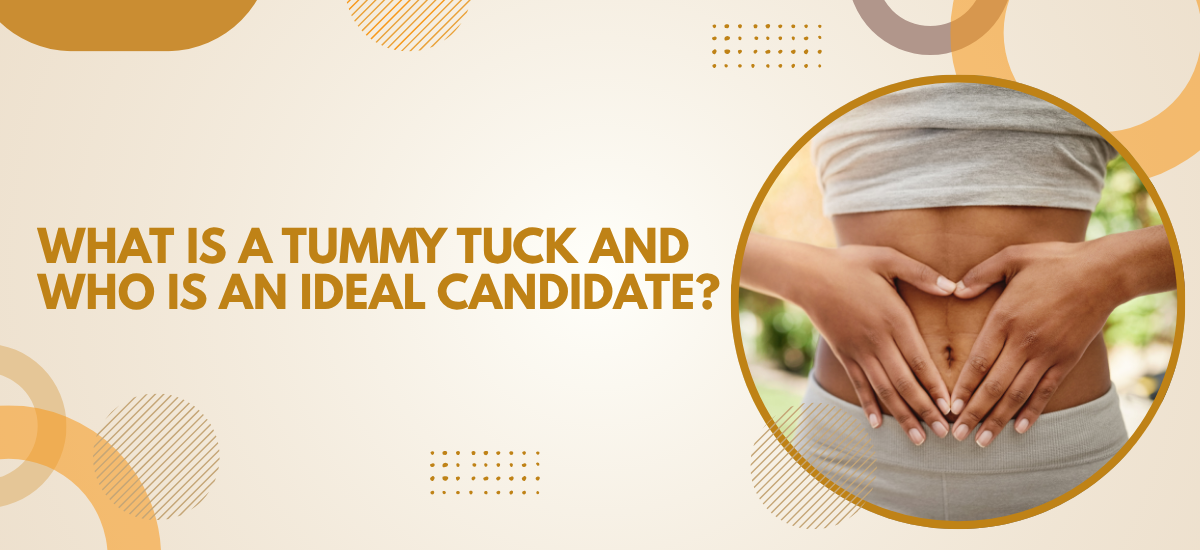
What Is a Tummy Tuck and Who Is an Ideal Candidate?

Posted on May 4, 2026May 4, 2026

A tummy tuck, medically known as abdominoplasty, is a surgical procedure that removes excess skin and fat from the lower and middle abdomen while tightening the weakened or separated abdominal muscles underneath. It suits adults at a stable weight dealing with post-pregnancy diastasis recti, hanging skin after major weight loss, or stubborn lower belly laxity that diet and exercise cannot fix.

According to Dr. Monisha Kapoor, an experienced plastic surgeon in Delhi, “Tummy tuck isn’t a cosmetic fix alone, it’s a structural reset for the abdominal wall, and that’s exactly why it works after pregnancy or weight loss when the muscles have pulled apart.”

Loose belly skin or that pouch that just won’t go away no matter what you do? Book Appointment

What Exactly Happens During a Tummy Tuck Procedure?

A horizontal cut goes low across the belly, skin gets lifted off, the muscles below get fixed, extra fat and tissue come out, then everything stitches back into a flatter shape with the navel set in its new position.

  • Muscle Repair: Pregnancy splits the abdominal muscles down the middle in many women, the surgery sews them back together which is what builds the flat core a tummy tuck is known for
  • Skin Removal: That stretched skin sitting below the belly button after pregnancy or weight loss won’t tighten back on its own, so it gets cut away in a clean strip during surgery
  • Fat Trimming: Lower belly fat that clings stubbornly comes off with the skin, and a touch of lipo around the flanks blends the contour cleaner if needed
  • Navel Reset: New tighter skin needs the belly button repositioned to match, this small detail decides whether results look natural or look like surgery

So what gets done here goes far beyond just suctioning fat, and many patients pair their abdominoplasty with liposuction for fuller body contouring around the waistline.

Who Is the Ideal Candidate for a Tummy Tuck?

Soft belly alone doesn’t make someone a tummy tuck candidate, the right call depends on skin elasticity, muscle separation, and overall health more than what the scale shows.

  • Post-Pregnancy: Women who’re done having kids and find that the loose skin, stretched tissue and split muscles haven’t bounced back even after years of trying
  • Post-Weight Loss: People who’ve shed serious weight from diet or bariatric surgery and are now stuck with hanging folds across the lower belly that won’t shrink
  • Stable Weight: Patients should already be holding a stable weight, since gaining weight later stretches the repaired tissue and undoes most of what surgery accomplished
  • Healthy Non-Smokers: Smoking ruins wound healing and ramps up infection risk, so most surgeons want patients off cigarettes for 4 to 6 weeks before any body contouring work

Realistic expectations matter as much as physical fitness for surgery, and a complete read on cosmetic surgery breaks down what surgery can and can’t do.

Why Choose Dr. Monisha Kapoor

Dr. Monisha Kapoor is the first Indian woman aesthetic plastic surgeon admitted to the American Society of Aesthetic Plastic Surgery and a member of ISAPS, with over 15 years of dedicated cosmetic surgery practice behind her. She approaches every abdominoplasty with a real focus on muscle repair and natural contour, which is why patients keep coming away with flat, smooth midsections that hold up well over time.

📞 Call Now: +91 83739 84777


FAQs

Is a tummy tuck the same as liposuction?

No, tummy tuck removes skin and tightens muscles, lipo only removes fat.

How long does tummy tuck recovery take?

Most patients return to normal activities within six to eight weeks.

Can a tummy tuck be done after C-section?

Yes, ideally six months after C-section once the body has healed.

Does a tummy tuck leave a visible scar?

Yes, a low horizontal scar that hides easily under underwear.


References

  1. American Society of Plastic Surgeons — Tummy Tuck Overview
  2. National Library of Medicine — Abdominoplasty Surgical Techniques

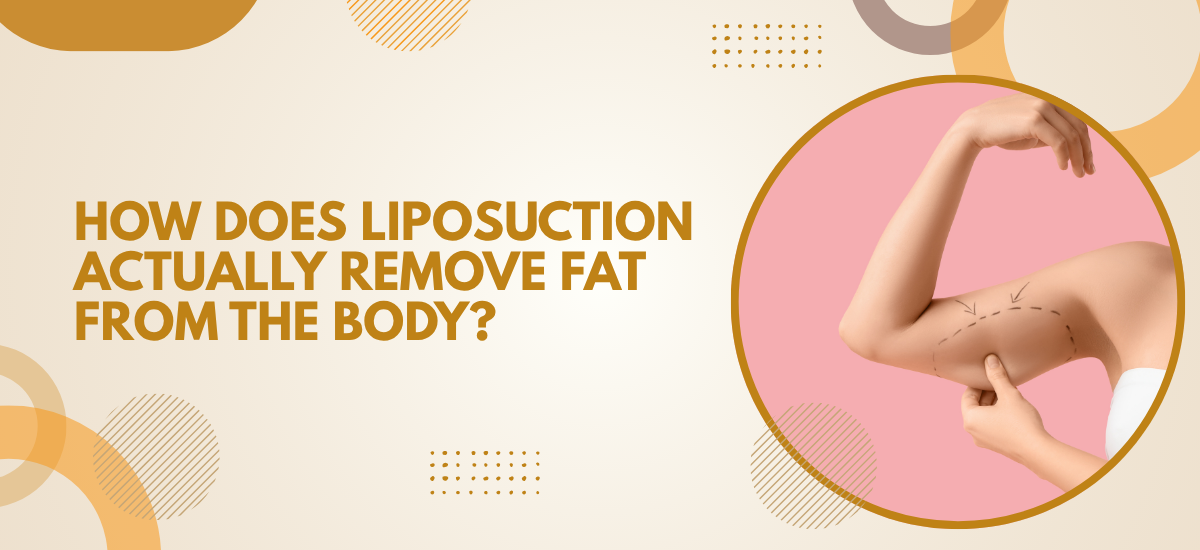
How Does Liposuction Actually Remove Fat from the Body?

Posted on May 4, 2026May 4, 2026

Liposuction is a surgical procedure that removes localised fat deposits using a thin hollow tube called a cannula, connected to a vacuum suction device. It targets diet-resistant fat in areas like the abdomen, thighs, arms, flanks, and chin, reshaping body contours without affecting overall weight significantly.

According to Dr. Monisha Kapoor, an experienced plastic surgeon in Delhi, “Lipo isn’t really weight loss, it’s contouring, so the goal is shaping what’s already there rather than dropping kilos on a scale.”

Stubborn fat that just won’t budge despite diet and exercise? Book Appointment

How Does the Liposuction Procedure Actually Work?

The surgeon makes tiny incisions near the target area, slides a cannula in, and that cannula breaks up fat cells before suctioning them out, with the technique varying a fair bit based on fat density and which body zone you’re treating.

  • Tumescent Method: Saline mixed with anaesthetic and adrenaline gets pumped in first, numbs the zone, shrinks blood vessels, makes everything smoother and way less bruised afterwards
  • Ultrasound Assisted: Sound waves liquefy stubborn fibrous fat before suction kicks in, super useful for the upper back or male chest where fat sits really tight
  • Power Assisted: Cannula vibrates on its own which means the surgeon isn’t manually breaking up fat for hours, more controlled removal in dense areas, less fatigue, cleaner finish
  • Laser Lipolysis: Laser fibre melts fat with heat and tightens the skin a bit on top, honestly that’s a small bonus if you’re worried about loose skin showing up later

So the choice of method really depends on how the fat’s actually sitting under the skin, and quite a few patients pair their lipo with a tummy tuck for proper abdominal contouring.

What Areas of the Body Can Liposuction Treat?

Lipo handles multiple body zones where stubborn fat parks itself, and the right technique gets matched to whatever the area’s anatomy actually demands.

  • Abdomen: Upper and lower abdominal fat respond well, especially that post-pregnancy pooch that just refuses to leave no matter how many crunches anyone throws at it
  • Thighs and Hips: Saddlebags, inner thigh fat, flanks, all classic problem zones, and these often get paired with hour glass shape work for proper proportion
  • Arms: Upper arm fat that hangs underneath needs smaller cannulas because the skin there is thinner, more delicate handling, results show up nicely once swelling settles
  • Chin and Neck: A double chin or jawline fullness can get reshaped through tiny incisions tucked behind the ear, and results actually show up surprisingly fast here

But the right candidate matters way more than the technique itself, and a full guide on body areas treated by liposuction breaks down exactly which zones respond best.

Why Choose Dr. Monisha Kapoor

Dr. Monisha Kapoor is the first Indian woman aesthetic plastic surgeon admitted to the American Society of Aesthetic Plastic Surgery and a member of ISAPS, with more than 15 years of dedicated cosmetic surgery practice behind her. She brings a sculptor’s eye to body contouring, which is why patients keep coming away with results that look smooth and natural rather than over-corrected or uneven.

📞 Call Now: +91 83739 84777


FAQs

Is liposuction a permanent fat removal procedure?

Yes, removed fat cells do not regrow once suctioned out properly.

How much fat can liposuction remove safely?

Most surgeons safely remove up to five litres in one session.

Does liposuction tighten loose skin too?

Mild tightening occurs but significant skin laxity needs combined surgical correction.

When are liposuction results fully visible?

Final contour usually shows around three to six months post-surgery.


References

  1. American Society of Plastic Surgeons — Liposuction Overview
  2. National Library of Medicine — Liposuction Techniques and Safety


What Is Rhinoplasty and How Does It Reshape the Nose?

Posted on May 4, 2026May 4, 2026

What Is Rhinoplasty and How Does It Reshape the Nose

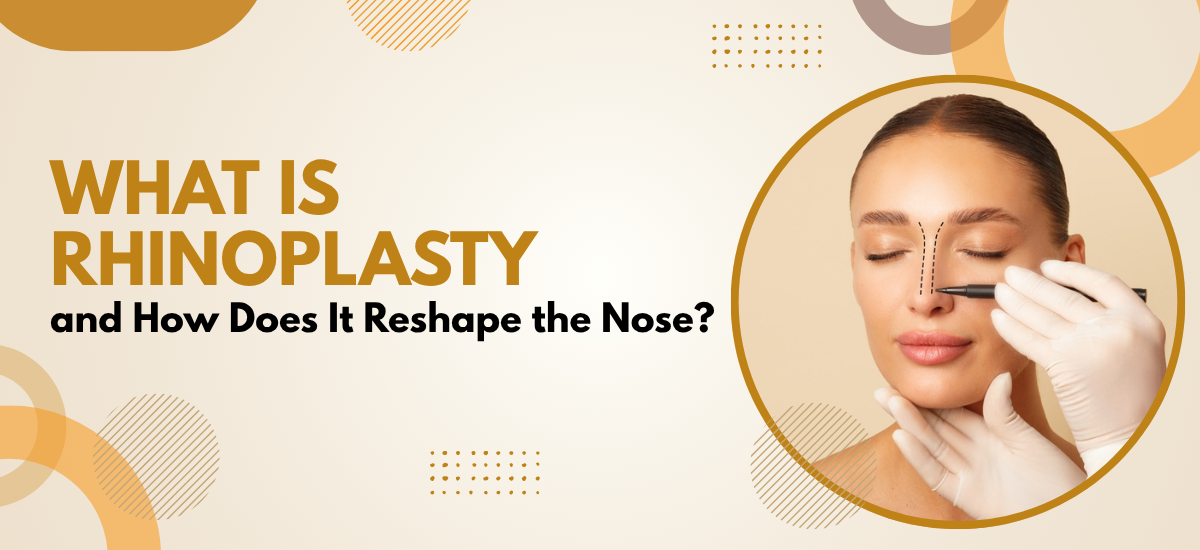
Rhinoplasty is a surgical procedure that reshapes the bone, cartilage, and soft tissue of the nose to alter its size, profile, or function. It corrects structural issues, refines aesthetic proportion, and can fix breathing problems caused by deviated cartilage or narrow nasal passages.

According to Dr. Monisha Kapoor, an experienced plastic surgeon in Delhi, “Every nose sits differently on every face, so reshaping it isn’t about a template, it’s about reading the bone structure and skin thickness before the first incision is even planned.”

Considering rhinoplasty for a crooked or wide nose? Book Appointment

How Does Rhinoplasty Actually Reshape the Nose?

Reshaping happens through controlled adjustments to the cartilage and nasal bones underneath, with surgeons either lifting the skin to access the framework directly or working through internal cuts depending on what the nose actually needs.

  • Open Approach: A small cut across the columella lifts the skin fully, giving total visibility for bigger structural work like tip refinement or hump reduction
  • Closed Method: All incisions stay tucked inside the nostrils which means zero visible scarring, ideal when the framework only needs minor reshaping
  • Cartilage Grafting: Tiny pieces taken from the septum or ear get repositioned to add support, smooth out contours, or correct collapse from old trauma
  • Bone Reshaping: Controlled fractures called osteotomies narrow a wide bridge or straighten a deviated dorsum, and honestly that’s the part most people don’t even realise happens

So technique isn’t really one fixed recipe, and each nose surgery plan ends up depending on cartilage strength, skin thickness, and what the patient actually wants out of it.

What Changes Can Rhinoplasty Make to the Nose?

Different concerns need different surgical adjustments, and the changes go well beyond just cosmetic appearance.

  • Hump Removal: Filing or shaving down the dorsal bump produces a cleaner straight profile, especially noticeable from the side angle
  • Tip Refinement: Reshaping the lower lateral cartilages lifts a drooping tip or narrows a bulbous one, subtle work but the difference is huge
  • Nostril Adjustment: Alar base reduction trims wide flaring nostrils which often gets paired with a face and neck lift for fuller facial harmony
  • Functional Repair: Septoplasty straightens a deviated septum and that fixes breathing issues people have honestly lived with for years without realising surgery could help

But healing takes its time, and swelling can hide the final shape for months which is why a detailed rhinoplasty recovery timeline helps explain what each phase actually looks like.

Why Choose Dr. Monisha Kapoor?

Dr. Monisha Kapoor is the first Indian woman aesthetic plastic surgeon admitted to the American Society of Aesthetic Plastic Surgery and a member of ISAPS, with more than 15 years of dedicated cosmetic surgery practice behind her. She brings a meticulous eye for facial proportion to every rhinoplasty, which is why patients consistently come away with results that look balanced rather than operated on.

📞 Call Now: +91 83739 84777


FAQs

Is rhinoplasty a permanent procedure?

Yes, rhinoplasty results are permanent once full healing is complete.

How long does rhinoplasty surgery take?

Most rhinoplasty procedures take between two to four hours under anaesthesia.

Can rhinoplasty fix breathing problems?

Yes, functional rhinoplasty corrects deviated septum and improves nasal airflow.

When is the final nose shape visible?

Final shape becomes fully visible roughly twelve months after surgery.


References

  1. American Society of Plastic Surgeons — Rhinoplasty Overview
  2.  National Library of Medicine — Rhinoplasty Techniques and Outcomes

Posts pagination

Previous page Page 1 … Page 4 Page 5

Month: May 2026

Recent Posts

  • Chin Surgery Recovery: Swelling, Timeline, and Results
  • Am I a Good Candidate for Rhinoplasty? Signs You Qualify
  • Is a Brazilian Butt Lift Safe? Risks Patients Must Know
  • Laser Hair Reduction vs Waxing: Which Gives Better Results?
  • Chin Implant vs Chin Filler: Which Is Right for You?

Archives

  • June 2026
  • May 2026
  • December 2023
  • July 2023
  • April 2023
  • July 2020
  • June 2020
  • November 2019
  • August 2019
  • August 2018
  • April 2018
  • March 2018
  • January 2018
  • December 2017
  • October 2017
  • September 2017
  • July 2017
  • June 2017
  • April 2017
  • December 2016
  • November 2016
  • October 2016
  • September 2016
  • August 2016
  • July 2016
Footer – Dr. Monisha Kapoor
Plastic Surgeon · Delhi NCR
Dr. Monisha Kapoor

Dr. Monisha Kapoor

M.Ch. Plastic Surgery  ·  25+ Years of Practice  ·  10K+ Procedures

About

A practice built on precision. Board-certified plastic surgeon affiliated with the International Society of Aesthetic Plastic Surgery and the American Society of Aesthetic Plastic Surgery. Every consultation begins with listening — and every outcome is designed around your anatomy, your goals, and your vision of yourself.

Navigation

  • Dr's Desk
  • Facilities & Infrastructure
  • Blog
  • News & Updates
  • Career
  • Contact
  • Privacy Policy

Contact

18, Block J, Saket
New Delhi – 110017
011-40666307 / 08
+91 83739 84777
+91 8860851727
plasticsurgeonmonisha@gmail.com
Follow Connect

Disclaimer: The information on this website is provided for informational purposes only and is not meant to substitute the advice of your doctor or other healthcare professional. You should not use this information for diagnosing or treating a health problem or disease, or prescribing any medication. All images used are for illustrative purposes only; actual results and process may vary.

© 2026 plasticsurgeonmonisha.com All Rights Reserved

    Doctor

    Dr. Monisha Kapoor

    Delhi's Top Plastic Surgeon


    25+ Years Experience

    10,000+ Happy Customers
    Hair, Skin, Body, Face

    Book An Appointment

    WhatsApp
    HiHello 👋, welcome to Dr. Monisha Kapoor Aesthetics
    Can we help you?
    Open Chat
    Powered by Joinchat