Book An Appointment 📞 Call Now
Dr. Monisha Kapoor
  • Home
  • About Us
  • Treatments
    • Hair
      • Hair Transplant
    • Body
      • Liposuction
      • Six Pack Abs
      • Hour Glass Shape
      • Brazilian Butt Lift
      • Thigh Gap
      • Full Body Lift
      • Vaginal Revitalisation
      • Hand & Feet Revitalisation
      • Tummy Tuck
      • Breast Surgery
      • Male Chest Reshaping
      • Male Chest Reduction
      • Mommy Makeover
      • Men Makeover
    • Skin
      • Zein Obegi's Skin Treatment
      • Chemical Peels
      • Hydra Facial
      • Silk Peel
      • Pelleve Skin Tightening
      • IPL Foto Facials
      • Tri Active Deka Peel
      • Tattoo Removal
      • Laser Skin Toning
      • Laser Hair Reduction
      • Full Body Polishing
      • Halo BBL
    • Face
      • Acne Scar Treatment
      • Face & Neck Lift
      • Forehead
      • Neurotoxin and Fillers
      • Brows
      • Eyes
      • Nose
      • Cheeks
      • Lips
      • Chin
      • Face Bone Alteration
      • Dimple Creation
      • Face Thinning
      • Permanent Makeup
  • Resources
    • Facilities & Infrastructure
    • Media
    • Photos
    • Blog
    • Case Studies
  • Contact Us
+91-8860851727

Blog

Recent Posts

  • Lip Lift vs Lip Filler: Which Lasts Longer?
  • What Is Breast Augmentation and How Is It Done?
  • Is a Hair Transplant Permanent? What to Expect?
  • Brazilian Butt Lift Recovery: Week-by-Week Guide
  • What Is Halo BBL and What Skin Issues It Treats?

Archives

  • August 2026
  • July 2026
  • June 2026
  • May 2026
  • December 2023
  • July 2023
  • April 2023
  • July 2020
  • June 2020
  • November 2019
  • August 2019
  • August 2018
  • April 2018
  • March 2018
  • January 2018
  • December 2017
  • October 2017
  • September 2017
  • July 2017
  • June 2017
  • April 2017
  • December 2016
  • November 2016
  • October 2016
  • September 2016
  • August 2016
  • July 2016

Tri Active DEKA vs Traditional Laser Peel: What’s the Difference?

Posted on July 31, 2026June 9, 2026

Tri Active DEKA and traditional laser peels both involve laser energy but address completely different concerns. Tri Active DEKA combines suction massage, photomodulating cold diode lasers, and contact cooling to target cellulite and body skin laxity. A traditional laser peel uses focused light energy to remove damaged facial skin layers and drive collagen remodelling. Choosing between them starts with being clear about what you are actually trying to fix.

According to Dr. Monisha Kapoor, a trusted cosmetic surgeon in Delhi, “These two treatments get compared because both involve laser but they are addressing completely different problems. Tri Active DEKA is a body contouring and skin firming treatment. A traditional laser peel is a skin resurfacing treatment. Choosing between them starts with being clear about what you are actually trying to fix.”

Tri Active DEKA Traditional Laser Peel

Primary target

Cellulite and body laxity

Facial skin texture and pigmentation

Mechanism Suction, laser, cooling

Laser ablation and resurfacing

Downtime None

Mild to moderate

Best for Body contouring

Skin renewal and tone correction

Want to know which treatment suits your specific concern? Book a Consultation

How Does Each Treatment Actually Work?

They share the word laser but the mechanism, depth, and target concern are entirely different.

Tri Active DEKA Three actions run simultaneously: suction massage disrupts fibrous cellulite bands and stimulates lymphatic drainage, cold diode lasers penetrate tissue to improve circulation and collagen without ablating the surface, and contact cooling keeps the session comfortable. Painless, zero downtime, and suitable for all skin and body types.

Traditional Laser Peel Focused laser energy removes damaged outer skin layers in a controlled pass while stimulating collagen production underneath. New skin forms during healing that is tighter, smoother, and more even in tone. Recovery depends on peel depth, ranging from mild redness to several days of peeling for deeper ablative options.

Where They Overlap Both treatments stimulate collagen and improve skin firmness, which is where patient confusion typically originates. The distinction is depth, target area, and primary concern. Using one for the other’s indication consistently underdelivers.

Full detail on Tri Active DEKA sessions and what concerns it addresses is on the Tri Active Deka service page.

Which Treatment Is Right for Your Concern?

Three questions settle this quickly for most patients without needing a lengthy comparison.

Face or Body? Traditional laser peels are a facial resurfacing treatment. Tri Active DEKA targets the thighs, abdomen, arms, and other body areas where cellulite and skin laxity are the issue. Applying either outside its intended area produces poor results.

Cellulite or Skin Texture? Cellulite involves fibrous bands pulling skin downward from beneath, requiring mechanical disruption and circulation work that laser peels do not provide. Tri Active DEKA was built specifically for this problem. Traditional peels handle surface damage, pigmentation, and facial collagen remodelling instead.

How Much Downtime Is Acceptable? Tri Active DEKA carries zero downtime and fits around any schedule. Traditional laser peels require recovery time depending on depth, and timing them close to an important event needs proper planning.

Patients interested in how mechanical skin resurfacing compares to laser-based approaches can read through the dermabrasion blog, which covers technique, recovery, and how results compare.

Why Choose Dr. Monisha Kapoor for Laser Peel Treatments?

Dr. Monisha Kapoor is India’s first woman aesthetic plastic surgeon admitted to the American Society of Aesthetic Plastic Surgery and holds active membership with ISAPS, with 25+ years of practice and over 10,000 procedures. Skin and body treatment consultations at her Saket clinic start with identifying exactly what the concern is and which treatment category addresses it, rather than recommending something adjacent to the problem.

📞 Call Now: +91 83739 84777

FAQs

Can Tri Active DEKA be used on the face?

No. It is designed for body areas including thighs, abdomen, and arms where cellulite and laxity are the concern.

How many Tri Active DEKA sessions are needed?

Most patients need six to ten sessions for visible cellulite reduction and firming results.

Is a traditional laser peel painful?

Mild to moderate discomfort depending on depth. Topical numbing is applied beforehand and most patients tolerate it well.

Can both treatments be done together?

Yes. They target different areas and concerns entirely, so both can be part of the same treatment plan without conflict.

References

  1. National Library of Medicine — Low-Level Laser Therapy for Cellulite and Body Contouring: https://pubmed.ncbi.nlm.nih.gov/23763695/
  2. National Library of Medicine — Laser Skin Resurfacing: Techniques, Outcomes and Recovery: https://pubmed.ncbi.nlm.nih.gov/26039966/
Are Laser Skin Treatments Safe for Indian Skin Tones?

Posted on July 30, 2026June 9, 2026

Yes, laser skin treatments are safe for Indian skin tones, but with a qualification that actually matters. Indian skin falls in the Fitzpatrick IV to VI range, where melanin concentration is higher and the skin reacts more intensely to laser energy than lighter skin types do. The wrong laser, wrong settings, or a clinician without experience on darker skin creates real complications. Done correctly, the laser delivers excellent results on Indian skin with no more risk than it carries for any other type.

According to Dr. Monisha Kapoor, a trusted plastic surgeon in Delhi, “Indian skin responds beautifully to laser when the treatment is matched to the skin type. The problem is never the skin, it is the wrong laser or the wrong energy settings being applied without enough understanding of how darker skin reacts.”

Want an assessment of which laser treatment suits your skin tone and concern? Book a Consultation

What Are the Specific Risks of Laser on Indian Skin?

Worth knowing before you book, not after you’re sitting in the chair.

Post-Inflammatory Hyperpigmentation The skin reads aggressive laser energy as an injury and floods the treated zone with melanin — leaving a darker patch exactly where the patient came in to get something corrected. It fades with proper aftercare but can take months, and it is almost always a settings problem rather than anything wrong with the patient’s skin.

Hypopigmentation Opposite of the above, and harder to manage. High-energy ablative lasers occasionally strip pigment that does not fully return. It is rare with the correct device but happens when aggressive settings designed for lighter skin get applied to Fitzpatrick IV to VI patients.

Burns and Blistering Wrong wavelength choice causes laser energy to be absorbed by the surrounding melanin rather than the intended target tissue. This is a practitioner error from start to finish and entirely avoidable when someone selects the right device for the skin type in front of them.

Prolonged Redness Darker skin holds post-treatment redness longer than lighter tones. Not a clinical complication, but patients who expect the same recovery timeline they have read about for lighter skin types will be caught off guard if nobody mentions it beforehand.

The full range of laser treatments is on the laser skin toning service page.

How Are These Risks Managed in Practice?

What good practice actually looks like, because patients should know before they agree to treatment.

Correct Laser Selection Nd:YAG lasers, Q-switched devices, and certain fractional systems are less aggressively absorbed by epidermal melanin, which is why they are the standard go-to for Indian skin rather than the fully ablative options used on lighter types.

Conservative Energy Settings Lower fluence built up gradually across sessions is how experienced clinicians get results without triggering PIH. Pushing energy higher for faster outcomes is precisely where most complications on darker skin trace back to.

Patch Testing First A test patch on a small area before treating the full face gives real data on how that specific patient’s skin responds to that specific device. Any clinician who tells you a patch test is unnecessary for your first session on Indian skin is giving you a reason to pause.

Pre and Post Preparation A topical depigmenting agent in the weeks before treatment lowers the melanin load in the upper layers and cuts PIH risk directly. Strict SPF after every session stops UV from reactivating melanin production in the treated zone while the skin is still recovering.

Patients wanting to understand pigmentation mechanisms more deeply can read through the skin pigmentation blog, which covers causes and how treatment approaches differ by type.

Why Choose Dr. Monisha Kapoor for Laser Skin Treatments?

Dr. Monisha Kapoor is India’s first woman aesthetic plastic surgeon admitted to the American Society of Aesthetic Plastic Surgery and holds active membership with ISAPS, with 25+ years of practice and over 10,000 procedures. Laser treatments at her Saket clinic are calibrated specifically for Indian skin tones, with conservative settings, patch testing, and pre-treatment preparation built into the standard protocol rather than treated as optional extras.

📞 Call Now: +91 83739 84777

FAQs

Which laser is safest for Indian skin tones?

Nd:YAG and Q-switched lasers are among the most established safe options. Fractional non-ablative devices also carry a lower PIH risk than fully ablative systems.

How many laser sessions are needed for results on Indian skin?

More sessions at lower energy settings are typically needed compared to lighter skin tones. This is the correct approach, not a limitation.

Can laser permanently darken Indian skin?

Permanent darkening from properly performed laser is uncommon. PIH that is not managed can persist but resolves with correct aftercare and SPF use.

Should I avoid sun exposure before and after laser treatment?

Yes, before and after every session. Sun exposure raises the melanin load going in and triggers fresh pigment production in the treated area during recovery.

References

  1. National Library of Medicine — Laser Treatment Safety and Efficacy in Darker Skin Types: https://pubmed.ncbi.nlm.nih.gov/23379344/
  2. National Library of Medicine — Post-Inflammatory Hyperpigmentation After Laser in Fitzpatrick IV-VI Skin: https://pubmed.ncbi.nlm.nih.gov/26039966/
What Is the Best Skin Treatment Before a Wedding?

Posted on July 29, 2026June 9, 2026

Pre-wedding skin preparation is not one treatment, it is a planned sequence matched to the concern type and the time available before the date. Pigmentation, dullness, acne, uneven texture, and early ageing each need a different approach, and the timing of each treatment matters as much as the treatment itself. Starting too close to the wedding with anything that causes downtime is the most common mistake brides and grooms make.

According to Dr. Monisha Kapoor, a trusted cosmetic surgeon in Delhi, “The patients who get the best pre-wedding results are the ones who start six months out, not six weeks out. That window lets us run a proper course of treatment, see how the skin responds, and make adjustments before there’s any pressure from the date.”

Want a pre-wedding skin plan built around your specific concerns and timeline? Book a Consultation

Which Treatments Work Best Before a Wedding?

The right treatment depends on the concern, and the timing of each one within the pre-wedding window determines how well it delivers.

Halo BBL for Tone and Texture Halo combines two laser wavelengths to address pigmentation, sun damage, uneven tone, and surface texture in one session. Starting four to six months before the wedding allows enough time for a full course and for the progressive collagen improvement to come through fully before the date.

Chemical Peels for Pigmentation and Glow A course of peels spaced two to four weeks apart progressively clears post-acne marks, uneven tone, and surface dullness. The last peel in the course should fall no closer than three to four weeks before the wedding to let the skin fully settle and the glow to come through without any active peeling.

Silk Peel for Immediate Brightness Silk Peel delivers an immediate improvement in surface texture and glow with no downtime, making it one of the safest treatments to schedule close to the wedding date. A session two to three weeks before is ideal for a final brightness boost without any risk of residual redness or irritation on the day.

Botox and Fillers for Facial Refinement Botox for the forehead, brow, or jaw and fillers for the midface or lips add definition and freshness that photographs well. These should be done at least four to six weeks before the wedding, not in the final week, to let swelling settle and results look natural rather than fresh.

The full range of skin treatments available for pre-wedding preparation is on the skin treatment page.

What Should Brides and Grooms Avoid Before a Wedding?

Knowing what not to do is as important as knowing what treatments to book, and a few common errors consistently create problems close to the date.

New Treatments in the Final Two Weeks Trying any treatment for the first time in the two weeks before a wedding is a significant risk. The skin may react unexpectedly, and there is no time to manage a breakout, prolonged redness, or an allergic response before the event. The pre-wedding window is for continuing treatments that have already been tested on the skin, not introducing new ones.

Aggressive Peels Too Close to the Date Medium or deep chemical peels cause visible peeling and sensitivity for several days. Scheduling one within three weeks of a wedding risks active skin peeling, redness, or patchy healing showing on the wedding day. Light maintenance peels are fine closer in but the deeper work needs to be done well in advance.

Laser Treatments Without SPF Protection Any laser session sensitises the skin to sun exposure significantly. Going outdoors between sessions without SPF during a pre-wedding treatment course, particularly relevant for outdoor events like mehendi and sangeet ceremonies, can trigger post-inflammatory pigmentation that sets the skin back rather than improving it.

Last-Minute Filler or Botox Injectables placed too close to the wedding date leave insufficient time for swelling to resolve, for filler to integrate naturally, or for botox to soften into its full effect. What looks overdone or stiff at day three looks entirely natural by week four, and patients who have that buffer consistently photograph better.

Patients wanting to understand how pigmentation specifically responds to treatment and why it sometimes resurfaces can read through the skin pigmentation blog, which covers the triggers and what treatment approaches work by concern type.

Why Choose Dr. Monisha Kapoor for Pre-Wedding Skin Treatment?

Dr. Monisha Kapoor is India’s first woman aesthetic plastic surgeon admitted to the American Society of Aesthetic Plastic Surgery and holds active membership with ISAPS, with 25+ years of practice and over 10,000 procedures. Pre-wedding skin consultations at her Saket clinic are planned as a structured timeline matched to the patient’s concerns and date, not as a single treatment session booked under time pressure.

📞 Call Now: +91 83739 84777

FAQs

How far in advance should pre-wedding skin treatments start?

Ideally six months before the date. A minimum of three months gives enough time for a proper course and recovery before the wedding.

Is it safe to do Botox before a wedding?

Yes, provided it is done at least four to six weeks before, not days before. That window lets swelling settle and the result look natural.

What is the safest treatment close to the wedding date?

Silk Peel is among the safest options within two to three weeks of the date, as it delivers brightness with no meaningful downtime or risk of delayed reaction.

Can skin treatments be combined in a pre-wedding plan?

Yes. A well-planned pre-wedding course typically combines multiple treatments sequenced across the months before the date for the best cumulative result.

References

  1. National Library of Medicine — Laser and Light-Based Treatments for Facial Rejuvenation: https://pubmed.ncbi.nlm.nih.gov/26039966/
  2. National Library of Medicine — Chemical Peels for Hyperpigmentation and Skin Radiance: https://pubmed.ncbi.nlm.nih.gov/23688455/

Pelleve vs HIFU vs Thermage: Which Skin Tightening Is Best?

Posted on July 28, 2026June 9, 2026

Pelleve, HIFU, and Thermage are three non-surgical skin tightening technologies that patients constantly encounter together when researching options. They stimulate collagen through different energy mechanisms, reach different depths in the skin, and suit different levels of laxity. None is universally the best choice because the right one depends entirely on what needs tightening and how much discomfort the patient is willing to sit through.

According to Dr. Monisha Kapoor, a trusted cosmetic surgeon in Delhi, “Patients ask which of these is best as if there is a single answer. There isn’t. Each technology has a different depth of action and a different comfort profile. The right choice depends on the patient’s laxity, their tolerance, and what outcome they are actually trying to achieve.”

Pelleve HIFU Thermage

Energy type

Radiofrequency Ultrasound Radiofrequency
Depth of action Dermis SMAS layer

Dermis

Comfort level Very comfortable Moderate to uncomfortable

Moderate

Downtime None None

None

Want to know which skin tightening treatment suits your concern? Book a Consultation

How Do Pelleve, HIFU, and Thermage Each Work?

All three stimulate collagen but the mechanism, depth, and experience differ enough that they are not interchangeable.

Pelleve Continuous radiofrequency heats the dermis gradually until the tissue hits the temperature needed to trigger collagen remodelling. The sensation is a steady warmth rather than sharp pulses, which is why it rates as the most comfortable of the three. Results build across two to three sessions for mild to moderate facial and neck laxity.

HIFU Focused ultrasound targets the SMAS layer, the same connective tissue a facelift addresses surgically. That deeper reach gives it a stronger tightening effect on moderate laxity than radiofrequency devices can match. The tradeoff is comfort — sessions involve sharp, intermittent heat points fired into deep tissue that some patients find significant enough to need pain relief beforehand.

Thermage Radiofrequency delivered in a single comprehensive session rather than a course, reaching both the dermis and the subcutaneous fat layer. It suits patients who want results from one visit rather than committing to repeated appointments. The session can be uncomfortable in sensitive areas, and the single-treatment approach rewards patients who can sit through it rather than those who prefer gradual progress.

Full detail on Pelleve and how it compares to other tightening options is on the pelleve skin tightening service page.

Which One Should You Choose?

Four practical factors drive the decision more reliably than trying to find a single winner across all patients and concerns.

Laxity Level Mild laxity responds well to Pelleve across a short course. Moderate laxity that has already descended noticeably tends to do better with HIFU because of its deeper reach into the tissue. Thermage sits between them and works for both depending on the area.

Comfort Tolerance Patients sensitive to pain are far better suited to Pelleve than HIFU. The HIFU experience during a session is considerably more intense than either radiofrequency option, and patients finding this out mid-treatment rather than beforehand is a common and avoidable problem.

Treatment Preference Thermage runs as a single annual session. Pelleve builds across two to three spaced visits. HIFU is typically done once or twice yearly. Lifestyle and how a patient manages their schedule shapes which of these actually fits their life.

When Surgery Is Actually the Answer Prominent jowling, significant facial descent, and deep neck banding sit beyond what all three technologies can adequately correct. A facelift is the right treatment at that stage, and continuing to invest in non-surgical sessions on laxity that needs surgery only delays the outcome.

Patients thinking about where the boundary between non-surgical and surgical approaches sits can read through the facelift recovery blog, which covers what surgery involves and how recovery unfolds.

Why Choose Dr. Monisha Kapoor for Skin Tightening Surgery?

Dr. Monisha Kapoor is India’s first woman aesthetic plastic surgeon admitted to the American Society of Aesthetic Plastic Surgery and holds active membership with ISAPS, with 25+ years of practice and over 10,000 procedures. Skin tightening consultations at her Saket clinic include an honest assessment of which technology actually suits the patient’s laxity and tolerance rather than recommending whichever device happens to be available.

📞 Call Now: +91 83739 84777

FAQs

How many sessions does Pelleve take to see results?

Two to three sessions spaced four to six weeks apart, with results building for several months after the final visit.

Is HIFU better than Thermage for facial tightening?

HIFU reaches deeper tissue and suits moderate laxity better. Thermage covers a broader area and is more comfortable. Neither is universally better.

Can these treatments replace a facelift?

No. All three work well for mild to moderate laxity. Significant facial descent needs surgical correction that no non-surgical device can replicate.

Which of the three is least painful?

Pelleve is the most comfortable. Thermage is moderate. HIFU is the most intense, particularly over bony areas of the face.

References

  1. National Library of Medicine — Radiofrequency and HIFU for Non-Surgical Skin Tightening:chttps://pubmed.ncbi.nlm.nih.gov/24918873/
  2. National Library of Medicine — Comparative Review of Non-Invasive Skin Tightening Technologies: https://pubmed.ncbi.nlm.nih.gov/30188255/

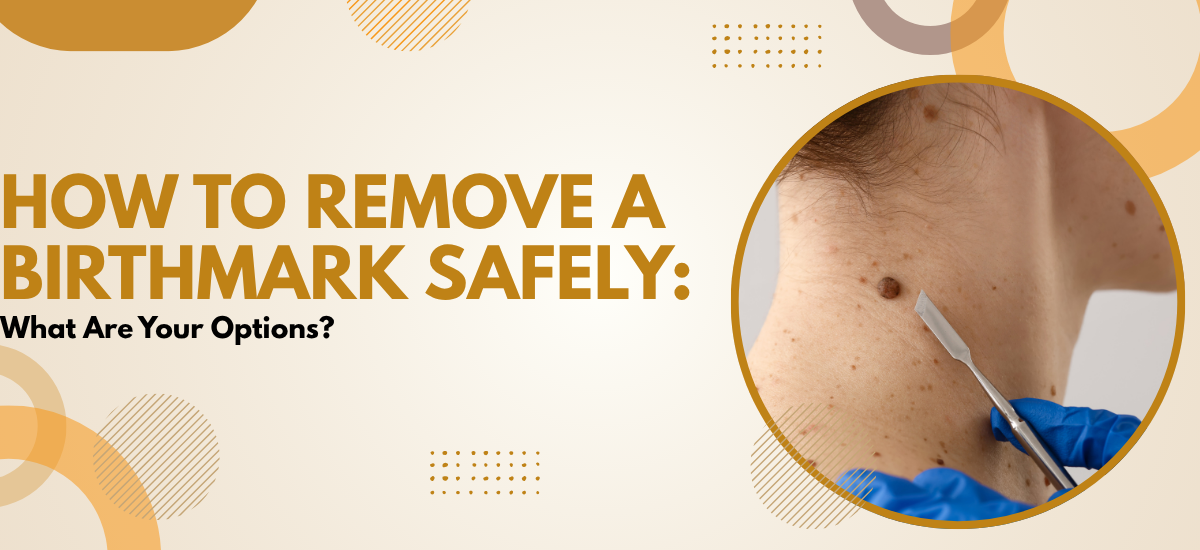
How to Remove a Birthmark Safely: What Are Your Options?

Posted on July 27, 2026June 9, 2026

Birthmark removal is not a single treatment. Vascular birthmarks involving blood vessels need different approaches than pigmented birthmarks involving melanin, and the depth of the mark changes what any treatment can realistically achieve. Getting those distinctions right before starting is what separates a course of treatment that works from one that wastes time and money.

According to Dr. Monisha Kapoor, a trusted plastic surgeon in Delhi, “The type of mark, its depth, and the patient’s skin tone all shape what treatment can achieve. An honest conversation about realistic outcomes before starting saves a lot of disappointment later.”

Want to know which birthmark removal option suits your specific case? Book a Consultation

What Are the Clinical Options for Birthmark Removal?

The treatment splits clearly by birthmark type, and the wrong approach applied to the wrong mark produces very little regardless of how many sessions are done.

Q-Switched Laser Used for pigmented birthmarks like café-au-lait spots and congenital nevi, targeting melanin directly and breaking up pigment clusters below the surface. Marks sitting close to the skin surface clear well across a course of sessions, while deeper pigmentation fades without always disappearing completely.

Pulsed Dye Laser The right tool for vascular birthmarks like port wine stains, where blood vessels rather than melanin are the target. Earlier treatment before the vessels thicken tends to produce more complete fading. Older, thickened port wine stains are harder to fully clear and often need more sessions over a longer period.

Laser Skin Toning Works progressively for lighter pigmented marks sitting in the upper skin layers, gradually reducing the contrast between the mark and surrounding skin across repeated sessions. Better suited as a fading strategy than a full clearance approach for most surface-level pigmented marks.

Surgical Excision Where laser cannot reach the full pigment depth, removing the lesion surgically through incision and closure is the most definitive option. The linear scar left behind is typically far less noticeable than the original raised mark it replaces.

Full detail on laser treatments for pigmentation and marks is on the laser skin toning service page.

What Should Patients Know Before Starting Birthmark Treatment?

A few realities determine whether treatment goes smoothly or ends in frustration and understanding them before the first session matters more than most patients expect.

Complete Removal Is Not Always Guaranteed Deep marks, large port wine stains, and birthmarks with significant dermal involvement often fade substantially without fully disappearing. That outcome is still worth pursuing, but patients who go in expecting complete clearance tend to stop treatment too early when results are actually building.

Skin Tone Changes the Approach Darker Indian skin reacts badly to aggressive laser settings, sometimes developing post-inflammatory hyperpigmentation at the treatment site. Conservative settings adjusted across sessions are how experienced clinicians avoid creating a new pigmentation problem exactly where the original mark was.

Results Take Time Six to ten sessions spaced several weeks apart is standard before meaningful visible change accumulates for most birthmark types. Judging progress after two sessions puts patients at entirely the wrong point in the process.

Medical Assessment Before Cosmetic Treatment Any mark being considered for removal should be clinically assessed before treatment starts. Large congenital nevi and any mark that has changed in size, border, or colour need medical evaluation before a cosmetic approach begins.

Patients wanting to understand pigmentation more broadly can read through the skin pigmentation blog, which covers causes and treatment approaches in detail.

Why Choose Dr. Monisha Kapoor to remove Birthmarks Safely?

Dr. Monisha Kapoor is India’s first woman aesthetic plastic surgeon admitted to the American Society of Aesthetic Plastic Surgery and holds active membership with ISAPS, with 25+ years of practice and over 10,000 procedures. Birthmark treatment at her Saket clinic starts with a proper clinical assessment of the mark type and depth before any laser or surgical approach is recommended, so patients go in with a clear and realistic picture of what the outcome will actually be.

📞 Call Now: +91 83739 84777

FAQs

Can all birthmarks be removed with laser?

No. Many pigmented and vascular marks respond well but complete removal depends on the type, depth, and skin tone.

Is birthmark removal safe on Indian skin?

Yes, when the correct laser type and settings are chosen. Improper settings can cause post-inflammatory darkening, which is why clinician experience matters.

How many sessions does birthmark removal typically take?

Most cases need six to ten sessions spaced several weeks apart, with results accumulating gradually rather than appearing after the first session.

At what age is it best to treat a birthmark?

Earlier treatment gives better results for vascular birthmarks. Pigmented marks can be treated at any age once a medical assessment confirms suitability.

References

  1. National Library of Medicine — Laser Treatment of Vascular and Pigmented Birthmarks: https://pubmed.ncbi.nlm.nih.gov/23379344/
  2. National Library of Medicine — Q-Switched Laser for Pigmented Lesions: Outcomes and Safety: https://pubmed.ncbi.nlm.nih.gov/26039966/
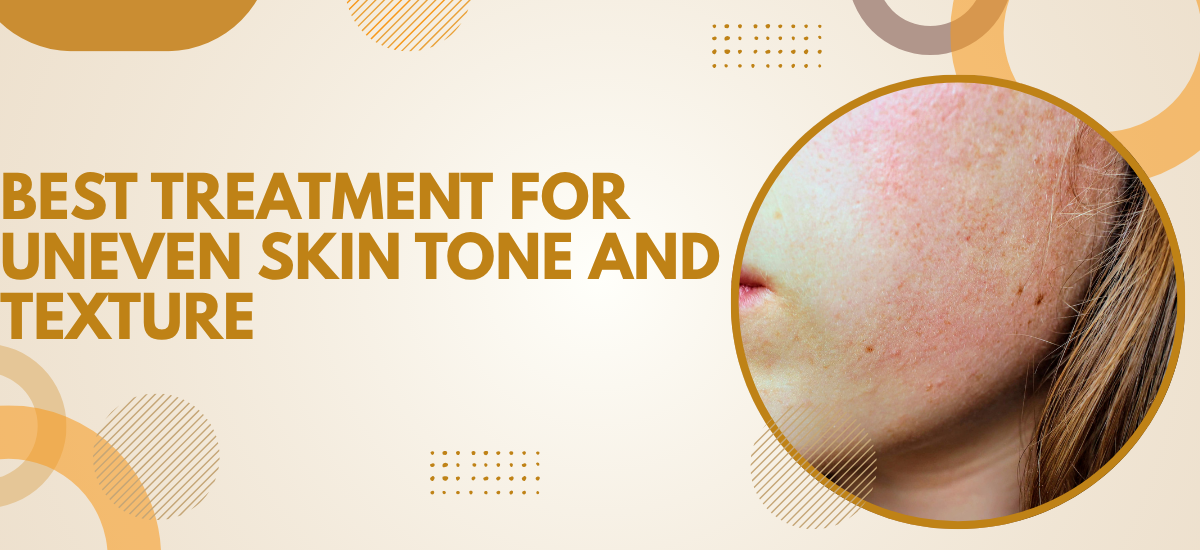
Best Treatment for Uneven Skin Tone and Texture

Posted on July 26, 2026June 9, 2026

Uneven skin tone and rough texture are two different problems that often show up together and treating them well starts with understanding what is actually driving each one. Tone issues come from pigmentation, sun damage, post-breakout marks, or melasma. Texture concerns come from enlarged pores, surface congestion, early scarring, or reduced skin renewal with age. The best treatment depends on which of these is the dominant concern and how deep the damage sits beneath the surface.

According to Dr. Monisha Kapoor, a trusted cosmetic surgeon in Delhi, “Patients come in wanting better skin without really knowing what is wrong with it. Tone and texture look similar in the mirror but they need different approaches. Getting that distinction right at the consultation is what determines whether the treatment actually delivers.”

Want an assessment of what is causing your uneven tone and texture? Book a Consultation

Which Treatments Work Best for Uneven Skin Tone and Texture?

The treatment options for these concerns are wide, and matching the right one to the right concern is what produces results that skincare at home simply cannot.

Halo BBL Hybrid Laser Halo combines ablative and non-ablative wavelengths in a single pass, hitting both surface damage and deeper dermal issues at once. Discoloration, sunspots, enlarged pores, fine lines, and poor texture all respond to it, which is why it consistently outperforms single-technology approaches when both tone and texture are the concern.

BBL Broadband Light BBL pushes intense pulsed light into the upper skin layers and stimulates the skin’s regenerative response. It works particularly well for tone irregularities from sun exposure and vascular changes, and results build with each session rather than plateauing after the first.

Chemical peels remove the damaged outer layer, clearing post-acne marks, surface congestion, and mild pigmentation while driving cell turnover underneath. Superficial peels handle surface texture, while medium-depth peels reach into the dermis where more stubborn tone issues are sitting.

Silk Peel Dermalinfusion Silk Peel exfoliates with a diamond-tipped handpiece while pushing targeted serums into freshly cleared tissue in the same pass. For surface congestion, dullness, and mild texture issues, the dual action gives immediate visible improvement with no downtime at all.

Full detail on how Halo BBL treats tone and texture is on the Halo BBL service page.

How Do You Know Which Treatment Is Right for Your Skin?

Choosing correctly comes down to identifying the primary concern, the skin type, and how much downtime a patient can actually work around.

Sun Damage and Age Spots BBL and Halo are the strongest options here since light-based treatments specifically target the melanin clusters responsible for sunspots and age-related discoloration. A single Halo session can clear years of accumulated damage that topical products barely touch.

Post-Acne Marks and Uneven Tone Chemical peels matched to the pigmentation depth work well for post-inflammatory hyperpigmentation, particularly on Indian skin where the formulation needs careful selection to avoid triggering further darkening. Multiple sessions are usually needed for full correction.

Surface Texture and Congestion Silk Peel and lighter peels suit patients where the concern is primarily at the surface level. Those wanting visible improvement with no recovery consistently get solid results from a short Silk Peel course.

Both Tone and Texture Together Halo is the strongest single option here since its hybrid wavelengths address surface and deep damage in one pass. Patients with significant combined concerns tend to see more from one Halo session than from several sessions of any single-modality treatment.

Patients dealing with ongoing pigmentation and wanting to understand what sits behind it can read through the skin pigmentation blog, which covers causes and how treatment approaches differ by type.

Why Choose Dr. Monisha Kapoor for uneven Skin and Texture Treatment?

Dr. Monisha Kapoor is India’s first woman aesthetic plastic surgeon admitted to the American Society of Aesthetic Plastic Surgery and holds active membership with ISAPS, with 25+ years of practice and over 10,000 procedures. Her clinic was the first in India to introduce Halo BBL, and every skin consultation at her Saket practice starts with identifying exactly what is driving the concern rather than defaulting to a standard protocol.

📞 Call Now: +91 83739 84777

FAQs

How many Halo BBL sessions are needed for uneven skin tone?

Most patients see significant improvement from one session, with two sessions addressing more advanced damage comprehensively.

Is Halo BBL safe for Indian skin tones?

Yes. Treatment intensity is customizable, making it suitable for darker Indian skin when correctly calibrated by an experienced clinician.

How long does it take to see results after Halo?

Initial improvement shows within two to five days, with pigmentary correction peaking across the first two to three weeks and dermal regeneration continuing for months.

Can uneven skin tone return after treatment?

Yes, without consistent SPF use. Sun exposure restimulates melanin production and gradually undoes correction over time.

References

  1. National Library of Medicine — Broadband Light and Laser Treatment for Pigmentation and Skin Texture: https://pubmed.ncbi.nlm.nih.gov/26039966/
  2. National Library of Medicine — Chemical Peels for Hyperpigmentation in Darker Skin Types: https://pubmed.ncbi.nlm.nih.gov/23688455/

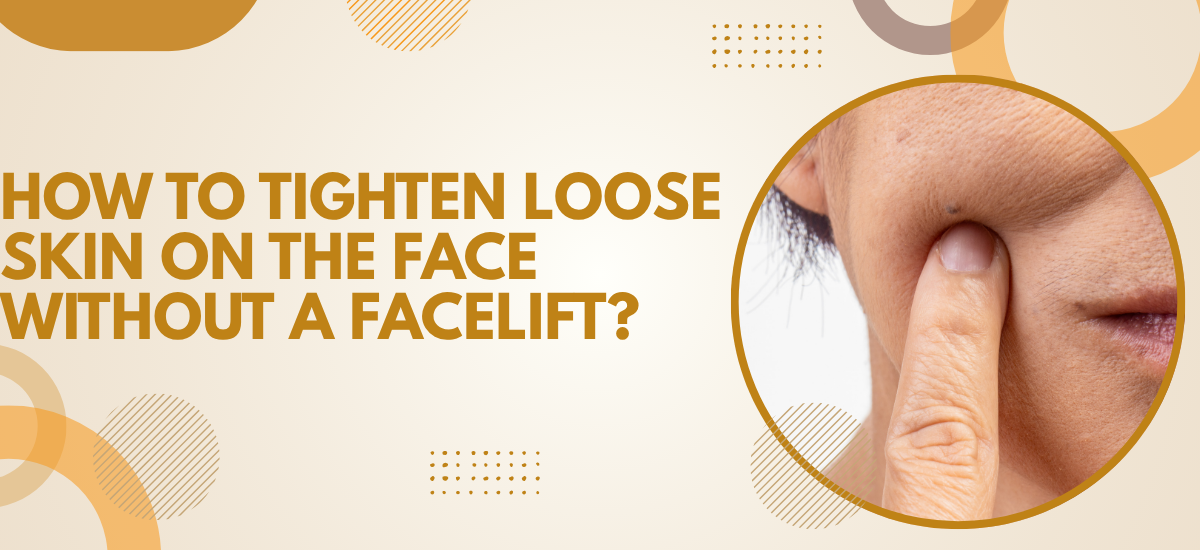
How to Tighten Loose Skin on the Face Without a Facelift?

Posted on July 25, 2026June 9, 2026

Facial skin loosens because collagen and elastin break down with age, and once that structural support goes, the skin stops bouncing back the way it used to. Surgery is not the only route to addressing it. Several clinical treatments stimulate the skin’s own collagen production, restore firmness, and produce visible results without any recovery time. None of them replicate what a facelift delivers for significant laxity, and knowing where that line sits helps patients pick the right option for where they actually are right now.

According to Dr. Monisha Kapoor, a trusted plastic surgeon in Delhi, “Non-surgical skin tightening works genuinely well for early to moderate laxity. Patients who come in at the right stage get real improvement. Those who wait until the laxity is significant and then expect a non-surgical fix to do what surgery does are setting themselves up for disappointment.”

Want to know which skin tightening option suits your concern? Book a Consultation

What Non-Surgical Options Actually Tighten Facial Skin?

Several clinical treatments firm the skin without incisions, and the right one depends on what is driving the laxity and how far along it is.

Pelleve Radiofrequency Pelleve sends radiofrequency energy into the deeper dermis, heating tissue enough to trigger new collagen production underneath. Skin tightens gradually over the following weeks, addressing jowl sagginess, neck laxity, and loose skin around the eyes with no downtime at all.

Laser Skin Resurfacing Fractional laser removes the damaged outer layer while pushing collagen remodeling deeper in the tissue. The skin that heals afterward comes back tighter and smoother, and results keep building for several months after the final session.

Dermal Fillers for Volume Age shrinks the fat pads underneath the skin and what sits above them descends with it. Replacing that volume with filler in the right zones lifts the overlying skin and changes the whole picture without tightening the surface directly.

Botox for Early Laxity Relaxing the depressor muscles along the brows and jaw creates a quiet upward shift with no recovery time. It is modest in effect but genuinely useful for patients at a very early stage who want a low-commitment starting point.

The full detail on how Pelleve works alongside other tightening methods is on the pelleve skin tightening service page.

Who Gets Good Results and Who Needs Surgery Instead?

Non-surgical tightening works within a specific range of laxity, and being realistic about that range stops patients from spending time and money on the wrong approach.

Early to Moderate Laxity Patients in their late 30s to early 50s whose skin has softened but not yet descended significantly respond well to radiofrequency and laser. Results are visible and hold with maintenance sessions across the year.

No-Downtime Candidates Pelleve carries no recovery period at all, which suits patients who cannot take time away from work or daily commitments between sessions.

Significant Laxity Needs Surgery Well-formed jowls, deep neck banding, and clearly descended skin are beyond what radiofrequency or fillers can structurally correct. At that point a facelift does what non-surgical treatment simply cannot, and continuing to invest in sessions that underdeliver only delays the outcome.

Maintenance After Surgery Patients who have already had a facelift use radiofrequency and fillers to slow the return of laxity over the years that follow, which is one of the strongest uses of these treatments once a surgical result is in place.

Patients thinking about whether surgery is ultimately the right direction can read through the facelift recovery blog, which covers what the procedure involves and how long the final result takes to settle.

Why Choose Dr. Monisha Kapoor for tightening Loose Skin without Facelift?

Dr. Monisha Kapoor is India’s first woman aesthetic plastic surgeon admitted to the American Society of Aesthetic Plastic Surgery and holds active membership with ISAPS, with 25+ years of practice and over 10,000 procedures. Non-surgical skin tightening consultations at her Saket clinic include an honest assessment of whether the treatment will actually deliver what the patient wants, rather than recommending something that will underperform for the concern being brought in.

📞 Call Now: +91 83739 84777

FAQs

How many Pelleve sessions are needed to tighten facial skin?

Most patients need two to three sessions spaced four to six weeks apart, with results building for several months after the final visit.

Does radiofrequency skin tightening hurt?

No. Pelleve involves a warming sensation rather than sharp heat, making it one of the more comfortable tightening options available.

At what age should someone consider non-surgical skin tightening?

There is no fixed age. Early to moderate laxity responds best, typically noticeable from the late 30s onward depending on genetics and sun exposure.

How long do non-surgical skin tightening results last?

Radiofrequency results last around 12 to 18 months before a maintenance session is needed to keep the collagen stimulation going.

References

  1. National Library of Medicine — Radiofrequency Skin Tightening: Clinical Outcomes and Patient Satisfaction: https://pubmed.ncbi.nlm.nih.gov/24918873/
  2. National Library of Medicine — Non-Surgical Facial Rejuvenation: Review of Current Options: https://pubmed.ncbi.nlm.nih.gov/30188255/

What Makes a Plastic Surgery Facility Safe? Accreditation Explained

Posted on July 25, 2026June 9, 2026

Most patients spend a lot of time researching their surgeon and almost no time thinking about where the surgery actually takes place. The operating environment, its equipment, sterilization standards, and the team running it, shapes outcomes just as much as the surgeon’s skill does, and a well-qualified surgeon working in a poorly equipped facility is a risk patients rarely think to ask about.

According to Dr. Monisha Kapoor, a trusted cosmetic surgeon in Delhi, “Patients ask about my qualifications, which is the right question. But fewer ask about where I operate and what the facility can handle if something goes wrong. That question matters just as much, and patients deserve a straight answer to it.”

Want to know what facility standards are maintained at the clinic? Book a Consultation

What Makes a Plastic Surgery Facility Genuinely Safe?

A safe surgical facility is not just a clean room with good lighting. Specific standards need to be in place for the environment to actually protect the patient.

Proper Anesthesia Support General anesthesia needs a qualified anesthesiologist, not a nurse administering sedation. Equipment needs to be calibrated, maintained, and capable of handling a complication if one arises during the procedure.

Sterile Operating Environment Infection is one of the most common post-surgical complications and it comes from the facility far more often than from the surgeon’s hands. A proper theatre has laminar airflow, sterile instrument sets, and protocols that are followed every time rather than most of the time.

Emergency Protocols and Backup Complications during surgery are rare but real. Resuscitation equipment needs to be on hand, staff need to know the emergency protocol, and there needs to be a clear plan for getting a patient to a hospital quickly if the situation escalates.

Qualified Support Staff The surgical team goes well beyond the surgeon in the room. Scrub nurses, circulating nurses, and recovery staff all need proper training, and cutting costs on support staff cuts directly into the safety margin of every procedure.

The facility and infrastructure at the clinic can be reviewed on the facilities page.

What Should Patients Ask About Accreditation Before Booking?

Accreditation is a formal external check on a facility’s standards, and it is the fastest way for patients to get some independent assurance without personally inspecting everything themselves.

What Accreditation Actually Means An accredited facility has been assessed against defined standards for safety, sterilization, equipment maintenance, and staff qualifications by an independent body. In India, NABH covers hospitals and day surgery centers. The assessment repeats regularly and facilities can lose accreditation if standards drop between cycles.

Non-Accredited Does Not Automatically Mean Unsafe Plenty of good private clinics in Delhi operate without formal accreditation, particularly smaller specialist practices. Without it though, patients need to ask more direct questions rather than fewer about what is actually in place.

Questions Worth Asking Before You Book Where exactly will surgery happen, is there a qualified anesthesiologist, what sterilization protocol is used, what happens in a genuine emergency, and how many procedures at this complexity level has the facility handled. Clinics that struggle to answer these are telling patients something worth knowing.

Red Flags Patients Tend to Miss Surgery performed in a consultation room, sedation given by someone without anesthesia qualification, no clear emergency protocol, and staff who cannot answer basic questions about equipment maintenance all point to a facility that is not meeting the standard the procedure needs.

Patients wanting a wider understanding of how to evaluate a surgeon and clinic together can read through the cosmetic surgeon in Delhi blog, which covers credentials and what to verify before booking.

Why Choose Dr. Monisha Kapoor for Cosmetic Surgery?

Dr. Monisha Kapoor is India’s first woman aesthetic plastic surgeon admitted to the American Society of Aesthetic Plastic Surgery and holds active membership with ISAPS, with 25+ years of practice and over 10,000 procedures. Surgery at her Saket clinic is performed in a proper operating theatre with a qualified anesthesiologist, sterile protocols, and full resuscitation backup, the same standards she would expect for herself.

📞 Call Now: +91 83739 84777

FAQs

What is NABH accreditation and does it matter for cosmetic surgery?

NABH is India’s National Accreditation Board for Hospitals. For surgery under general anaesthesia, an accredited or equivalent facility meaningfully reduces avoidable risk.

Can cosmetic surgery be safely done in a clinic rather than a hospital?

Yes, if the clinic has a proper theatre, qualified anesthesia team, sterile protocols, and emergency backup. The label matters less than what is actually inside.

How do I verify a facility’s safety before booking?

Ask where surgery will happen, who administers anesthesia, what the emergency protocol is, and whether the facility is accredited. A solid clinic answers all of this without hesitation.

Is a cheaper facility always less safe?

Not automatically, but very low facility fees combined with vague answers about sterility and staffing are worth taking seriously before committing.

References

  1. National Library of Medicine — Surgical Facility Accreditation and Patient Safety Outcomes: https://pubmed.ncbi.nlm.nih.gov/23897391/
  2. National Library of Medicine — Infection Control Standards in Ambulatory Surgery Centres: https://pubmed.ncbi.nlm.nih.gov/25978422/

How to Prepare for Plastic Surgery?: A Pre-Op Checklist

Posted on July 24, 2026June 8, 2026

Good preparation before plastic surgery is not optional, it directly affects how smoothly the procedure goes, how quickly recovery moves, and how low the complication risk stays. Most patients focus all their attention on the surgery itself and give the weeks before it very little thought. That gap is where a lot of avoidable problems start.

According to Dr. Monisha Kapoor, a trusted plastic surgeon in Delhi, “Patients who prepare properly before surgery recover faster and have fewer complications. The pre-op period is where the patient’s effort makes the biggest difference, and most people don’t realise that until after they’ve been through it once.”

Ready to book your consultation and understand what preparation your procedure needs? Book a Consultation

What to Do in the Weeks Before Surgery?

The preparation window typically runs four to six weeks before the procedure date, and several things need to be sorted well ahead of time rather than the night before.

Stop Smoking Early Smoking restricts blood flow and dramatically slows wound healing. Most surgeons ask patients to stop at least four to six weeks before surgery, not one or two days before. Skin that heals poorly from nicotine exposure is one of the most common reasons for extended recovery and poor scarring.

Review All Medications and Supplements Blood thinners, aspirin, ibuprofen, fish oil, vitamin E, and herbal supplements all increase bleeding risk. These need to be stopped at least two weeks before surgery after clearing it with the prescribing doctor. The list of what to pause is longer than most patients expect, so bring everything to the pre-op appointment.

Complete All Pre-Operative Investigations Blood work, ECG for patients over 40, chest X-ray where required, and any specific tests the surgeon orders need to be done early enough that results are back before the procedure date. Last-minute results that delay surgery are avoidable with proper planning.

Sort the Recovery Environment at Home Arrange a comfortable recovery space before the day of surgery, not after. This means having prescribed medications filled, loose comfortable clothing ready, meals prepared or organised, and a support person confirmed for at least the first 48 to 72 hours. Trying to arrange these things while recovering from anaesthesia is considerably harder than it sounds.

The full range of surgical procedures available at the clinic is on the plastic surgery treatment pages.

What to Do in the Final 24 to 48 Hours Before Surgery?

The day before and morning of surgery have their own specific requirements, and getting these wrong can result in the procedure being postponed.

Follow Fasting Instructions Precisely General anaesthesia requires an empty stomach. The standard instruction is nothing to eat or drink, including water, for six to eight hours before the procedure. Patients who ignore this risk aspiration under anaesthesia, which is a serious and entirely preventable complication.

Arrange Transport and a Support Person Driving after general anaesthesia is not safe and not permitted. A support person needs to be confirmed to bring the patient home and stay for at least the first night. Relying on a cab alone without someone to stay is not appropriate after a surgical procedure.

Remove Nail Polish and Avoid Makeup Anaesthesia teams monitor oxygen levels through the fingertips, and nail polish interferes with the reading. Makeup, moisturisers, and skincare products should be left off on the day of surgery. Arrive clean to the facility with nothing on the face or nails.

Leave Jewellery and Valuables at Home All jewellery, piercings, contact lenses, and hairpins need to be removed before surgery. Metal items can interfere with diathermy equipment used during procedures and cause burns. It is easier to leave them at home than to deal with removal at the facility on the day.

Patients who want guidance on choosing the right surgeon before committing to any procedure can read through the cosmetic surgeon in Delhi blog, which covers credentials and what to verify before booking.

Why Choose Dr. Monisha Kapoor for Plastic Surgery?

Dr. Monisha Kapoor is India’s first woman aesthetic plastic surgeon admitted to the American Society of Aesthetic Plastic Surgery and holds active membership with ISAPS, with 25+ years of practice and over 10,000 procedures. Every patient at her Saket clinic receives a detailed pre-operative briefing covering exactly what to do and what to avoid before their procedure, so nothing is left to guesswork on the day of surgery.

📞 Call Now: +91 83739 84777

FAQs

How far in advance should I stop blood-thinning supplements before surgery?

At least two weeks before the procedure date, and only after confirming with the doctor who prescribed any regular medication being paused.

Can I eat or drink anything on the morning of surgery?

No. Nothing to eat or drink, including water, for six to eight hours before general anaesthesia. Follow the specific fasting instructions given by the clinic exactly.

What should I wear on the day of surgery?

Loose, comfortable clothing that does not need to be pulled over the head. Front-opening tops are ideal for procedures involving the face, chest, or upper body.

How soon after surgery can I be alone at home?

A support person should stay for at least the first 24 to 48 hours after any procedure involving general anaesthesia. Being alone immediately after surgery is not advisable regardless of how well the patient feels on waking.

References

  1. National Library of Medicine — Pre-Operative Patient Preparation and Surgical Outcomes: https://pubmed.ncbi.nlm.nih.gov/24267527/
  2. National Library of Medicine — Smoking Cessation Before Elective Surgery: Impact on Wound Healing: https://pubmed.ncbi.nlm.nih.gov/22373014/

Can You Breastfeed After Breast Augmentation or Reduction?

Posted on July 23, 2026June 8, 2026

This is one of the most common questions women ask before breast surgery, and the honest answer is: it depends. Breastfeeding after breast augmentation is possible for most women. After breast reduction it is more variable, largely because the procedure involves removing glandular tissue and repositioning the nipple, both of which affect milk production and delivery differently depending on the technique used and the degree of reduction performed.

According to Dr. Monisha Kapoor, a trusted cosmetic surgeon in Delhi, “Whether a woman can breastfeed after breast surgery depends almost entirely on how much glandular tissue was preserved and whether the nipple-areola connection to the ducts stayed intact. These are questions that need honest answers at the consultation, not reassurances.”

Planning breast surgery and want clarity on your breastfeeding options? Book a Consultation

Can You Breastfeed After Breast Augmentation?

Most women who have had breast augmentation can breastfeed, and the procedure generally has a lower impact on breastfeeding than reduction does.

Implant Placement Matters Implants placed under the muscle rather than directly behind the gland tend to preserve milk ducts and glandular tissue better. Sub-muscular placement keeps the gland largely undisturbed, which is why surgeons who prioritise future breastfeeding typically recommend this approach.

Incision Location Plays a Role Incisions made through the areola carry a higher risk of disrupting milk ducts and nerve supply to the nipple than incisions placed under the breast fold or through the armpit. Women who know they want to breastfeed should discuss incision placement at the consultation rather than after surgery.

Reduced Sensation Affects Let-Down Nerve disruption around the nipple, which can occur with any breast incision, sometimes affects the let-down reflex. This does not always prevent breastfeeding but can make it harder to establish in the early weeks after delivery.

Most Women Breastfeed Successfully Research consistently shows the majority of women with implants can breastfeed, though some report lower milk supply than expected. The concern is real but not universal, and it should be a conversation rather than an assumption either way.

Full detail on breast augmentation and related procedures is on the breast surgery service page.

Can You Breastfeed After Breast Reduction?

Breast reduction carries a higher risk to breastfeeding than augmentation, and this needs to be addressed directly before surgery rather than discovered after.

Glandular Tissue Removal Is the Core Issue Reduction removes breast tissue including glandular tissue responsible for milk production. The more tissue removed, the greater the potential impact on milk supply. Women planning a large reduction need to understand this tradeoff clearly rather than assume breastfeeding will be unaffected.

Nipple Pedicle Technique Preserves More Modern breast reduction techniques maintain the nipple on a pedicle of tissue that keeps the blood supply and nerve connections intact. This approach preserves a better chance of breastfeeding compared to older free nipple graft techniques that detach the nipple completely.

Free Nipple Grafting Significantly Reduces the Chance Very large reductions sometimes require the nipple to be removed, trimmed, and reattached as a graft. When this happens, the milk ducts are severed and breastfeeding becomes unlikely in most cases. Patients planning very large reductions should be told this upfront.

Partial Breastfeeding Remains Possible Even where milk supply is reduced, many women can partially breastfeed and supplement with formula. A reduced supply is not the same as no supply, and working with a lactation consultant after delivery gives women the best chance of maximising whatever supply they have.

Patients wanting a deeper understanding of breast reduction surgery and what the procedure involves can read through the breast reduction blog which covers techniques and candidacy in full.

Why Choose Dr. Monisha Kapoor for Breast Augmentation Surgery ?

Dr. Monisha Kapoor is India’s first woman aesthetic plastic surgeon admitted to the American Society of Aesthetic Plastic Surgery and holds active membership with ISAPS, with 25+ years of practice and over 10,000 procedures. Every breast surgery consultation at her Saket clinic includes an honest conversation about future breastfeeding plans, with technique recommendations made around the patient’s priorities rather than defaulting to a standard approach.

📞 Call Now: +91 83739 84777

FAQs

Does breast augmentation always affect breastfeeding?

Not always. Most women with implants can breastfeed, though some experience reduced milk supply. Sub-muscular implant placement and non-areolar incisions preserve the best breastfeeding potential.

What is the safest breast reduction technique for preserving breastfeeding?

Pedicle techniques that keep the nipple attached to underlying tissue throughout the procedure preserve the best chance. Free nipple grafting, used in very large reductions, significantly reduces breastfeeding likelihood.

Should I delay breast surgery until after I finish having children?

For reduction, many surgeons advise waiting if breastfeeding is a priority, since a subsequent pregnancy can also change breast size and affect results. For augmentation, the timing decision is more personal and case dependent.

Can I breastfeed if only one breast had surgery?

Yes. The unaffected breast can often produce enough milk to breastfeed, and the operated side may still contribute depending on how much tissue and nerve supply was preserved.

References

  1. National Library of Medicine — Breastfeeding After Breast Augmentation: Systematic Review: https://pubmed.ncbi.nlm.nih.gov/21442630/
  2. National Library of Medicine — Lactation After Breast Reduction Surgery: https://pubmed.ncbi.nlm.nih.gov/18090763/

Posts pagination

Page 1 Page 2 Page 3 Next page

Month: July 2026

Recent Posts

  • Lip Lift vs Lip Filler: Which Lasts Longer?
  • What Is Breast Augmentation and How Is It Done?
  • Is a Hair Transplant Permanent? What to Expect?
  • Brazilian Butt Lift Recovery: Week-by-Week Guide
  • What Is Halo BBL and What Skin Issues It Treats?

Archives

  • August 2026
  • July 2026
  • June 2026
  • May 2026
  • December 2023
  • July 2023
  • April 2023
  • July 2020
  • June 2020
  • November 2019
  • August 2019
  • August 2018
  • April 2018
  • March 2018
  • January 2018
  • December 2017
  • October 2017
  • September 2017
  • July 2017
  • June 2017
  • April 2017
  • December 2016
  • November 2016
  • October 2016
  • September 2016
  • August 2016
  • July 2016
Footer – Dr. Monisha Kapoor
Plastic Surgeon · Delhi NCR
Dr. Monisha Kapoor

Dr. Monisha Kapoor

M.Ch. Plastic Surgery  ·  25+ Years of Practice  ·  10K+ Procedures

About

A practice built on precision. Board-certified plastic surgeon affiliated with the International Society of Aesthetic Plastic Surgery and the American Society of Aesthetic Plastic Surgery. Every consultation begins with listening — and every outcome is designed around your anatomy, your goals, and your vision of yourself.

Navigation

  • Dr's Desk
  • Facilities & Infrastructure
  • Blog
  • News & Updates
  • Career
  • Contact
  • Privacy Policy

Contact

18, Block J, Saket
New Delhi – 110017
011-40666307 / 08
+91 83739 84777
+91 8860851727
plasticsurgeonmonisha@gmail.com
Follow Connect

Disclaimer: The information on this website is provided for informational purposes only and is not meant to substitute the advice of your doctor or other healthcare professional. You should not use this information for diagnosing or treating a health problem or disease, or prescribing any medication. All images used are for illustrative purposes only; actual results and process may vary.

© 2026 plasticsurgeonmonisha.com All Rights Reserved

    Doctor

    Dr. Monisha Kapoor

    Delhi's Top Plastic Surgeon


    25+ Years Experience

    10,000+ Happy Customers
    Hair, Skin, Body, Face

    Book An Appointment

    WhatsApp
    HiHello 👋, welcome to Dr. Monisha Kapoor Aesthetics
    Can we help you?
    Open Chat
    Powered by Joinchat