Book An Appointment 📞 Call Now
Dr. Monisha Kapoor
  • Home
  • About Us
  • Treatments
    • Hair
      • Hair Transplant
    • Body
      • Liposuction
      • Six Pack Abs
      • Hour Glass Shape
      • Brazilian Butt Lift
      • Thigh Gap
      • Full Body Lift
      • Vaginal Revitalisation
      • Hand & Feet Revitalisation
      • Tummy Tuck
      • Breast Surgery
      • Male Chest Reshaping
      • Male Chest Reduction
      • Mommy Makeover
      • Men Makeover
    • Skin
      • Zein Obegi's Skin Treatment
      • Chemical Peels
      • Hydra Facial
      • Silk Peel
      • Pelleve Skin Tightening
      • IPL Foto Facials
      • Tri Active Deka Peel
      • Tattoo Removal
      • Laser Skin Toning
      • Laser Hair Reduction
      • Full Body Polishing
      • Halo BBL
    • Face
      • Acne Scar Treatment
      • Face & Neck Lift
      • Forehead
      • Neurotoxin and Fillers
      • Brows
      • Eyes
      • Nose
      • Cheeks
      • Lips
      • Chin
      • Face Bone Alteration
      • Dimple Creation
      • Face Thinning
      • Permanent Makeup
  • Resources
    • Facilities & Infrastructure
    • Media
    • Photos
    • Blog
    • Case Studies
  • Contact Us
+91-8860851727

Blog

Recent Posts

  • What Is Full Body Polishing and What Results Can You Expect?
  • Why Patients Travel to Delhi for Cosmetic Surgery?
  • What Is Facial Bone Alteration and What Can It Reshape?
  • Are Dermal Fillers Safe? Risks and Side Effects Explained
  • What Is a Silk Peel (Dermalinfusion) and Who Should Get It?

Archives

  • July 2026
  • June 2026
  • May 2026
  • December 2023
  • July 2023
  • April 2023
  • July 2020
  • June 2020
  • November 2019
  • August 2019
  • August 2018
  • April 2018
  • March 2018
  • January 2018
  • December 2017
  • October 2017
  • September 2017
  • July 2017
  • June 2017
  • April 2017
  • December 2016
  • November 2016
  • October 2016
  • September 2016
  • August 2016
  • July 2016

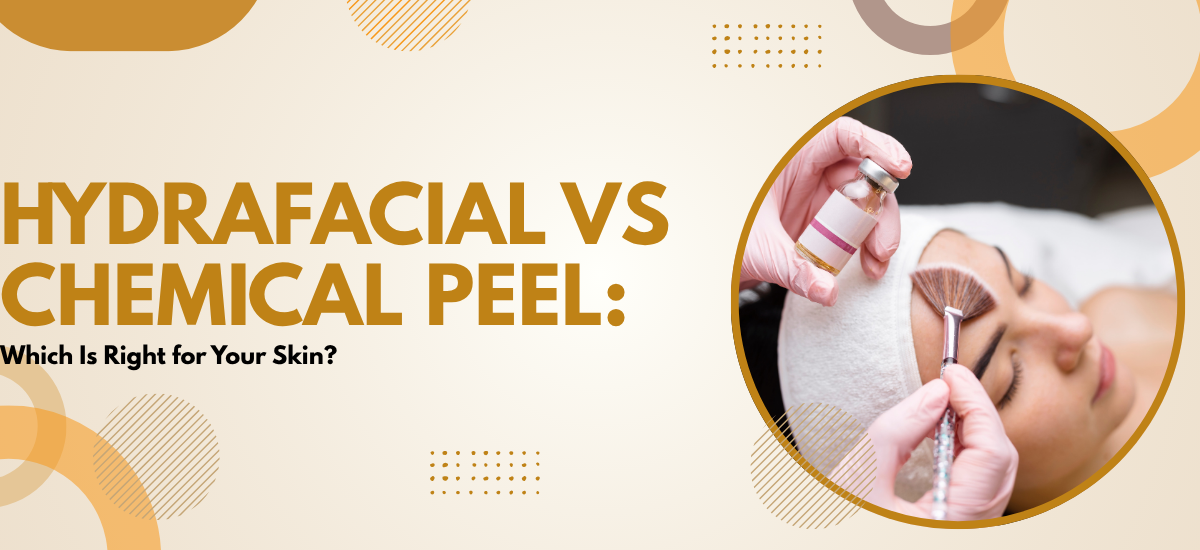
HydraFacial vs Chemical Peel: Which Is Right for Your Skin?

Posted on June 30, 2026May 27, 2026


A HydraFacial cleanses, clears your pores, and floods the skin with moisture in a single pass, and you walk out with no recovery at all. A peel is the heavier option, using acid to strip away damaged layers so fresh skin comes through, which costs you a few days of downtime but hits tougher problems harder.Both promise brighter, smoother skin, but they get there by very different routes. 

According to Dr. Monisha Kapoor, an experienced plastic surgeon in Delhi, “A HydraFacial is maintenance, a peel is correction, so the honest question isn’t which is better, it’s whether your skin needs a polish or an actual reset.” 

Factor

HydraFacial Chemical Peel

Depth

Surface, gentle Deeper resurfacing

Downtime

None

A few days

Best for Glow, hydration

Pigmentation, scars

Intensity Mild

Stronger

Not sure whether your skin needs a polish or a deeper reset? Book Appointment

How Does Each One Work?

Depth is the whole story here, really.

  • The HydraFacial runs a vortex tip across your skin, cleansing, lightly buffing, vacuuming the pores, then soaking everything in serum, and the whole thing feels more like a spa hour than a treatment
  • A peel does something blunter. Acid goes on, the damaged top layers dissolve, and over the next days they flake off to uncover newer skin beneath
  • How deep that acid reaches is a dial, light, medium, or deep, and the recovery climbs right alongside the strength you pick
  • The facial stays deliberately mild, which is the entire reason it skips the redness and peeling that a real chemical peel puts you through

One polishes, the other resurfaces, plain and simple. A chemical peel earns its place when the problem sits deeper than any facial can reach, think pigmentation or old acne scars.

Which One Is Right for Your Skin?

Comes down to two things, what you’re fixing and how much downtime you can stomach.

  • Glow before a wedding, or just keeping skin happy month to month? The HydraFacial wins on the spot, no recovery to plan around
  • Stubborn pigmentation, sun damage, real acne scars? That’s peel territory, the kind of correction a facial can’t fake
  • Touchy, easily-irritated skin usually takes the HydraFacial in its stride, whereas a peel wants more caution and the right strength dialed in
  • And honestly, lots of people do both, a round of peels to fix things, then HydraFacials to hold the result

Pigmentation is one of the main reasons people turn to peels, so this skin pigmentation guide is worth a read before you choose.

Why Choose Dr. Monisha Kapoor for Skin Treatments?

Dr. Monisha Kapoor was the first Indian woman aesthetic plastic surgeon admitted to the American Society of Aesthetic Plastic Surgery, and she carries ISAPS membership alongside more than 15 years of cosmetic practice. She won’t upsell you a peel when a facial would do, and she’ll push for the peel when your skin genuinely needs it, with every setting tuned for Indian skin.

📞 Call Now: +91 83739 84777

FAQs

1)Is a HydraFacial or chemical peel better?

Neither is universally better, it depends on whether you need maintenance or deeper correction.

2)Which has more downtime?

A chemical peel has a few days of downtime, while a HydraFacial has none.

3)Which is better for pigmentation?

A chemical peel usually works better for pigmentation and sun damage.

4)Can I combine the two?

Yes, many people use peels to correct and HydraFacials to maintain results.


References

  1. American Academy of Dermatology — Chemical Peels Overview
  2. National Library of Medicine — Chemical Peels and Skin Resurfacing
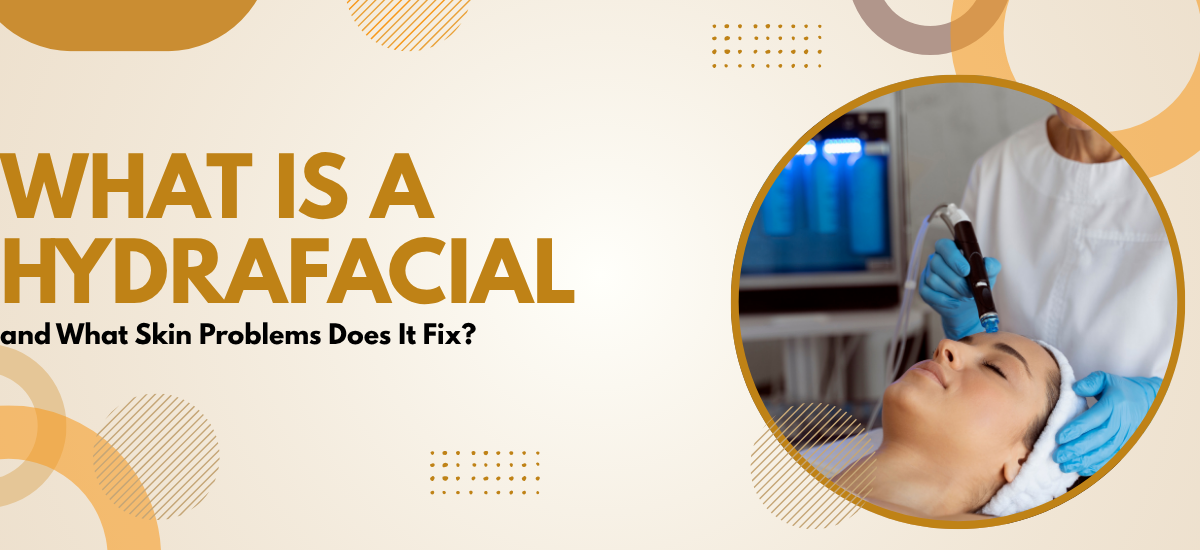
What Is a HydraFacial and What Skin Problems Does It Fix?

Posted on June 29, 2026May 27, 2026


A HydraFacial is a non-invasive treatment that cleanses, exfoliates, extracts, and hydrates the skin in a single session using a patented vortex device. It suits almost every skin type and tackles dullness, clogged pores, and uneven texture without the downtime of harsher treatments. Think of it as a deep reset for tired, congested skin.

According to Dr. Monisha Kapoor, an experienced plastic surgeon in Delhi, “What people love about a HydraFacial is the instant glow with zero recovery, but the real value is what it does over a course, steadily clearing congestion and improving texture rather than just a one-off shine.”

Want clearer, fresher skin without any downtime? Book Appointment

How Does a HydraFacial Work?

A few quick steps, one sitting, each pulling its own weight.

  • First it cleanses and lightly exfoliates, sweeping off the dead cells and surface grime that leave skin looking flat
  • A gentle acid peel follows, loosening the gunk wedged deep in pores, minus the sting you’d get from a regular peel
  • The vortex tip then vacuums out blackheads and buildup, and this is the bit that actually empties pores instead of just hiding them
  • To finish, hydrating serums and antioxidants flood in, and the skin looks plump and lit-up right away

That’s several treatments folded into one painless session. A HydraFacial can be tuned with different serums too, depending on whether you’re fighting dryness, ageing, or congestion.

What Skin Problems Does It Actually Fix?

Its range is wide, and that’s a big reason people keep going back.

  • Blackheads and clogged pores clear up well, because the extraction step physically pulls out what’s been collecting in there
  • Dull, patchy skin brightens noticeably once the exfoliation, and the flood of moisture work together
  • Early dryness and fine lines soften as the serum’s plump things up, though don’t expect it to stand in for real anti-ageing work
  • Even oily and combination skin do nicely, since the deep cleanse evens things out without stripping or stinging

If clogged pores are the thing that really bugs you, these open pores guide goes into treating them beyond a single facial.

Why Choose Dr. Monisha Kapoor for a HydraFacial?

Dr. Monisha Kapoor was the first Indian woman aesthetic plastic surgeon admitted to the American Society of Aesthetic Plastic Surgery, and she carries ISAPS membership alongside more than 15 years of cosmetic practice. Rather than running the same routine on everyone, she tunes each HydraFacial to whatever your skin actually needs, so you see real change across a course instead of a glow that’s gone by the weekend.

📞 Call Now: +91 83739 84777

FAQs

1)Is a HydraFacial suitable for all skin types?

 Yes, it suits most skin types, including sensitive and oily skin.

2)Is there any downtime after a HydraFacial? 

No, there is no downtime and the skin looks fresh immediately.

3)How often should I get a HydraFacial? 

Around once a month is common for maintaining clear, glowing skin.

4)Does a HydraFacial help with acne?

 It helps with congestion and mild breakouts but is not a standalone acne cure.


References

  1. American Academy of Dermatology — Facial Treatments Overview
  2. National Library of Medicine — Hydradermabrasion and Skin Health

Hair Transplant Recovery: Week-by-Week Healing Timeline

Posted on June 28, 2026May 27, 2026


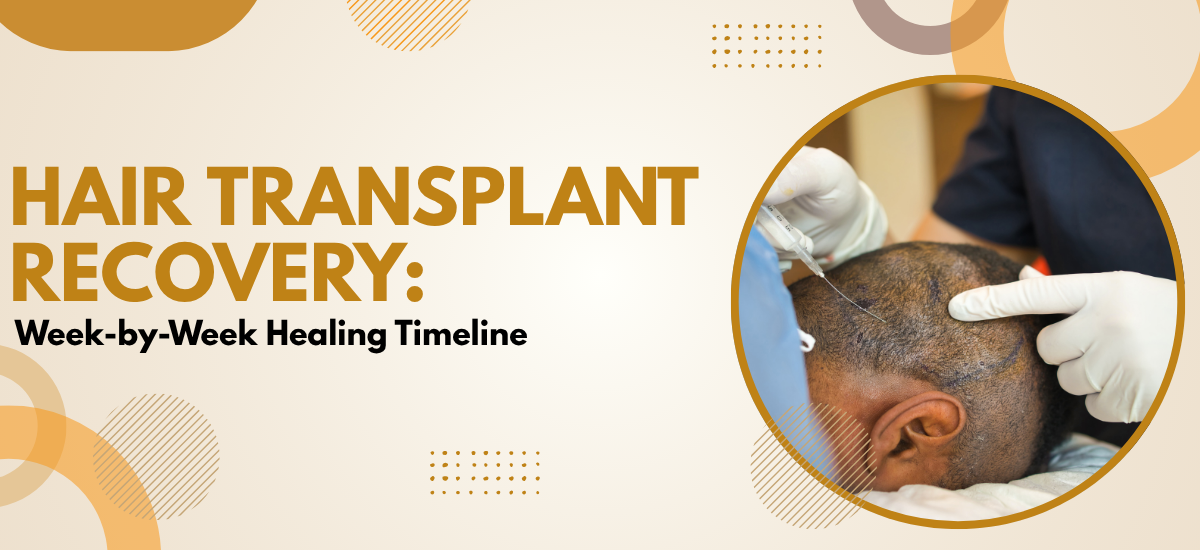
Hair transplant recovery runs through predictable stages, beginning with tenderness and tiny scabs in the first week and moving toward visible new growth over several months. The early phase is about protecting the fragile grafts, while the real results arrive far later. Most people underestimate how much recovery is simply patience. The first week brings tenderness and tiny scabs, and the job then is simply protecting fragile grafts while they take. The real results, though, show up far down the line rather than in those early days.

According to Dr. Monisha Kapoor, an experienced plastic surgeon in Delhi, “The hardest part for patients isn’t the procedure, it’s the shedding phase a few weeks in, when the transplanted hair falls out and they panic, not realizing that’s exactly the cycle working as it should.”

Planning a hair transplant and want to know what recovery looks like? Book Appointment

What Does the Week-by-Week Timeline Look Like?

Healing comes in clear phases, and knowing each one keeps the worry in check.

  • The opening week is the delicate one, full of tenderness, a little swelling, and small scabs around each graft, so both the donor and recipient areas need a gentle touch
  • By the second week those scabs flake off on their own and the grafts have begun settling, which is usually when people stop hiding under a cap
  • Then the shedding starts, somewhere around weeks three to six, and the new hairs drop out, alarming almost everyone who doesn’t know it’s meant to happen
  • After that it goes quiet. The follicles sit dormant underneath, doing nothing visible while they prepare for the real growth

Healing here almost never feels like a straight line. A hair transplant comes with aftercare built around guarding the grafts through exactly these fragile early weeks.

When Does New Hair Actually Grow?

This is the stretch that tests your patience, because the payoff lands months out.

  • Growth usually breaks through at three to four months, thin and wispy at the start, easy to miss
  • By the six-month mark there’s a real, visible improvement, even though the hair is still busy thickening
  • The fuller result tends to arrive between nine and twelve months, and the crown can take a touch longer than the front
  • What grows in stays, since those relocated follicles never lose the balding resistance, they had at the back of your head

Every procedure heals on its own clock, so for a sense of how staged recovery tends to play out, this recovery timeline for another surgery makes a useful comparison.

Why Choose Dr. Monisha Kapoor for a Hair Transplant?

Dr. Monisha Kapoor was the first Indian woman aesthetic plastic surgeon admitted to the American Society of Aesthetic Plastic Surgery, and she carries ISAPS membership alongside more than 15 years of cosmetic practice. She walks every patient through the stages beforehand, the shedding phase most of all, so the timeline feels expected rather than frightening and the grafts stay protected right through to full growth.

📞 Call Now: +91 83739 84777

FAQs

1)How long does hair transplant recovery take?

The initial healing takes about two weeks, but full results take nine to twelve months.

2)Why does transplanted hair fall out?

Shedding around weeks three to six is a normal part of the growth cycle.

3)When will I see new hair growth?

New growth usually begins around three to four months after the procedure.

4)When can I return to work?

Most people return to work within a week, depending on the job and visibility.


References

  1. American Society of Plastic Surgeons — Hair Transplant Recovery
  2. National Library of Medicine — Hair Restoration Healing

Hair Transplant Cost in Delhi: What Affects the Price?

Posted on June 27, 2026May 27, 2026


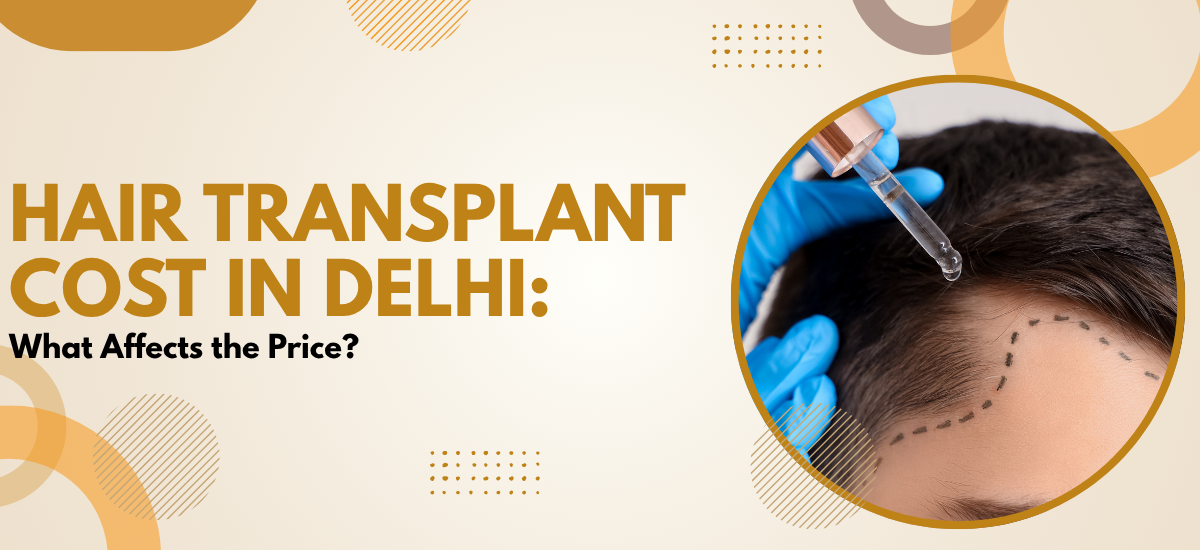
Hair transplant cost in Delhi isn’t a single fixed figure, since it depends mainly on how many grafts you need, the technique used, and the surgeon’s experience. A small hairline touch-up sits at one end, while restoring a largely bald crown sits far higher. Understanding the variables helps you judge a quote rather than just chase the lowest one.

According to Dr. Monisha Kapoor, an experienced plastic surgeon in Delhi, “The cheapest quote is often the most expensive in the long run, because a botched transplant either can’t be fixed or costs far more to correct than doing it properly the first time.”

Want a clear, honest quote based on your actual needs? Book Appointment

What Drives the Price Up or Down?

A handful of factors do most of the work in setting your final cost.

  • Graft count is the biggest lever, since most clinics price per graft, so a larger bald area naturally costs more to cover
  • Technique matters too, with FUE generally costing more than FUT because extracting follicles one by one is far more labor-intensive
  • The surgeon’s experience and reputation shift the price, and a skilled, certified surgeon rightly charges more than an unsupervised technician
  • Then there’s the setup, since an accredited facility with proper anesthesia and a trained team costs more than a cut-price clinic

So price reflects far more than graft numbers alone. A trustworthy hair transplant quote should break down the grafts, technique, and who’s actually performing it.

How Do You Judge Value Rather Than Just Cost?

Cheaper rarely means better when it’s your hairline on the line.

  • Ask exactly who performs the procedure, because some low-cost clinics hand most of the work to technicians rather than the surgeon
  • Look at consistent before-and-after results on real patients, since a strong track record is worth paying for
  • Be wary of suspiciously low per-graft prices, which often hide corner-cutting on hygiene, graft handling, or follow-up care
  • And factor in that a natural, lasting result done once beats a cheap attempt you later pay to repair or disguise

Because choosing the right surgeon protects both your result and your money, this surgeon guide walks through how to choose well before you book.

Why Choose Dr. Monisha Kapoor for a Hair Transplant?

Dr. Monisha Kapoor was the first Indian woman aesthetic plastic surgeon admitted to the American Society of Aesthetic Plastic Surgery, and she carries ISAPS membership alongside more than 15 years of cosmetic practice. She gives honest, itemized quotes based on your real graft needs rather than a teaser price, so you know exactly what you’re paying for and why the result will last.

📞 Call Now: +91 83739 84777

FAQs

1)What is the main factor in hair transplant cost?

The number of grafts needed is usually the biggest factor in the price.

2)Is FUE more expensive than FUT?

Yes, FUE generally costs more because it is more labour-intensive.

3)Why are some clinics so much cheaper?

Very low prices often reflect technician-led work or cut corners on care.

4)Does surgeon experience affect the price?

Yes, a skilled, certified surgeon typically charges more for safer, better results.


References

  1. American Society of Plastic Surgeons — Hair Transplant Overview
  2. National Library of Medicine — Hair Restoration Surgery

FUE vs FUT Hair Transplant: Which Technique Is Better?

Posted on June 26, 2026May 27, 2026


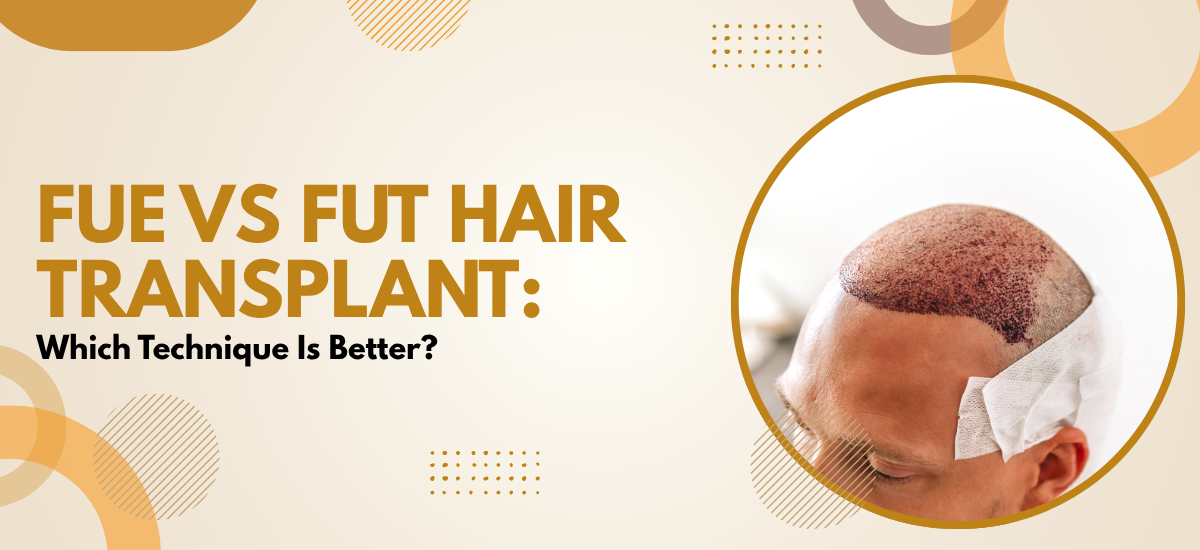
FUE and FUT are the two main ways of harvesting hair for a transplant, and they differ entirely in how the follicles are taken from the donor area. FUE removes follicular units one by one, leaving tiny scattered scars. FUT lifts a single strip of scalp, giving more grafts at once but leaving a thin linear scar.

According to Dr. Monisha Kapoor, an experienced plastic surgeon in Delhi, “Patients ask which is better as if there’s one answer, but it really depends on how much coverage they need and whether they ever want to wear their hair very short, because that single preference often decides it.”

Factor

FUE FUT

Harvesting

Individual follicles Strip of scalp

Scarring

Tiny dots

Linear scar

Recovery Faster

Slightly longer

Graft yield Lower per session

Higher per session

Not sure which technique suits your hair loss and goals? Book Appointment

How Do the Two Techniques Work?

Both end with grafts placed the same way, but they start very differently at the donor site.

  • With FUE, a fine punch extracts each follicular unit on its own, so there’s no strip removed and no stitched wound to heal
  • FUT takes a strip from the back of the scalp, which a technician then divides under magnification into individual grafts
  • The strip method tends to yield more grafts in a single sitting, which suits people needing large areas covered at once
  • FUE trades that volume for the freedom to crop hair short later, since there’s no线 line scar to give the surgery away

So the harvesting choice shapes everything downstream. A good hair transplant is matched to your degree of hair loss, donor supply, and how you like to wear your hair.

Which Technique Is Better for You?

Better depends on your priorities, not on one method beating the other outright.

  • If you want minimal scarring and the option of very short hair, FUE is usually the stronger fit
  • If you need maximum grafts in one session and don’t mind a hidden linear scar, FUT often makes more sense
  • Recovery leans toward FUE, which skips the stitched donor wound and tends to feel easier in the first week
  • Budget can tip it too, since FUE generally costs more for the same graft count because it’s more labour-intensive

If you’re still weighing whether a transplant is right at all, this hair restoration guide covers the reasons people choose it before you decide.

Why Choose Dr. Monisha Kapoor for a Hair Transplant?

Dr. Monisha Kapoor was the first Indian woman aesthetic plastic surgeon admitted to the American Society of Aesthetic Plastic Surgery, and she carries ISAPS membership alongside more than 15 years of cosmetic practice. She recommends FUE or FUT based on your hair loss and lifestyle rather than a one-size fits all, so the technique fits your goals and the result looks completely natural.

📞 Call Now: +91 83739 84777

FAQs

1)Is FUE better than FUT?

Neither is universally better, it depends on scarring preference, graft needs, and budget.

2)Which leaves less scarring?

FUE leaves tiny dot scars, while FUT leaves a thin linear scar.

3)Which gives more grafts?

FUT usually yields more grafts in a single session than FUE.

4)Is FUE recovery faster?

Yes, FUE generally has an easier recovery as there is no stitched donor wound.


References

  1. American Society of Plastic Surgeons — Hair Transplant Overview
  2. National Library of Medicine — FUE and FUT Comparison

What Is a Hair Transplant and How Does It Restore Hairlines?

Posted on June 25, 2026May 27, 2026

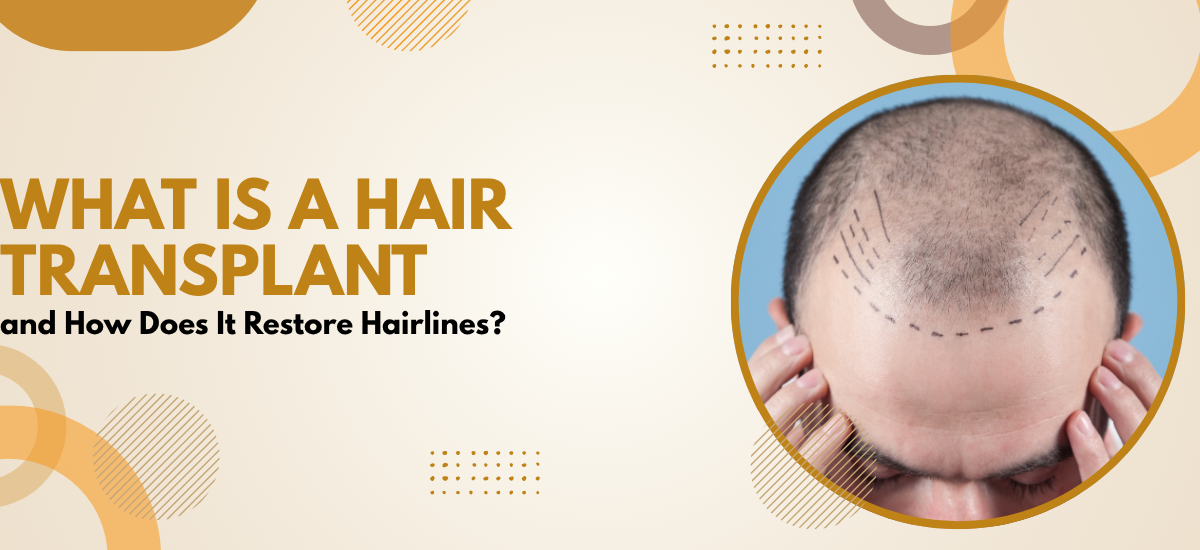
A hair transplant moves healthy hair follicles from the back of the scalp, where growth is permanent, to thinning or balding areas at the front and crown. Because those relocated follicles keep their original resistance to balding, the restored hairline grows naturally and lasts. It rebuilds the frame of the face rather than just adding coverage.

According to Dr. Monisha Kapoor, an experienced plastic surgeon in Delhi, “A hairline isn’t just hair, it frames the whole face, so the art is designing one that suits the person’s age and features rather than dropping in a dense straight line that looks obviously done.”

Bothered by a receding hairline or thinning crown? Book Appointment

How Does the Procedure Actually Work?

The whole idea rests on moving hair that’s genetically built to stay.

  • Follicles are harvested from the donor zone at the back and sides, where hair resists the hormone that drives male pattern balding
  • In the FUE method, each follicular unit is extracted individually, leaving tiny dot scars that hide easily even with short hair
  • The older FUT method removes a strip of scalp instead, yielding more grafts in one go but leaving a thin linear scar
  • Those grafts are then placed one by one into the thinning area, angled and spaced to mimic how hair naturally grows

So the result lives or dies on placement. A well-planned hair transplant depends on the angle, density, and hairline design as much as the number of grafts moved.

What Results Can You Expect?

Patience is built into the process, since hair grows on its own schedule.

  • The transplanted hair sheds within a few weeks, which alarms people until they learn it’s a completely normal part of the cycle
  • New growth starts coming through at around three to four months, slowly at first and then more convincingly
  • The fuller result usually lands somewhere between nine and twelve months, once the new hairs thicken and mature
  • And because the moved follicles keep their balding resistance, that restored hairline is permanent rather than a temporary fix

Before committing, it helps to know what the surgery involves, and this transplant guide covers the key things to understand first.

Why Choose Dr. Monisha Kapoor for a Hair Transplant?

Dr. Monisha Kapoor was the first Indian woman aesthetic plastic surgeon admitted to the American Society of Aesthetic Plastic Surgery, and she carries ISAPS membership alongside more than 15 years of cosmetic practice. She approaches the hairline as facial design rather than mere coverage, planning the angle and density so the result looks like hair that simply grew there.

📞 Call Now: +91 83739 84777

FAQs

1)Is a hair transplant permanent?

Yes, the transplanted follicles keep their resistance to balding and last long term.

2)When will I see hair transplant results?

New growth begins around three to four months, with fuller results by nine to twelve months.

3)Does a hair transplant leave scars?

FUE leaves tiny dot scars, while FUT leaves a thin linear scar that hair covers.

4)Is the procedure painful?

It is done under local anaesthesia, so discomfort during the procedure is minimal.

References

  1. American Society of Plastic Surgeons — Hair Transplant Overview
  2. National Library of Medicine — Hair Restoration Techniques

When Should You Consider a Full Body Lift After Weight Loss?

Posted on June 25, 2026May 27, 2026


A full body lift makes sense once major weight loss leaves behind loose, sagging skin that diet and exercise simply can’t tighten. The key is timing it after your weight has stayed stable for several months, so the result lasts. It’s less about a number on the scale and more about skin that no longer fits the smaller you.

According to Dr. Monisha Kapoor, an experienced plastic surgeon in Delhi, “People work incredibly hard to lose the weight, then feel trapped by the skin left behind, and a body lift is really about letting their body finally match the effort they put in.”

Held back by loose skin after major weight loss? Book Appointment

What Are the Signs You’re Ready?

A few clear markers tell you the timing is right.

  • Your weight has held steady for at least six months, since further loss after surgery would leave fresh sagging behind
  • The loose skin is genuinely bothering you, whether through chafing, rashes, trouble with clothes, or just how it looks
  • You’re in good general health and a non-smoker, because this is major surgery and healing depends heavily on both
  • And your expectations are grounded, meaning you accept some trade-off in scars for a dramatically tighter, more comfortable shape

So readiness is about stability as much as desire. A body lift is planned once your weight has settled and your body is steady enough to heal well.

What Does the Surgery Actually Address?

A full body lift tackles loose skin across several areas at once.

  • The tummy and waist come first for most, where an apron of excess skin tends to hang after big weight loss
  • Then the thighs and buttocks, lifting and tightening skin that sags once the underlying fat is gone
  • The back and flanks often get addressed too, smoothing the rolls that linger around the midsection
  • It’s usually staged or combined thoughtfully, since doing everything safely sometimes means more than one session rather than one marathon operation

Because recovery from this is a real commitment, this recovery guide is worth reading on what the healing process actually involves.

Why Choose Dr. Monisha Kapoor for a Full Body Lift?

Dr. Monisha Kapoor was the first Indian woman aesthetic plastic surgeon admitted to the American Society of Aesthetic Plastic Surgery, and she carries ISAPS membership alongside more than 15 years of cosmetic practice. She plans body lifts around your stability and safety, staging the work where needed and placing scars thoughtfully, so the result honors the hard work behind your weight loss.

📞 Call Now: +91 83739 84777

FAQs

1)When is the right time for a body lift after weight loss?

Once your weight has stayed stable for at least six months.

2)Does a body lift remove a lot of skin?

Yes, it removes significant loose skin across the abdomen, thighs, and back.

3)Will there be visible scars?

Yes, scars are unavoidable but are placed to stay as hidden as possible.

4)Is a full body lift done in one surgery?

Sometimes it is staged across sessions for safety, depending on the extent.


References

  1. American Society of Plastic Surgeons — Body Lift Overview
  2. National Library of Medicine — Body Contouring After Weight Loss


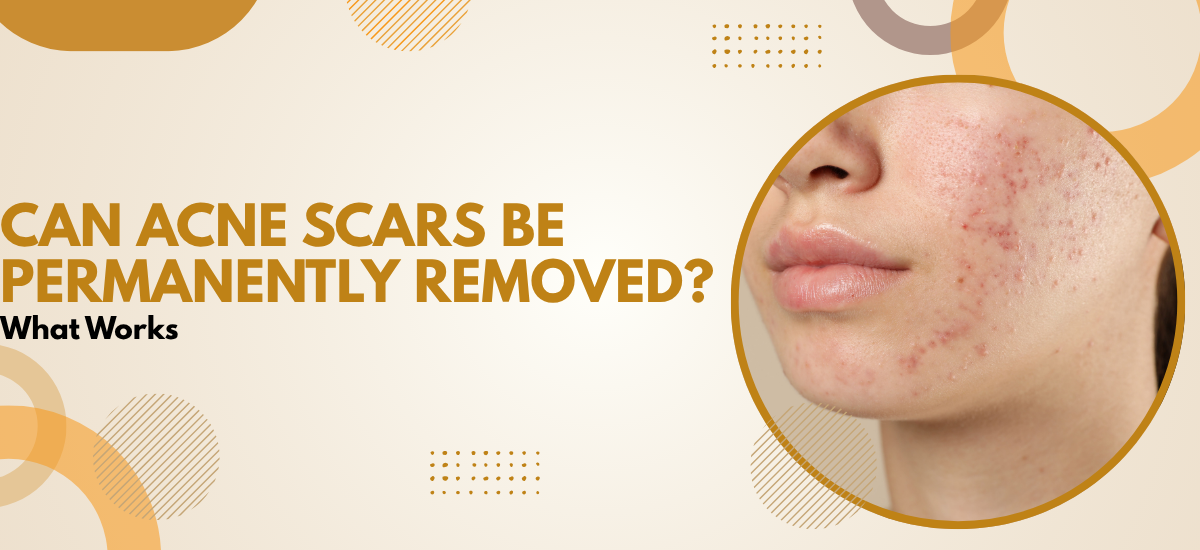
Can Acne Scars Be Permanently Removed? What Works?

Posted on June 24, 2026May 27, 2026


Acne scars can be dramatically improved and, in many cases, made nearly invisible, though “permanently removed” is a stretch for most scar types. The right treatment depends on whether the scars are pitted, raised, or just discoloured. With the correct approach, lasting improvement of seventy to ninety percent is realistic for a lot of people.

According to Dr. Monisha Kapoor, an experienced plastic surgeon in Delhi, “I’m honest with patients that we’re aiming for major improvement, not a magic erase, because chasing one hundred percent perfection often does more harm than just getting the scars to where they barely catch your eye anymore.”

Struggling with acne scars that won’t fade on their own? Book Appointment

What Treatments Actually Work?

The right tool depends entirely on the kind of scar you’re dealing with.

  • Laser resurfacing is the workhorse for most pitted scarring, prompting the skin to rebuild collagen and smooth the surface over a few sessions
  • Subcision works on tethered, rolling scars, where a fine needle releases the fibrous bands tugging the skin down from underneath
  • For deep, narrow ice-pick scars, a technique called TCA cross drops a tiny amount of acid into each one to lift the floor of the scar
  • Microneedling and peels handle the milder end, the shallow marks and uneven texture, and often pair well with the heavier treatments

So no single treatment fits every scar. A proper acne scar treatment plan usually combines methods, matched to your scar types and your skin tone.

What Results Can You Realistically Expect?

Honesty about outcomes saves a lot of disappointment later.

  • Most people see major improvement rather than total erasure, with scars softening enough that they stop being the first thing you notice
  • It takes time and patience, since collagen rebuilds slowly and the best results often show months after the final session
  • Combining treatments almost always beats relying on one, because different scars in the same face respond to different methods
  • And on darker Indian skin, careful settings matter enormously, since aggressive treatment can swap a scar for a pigmentation problem

Because skin type shapes everything here, this acne scar guide is worth reading on how stubborn scarring actually responds to treatment.

Why Choose Dr. Monisha Kapoor for Acne Scar Treatment?

Dr. Monisha Kapoor was the first Indian woman aesthetic plastic surgeon admitted to the American Society of Aesthetic Plastic Surgery, and she carries ISAPS membership alongside more than 15 years of cosmetic practice. She combines treatments and tailors every setting to Indian skin, so you get the most lasting improvement possible without trading scars for pigmentation.

📞 Call Now: +91 83739 84777

FAQs

1)Can acne scars be removed completely?

Most scars can be dramatically improved, though complete removal is rarely realistic.

2)What is the best treatment for acne scars?

It depends on scar type, with lasers, subcision, and peels each suiting different scar.

3)How many sessions will I need?

Several sessions are usually needed, depending on scar depth and type.

4)Are acne scar treatments safe for dark skin?

Yes, when settings are carefully matched to your skin tone to avoid pigmentation.


References

  1. American Society of Plastic Surgeons — Acne Scar Treatment
  2. National Library of Medicine — Acne Scar Management

What Is the Right Age for a Facelift? Early Signs That Matter

Posted on June 23, 2026June 23, 2026

There’s no fixed age for a facelift, since it tracks how your skin and tissues age rather than your birthday. Most people consider one between their late forties and sixties, but genetics, sun exposure, and lifestyle can shift that window in either direction. What matters is the state of your face, not the number attached to it.

According to Dr. Monisha Kapoor, an experienced  plastic surgeon in Delhi, “Two people the same age can need completely different things, because one has great skin and strong bone structure while the other has lost a lot of volume, so I treat the face in front of me, never the date on the form.”

Noticing early signs of sagging and wondering about timing? Book Appointment

What Are the Early Signs That Matter?

A few changes tend to tell you the face is ready before any birthday does.

  • Jowls are usually the first giveaway, that soft sagging along the jawline where the skin used to sit tight
  • Then there’s the neck, where loose skin or visible banding often bothers people long before the cheeks do
  • Deepening folds from the nose to the mouth, and creases that linger even when your face is at rest, point to lost support underneath
  • And a tired look that no amount of sleep fixes is often the real trigger, when people feel they look older than they actually are

So the signs matter more than the calendar. A facelift is timed to your face, and a good surgeon will tell you honestly when it’s too early to bother.

When Does a Facelift Actually Make Sense?

Timing is a balance, and rushing it rarely pays off.

  • Go too early and there may not be enough laxity to justify surgery, when fillers or skin treatments would do the job better for now
  • Wait extremely late and the skin loses elasticity, which can make recovery slower and the result a touch less crisp
  • The sweet spot for most is when sagging is clearly there but the skin still has enough bounce to settle beautifully after surgery
  • And for many people the right move is layering, non-surgical touch-ups in the forties, then a facelift later when it genuinely earns its place

Understanding how long the result holds helps you time it well, and this facelift guide explains what to expect from the outcome.

Why Choose Dr. Monisha Kapoor for a Facelift?

Dr. Monisha Kapoor was the first Indian woman aesthetic plastic surgeon admitted to the American Society of Aesthetic Plastic Surgery, and she carries ISAPS membership alongside more than 15 years of cosmetic practice. She reads the face rather than the age, telling patients honestly when to wait, when non-surgical options suffice, and when a facelift will give the natural, lasting lift they’re after.

📞 Call Now: +91 83739 84777

FAQs

1)What is the average age for a facelift?

Most patients have one between their late forties and sixties.

2)Can you be too young for a facelift?

Yes, without enough sagging, non-surgical options are usually better first.

3)What are the first signs I might need a facelift?

Jowls, neck laxity, and deep folds that stay visible at rest.

4)Does age affect facelift results?

Skin elasticity matters more than age for a crisp, lasting result.


References

  1. American Society of Plastic Surgeons — Facelift Overview
  2. National Library of Medicine — Rhytidectomy Patient Selection

What Questions Should You Ask Before Plastic Surgery?

Posted on June 22, 2026May 27, 2026


The questions you ask before surgery often matter as much as the procedure itself, since they reveal your surgeon’s training, the real risks, and what recovery actually demands. Good questions cover qualifications, the specifics of your procedure, and honest expectations. A surgeon worth choosing will welcome them rather than rush past.

According to Dr. Monisha Kapoor, an experienced plastic surgeon in Delhi, “I can tell a lot about a patient by the questions they ask, and honestly they should be just as picky about me, because the ones who interrogate me a little are usually the happiest with their results.”

Want a surgeon who answers every question openly? Book Appointment

What Should You Ask About the Surgeon?

Start with the person holding the scalpel, because that matters more than anything else.

  • Ask straight out whether they’re board-certified, and in what, since “cosmetic surgeon” alone isn’t a recognised qualification in India
  • Find out how often they actually perform your specific procedure, because regular practice in one operation beats a long generic résumé
  • It’s fair to ask for before-and-after photos of their own patients, not stock images, ideally of people built like you
  • And don’t skip the question of where they operate, since an accredited hospital or facility matters as much as the surgeon

So vetting the surgeon comes first. The right plastic surgery decision rests on credentials and real experience far more than on a slick consultation room.

What Should You Ask About the Procedure?

Once you trust the surgeon, turn to the operation itself.

  • Ask what the realistic result looks like for your body, not the best case they’ve ever had
  • Get clear on the risks and complications, and how often they actually happen in their hands
  • Pin down recovery honestly, the time off work, the restrictions, the discomfort, so nothing blindsides you afterward
  • And ask what happens if something isn’t right, because how a surgeon handles revisions tells you a lot about their confidence

Knowing who to ask is half the battle, and this surgeon guide lays out how to choose the right one before you book.

Why Choose Dr. Monisha Kapoor for Plastic Surgery?

Dr. Monisha Kapoor was the first Indian woman aesthetic plastic surgeon admitted to the American Society of Aesthetic Plastic Surgery, and she carries ISAPS membership alongside more than 15 years of cosmetic practice. She encourages every patient to ask hard questions and answers them plainly, because an informed patient who understands the risks and the recovery is the one who ends up genuinely happy.

📞 Call Now: +91 83739 84777

FAQs

1)What is the most important question to ask before surgery?

Whether the surgeon is board-certified and how often they perform your procedure.

2)Should I ask about risks?

Yes, always ask about complications and how frequently they occur.

3)Is it rude to ask for before-and-after photos?

No, reviewing a surgeon’s own patient results is completely reasonable.

4)What should I ask about recovery?

Ask about time off, restrictions, and discomfort so you can plan realistically.


References

  1. American Society of Plastic Surgeons — Questions to Ask Your Surgeon
  2. National Library of Medicine — Informed Consent in Plastic Surgery

Posts pagination

Page 1 Page 2 Page 3 Next page

Month: June 2026

Recent Posts

  • What Is Full Body Polishing and What Results Can You Expect?
  • Why Patients Travel to Delhi for Cosmetic Surgery?
  • What Is Facial Bone Alteration and What Can It Reshape?
  • Are Dermal Fillers Safe? Risks and Side Effects Explained
  • What Is a Silk Peel (Dermalinfusion) and Who Should Get It?

Archives

  • July 2026
  • June 2026
  • May 2026
  • December 2023
  • July 2023
  • April 2023
  • July 2020
  • June 2020
  • November 2019
  • August 2019
  • August 2018
  • April 2018
  • March 2018
  • January 2018
  • December 2017
  • October 2017
  • September 2017
  • July 2017
  • June 2017
  • April 2017
  • December 2016
  • November 2016
  • October 2016
  • September 2016
  • August 2016
  • July 2016
Footer – Dr. Monisha Kapoor
Plastic Surgeon · Delhi NCR
Dr. Monisha Kapoor

Dr. Monisha Kapoor

M.Ch. Plastic Surgery  ·  25+ Years of Practice  ·  10K+ Procedures

About

A practice built on precision. Board-certified plastic surgeon affiliated with the International Society of Aesthetic Plastic Surgery and the American Society of Aesthetic Plastic Surgery. Every consultation begins with listening — and every outcome is designed around your anatomy, your goals, and your vision of yourself.

Navigation

  • Dr's Desk
  • Facilities & Infrastructure
  • Blog
  • News & Updates
  • Career
  • Contact
  • Privacy Policy

Contact

18, Block J, Saket
New Delhi – 110017
011-40666307 / 08
+91 83739 84777
+91 8860851727
plasticsurgeonmonisha@gmail.com
Follow Connect

Disclaimer: The information on this website is provided for informational purposes only and is not meant to substitute the advice of your doctor or other healthcare professional. You should not use this information for diagnosing or treating a health problem or disease, or prescribing any medication. All images used are for illustrative purposes only; actual results and process may vary.

© 2026 plasticsurgeonmonisha.com All Rights Reserved

    Doctor

    Dr. Monisha Kapoor

    Delhi's Top Plastic Surgeon


    25+ Years Experience

    10,000+ Happy Customers
    Hair, Skin, Body, Face

    Book An Appointment