Book An Appointment 📞 Call Now
Dr. Monisha Kapoor
  • Home
  • About Us
  • Treatments
    • Hair
      • Hair Transplant
    • Body
      • Liposuction
      • Six Pack Abs
      • Hour Glass Shape
      • Brazilian Butt Lift
      • Thigh Gap
      • Full Body Lift
      • Vaginal Revitalisation
      • Hand & Feet Revitalisation
      • Tummy Tuck
      • Breast Surgery
      • Male Chest Reshaping
      • Male Chest Reduction
      • Mommy Makeover
      • Men Makeover
    • Skin
      • Zein Obegi's Skin Treatment
      • Chemical Peels
      • Hydra Facial
      • Silk Peel
      • Pelleve Skin Tightening
      • IPL Foto Facials
      • Tri Active Deka Peel
      • Tattoo Removal
      • Laser Skin Toning
      • Laser Hair Reduction
      • Full Body Polishing
      • Halo BBL
    • Face
      • Acne Scar Treatment
      • Face & Neck Lift
      • Forehead
      • Neurotoxin and Fillers
      • Brows
      • Eyes
      • Nose
      • Cheeks
      • Lips
      • Chin
      • Face Bone Alteration
      • Dimple Creation
      • Face Thinning
      • Permanent Makeup
  • Resources
    • Facilities & Infrastructure
    • Media
    • Photos
    • Blog
    • Case Studies
  • Contact Us
+91-8860851727

Blog

Recent Posts

  • What Is Full Body Polishing and What Results Can You Expect?
  • Why Patients Travel to Delhi for Cosmetic Surgery?
  • What Is Facial Bone Alteration and What Can It Reshape?
  • Are Dermal Fillers Safe? Risks and Side Effects Explained
  • What Is a Silk Peel (Dermalinfusion) and Who Should Get It?

Archives

  • July 2026
  • June 2026
  • May 2026
  • December 2023
  • July 2023
  • April 2023
  • July 2020
  • June 2020
  • November 2019
  • August 2019
  • August 2018
  • April 2018
  • March 2018
  • January 2018
  • December 2017
  • October 2017
  • September 2017
  • July 2017
  • June 2017
  • April 2017
  • December 2016
  • November 2016
  • October 2016
  • September 2016
  • August 2016
  • July 2016

What Is Acne Scar Treatment and Which Type Works Best?

Posted on June 12, 2026May 26, 2026


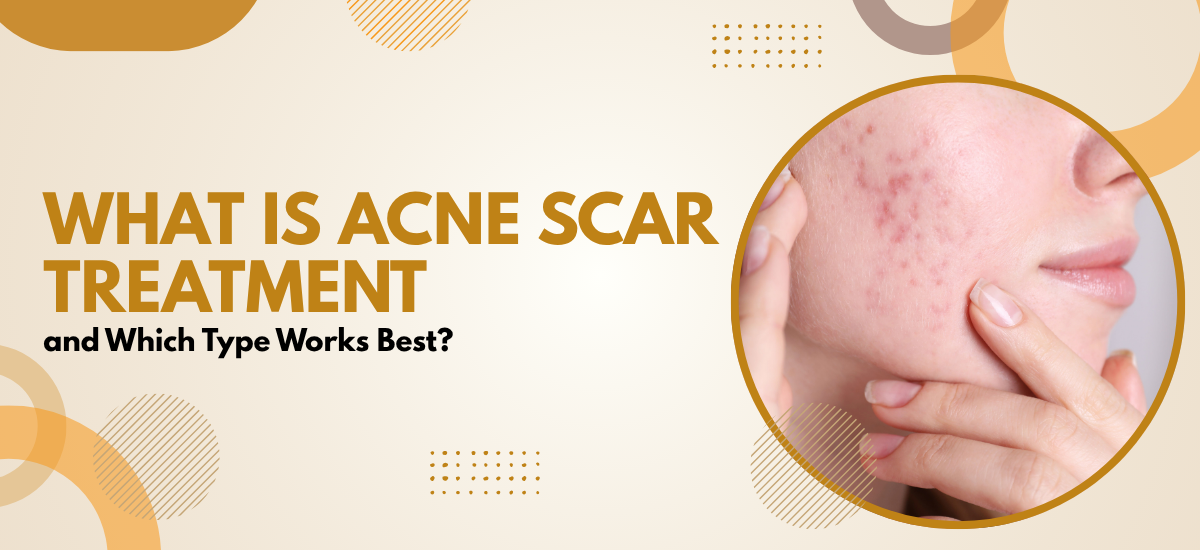
Acne scarring requires different treatments depending on the type and depth of scarring. Mild scars respond to non-surgical options like laser resurfacing or chemical peels. Severe scars need surgical revision. The choice depends on whether the scars are atrophic (depressed), hypertrophic, or icepick. Each scar type responds to different treatments. Surgical revision becomes necessary when non-surgical methods can’t deliver meaningful improvement, particularly for deep depressed scars that affect facial proportions and skin texture noticeably.

According to Dr. Monisha Kapoor, an experienced plastic surgeon in Delhi, “Acne scar treatment isn’t one-size-fits-all, the technique depends entirely on what type of scarring exists and how deep the damage goes, patients with deep atrophic scars or icepick scarring rarely get satisfactory results from lasers alone and benefit significantly from surgical revision techniques that lasers simply cannot match in terms of actual structural correction.”

Considering acne scar treatment and unsure whether you need surgical or non-surgical options? Book Appointment

What Are the Different Types of Acne Scar Treatments?

Treatment options range from non-surgical resurfacing to surgical scar revision depending on severity. Dermatologists handle most mild and moderate cases through lasers, peels, and microneedling. Plastic surgeons step in when scars need actual structural correction that resurfacing cannot deliver. Understanding which category each scar falls into helps patients see whether they need dermatology or surgical intervention specifically.

  • Non-Surgical Options: Laser resurfacing addresses surface scarring through controlled thermal damage that stimulates new collagen. Chemical peels remove damaged outer skin layers. Microneedling creates micro-injuries that trigger collagen response. Dermal fillers temporarily plump depressed scars. These work well for shallow scars but reach their limit for deep or pitted scarring that needs structural repair instead of surface treatment alone
  • Subcision: A specialised needle gets inserted under the scar to break up the fibrous bands pulling it down. The released tissue allows the skin to lift back into proper position. The procedure works particularly well for tethered atrophic scars that are pulled down by underlying scar tissue. Multiple sessions might be needed for full correction. Recovery moves quickly with most patients returning to normal activities within days
  • Punch Excision: The surgeon physically removes individual deep scars using a small punch tool similar to a tiny biopsy instrument. The wound gets carefully sutured for clean healing. Icepick scars and deep narrow scars respond best to this technique. The result is a thin linear scar that fades over time and looks dramatically better than the original deep pitted scar. Suture marks heal cleanly within 2 weeks
  • Fat Transfer for Scar Correction: Patients with widespread atrophic scarring benefit from fat transfer to restore facial volume lost beneath the scarred skin. Fat harvested from another body area gets purified then injected into the scarred zones. The technique works particularly well combined with subcision for comprehensive correction. Results stay permanent for surviving fat cells unlike fillers that need maintenance every few months

Each treatment delivers specific results when matched correctly to scar type, and patients exploring face treatment options find that combining multiple techniques across different scar types in the same patient often delivers far better results than relying on any single treatment alone for comprehensive acne scar correction.

When Does Acne Scarring Actually Need Surgical Revision?

Surgical revision becomes the right choice when non-surgical treatments can’t deliver meaningful improvement. Scars too deep for resurfacing need structural correction. Tethered scars need physical release through subcision. Icepick scars benefit from punch excision rather than laser treatment. Understanding when surgery becomes necessary helps patients see whether they should be consulting a plastic surgeon or dermatologist for their specific situation.

  • Deep Atrophic Scars: Box scars and rolling scars create significant skin texture issues that resurfacing alone cannot fix completely. The depressed area requires structural restoration through subcision, fat transfer, or fillers to lift the depression back to surrounding skin level. Combining surgical and non-surgical techniques produces better results than either approach alone for most deep atrophic scarring patterns
  • Icepick Scarring: These deep narrow scars look like the skin was pierced with a needle. Lasers and peels barely touch them because the damage extends too deep into the skin. Punch excision physically removes the scar entirely, replacing the deep narrow scar with a small linear one that heals cleanly. The transformation from pitted appearance to smooth surface justifies the small surgical intervention required
  • Hypertrophic and Keloid Scars: Raised scars need different surgical management than depressed ones. Surgical excision removes the raised tissue while careful suturing prevents recurrence. Steroid injections combined with surgery reduce keloid risk in patients prone to abnormal scarring. The combination approach delivers better results than surgery alone particularly in patients with darker skin tones who tend to scar more aggressively
  • Failed Non-Surgical Treatments: Patients who’ve tried multiple laser sessions, peels, or microneedling without satisfactory improvement are often candidates for surgical revision. Continuing the same non-surgical treatments won’t change outcomes once they’ve reached their ceiling. Surgical options offer genuinely different mechanisms of action that bypass the limits of resurfacing-based treatments entirely

Surgical scar revision works for specific scar types where non-surgical options reach their limit, and a deeper read on dermabrasion helps patients understand the broader skin resurfacing options that complement surgical revision for comprehensive acne scar treatment outcomes across different scar patterns and severity levels.

Why Choose Dr. Monisha Kapoor for Acne Scar Treatment ?

Dr. Monisha Kapoor is the first Indian woman aesthetic plastic surgeon admitted to the American Society of Aesthetic Plastic Surgery and a member of ISAPS, with over 15 years of dedicated cosmetic surgery practice behind her. She handles surgical acne scar revision with detailed pre-op assessment of scar type and depth, performs subcision, punch excision, and fat transfer techniques based on what each patient’s specific scar pattern actually needs, and walks every patient through whether surgical revision suits their situation rather than recommending it for every case that walks in.

📞 Call Now: +91 83739 84777


FAQs

Can lasers fix all types of acne scars?

No, deep atrophic and icepick scars often need surgical revision beyond laser treatment.

What is subcision?

A specialized needle technique that releases fibrous bands pulling depressed scars downward.

Are surgical scar revision results permanent?

Yes, punch excision and subcision deliver permanent structural correction for treated scars.

How many sessions does scar treatment need?

Combination treatments often require 3 to 6 sessions for comprehensive scar correction outcomes.


References

  1. American Society of Plastic Surgeons — Scar Revision Surgery
  2. National Library of Medicine — Acne Scar Surgical Treatment Outcomes
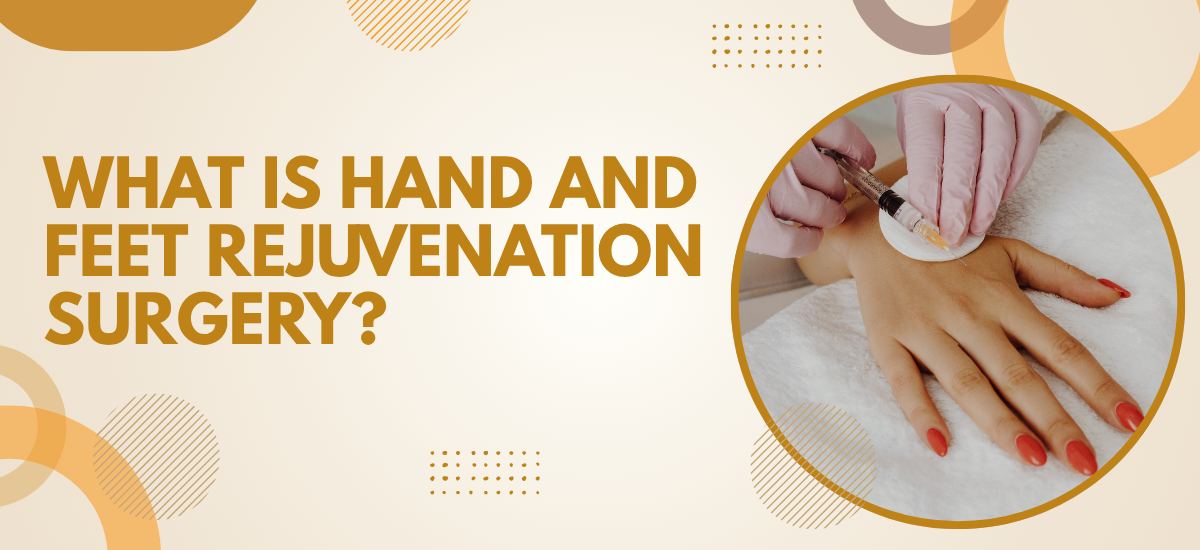
What Is Hand and Feet Rejuvenation Surgery?

Posted on June 11, 2026June 18, 2026


Hand and feet rejuvenation is a fat transfer procedure that rebuilds lost volume in ageing or bony hands and feet. A surgeon takes fat from your own body, purifies it, and reinjects it to soften wrinkled skin and hide the tendons and veins that tend to show as we get older.

According to Dr. Monisha Kapoor, an experienced cosmetic surgeon in delhi, “Hands age faster than the face but get ignored, so when we restore that lost fat padding, people are genuinely surprised how much younger the whole hand suddenly looks.”

If bony or wrinkled hands bother you, a consultation can map out your options. Book Appointment

How Does Hand and Feet Rejuvenation Actually Work?

The whole idea is simple enough, moving fat from a spot where you have plenty to a spot that has thinned out over the years. Fillers cover the smaller jobs when surgery feels like overkill.

  • Fat harvesting: a surgeon removes a little excess fat by liposuction from somewhere like the abdomen or thighs, so nothing artificial ever enters your body
  • Processing: that fat gets cleaned and spun down into smooth, usable globules, with only the healthy cells kept for transfer
  • Reinjection: the prepared fat is layered into the back of the hands or feet, cushioning the bone and softening what shows through
  • Filler option: when the correction is minor, dermal fillers do the job in a single sitting, which suits patients who would rather skip surgery

No two cases follow the same plan, and a fat transfer is shaped around how much volume you’ve lost, your skin quality, and the look you’re actually after.

What Changes Can Hand and Feet Rejuvenation Make?

The difference is more than skin deep, since you get back both the appearance and the soft feel of younger hands and feet.

  • Volume restoration: plumping the back of the hand quietly hides the prominent veins and tendons that often age hands faster than the face
  • Wrinkle smoothing: the added padding fills out crepey, loose skin, so the surface catches light evenly instead of looking creased
  • Natural feel: because the material is your own fat, it settles in soft and behaves like it belongs there, never padded or stiff
  • Foot comfort: rebuilding the cushion under the soles can take pressure off the feet for people whose natural padding has worn thin

This is really about easing the signs of ageing, so it helps to see how surgical and non-surgical routes compare in this anti-ageing guide before you commit.

Why Choose Dr. Monisha Kapoor for Hand and Feet Surgery?

Dr. Monisha Kapoor was the first Indian woman aesthetic plastic surgeon admitted to the American Society of Aesthetic Plastic Surgery, and she also holds membership with ISAPS after more than 15 years in cosmetic practice. With hands and feet, the real test is restraint, and she places fat in thin, even layers so the result reads as naturally youthful rather than overfilled.

📞 Call Now: +91 83739 84777

FAQs

Is hand and feet rejuvenation permanent? A good share of the transferred fat stays for the long term once healing finishes.

Is the procedure done under anesthesia? Yes, it’s usually carried out under local anesthesia or mild sedation.

How long is the recovery? Most people are back to normal activity within a few days to a week.

Does the fat come from my own body? Yes, it’s harvested from your own donor area, so the result is completely natural.

References

  1. American Society of Plastic Surgeons — Fat Transfer Overview
  2. National Library of Medicine — Autologous Fat Grafting

Rhinoplasty cost in Delhi ?

Posted on June 3, 2026May 21, 2026


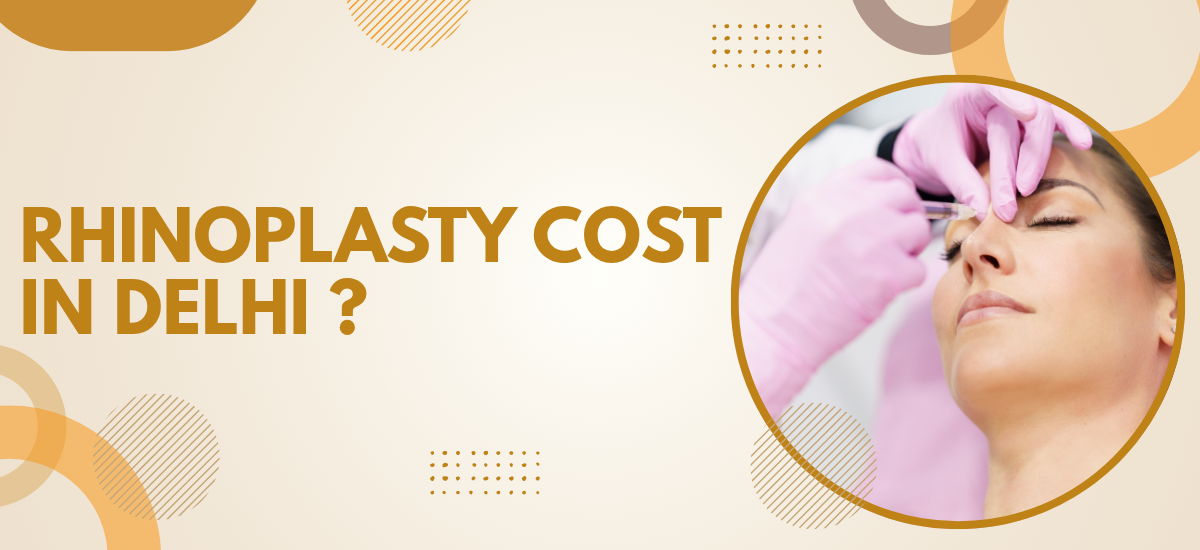
Rhinoplasty cost in Delhi varies significantly based on multiple factors rather than following any fixed price across clinics. The technique used affects cost. Surgeon expertise affects cost. Hospital fees vary by facility quality. Anaesthesia type changes pricing. Case complexity raises overall costs further, particularly revision rhinoplasty or septorhinoplasty combined procedures. Patients comparing prices across surgeons need to understand what they’re actually comparing rather than choosing based on lowest quote alone since quality differences usually justify cost differences.

According to Dr. Monisha Kapoor, an experienced plastic surgeon in Delhi, “Rhinoplasty cost depends on factors patients can’t see at first glance, the cheapest quote often comes from clinics cutting corners on facility quality, anaesthesia, or surgeon experience, picking based purely on price means accepting trade-offs that affect both safety and final result quality in ways that aren’t immediately obvious.”

Considering rhinoplasty in Delhi and want to understand what actually affects pricing? Book Appointment

What Are the Main Factors That Affect Rhinoplasty Cost?

Several factors decide rhinoplasty pricing in Delhi. They don’t all matter equally. Surgical technique sits at the foundation. Surgeon experience comes second. Hospital quality matters significantly. Anesthesia type adds another layer. Each factor shapes the final number differently across clinics, which is why comparing quotes without understanding what drives them produces misleading conclusions for patients.

  • Surgical Technique Used: Open rhinoplasty costs more than closed. The surgery takes longer. Tissue access is more complex. Cartilage grafting using septum or rib cartilage adds further time. Revision rhinoplasty costs significantly more than primary surgery. The work demands correcting previous errors which is technically much harder. The technique chosen during consultation drives a major portion of the final pricing
  • Surgeon Expertise and Credentials: Surgeons with M.Ch qualifications and ASAPS or ISAPS memberships charge higher fees than general aesthetic surgeons. The pricing reflects training depth. It reflects complication management capability. It reflects aesthetic judgment built over thousands of cases. Patients exploring nose surgery options find that surgeon credentials drive pricing differences far more than any other single factor
  • Hospital and Facility Fees: JCI-accredited hospitals charge more than smaller surgical centres. The facility fee covers operating theatre setup. It covers anaesthesia equipment. ICU backup gets included. Recovery monitoring stays available. Emergency infrastructure stays ready. Smaller clinics offering lower facility fees often lack this safety infrastructure which becomes critical if complications develop during surgery
  • Anesthesia Type and Duration: General anesthesia with a qualified anesthetist costs more than local anesthesia with sedation. Duration affects pricing too since longer surgeries need more anesthesia time and continuous monitoring. Complex rhinoplasty cases requiring 4 to 5 hours cost more in anesthesia fees alone than simpler 2-hour procedures even when other factors stay constant across the consultation

The combined cost factors add up to create the final pricing patients see, and patients exploring rhinoplasty surgeon selection often find that understanding these cost drivers helps them evaluate quotes properly rather than picking based purely on which surgeon offered the lowest number during initial consultations.

What Should Patients Watch For in Cost Comparisons?

Comparing rhinoplasty costs isn’t just about comparing prices. The cheapest quote often hides trade-offs. Higher prices don’t automatically mean better outcomes either. Patients need to know what to look for. Otherwise, quoted prices look comparable on paper but reflect completely different actual surgical experiences and outcome qualities behind the numbers being shown.

  • What’s Included in the Quote: Some quotes include only surgeon fees. Others bundle hospital, anesthesia, and follow-up costs. Patients comparing quotes need to ask exactly what’s included and what’s billed separately. A lower initial quote sometimes reveals additional costs during the actual surgery that bring the total higher than competitors who quoted comprehensively from the start during consultation
  • Combined Procedure Pricing: Patients combining rhinoplasty with face and neck lift or other facial procedures often see cost efficiencies. Anesthesia fees get partially shared across procedures. Facility fees don’t double up either. Discussing all desired procedures during consultation helps surgeons quote combined pricing properly rather than discovering additional costs during separate surgeries
  • Revision Surgery Considerations: If the original rhinoplasty needs revision later, that becomes an entirely separate surgery. Pricing typically goes higher than the primary surgery cost. Choosing the right surgeon initially even at higher cost often costs less long-term than choosing cheaper surgery that needs revision afterwards. Revision risks make initial quality choice the smarter financial decision in most cases where outcomes matter at all
  • Post-Op Care Inclusion: Quality surgeons include extensive post-op care in their pricing. Multiple follow-up visits get covered. Complication management stays included. Cheaper quotes sometimes treat post-op care as additional billable services. The savings disappear quickly when patients realize they need multiple paid follow-ups rather than included visits during the recovery period that ranges from weeks to months depending on case complexity

The cost factors interact with each other to create the final patient experience, and a deeper read on rhinoplasty surgeon selection helps patients see what credentials and experience markers genuinely justify cost differences across surgeons offering rhinoplasty in Delhi at vastly different price points.

Why Choose Dr. Monisha Kapoor for Rhinoplasty ?

Dr. Monisha Kapoor is the first Indian woman aesthetic plastic surgeon admitted to the American Society of Aesthetic Plastic Surgery and a member of ISAPS, with over 15 years of dedicated cosmetic surgery practice behind her. She handles rhinoplasty with detailed pre-op consultations, transparent cost breakdowns, JCI-accredited hospital facilities, full anaesthesia backup, and comprehensive post-op care included in pricing. Patients leave knowing exactly what they’re paying for rather than facing surprise costs once surgery starts.

📞 Call Now: +91 83739 84777


FAQs

Why does rhinoplasty cost vary so much across surgeons?

Costs vary based on surgeon experience, technique, hospital quality, and anaesthesia type used.

Is cheaper rhinoplasty always lower quality?

Often yes, savings usually come from facility quality, surgeon experience, or post-op care cuts.

Does revision rhinoplasty cost more than primary?

Yes, revision surgery is technically demanding and typically costs more than initial rhinoplasty.

Can I get cost estimates before consultation?

Initial estimates require examination, accurate quotes need surgical planning during proper consultation.


References

  1. American Society of Plastic Surgeons — Rhinoplasty Cost Factors
  2. National Library of Medicine — Rhinoplasty Surgical Outcomes and Costs

Brow Lift vs Botox: Which Lifts Brows Better?”

Posted on June 2, 2026June 10, 2026

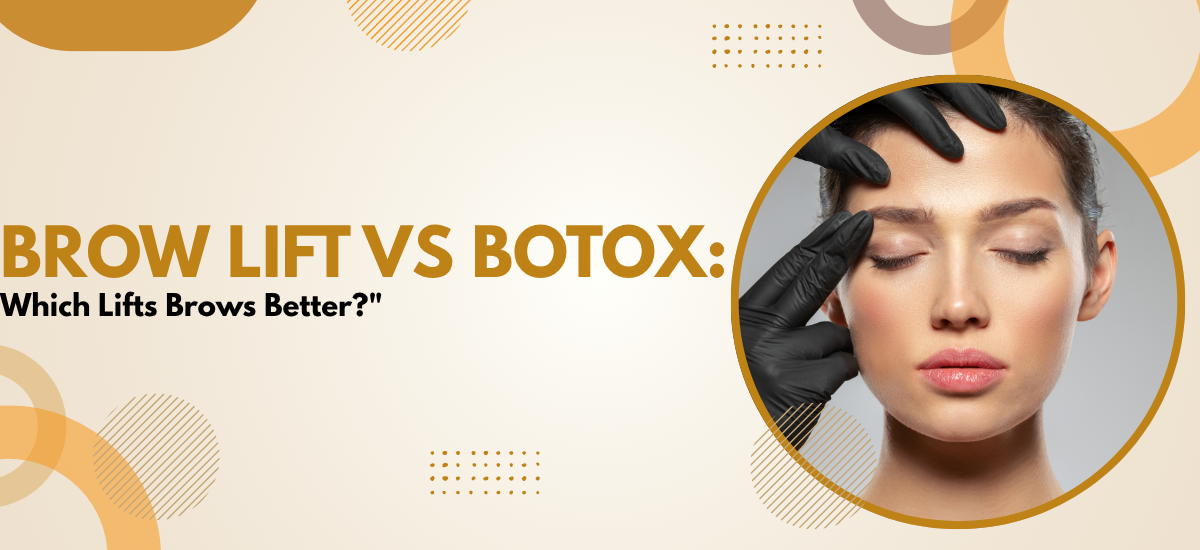
Brow lift & Botox are two completely different ways to address drooping brows. Brow lift is surgical while botox is non-surgical. Surgery actually repositions the brow tissue higher on the forehead. Botox relaxes the muscles pulling the brows down. The right pick depends on whether the brows have physically dropped from age and gravity or whether muscle activity is just creating a tired or angry appearance from chronic frowning.

According to Dr. Monisha Kapoor, an experienced plastic surgeon in Delhi, “Brow lift versus Botox isn’t a question of which is better, they fix completely different problems, Botox softens muscle pull while brow lift surgically repositions tissue that has actually dropped, picking the wrong one means either getting injectables that won’t lift descended brows or getting surgery that wasn’t needed for muscle-driven concerns.”

Considering brow lift or Botox and unsure which actually addresses your concern? Book Appointment

Feature Brow Lift Botox
Method Surgical tissue repositioning Muscle-relaxing neurotoxin injections
Best Suited For Significant brow descent, sagging, hooding Early concerns, mild lifting, frown lines
Anaesthesia General or local depending on technique None or topical numbing
Procedure Duration 1 to 2 hours 10 to 15 minutes
Recovery Time 1 to 3 weeks No downtime
Result Timing Visible after swelling resolves at 2 weeks Visible 7 to 10 days post-injection
Result Permanence 10 to 15 years 3 to 4 months
Lifting Capability 1 to 2 cm physical elevation 2 to 5 mm modest lift only

Brow lift and Botox work at completely different anatomical levels. Surgery handles structural descent. Botox handles muscle activity. Each delivers specific results. The right choice depends on what’s actually causing the brow appearance issue rather than picking whichever option sounds simpler or has shorter recovery time at the consultation stage.

  • Brow Lift Surgery: Incisions go within the hairline or at the temples depending on technique. The surgeon lifts the entire brow tissue higher on the forehead. Underlying muscles get released or weakened to prevent further drooping. Excess tissue gets removed surgically. Recovery takes 1 to 3 weeks depending on technique used. Results last 10 to 15 years before age-related changes start affecting the area again
  • Botox Brow Lift: Tiny injections go into specific forehead and brow muscles. The treated muscles relax which stops the downward pull on the brows. The brow position rises slightly as the muscles release tension. Sessions take 10 to 15 minutes. No downtime, no incisions, no anaesthesia needed. Results show in 7 to 10 days and last 3 to 4 months before another session becomes necessary
  • Lifting Capability: Surgery delivers significant lift that addresses moderate to severe brow descent. Patients see 1 to 2 cm of actual physical elevation depending on how much descent existed before. Botox provides modest lift only, typically 2 to 5 mm at most. The injection relaxes muscles but cannot reposition tissue that has physically dropped. Patients with significant descent will be disappointed if they choose Botox over surgery
  • Combined Approach: Many patients use both treatments together for optimal results. Surgery handles the structural lifting once. Maintenance Botox keeps the muscles from pulling the brows down again over the years. Combining the two extends surgical results significantly. Patients exploring forehead work often plan this combined approach with their surgeon during consultation rather than treating each as separate isolated decisions

Both treatments deliver results when matched correctly to the actual concern, and patients exploring forehead options find that picking the right approach depends entirely on whether the issue is structural brow descent or muscle-driven appearance changes that haven’t physically dropped the brow tissue itself yet.

Brow Lift vs Botox: Which One Suits You?

Picking right comes down to brow descent severity, age, recovery time available, and how long the patient wants results to last. Patients exploring Botox and fillers need to know that Botox works beautifully for early concerns but reaches its ceiling once actual brow descent has occurred. Surgery becomes the only meaningful option once tissue has physically dropped from age or significant weight loss affecting the upper face area.

The right choice depends on what each patient’s brows actually need rather than what sounds easier or faster, and a deeper read on brow lift helps patients understand exactly when surgery becomes the right call versus when Botox alone delivers the result they’re looking for without any surgical intervention.

Why Choose Dr. Monisha Kapoor for Brow Lift & Botox?

Dr. Monisha Kapoor is the first Indian woman aesthetic plastic surgeon admitted to the American Society of Aesthetic Plastic Surgery and a member of ISAPS, with over 15 years of dedicated cosmetic surgery practice behind her. She handles both surgical brow lift and Botox treatments with proper assessment of brow descent severity rather than personal preference for either approach, performs careful technique selection based on what each patient’s brows actually need, and patients leave consultation knowing exactly which option fits their specific concern rather than what they walked in assuming.

📞 Call Now: +91 83739 84777

FAQs

Can Botox replace brow lift surgery?

No, Botox handles muscle pull, surgery repositions tissue that has physically dropped.

Which lasts longer, brow lift or Botox?

Brow lift lasts 10 to 15 years, Botox lasts only 3 to 4 months.

Can I combine brow lift and Botox?

Yes, many patients use Botox after surgery to maintain refreshed brow position long-term.

Which option costs more long-term?

Brow lift is one-time higher cost, Botox accumulates with recurring sessions every few months.


References

  1. American Society of Plastic Surgeons — Brow Lift Procedures
  2. National Library of Medicine — Botox vs Surgical Brow Lift Outcomes

What Is a Brow Lift and Who Are the Right Candidates?

Posted on June 1, 2026May 21, 2026

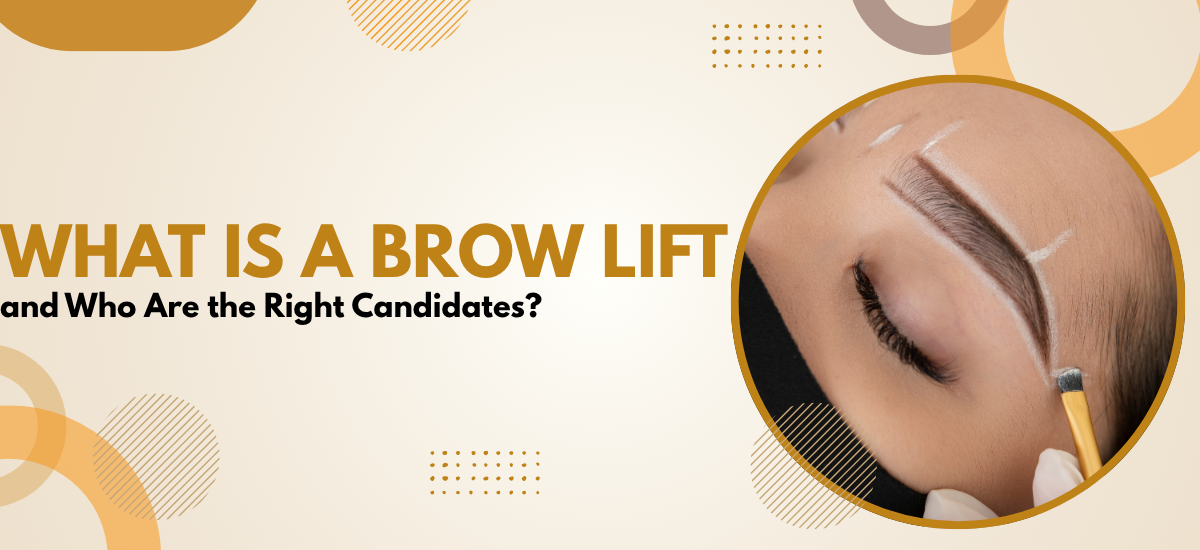
Brow lift is a surgical procedure that elevates drooping eyebrows and softens forehead lines through carefully placed incisions. The surgery repositions the brow tissue higher on the forehead. It also tightens the skin and underlying muscles that create deep horizontal lines. Patients with sagging brows from age, genetics, or significant weight loss benefit most. The procedure isn’t just cosmetic. Drooping brows can affect peripheral vision in some cases which adds a functional element to what’s otherwise treated as purely aesthetic surgery for upper face rejuvenation overall.

According to Dr. Monisha Kapoor, an experienced plastic surgeon in Delhi, “Brow lift handles what fillers and Botox simply cannot fix, the actual descent of brow tissue from age or genetics needs surgical repositioning, no amount of injectables will lift brows that have physically dropped over years requiring proper structural correction through surgery.”

Considering brow lift surgery and want to understand whether you’re a right candidate? Book Appointment

How Does Brow Lift Surgery Actually Work?

Brow lift uses different surgical techniques depending on patient anatomy and goals. Endoscopic brow lift uses small incisions and a camera. Traditional brow lift uses a longer incision across the hairline. Lateral brow lift addresses outer brow drooping specifically. Each technique handles specific concerns through different surgical access points.

  • Endoscopic Brow Lift: Several small incisions get placed within the hairline. A tiny camera goes through one incision to give visual access. The surgeon uses specialised instruments through other incisions to lift the brow tissue. Underlying muscles get released or weakened to prevent further drooping. Recovery moves faster than traditional methods. Most patients return to social activities within 1 to 2 weeks
  • Traditional Brow Lift: A longer incision runs across the hairline from ear to ear. The surgeon lifts the entire forehead skin off the underlying tissue. Excess skin gets removed surgically. Underlying muscles get adjusted to soften forehead lines. The technique provides more dramatic results for severe brow descent. Recovery takes 2 to 3 weeks for visible healing
  • Lateral Brow Lift: Targets the outer portion of the brow that often droops first. Smaller incisions hide within the temple hairline. The technique addresses the lateral hooding that causes a tired or angry appearance. Recovery moves quickly because the procedure stays focused rather than addressing the entire forehead area. Most patients return to normal activities within 1 week
  • Combined Procedures: Patients often combine brow lift with eyelid surgery for comprehensive upper face rejuvenation. Drooping brows and excess upper eyelid skin both contribute to a tired appearance. Treating both concerns together delivers balanced results. Single recovery period instead of two separate surgeries makes the combination practical for most patients seeking comprehensive upper face work

Each brow lift technique delivers excellent outcomes when matched correctly to patient anatomy, and patients exploring forehead options find that surgeon expertise in selecting the right technique for each patient’s specific brow descent pattern matters far more than picking whichever method sounds simpler or has shorter advertised recovery time on clinic websites.

Who Are the Right Candidates for Brow Lift?

Not every patient with forehead concerns suits brow lift surgery. The procedure has specific candidate requirements based on what’s actually causing the appearance issue. Some patients benefit from non-surgical alternatives instead. Understanding who fits the profile helps patients see whether surgery is the right path or whether less invasive options would actually deliver the result they want.

  • Sagging Brows from Age: Patients with brows that have descended below their original position from natural ageing get the most predictable results. The tissue has lost elasticity and structural support. Surgical repositioning restores the original brow height. Patients in their 40s through 60s typically benefit most because the descent is usually significant enough to warrant surgery rather than non-surgical alternatives like Botox
  • Hereditary Brow Position: Some patients are born with naturally low-set brows that contribute to a perpetually tired or angry appearance. The brow position has been low throughout their adult life rather than recently dropping. Surgery raises the brows to a more aesthetically balanced position. The result looks completely natural rather than over-corrected since the change is subtle and proportional
  • Functional Vision Issues: Severe brow drooping can affect peripheral vision by creating excess tissue that hangs over the upper eyelid. Patients with this combination get both functional and cosmetic benefits from surgery. Insurance sometimes covers the procedure when documented vision impairment exists. Combining with blepharoplasty recovery procedures handles both concerns comprehensively when needed
  • Failed Non-Surgical Treatments: Patients who’ve tried Botox, fillers, or threading without satisfactory results often benefit from surgery. Non-surgical options work for mild concerns. Significant drooping needs structural correction that injectables cannot deliver. Patients exploring surgery after exhausting other options usually have realistic expectations about what surgery actually achieves compared to less invasive alternatives

Brow lift requires careful candidate selection to deliver results that actually match patient expectations, and a deeper read on blepharoplasty recovery helps patients see how upper face procedures combine together when multiple concerns exist alongside brow drooping itself.

Why Choose Dr. Monisha Kapoor for Brow Lift Surgery?

Dr. Monisha Kapoor is the first Indian woman aesthetic plastic surgeon admitted to the American Society of Aesthetic Plastic Surgery and a member of ISAPS, with over 15 years of dedicated cosmetic surgery practice behind her. She handles brow lift with detailed pre-op assessment of brow descent severity, hairline position, and forehead anatomy, performs careful technique selection based on what each patient actually needs, and walks every patient through whether surgery or non-surgical alternatives genuinely suit their specific situation rather than recommending the procedure to everyone who asks.

📞 Call Now: +91 83739 84777


FAQs

How long does brow lift recovery take?

Most patients return to social activities within 1 to 2 weeks, full healing at 4 weeks.

Are brow lift results permanent?

Yes, results last 10 to 15 years before age-related changes start affecting the area again.

Can Botox replace brow lift surgery?

No, Botox softens muscle activity but cannot lift physically descended brow tissue.

When can I drive after brow lift?

Most patients drive comfortably 5 to 7 days after surgery without restrictions.


References

  1. American Society of Plastic Surgeons — Brow Lift Procedure
  2. National Library of Medicine — Brow Lift Surgical Outcomes

Posts pagination

Previous page Page 1 Page 2 Page 3

Month: June 2026

Recent Posts

  • What Is Full Body Polishing and What Results Can You Expect?
  • Why Patients Travel to Delhi for Cosmetic Surgery?
  • What Is Facial Bone Alteration and What Can It Reshape?
  • Are Dermal Fillers Safe? Risks and Side Effects Explained
  • What Is a Silk Peel (Dermalinfusion) and Who Should Get It?

Archives

  • July 2026
  • June 2026
  • May 2026
  • December 2023
  • July 2023
  • April 2023
  • July 2020
  • June 2020
  • November 2019
  • August 2019
  • August 2018
  • April 2018
  • March 2018
  • January 2018
  • December 2017
  • October 2017
  • September 2017
  • July 2017
  • June 2017
  • April 2017
  • December 2016
  • November 2016
  • October 2016
  • September 2016
  • August 2016
  • July 2016
Footer – Dr. Monisha Kapoor
Plastic Surgeon · Delhi NCR
Dr. Monisha Kapoor

Dr. Monisha Kapoor

M.Ch. Plastic Surgery  ·  25+ Years of Practice  ·  10K+ Procedures

About

A practice built on precision. Board-certified plastic surgeon affiliated with the International Society of Aesthetic Plastic Surgery and the American Society of Aesthetic Plastic Surgery. Every consultation begins with listening — and every outcome is designed around your anatomy, your goals, and your vision of yourself.

Navigation

  • Dr's Desk
  • Facilities & Infrastructure
  • Blog
  • News & Updates
  • Career
  • Contact
  • Privacy Policy

Contact

18, Block J, Saket
New Delhi – 110017
011-40666307 / 08
+91 83739 84777
+91 8860851727
plasticsurgeonmonisha@gmail.com
Follow Connect

Disclaimer: The information on this website is provided for informational purposes only and is not meant to substitute the advice of your doctor or other healthcare professional. You should not use this information for diagnosing or treating a health problem or disease, or prescribing any medication. All images used are for illustrative purposes only; actual results and process may vary.

© 2026 plasticsurgeonmonisha.com All Rights Reserved

    Doctor

    Dr. Monisha Kapoor

    Delhi's Top Plastic Surgeon


    25+ Years Experience

    10,000+ Happy Customers
    Hair, Skin, Body, Face

    Book An Appointment