 Book An Appointment

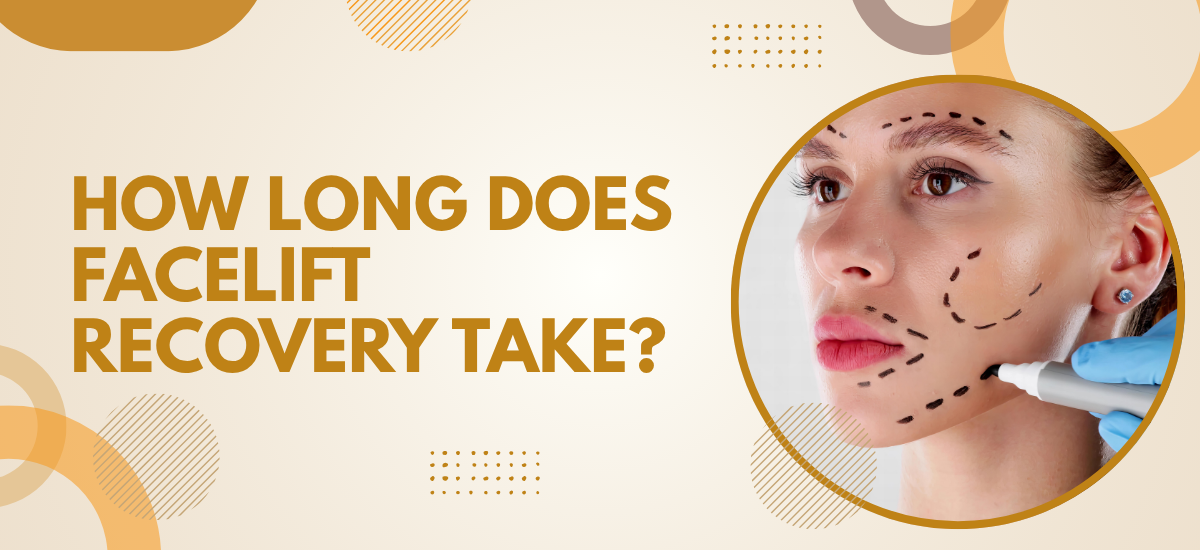
Facelift recovery moves through structured phases across several months, with most patients getting back to social activities within 2 to 3 weeks, light exercise after 4 weeks, and full strenuous activity by 6 to 8 weeks, while the deeper healing where final contour fully reveals itself takes a complete 3 to 6 months. Patients who don’t understand this timeline often panic during the first week thinking the swelling and bruising mean something has gone wrong, when both are completely expected and start fading rapidly after day 7.
According to Dr. Monisha Kapoor, an experienced plastic surgeon in Delhi, “Facelift recovery feels much shorter than it actually is, patients usually look social by week 3 but the deeper tissue work needs months to fully settle, respecting that timeline rather than rushing back to vigorous activity is what protects the result long-term.”
Considering a facelift and want to know exactly how the recovery weeks unfold? Book Appointment
What Happens During the First Month of Recovery?
Patients look quite operated-on for the first 5 to 7 days then start improving fast, by week 2 sutures come off and bruising begins shifting from purple to yellow, by week 3 most visible signs of the surgery are gone, and by week 4 patients look like themselves again with only experienced eyes catching the residual fullness still around the lower face.
- Week 1: Bandages come off after 24 to 48 hours, drains may stay in for 2 to 3 days depending on what technique was used, bruising and swelling hit their peak around days 3 to 5 which is when the face looks the most operated on, mild pain stays controlled with prescribed medication and patients sleep elevated to keep swelling from settling overnight
- Week 2: Sutures around the ears and hairline come off around days 7 to 10 which is when patients start feeling like recovery is moving, bruising shifts from purple to yellow across the cheeks and jawline, swelling drops a lot though tightness across the face stays present, social activities can pick up cautiously though anyone looking will still notice something happened
- Week 3: Visible bruising clears almost entirely and the face starts looking more familiar in the mirror again, light walking gets cleared though anything beyond that stays off for several more weeks, makeup covers any leftover yellow tones and most patients return to normal social settings without anyone commenting on the surgery
- Week 4: Major visible swelling subsides and the face looks close to the expected lifted shape though some residual fullness stays around the jaw and lower neck, energy levels return to baseline by now and patients gradually add light exercise back into daily routines but only with surgeon-approved guidance, never on their own timeline
The first month covers the most demanding part of recovery, and most patients exploring face and neck lift options find this stretch easier than expected when they prepare properly with home setup, food arranged in advance, and someone available to help during the first week or two of recovery.
What Happens After Month One Through Final Healing?
The visible recovery is done after week 4 but the deeper healing keeps going for months, residual fullness in the lower face continues fading slowly, scars start their year-long maturation process from pink to silver, sensation around the cheeks completes its return, and the final lifted contour reveals itself only as the deeper tissue swelling resolves around month 4 to 6 post-surgery.
- Month 2: Brisk walking and stationary cycling get cleared by the surgeon, swelling continues dropping across the cheeks and neck areas which makes the lifted contour start showing through more clearly, scar lines around the ears appear pink at this stage but stay hidden inside natural skin folds and behind the ear hairline so nobody can see them
- Month 3: Strenuous workouts can gradually resume under guidance, the face looks close to its final lifted shape though some residual swelling stays especially around the lower jaw and neck, sensation across the cheeks fully returns as nerves complete their healing which removes the slightly numb feeling many patients have through the first 2 months
- Month 4 to 6: Final contour emerges as residual swelling fully resolves, scar lines start their maturation from pink to silver across this stretch, patients combining their facelift with eyelid surgery see overall facial rejuvenation settling together which is part of why combined procedures get planned together for matching recovery timelines
- Beyond 6 Months: Scar continues fading across the next 12 to 18 months until it settles into a thin pale line hidden completely in natural creases around the ears, results stay stable for 10 to 15 years before age-related changes start affecting the face again, daily sunscreen and proper skincare keep skin behaving consistently with the surgical result throughout this time
Full facelift healing extends across half a year despite social recovery feeling complete much sooner, and a deeper read on facelift helps patients prepare for both the timeline and the patience the longer phase actually requires.
Why Choose Dr. Monisha Kapoor
Dr. Monisha Kapoor is the first Indian woman aesthetic plastic surgeon admitted to the American Society of Aesthetic Plastic Surgery and a member of ISAPS, with over 15 years of dedicated cosmetic surgery practice behind her. She handles every facelift case with detailed post-op guidance and continued recovery monitoring across the full 6 months, walking patients through each phase so they know what’s normal and what isn’t, and most patients move through healing with clear expectations and confident outcomes.
📞 Call Now: +91 83739 84777
FAQs
When can I drive after facelift?
Most patients drive comfortably 1 to 2 weeks after surgery without restrictions.
How long should I sleep elevated?
Sleep elevated for at least 2 to 3 weeks to reduce swelling effectively.
When does the tightness feeling go away?
Tightness eases significantly by week 3 and resolves fully by 3 months.
How long do facelift scars take to fade?
Scars fade from pink to silver across 12 to 18 months post-surgery.
References
- American Society of Plastic Surgeons — Facelift Recovery Overview
- National Library of Medicine — Post-Rhytidectomy Healing Timeline
