 Book An Appointment

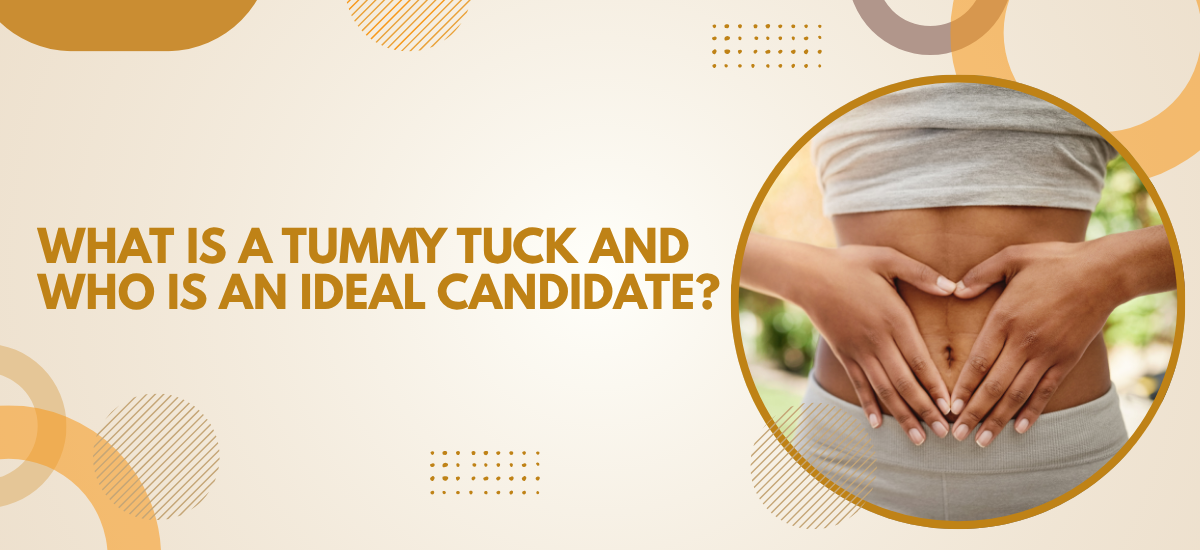
A tummy tuck, medically known as abdominoplasty, is a surgical procedure that removes excess skin and fat from the lower and middle abdomen while tightening the weakened or separated abdominal muscles underneath. It suits adults at a stable weight dealing with post-pregnancy diastasis recti, hanging skin after major weight loss, or stubborn lower belly laxity that diet and exercise cannot fix.
According to Dr. Monisha Kapoor, an experienced plastic surgeon in Delhi, “Tummy tuck isn’t a cosmetic fix alone, it’s a structural reset for the abdominal wall, and that’s exactly why it works after pregnancy or weight loss when the muscles have pulled apart.”
Loose belly skin or that pouch that just won’t go away no matter what you do? Book Appointment
What Exactly Happens During a Tummy Tuck Procedure?
A horizontal cut goes low across the belly, skin gets lifted off, the muscles below get fixed, extra fat and tissue come out, then everything stitches back into a flatter shape with the navel set in its new position.
- Muscle Repair: Pregnancy splits the abdominal muscles down the middle in many women, the surgery sews them back together which is what builds the flat core a tummy tuck is known for
- Skin Removal: That stretched skin sitting below the belly button after pregnancy or weight loss won’t tighten back on its own, so it gets cut away in a clean strip during surgery
- Fat Trimming: Lower belly fat that clings stubbornly comes off with the skin, and a touch of lipo around the flanks blends the contour cleaner if needed
- Navel Reset: New tighter skin needs the belly button repositioned to match, this small detail decides whether results look natural or look like surgery
So what gets done here goes far beyond just suctioning fat, and many patients pair their abdominoplasty with liposuction for fuller body contouring around the waistline.
Who Is the Ideal Candidate for a Tummy Tuck?
Soft belly alone doesn’t make someone a tummy tuck candidate, the right call depends on skin elasticity, muscle separation, and overall health more than what the scale shows.
- Post-Pregnancy: Women who’re done having kids and find that the loose skin, stretched tissue and split muscles haven’t bounced back even after years of trying
- Post-Weight Loss: People who’ve shed serious weight from diet or bariatric surgery and are now stuck with hanging folds across the lower belly that won’t shrink
- Stable Weight: Patients should already be holding a stable weight, since gaining weight later stretches the repaired tissue and undoes most of what surgery accomplished
- Healthy Non-Smokers: Smoking ruins wound healing and ramps up infection risk, so most surgeons want patients off cigarettes for 4 to 6 weeks before any body contouring work
Realistic expectations matter as much as physical fitness for surgery, and a complete read on cosmetic surgery breaks down what surgery can and can’t do.
Why Choose Dr. Monisha Kapoor
Dr. Monisha Kapoor is the first Indian woman aesthetic plastic surgeon admitted to the American Society of Aesthetic Plastic Surgery and a member of ISAPS, with over 15 years of dedicated cosmetic surgery practice behind her. She approaches every abdominoplasty with a real focus on muscle repair and natural contour, which is why patients keep coming away with flat, smooth midsections that hold up well over time.
📞 Call Now: +91 83739 84777
FAQs
Is a tummy tuck the same as liposuction?
No, tummy tuck removes skin and tightens muscles, lipo only removes fat.
How long does tummy tuck recovery take?
Most patients return to normal activities within six to eight weeks.
Can a tummy tuck be done after C-section?
Yes, ideally six months after C-section once the body has healed.
Does a tummy tuck leave a visible scar?
Yes, a low horizontal scar that hides easily under underwear.
References
- American Society of Plastic Surgeons — Tummy Tuck Overview
- National Library of Medicine — Abdominoplasty Surgical Techniques
