 Book An Appointment

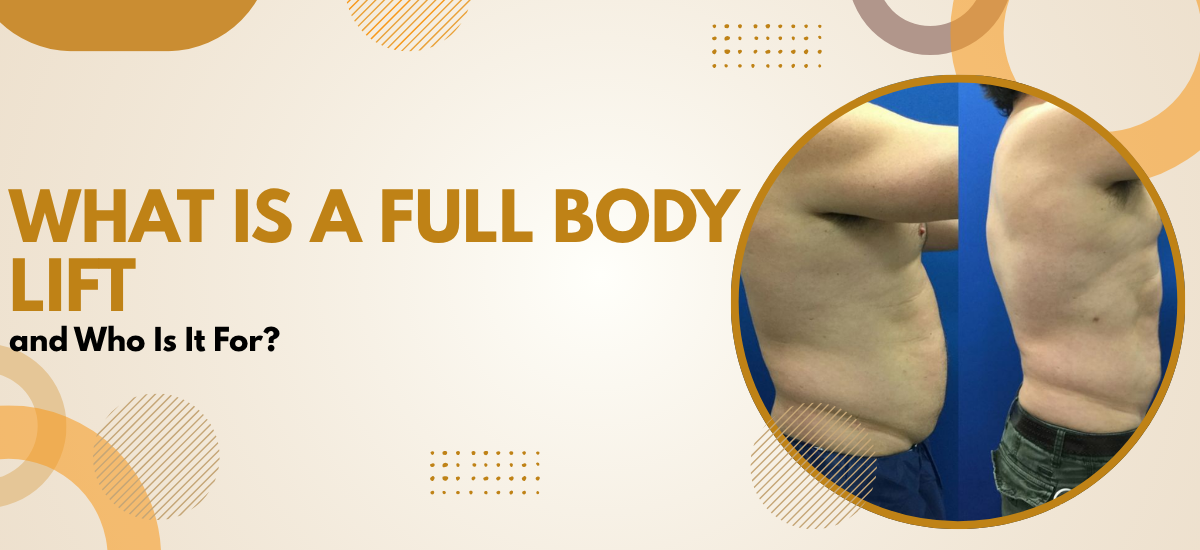
Full body lift is a comprehensive surgical procedure that removes excess loose skin and reshapes the body contour across multiple zones simultaneously, typically performed on patients after massive weight loss from bariatric surgery, gastric bypass, or sustained dietary intervention. It combines multiple lift surgeries done together or staged across separate sessions depending on the patient’s overall health and how much skin needs removing. The aim is restoring a contoured body shape that the loose skin currently hides completely. Patients who lose 50 kg or more often discover that the deflated skin doesn’t bounce back regardless of exercise, fitness, or time, which is exactly when full body lift becomes the only meaningful solution.
According to Dr. Monisha Kapoor, an experienced plastic surgeon in Delhi, “Full body lift addresses what diet and exercise simply cannot fix, the loose hanging skin that remains after major weight loss doesn’t tighten back regardless of how fit the patient gets, surgical removal is the only way to actually achieve the body shape patients worked so hard to earn through their weight loss journey itself.”
Considering full body lift after major weight loss and want to understand what the procedure involves? Book Appointment
What Areas Does a Full Body Lift Actually Address?
Full body lift handles multiple body zones in one comprehensive treatment plan. Each area gets addressed based on how much loose skin exists and where contour needs restoring. The combination depends on individual patient needs rather than a fixed package every patient receives. Some patients need the full circumferential lift. Others need targeted sections combined together based on where their weight loss left the most loose skin behind.
- Lower Body Lift: A circumferential incision goes around the entire lower torso at hip level. The surgeon removes excess skin and tissue from the abdomen, hips, lower back, and outer thighs in one continuous procedure. The buttocks get lifted and reshaped through this same incision. Loose skin from the front of the thighs gets pulled up. This is often the largest single component of a full body lift surgery
- Upper Body Lift: The upper section addresses arms, breasts, chest, and upper back areas. Brachioplasty handles the loose skin on the upper arms (often called “bat wings”). Breast lift or augmentation addresses post-weight-loss breast deflation. Back lift removes the rolls of loose skin that develop across the upper back after major weight loss. These often get combined into one upper body session for surgical efficiency
- Thigh and Arm Components: Thigh lift addresses the inner and outer thigh skin separately. Inner thigh lift requires incisions in the groin area extending down the inner leg. Outer thigh lift gets included in the lower body lift typically. Arm lifts use incisions running along the inner arm from elbow to armpit. Both procedures involve significant scarring that fades over 12 to 18 months
- Staging the Surgery: The total surgical time required for full body lift exceeds what’s safe in one operation. Most patients need 2 to 3 staged surgeries spaced 3 to 6 months apart. The lower body lift typically happens first since it addresses the largest area. Upper body work follows once initial recovery completes. Final touch-up procedures handle any remaining concerns at the end
Full body lift addresses dramatic body transformation when matched correctly to patients with completed weight loss journeys, and patients exploring body contouring options find that staging surgery properly affects both safety and final results far more than rushing to do everything in one session that exceeds what the body can safely handle at once.
Who Is the Right Candidate for Full Body Lift?
Not every weight loss patient suits full body lift surgery. The procedure has specific candidate requirements that determine whether the result will actually meet patient expectations. Understanding who fits the profile helps patients see whether they’re ready for surgery or whether they need to continue stabilising before surgical intervention makes sense for their situation.
- Weight Stability Requirement: Patients need stable weight for at least 6 to 12 months before surgery. Continuing to lose weight after surgery creates new loose skin that the procedure can’t predict or accommodate. Continuing to gain weight stretches the surgical results in unwanted ways. Most surgeons require body mass index below 32 for safety, ideally lower for optimal results to emerge cleanly through recovery
- Health Optimisation: Major surgery requires good underlying health beyond just stable weight. Patients need to be smoke-free for at least 3 to 6 months pre-op since smoking dramatically affects healing. Nutritional deficiencies common after bariatric surgery (iron, vitamin D, B12, protein) need correction before surgery. Diabetes, blood pressure, and other conditions need proper management for safe surgical outcomes
- Realistic Expectations: Patients need to understand that full body lift leaves significant scarring that fades over time but never disappears completely. The final body shape looks dramatically better than the post-weight-loss starting point but won’t match a person who never had the loose skin in the first place. Discussing realistic outcome photographs during consultation matters significantly for surgical satisfaction afterwards
- Combined Surgery Needs: Many patients need tummy tuck work alongside lower body lift to address abdominal muscle separation that often coexists with loose skin after major weight loss. Discussing all needed procedures during initial consultation rather than discovering them after surgery starts ensures the staged surgery plan covers everything the patient actually needs from the beginning
Full body lift requires careful candidate selection and proper preparation, and a deeper read on body contouring procedures helps patients see how this comprehensive procedure fits into the broader spectrum of options after major weight loss before committing to such an extensive surgical intervention spread across multiple sessions.
Why Choose Dr. Monisha Kapoor for Full Body Lift Surgery?
Dr. Monisha Kapoor is the first Indian woman aesthetic plastic surgeon admitted to the American Society of Aesthetic Plastic Surgery and a member of ISAPS, with over 15 years of dedicated cosmetic surgery practice behind her. She handles full body lift with detailed pre-op assessment of weight stability, nutritional status, and realistic outcome planning, designs staged surgery plans tailored to each patient’s specific anatomy and health profile, and walks every patient through what’s achievable rather than promising transformations that don’t match medical reality.
📞 Call Now: +91 83739 84777
FAQs
How long does full body lift take?
Total surgery splits across 2 to 3 sessions, each lasting 4 to 8 hours.
When can I have full body lift after weight loss?
Wait at least 6 to 12 months after stable weight maintenance for best results.
Are full body lift scars permanent?
Yes, scars fade significantly over 12 to 18 months but remain permanent.
Is full body lift safe to do all at once?
No, staging across 2 to 3 sessions is safer than single comprehensive surgery.
References
- American Society of Plastic Surgeons — Body Lift After Weight Loss
- National Library of Medicine — Post-Bariatric Body Contouring Outcomes
