Book An Appointment 📞 Call Now
Dr. Monisha Kapoor
  • Home
  • About Us
  • Treatments
    • Hair
      • Hair Transplant
    • Body
      • Liposuction
      • Six Pack Abs
      • Hour Glass Shape
      • Brazilian Butt Lift
      • Thigh Gap
      • Full Body Lift
      • Vaginal Revitalisation
      • Hand & Feet Revitalisation
      • Tummy Tuck
      • Breast Surgery
      • Male Chest Reshaping
      • Male Chest Reduction
      • Mommy Makeover
      • Men Makeover
    • Skin
      • Zein Obegi's Skin Treatment
      • Chemical Peels
      • Hydra Facial
      • Silk Peel
      • Pelleve Skin Tightening
      • IPL Foto Facials
      • Tri Active Deka Peel
      • Tattoo Removal
      • Laser Skin Toning
      • Laser Hair Reduction
      • Full Body Polishing
      • Halo BBL
    • Face
      • Acne Scar Treatment
      • Face & Neck Lift
      • Forehead
      • Neurotoxin and Fillers
      • Brows
      • Eyes
      • Nose
      • Cheeks
      • Lips
      • Chin
      • Face Bone Alteration
      • Dimple Creation
      • Face Thinning
      • Permanent Makeup
  • Resources
    • Facilities & Infrastructure
    • Media
    • Photos
    • Blog
    • Case Studies
  • Contact Us
+91-8860851727

Blog

Recent Posts

  • FUE vs FUT Hair Transplant: Which Technique Is Better?
  • What Is a Hair Transplant and How Does It Restore Hairlines?
  • When Should You Consider a Full Body Lift After Weight Loss?
  • Can Acne Scars Be Permanently Removed? What Works?
  • What Is the Right Age for a Facelift? Early Signs That Matter

Archives

  • June 2026
  • May 2026
  • December 2023
  • July 2023
  • April 2023
  • July 2020
  • June 2020
  • November 2019
  • August 2019
  • August 2018
  • April 2018
  • March 2018
  • January 2018
  • December 2017
  • October 2017
  • September 2017
  • July 2017
  • June 2017
  • April 2017
  • December 2016
  • November 2016
  • October 2016
  • September 2016
  • August 2016
  • July 2016

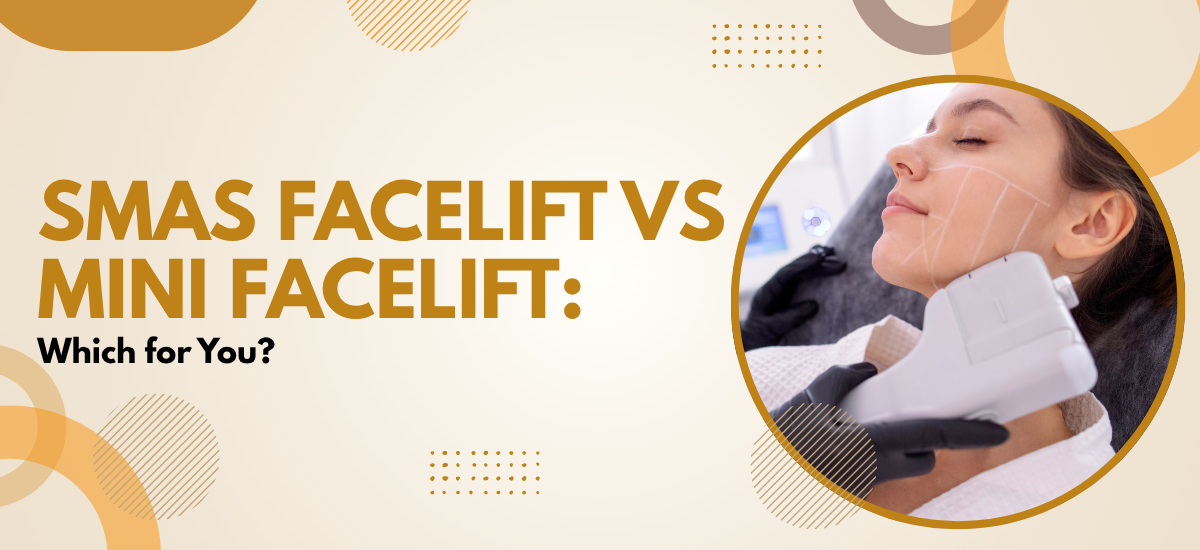
SMAS Facelift vs Mini Facelift: Which for You?

Posted on May 22, 2026May 21, 2026

SMAS facelift is a comprehensive surgical procedure that lifts and repositions the deeper muscle layer along with the skin to handle moderate to severe facial sagging through hidden incisions running from the temples to behind the ears, while mini facelift addresses milder early sagging through shorter incisions and works only on superficial tissue without touching the deeper SMAS layer. The right pick depends on how much actual sagging exists. Mild early sagging works with mini facelift. Moderate to severe sagging needs SMAS technique. Recovery time, scar length, and result longevity all differ significantly between the two approaches.

According to Dr. Monisha Kapoor, an experienced plastic surgeon in Delhi, “SMAS versus mini facelift comes down to actual ageing severity, mini facelift works beautifully for patients in their 40s with early sagging but won’t fix significant jowls or neck sagging that needs SMAS-level intervention, picking mini facelift for advanced ageing wastes both time and money on something that won’t deliver the result patients actually want.”

Considering a facelift and unsure which technique your face actually needs? Book Appointment

How Does Each Facelift Technique Actually Work?

The two techniques approach facial rejuvenation at completely different depths. SMAS works on the deep muscle layer underneath the skin. Mini facelift stays superficial and only addresses the skin and immediately underlying tissue. Each delivers distinct results suited to different stages of facial ageing. Understanding the actual surgical mechanics helps patients see why their surgeon recommends one over the other for their specific anatomy.

  • SMAS Facelift Process: Incisions run along the temples, in front of and behind the ears, and sometimes into the hairline behind, the surgeon lifts the skin off the underlying tissue to access the SMAS layer below. The deeper SMAS muscle layer gets repositioned upward and tightened, excess skin gets trimmed, results last 10 to 15 years and address full facial and neck rejuvenation comprehensively
  • Mini Facelift Process: Shorter incisions stay limited to the area in front of the ears extending slightly into the hairline, no incisions go behind the ears at all because the surgical access stays restricted to the upper face only. Only superficial tissue gets lifted and tightened, the deeper SMAS layer stays untouched, results last 5 to 8 years and work for early sagging only
  • Recovery Difference: SMAS facelift recovery takes 2 to 3 weeks for social activities and 6 weeks for full healing because the deeper surgical work requires more healing time, mini facelift recovery moves much faster with social activities resuming in 7 to 10 days and full healing within 3 to 4 weeks. The deeper the work, the longer the body needs to settle properly
  • Scar Considerations: Both techniques use hidden incisions in natural creases and behind the hairline, SMAS scars run longer because the incisions extend behind the ears for full access, mini facelift scars stay shorter and limited to the area in front of the ears only. Final scar visibility for both stays minimal once mature 12 to 18 months later

Both techniques deliver permanent improvement when matched correctly to the patient’s actual ageing severity, and patients exploring face and neck lift options find that picking the wrong technique produces disappointing results regardless of how skilled the surgeon is during the procedure itself.

SMAS Facelift vs Mini Facelift: Which One Suits You?

The right call depends on actual ageing severity, age range, recovery time available, and how long the patient wants results to last. Patients also exploring forehead work alongside facelift surgery often combine techniques to address ageing comprehensively across the upper and mid-face areas because doing them together produces better balanced results than treating each area separately at different times.

Feature

SMAS Facelift

Mini Facelift

Tissue Depth Treated

Deep SMAS muscle layer plus skin

Superficial skin and subcutaneous tissue only

Best Suited For

Moderate to severe sagging, jowls, neck laxity

Mild early sagging, age 40 to 50 typically

Incision Length

Temples to behind ears, longer

In front of ears only, shorter

Result Permanence

10 to 15 years

5 to 8 years

Procedure Duration

4 to 6 hours

2 to 3 hours

Recovery Time

2 to 3 weeks social, 6 weeks full

7 to 10 days social, 3 weeks full

Anaesthesia

General anaesthesia required

Local anaesthesia with sedation often sufficient

Cost Comparison

Higher due to comprehensive surgery

Lower, more accessible price point

The right choice depends on what each patient’s face actually needs rather than what sounds easier or faster, and a deeper read on surgical vs non-surgical facelift helps patients understand the broader spectrum of facial rejuvenation options before deciding between SMAS and mini techniques specifically for their situation.

Why Choose Dr. Monisha Kapoor For Facelift Surgery?

Dr. Monisha Kapoor is the first Indian woman aesthetic plastic surgeon admitted to the American Society of Aesthetic Plastic Surgery and a member of ISAPS, with over 15 years of dedicated cosmetic surgery practice behind her. She handles both SMAS and mini facelifts with attention to actual ageing severity rather than personal preference for either technique, performs proper anatomical assessment during consultation, and walks every patient through which approach genuinely suits their specific concerns rather than recommending the procedure that’s faster or more profitable.

📞 Call Now: +91 83739 84777


FAQs

Is mini facelift just a smaller SMAS facelift?

No, mini facelift only addresses superficial tissue while SMAS lifts deeper muscle layer.

Which lasts longer, SMAS or mini facelift?

SMAS lasts 10 to 15 years, mini facelift typically lasts 5 to 8 years.

Can I have a mini facelift in my 60s?

Mini facelift suits early sagging only, advanced ageing usually needs SMAS technique.

Does mini facelift handle neck sagging?

No, neck sagging requires full SMAS facelift for proper deep-tissue correction.


References

  1. American Society of Plastic Surgeons — Facelift Techniques
  2. National Library of Medicine — SMAS vs Limited Facelift Outcomes
Open vs Closed Rhinoplasty: Key Differences

Posted on May 21, 2026May 21, 2026

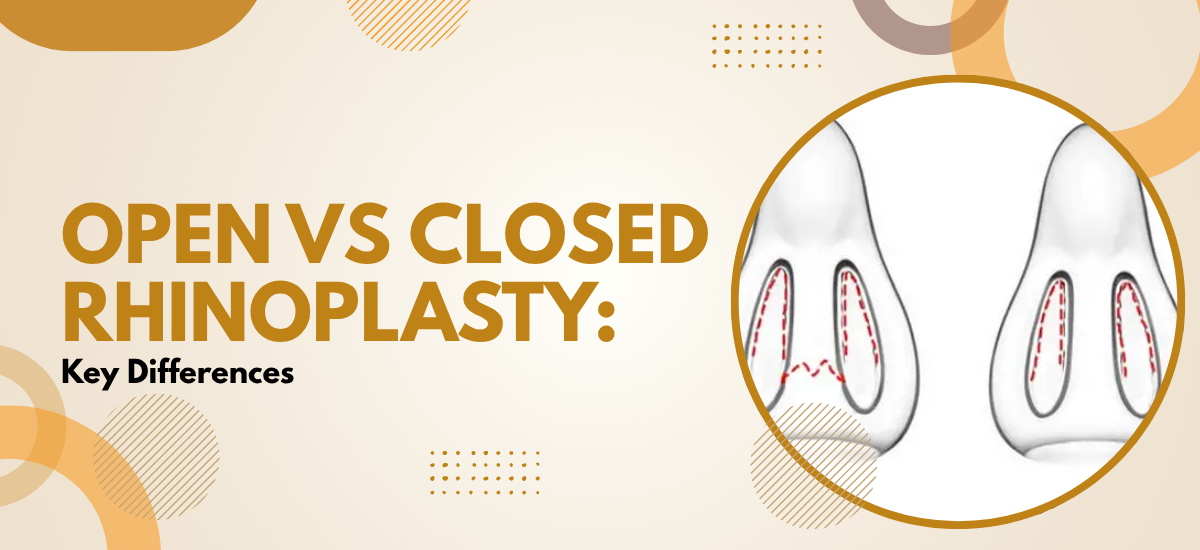
Open rhinoplasty uses a small external incision across the columella (the strip of skin between the nostrils) to lift the skin off the nasal framework, giving surgeons direct visual access to cartilage and bone for complex reshaping work, while closed rhinoplasty keeps all incisions hidden entirely inside the nose with no external scarring at all. The choice between techniques comes down to how much surgical access the case actually requires. Simple corrections work with closed technique. Complex reconstruction needs open technique. Surgeons fluent in both can match technique to anatomy rather than forcing every patient through whichever approach they’re comfortable with personally.

According to Dr. Monisha Kapoor, an experienced plastic surgeon in Delhi, “Open versus closed rhinoplasty isn’t a question of which is better, it’s a question of which approach the specific case actually needs, complex tip work or revision surgery often needs open access while simpler corrections can be done beautifully through closed technique with no external scar at all.”

Considering rhinoplasty and unsure whether your case needs open or closed technique? Book Appointment

How Does Each Rhinoplasty Technique Actually Work?

The two techniques approach the same nasal framework through completely different access routes. Open technique gives full visual access. Closed technique works through limited internal openings. Each has specific cases where it works best. Understanding the actual mechanics behind each helps patients see why their surgeon recommends one over the other for their specific anatomy and goals.

  • Open Rhinoplasty Process: A small incision goes across the columella connecting the two nostril edges, the skin gets lifted up off the nasal cartilage and bone underneath, this gives the surgeon complete visual access to the entire nasal framework. Complex cartilage grafting becomes much easier with this access, the external incision heals into a thin barely visible line over time
  • Closed Rhinoplasty Process: All incisions stay completely inside the nostrils with no external cuts at all, the surgeon works through these internal openings to access the underlying cartilage and bone structure. Visual access stays more limited compared to open technique, this works perfectly for straightforward cases but becomes restrictive for complex tip work or revision rhinoplasty
  • Recovery Difference: Closed rhinoplasty typically has slightly less swelling around the nasal tip during early recovery because the columellar tissue stays undisturbed throughout surgery, the external healing phase is also faster since there’s no visible scar to manage. Open rhinoplasty involves slightly more tip swelling in the first few weeks but final results stay equivalent
  • Scar Considerations: Closed rhinoplasty leaves zero external scarring at all, open rhinoplasty leaves a thin scar across the columella that fades to barely visible over 12 to 18 months. Patient skin tone and individual healing affect how quickly the open scar fades, darker skin tones sometimes need more time for the scar to settle into a less visible line

Both techniques deliver permanent nasal reshaping when performed properly, and patients exploring nose surgery options find that surgeon expertise and technique selection matter far more than which approach gets used as long as the surgeon is fluent in both techniques.

Open vs Closed Rhinoplasty: Which One Suits You?

Picking right comes down to how complex the case actually is, what kind of tip work the patient needs, whether revision surgery applies, and how comfortable the surgeon is with each technique. Patients exploring face and neck lift work alongside rhinoplasty also benefit from understanding which technique pairs better with combined facial procedures because access to the nasal tip affects how much detail work the surgeon can do during the same operation.

Feature

Open Rhinoplasty

Closed Rhinoplasty

Incision Location

Across columella plus inside nostrils

Entirely inside nostrils only

Visual Access

Full direct access to nasal framework

Limited indirect access

Best Suited For

Complex tip work, revision surgery, cartilage grafting

Simple corrections, bridge work, straightforward cases

External Scar

Thin scar across columella, barely visible

No external scar at all

Tip Swelling Duration

Slightly longer in early recovery

Slightly less in early weeks

Surgical Time

3 to 4 hours typically

2 to 3 hours typically

Revision Capability

Strong access for revision corrections

Limited for complex revisions

Final Result Quality

Excellent for complex cases

Excellent for straightforward cases

The right call depends on case complexity rather than personal preference for either approach, and a deeper read on rhinoplasty surgeon selection helps patients understand exactly what to ask surgeons about technique fluency before booking, because the surgeon’s range across both techniques shapes the actual outcome more than which approach gets chosen.

Why Choose Dr. Monisha Kapoor For Rhinoplasty Surgery?

Dr. Monisha Kapoor is the first Indian woman aesthetic plastic surgeon admitted to the American Society of Aesthetic Plastic Surgery and a member of ISAPS, with over 15 years of dedicated cosmetic surgery practice behind her. She handles rhinoplasty with fluency in both open and closed techniques, matches the technique to actual case complexity rather than personal preference, performs cartilage grafting where structure needs adding, and walks every patient through which approach genuinely suits their specific anatomy and goals during consultation.

📞 Call Now: +91 83739 84777


FAQs

Which rhinoplasty technique leaves visible scarring?

Open rhinoplasty leaves a thin barely visible columellar scar, closed leaves none.

Is open rhinoplasty better than closed?

Neither is universally better, technique choice depends entirely on case complexity needs.

Can closed rhinoplasty handle revision surgery?

Limited access makes closed rhinoplasty difficult for complex revision rhinoplasty cases.

Does open rhinoplasty have longer recovery?

Slightly more tip swelling early on, overall recovery stays similar between techniques.


References

  1. American Society of Plastic Surgeons — Rhinoplasty Techniques
  2. National Library of Medicine — Open vs Closed Rhinoplasty Outcomes

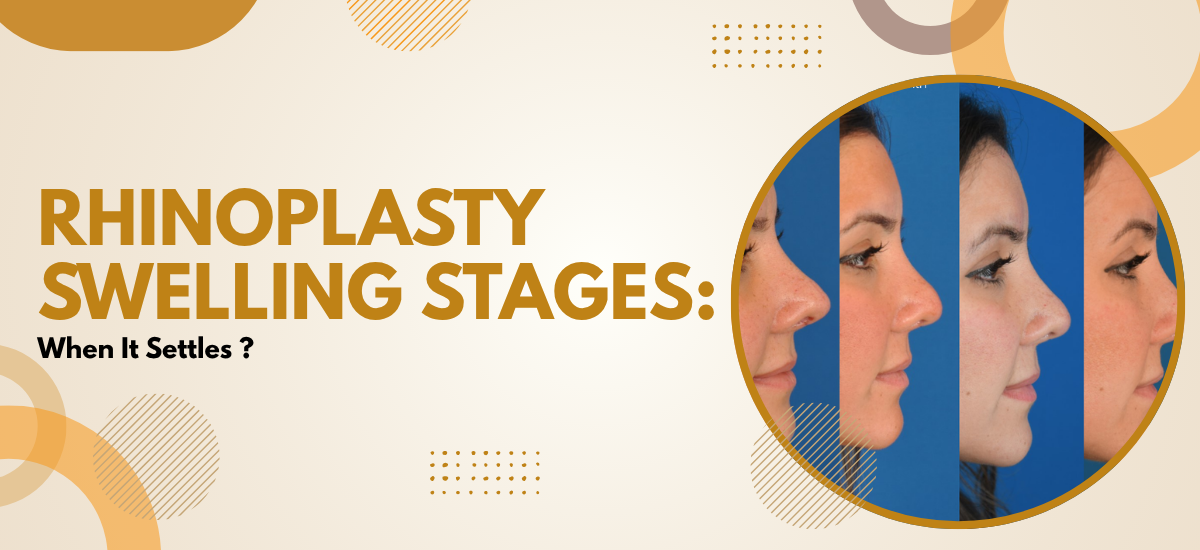
Rhinoplasty Swelling Stages: When It Settles?

Posted on May 20, 2026May 21, 2026

Rhinoplasty swelling progresses through predictable stages across many months, with peak visible swelling happening around days 3 to 5 then dropping rapidly through week 2, while deeper residual swelling continues fading slowly across the next 12 to 18 months until final nasal shape fully reveals itself in its permanent form. Most patients underestimate how long this process actually takes. The visible part of swelling looks dramatic early. The settling phase that nobody talks about extends across more than a year. Patients who don’t understand this timeline often panic at month 3 thinking the result is final when it actually has another 9 to 15 months of refinement ahead.

According to Dr. Monisha Kapoor, an experienced plastic surgeon in Delhi, “Rhinoplasty swelling is the part patients ask about most after surgery, the visible swelling drops fast through the first month but the deeper tissue swelling that affects fine details around the tip and bridge takes a full year to fully resolve, what looks like the final nose at month 3 isn’t actually the final nose at all.”

Considering rhinoplasty and want to understand exactly how swelling resolves over time? Book Appointment

What Happens During the Early Swelling Stages?

The early stages handle the most dramatic visible changes. Swelling peaks around days 3 to 5 when the nose looks the most operated on. Cast removal happens around day 7 which often makes the nose look initially smaller before residual swelling returns. Bruising shifts colours across week 2. Most patients move from significant visible swelling to looking essentially normal by the end of week 4.

  • Day 1 to 5: Swelling reaches its peak around days 3 to 5 when the nose, eyes, and surrounding cheek areas look the most operated on, cold compresses applied around the eyes (not directly on the nose) help reduce facial swelling significantly. The cast or splint stays on protecting the nose, sleeping happens elevated to keep swelling from settling overnight in the nasal area
  • Day 6 to 14: Cast or splint comes off around day 7, which often makes the nose look smaller initially before residual swelling returns over the next few days creating a slightly fuller look temporarily. Bruising around the eyes shifts from purple to yellow tones, swelling drops noticeably across the bridge though the tip stays swollen, makeup can start covering remaining discolouration
  • Week 3 to 4: Major facial swelling resolves and most patients return to social activities looking essentially normal, residual swelling stays mostly around the nasal tip and supratip area which makes the nose still look slightly larger than its final form. The bridge of the nose looks close to expected shape, fine details remain hidden under deeper tissue swelling
  • Month 2: Surface swelling almost fully resolves, the nose looks notably refined though tip swelling continues hiding final detail definition. Patients combining rhinoplasty with face and neck lift work see overall facial rejuvenation settling together which makes the proportions look harmonious during this transition phase

The early stages cover the most dramatic visible changes, and most patients exploring rhinoplasty options find this stretch faster than expected because most attention focuses on this period before the deeper settling begins which extends across many more months than patients typically prepare for in advance.

What Happens During the Long Settling Phase?

The long settling phase handles refinement that most patients never see happening. Residual swelling continues fading from month 3 onwards. The nasal tip is the slowest area to settle. Skin thickness affects how quickly final detail emerges. Patients seeing photographs at month 6 versus month 12 versus month 18 often can’t believe the same nose continued refining across that entire period.

  • Month 3 to 6: The nose looks close to its final shape but tip definition continues sharpening as deeper swelling resolves slowly, patients with thinner skin see refinement happening faster than patients with thicker skin. The bridge looks essentially settled by month 4, the tip continues changing visibly across the next several months as residual fluid clears from deeper tissues
  • Month 7 to 12: Fine details emerge as residual swelling completes most of its resolution, patients with thicker Indian skin see significant refinement during this stretch that doesn’t happen with thinner-skinned patients earlier on. The supratip area (the small zone above the tip) is often the last to settle, taking the full 12 months to reveal its final contour clearly
  • Month 13 to 18: Final settling completes for almost all patients, the nasal shape patients see at month 18 represents the permanent surgical result. Tip definition reaches its sharpest point, the supratip area finishes its settling, photographs taken now resemble exactly what the patient will see for the rest of their life
  • What Affects Settling Speed: Skin thickness, surgical technique used (open vs closed), how aggressive the cartilage work was, individual healing response, and post-op care compliance all affect how quickly each stage actually unfolds, no two patients heal on identical timelines and rushing the assessment of final results before month 12 is the most common patient mistake

The long settling phase extends well beyond what most patients prepare for in advance, and a deeper read on rhinoplasty recovery week by week helps patients see the bigger picture of how rhinoplasty actually heals across the full 18-month settling timeline rather than relying on the abbreviated version often presented before surgery.

Why Choose Dr. Monisha Kapoor For Rhinoplasty Treatment?

Dr. Monisha Kapoor is the first Indian woman aesthetic plastic surgeon admitted to the American Society of Aesthetic Plastic Surgery and a member of ISAPS, with over 15 years of dedicated cosmetic surgery practice behind her. She handles every rhinoplasty case with detailed pre-op education about realistic settling timelines, proper post-op guidance, and continued monitoring across the full 18 months, walking patients through each stage so they understand what’s normal at each point and what isn’t.

📞 Call Now: +91 83739 84777


FAQs

When does rhinoplasty swelling completely go away?

Most swelling resolves within 3 months, final settling takes 12 to 18 months.

Why does my nose look bigger after the cast?

Initial cast removal shows reduced size, swelling returns temporarily over the next few days.

Why is the tip the last area to settle?

The nasal tip has thicker skin and complex tissue layers that retain swelling longest.

Can I see final rhinoplasty results at 6 months?

No, final results take 12 to 18 months especially for tip definition refinement.


References

  1. American Society of Plastic Surgeons — Rhinoplasty Recovery Timeline
  2. National Library of Medicine — Post-Rhinoplasty Swelling Resolution Stages

Labiaplasty Recovery: What to Expect First 2 Weeks?

Posted on May 19, 2026May 23, 2026

Labiaplasty recovery is one of the faster recoveries in cosmetic surgery, with most patients returning to office work within 5 to 7 days and resuming most daily activities within 2 weeks, though intimacy and strenuous workouts stay restricted for 4 to 6 weeks to protect the deeper healing underneath. The first 2 weeks handle the bulk of visible recovery. Mild discomfort stays manageable with prescribed medication. Swelling drops noticeably after day 5. Most women describe the experience as far less painful than they expected before surgery.

According to Dr. Monisha Kapoor, an experienced plastic surgeon in Delhi, “Labiaplasty pain is the part patients worry about most before surgery and remember least afterwards, the discomfort stays mild from day 3 onwards and most of recovery is just about following activity restrictions rather than dealing with significant pain at any point.”

Considering labiaplasty and want to know exactly how the first 2 weeks unfold? Book Appointment

What Happens During the First Week of Recovery?

The first week handles the most active part of labiaplasty recovery. Mild swelling and tenderness peak around days 2 to 4. Walking starts the same day as surgery. Sitting for long periods stays uncomfortable through the first 5 days. Most women move from limited activity in the first 48 hours to feeling close to normal by day 7 with proper rest and ice application.

  • Day 1 to 2: Mild discomfort and tenderness around the surgical area get controlled with prescribed pain medication, ice packs applied for the first 48 hours reduce swelling significantly. Walking starts within hours of surgery to encourage circulation, sitting on regular chairs stays uncomfortable so most women lie down with a donut cushion when sitting becomes necessary
  • Day 3 to 5: Swelling reaches its peak around days 3 to 4 then starts dropping noticeably, most patients shift from prescribed pain medication to over-the-counter options. Walking feels easier and basic self-care like showering returns, mild discomfort during urination stays present though manageable, sleeping happens on the side or back rather than face down
  • Day 6 to 7: Swelling drops noticeably and most patients feel comfortable with light household activities, sutures dissolve naturally without requiring removal. Discomfort drops to occasional tightness rather than active pain, most women return to desk-based office work between days 5 and 7 depending on what their job involves and how their specific recovery is moving along

The first week covers the most demanding part of visible recovery, and most patients exploring vaginal rejuvenation options find this stretch easier than the pre-op anxiety suggested when prepared with ice packs, cushions, and someone available for help during the first 2 to 3 days at home.

What Happens During the Second Week of Recovery?

Week two brings significant improvement. Visible swelling continues fading rapidly. Most patients return to full work routines and basic daily activities. Sitting becomes comfortable again. Strenuous activity, swimming, and intimacy stay restricted to protect the deeper healing that continues quietly underneath even when external healing looks complete.

  • Day 8 to 10: Most visible swelling resolves and patients feel essentially back to normal during daily activities, light walking and basic exercise like stretching get cleared by the surgeon. Sitting on regular chairs feels comfortable again, the surgical area looks notably less swollen, mild tightness or pulling sensations occur occasionally as deeper tissues continue healing
  • Day 11 to 13: Patients return to most normal daily routines including longer walks and full household activities, though running, cycling, weightlifting, and swimming still stay completely restricted. Patients combining labiaplasty with mommy makeover procedures see overall recovery progress aligning across all surgical areas during this phase
  • Day 14 Onwards: External healing is largely complete, the surgical area looks essentially healed though final settling continues quietly underneath. Restrictions on intimacy and strenuous workouts continue through weeks 4 to 6, surgeon clearance is required before resuming sexual activity even when patients feel completely back to normal externally
  • What to Watch For: Sudden increase in swelling, unusual discharge, fever, or significant pain that wasn’t present earlier in recovery needs immediate medical attention rather than monitoring at home, these aren’t normal recovery patterns and warrant a phone call to the surgeon’s office right away

Full labiaplasty healing extends across 4 to 6 weeks despite functional recovery feeling complete much sooner, and a deeper read on labiaplasty vs vaginoplasty helps women understand both the immediate timeline and the broader picture of how each procedure differs in surgical scope and recovery experience.

Why Choose Dr. Monisha Kapoor For Labiaplasty Treatment & Recovery?

Dr. Monisha Kapoor is the first Indian woman aesthetic plastic surgeon admitted to the American Society of Aesthetic Plastic Surgery and a member of ISAPS, with over 15 years of dedicated cosmetic surgery practice behind her. She handles every labiaplasty case with discretion, detailed pre-op pain management discussions, and continued recovery monitoring across the full 4 to 6 weeks, walking patients through what’s normal and what isn’t, and most patients move through recovery feeling more comfortable than the pre-op anxiety led them to expect.

📞 Call Now: +91 83739 84777


FAQs

When can I sit comfortably after labiaplasty?

Sitting becomes comfortable after 5 to 7 days, regular chairs feel normal by day 10.

How long do I need pain medication?

Most patients use prescribed medication for 2 to 3 days then switch to over-the-counter.

When can I exercise after labiaplasty?

Light walking from day 7, full workouts allowed after 4 to 6 weeks.

When can I resume intimacy after labiaplasty?

Sexual activity resumes after 4 to 6 weeks with full surgeon clearance only.


References

  1. American Society of Plastic Surgeons — Labiaplasty Recovery
  2. National Library of Medicine — Post-Labiaplasty Healing Outcomes

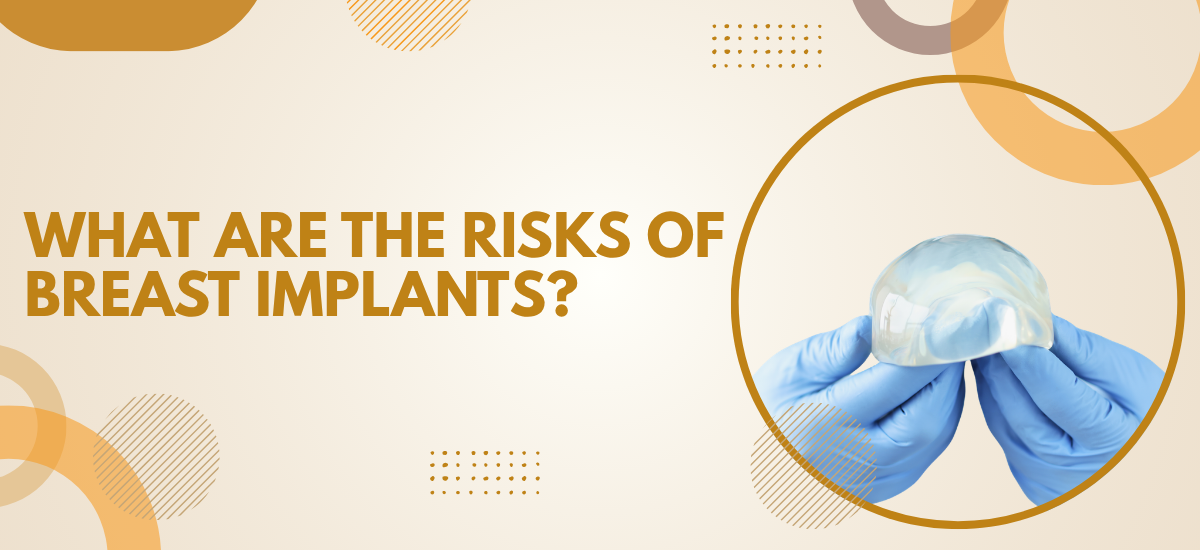
What Are the Risks of Breast Implants?

Posted on May 18, 2026May 21, 2026

Breast implants carry real risks that patients should understand before booking augmentation surgery, but most complications stay rare and manageable when patients pick qualified surgeons working in proper hospital facilities. The actual risk profile depends heavily on factors patients control through their surgeon choice, implant type selection, surgical technique, and consistent follow-up care across the years. Modern implants are far safer than older generations. Manufacturing standards have improved significantly. Most risks have predictable warning signs that catch problems early when patients stay vigilant about regular monitoring rather than ignoring annual check-ups for years.

According to Dr. Monisha Kapoor, an experienced plastic surgeon in Delhi, “Breast implant risks aren’t a reason to avoid surgery, they’re information patients need to make the right decisions about implant type, surgeon choice, and ongoing care, the surgeons who skip these conversations are exactly the ones patients should walk away from before booking anything.”

Considering breast augmentation and want a clear picture of what risks actually involve? Book Appointment

What Are the Most Common Breast Implant Risks?

Some breast implant risks show up across many cases without indicating anything went wrong, while others develop years later as the body and implants both keep changing. Capsular contracture is the most common complication patients run into. Rupture happens but stays preventable through monitoring. Infection rates remain very low when sterile technique is followed properly during the surgery itself.

  • Capsular Contracture: Every implant placed in the body forms scar tissue around it. Sometimes this scar tissue tightens too much. The implant gets squeezed which causes hardness, distortion, or pain over the years. Mild grade I cases often get monitored without intervention. Severe grade IV cases need surgical correction. Submuscular placement under the chest muscle reduces this risk significantly compared to placement directly behind breast tissue alone
  • Implant Rupture: Saline implants leak visibly within days because the body absorbs the salt water rapidly. Silicone ruptures behave completely differently. They often stay silent for years. Modern cohesive gel doesn’t even leak when the shell ruptures, the gel just stays in place inside its capsule, the FDA recommends MRI screening at 5 to 6 years post-surgery and every 2 to 3 years afterwards regardless of any visible symptoms
  • Infection: Less than 1% of breast augmentation cases develop infection when sterile technique is followed properly during surgery. Watch for redness spreading beyond expected bruising, fever, or unusual discharge from incision sites. Most infections clear with antibiotics without affecting the final aesthetic result, severe cases sometimes require temporary implant removal until everything settles down
  • Changes in Sensation: Temporary numbness or hypersensitivity around the nipple and breast tissue happens in many cases due to nerve disruption during surgery. Sensation typically returns gradually across 3 to 6 months. Permanent sensation loss occurs in a small percentage of patients, the risk goes up with larger implant sizes and certain placement techniques used during the original procedure

The standard risks stay manageable in qualified hands, and patients exploring breast augmentation options should ask specifically about complication rates and how each surgeon handles complications when they show up rather than accepting general assurances about safety.

What Rare but Serious Risks Should Patients Know About?

The rare complications stay genuinely uncommon. Awareness still matters because it changes how patients monitor their implants over the years. BIA-ALCL has been a major topic since FDA action against certain textured implants. Breast Implant Illness is contested but patients deserve honest discussion about it. Both topics get glossed over by surgeons who’d rather not discuss anything that could put patients off booking.

  • BIA-ALCL: Breast Implant-Associated Anaplastic Large Cell Lymphoma is a rare cancer specifically linked to textured-surface implants. The FDA has restricted certain textured implant brands due to this association. Smooth-surface implants don’t carry this same risk profile. Watch for unexplained breast swelling, unusual lumps, or skin changes around the implant site that don’t have an obvious cause, any of these need immediate medical evaluation rather than monitoring at home
  • Breast Implant Illness: A constellation of symptoms including fatigue, joint pain, brain fog, and skin rashes that some patients report after augmentation. The medical community continues studying whether implants directly cause these symptoms. Patients experiencing persistent unexplained symptoms after augmentation should discuss explant options with their surgeon, considering revision through breast surgery is a valid path for women feeling their implants negatively affect overall health
  • Implant Displacement: Implants can shift from their original position over time. Gravity affects them. Weight changes affect them. Pregnancy changes everything. Capsular contracture sometimes pulls them out of place which affects symmetry and breast appearance. Surgical revision can reposition the implants and reinforce the supporting tissue, choosing experienced surgeons who use proper internal sutures during the original surgery cuts displacement risk significantly
  • Anaesthesia Complications: Standard anaesthesia risks apply to breast augmentation the same way they apply to any surgery requiring general anaesthesia. Performing the procedure at facilities with full ICU backup and trained anaesthesia teams handles these risks far better than smaller clinics that lack proper emergency infrastructure during longer procedures

The rare complications stay genuinely uncommon but knowing about them shapes how patients monitor their implants long-term, and a deeper read on breast implant lifespan helps women see the bigger picture of how implants behave across decades and when replacement becomes necessary.

Why Choose Dr. Monisha Kapoor to Understand the Risks of Breast Cancer?

Dr. Monisha Kapoor is the first Indian woman aesthetic plastic surgeon admitted to the American Society of Aesthetic Plastic Surgery and a member of ISAPS, with over 15 years of dedicated cosmetic surgery practice behind her. She handles breast augmentation with detailed pre-op risk discussions, proper hospital facility selection, and ongoing post-op monitoring across the years. Most patients leave the consultation knowing exactly what to watch for during the years ahead, and that information matters more than any marketing pitch about how safe implants are.

📞 Call Now: +91 83739 84777


FAQs

Are breast implants completely safe?

No surgery is completely without risk, but breast implants stay generally safe with monitoring.

What is BIA-ALCL?

A rare cancer linked specifically to textured-surface breast implants, requiring FDA monitoring.

How often should I check my implants?

Annual examinations and MRI screening every 2 to 3 years after surgery are recommended.

What signs need immediate medical attention?

Sudden swelling, severe pain, fever, breast distortion, or unusual lumps around implant areas.


References

  1. American Society of Plastic Surgeons — Breast Implant Safety Information
  2. National Library of Medicine — Breast Implant Risk Profile

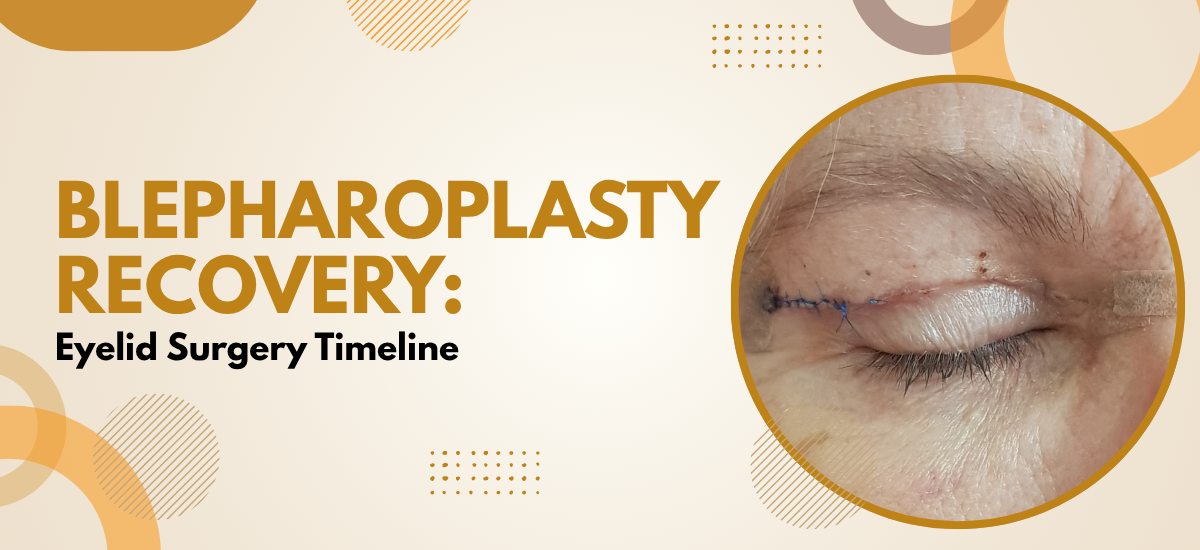
Blepharoplasty Recovery: Eyelid Surgery Timeline

Posted on May 17, 2026May 21, 2026

Blepharoplasty recovery is one of the faster recoveries in cosmetic surgery, with most patients returning to social activities within 10 to 14 days, though full healing where final eye shape settles into permanent form takes 3 to 6 months as deeper tissue swelling resolves. The first week handles the bulk of visible recovery. Bruising peaks early then fades. Swelling drops noticeably after stitches come out around day 7. Most patients underestimate how quickly they look social again because they were prepared for something far worse.

According to Dr. Monisha Kapoor, an experienced plastic surgeon in Delhi, “Blepharoplasty recovery feels much faster than patients expect, the eyes look operated on for about a week then start improving rapidly, by day 14 most people can’t tell anything happened unless they’re looking specifically for surgical signs.”

Considering eyelid surgery and want to know exactly how recovery actually unfolds? Book Appointment

What Happens During the First Two Weeks of Recovery?

The first 2 weeks cover the bulk of visible blepharoplasty recovery. Cold compresses get used for the first 48 hours. Stitches come off around day 5 to 7 depending on technique used. Bruising shifts from purple to yellow tones across week 1. Most patients move from looking quite operated-on early week 1 to looking essentially normal by day 14.

  • Day 1 to 2: Mild discomfort and tightness around the eyes get controlled with prescribed medication, cold compresses applied for 48 hours reduce swelling significantly. Eyes feel sticky and watery occasionally, vision stays slightly blurry due to ointment used at the surgical site, sleeping happens elevated to keep swelling from settling overnight
  • Day 3 to 5: Bruising reaches its peak around days 3 to 5, swelling looks the most prominent during this window before starting to drop. Most patients describe this stretch as the most “operated-on” looking phase of recovery, vision clears as the ointment wears off, mild discomfort drops to almost negligible levels by day 4
  • Day 6 to 8: Stitches come off around day 5 to 7 depending on suture type used, bruising shifts from purple to yellow tones across the upper and lower eyelids. Swelling drops noticeably and most patients feel ready to handle short outings with sunglasses, makeup can start covering yellow tones from day 8 onwards
  • Day 9 to 14: Visible bruising clears almost entirely, swelling continues fading though residual fullness stays at the inner corner of the eyes, most patients return to social activities and work between days 10 and 14. Makeup fully covers any remaining discolouration and patients feel comfortable in normal social settings without anyone noticing the surgery

The first two weeks cover the most demanding part of visible recovery, and most patients exploring eye surgery options find this stretch faster than the pre-op anxiety suggested when prepared properly with sunglasses, lubricating drops, and someone available to help with errands during the first week.

What Happens After Two Weeks Through Final Healing?

Recovery slows down significantly after the first 2 weeks. Visible signs of surgery are largely gone. Internal healing keeps going for months. Final eye shape only reveals itself across 3 to 6 months as deeper tissue swelling fully resolves and scars complete their year-long maturation from pink to silver tones.

  • Week 3 to 4: Most patients feel completely back to baseline, exercise restrictions start lifting under surgical guidance, residual swelling continues fading especially around the inner eye corners. Scar lines hidden inside upper eyelid creases or below lash lines stay barely visible at this stage, normal makeup application returns without any restrictions
  • Month 2 to 3: Final eye shape starts becoming visible as residual swelling fully resolves, sensation across the eyelids fully returns. Patients combining blepharoplasty with forehead surgery or brow lift see overall facial rejuvenation settling together which makes the eye area look more balanced with surrounding facial proportions
  • Month 4 to 6: Final contour fully emerges, scars continue maturing from pink to lighter tones over time, the refreshed eye area looks completely natural without any obvious surgical signs. Photographs taken now resemble the permanent outcome and most patients can’t even point out where the original incisions were placed
  • Beyond 6 Months: Scar maturation continues across the next 12 to 18 months until lines settle into thin pale marks completely hidden in natural eyelid creases. Results last 10 years for upper eyelid surgery and often permanent for lower eyelid work, daily sunscreen and good skincare keep the surrounding skin behaving consistently with the surgical result

Full blepharoplasty healing extends across 6 months despite social recovery feeling complete much sooner, and a deeper read on eyelid surgery helps patients understand both the immediate timeline and the longer healing phase that gives final results their permanent form.

Why Choose Dr. Monisha Kapoor Blepharoplasty Recovery & Treatment?

Dr. Monisha Kapoor is the first Indian woman aesthetic plastic surgeon admitted to the American Society of Aesthetic Plastic Surgery and a member of ISAPS, with over 15 years of dedicated cosmetic surgery practice behind her. She handles every blepharoplasty case with detailed post-op guidance and continued recovery monitoring across the full 6 months, walking patients through each phase of healing so they know what’s normal and what isn’t, and most patients move through recovery with clear expectations and confident outcomes.

📞 Call Now: +91 83739 84777


FAQs

When can I drive after blepharoplasty?

Most patients drive comfortably 5 to 7 days after surgery without restrictions.

When can I wear contact lenses again?

Avoid contact lenses for at least 2 weeks post-blepharoplasty surgery completely.

How long should I sleep elevated?

Sleep elevated for the first week to reduce eye swelling effectively.

Are blepharoplasty scars permanent?

Scars hide inside natural creases or below lash lines, almost invisible after healing.


References

  1. American Society of Plastic Surgeons — Blepharoplasty Recovery
  2. National Library of Medicine — Post-Blepharoplasty Healing Timeline

Body Contouring Recovery: What Patients Should Know?

Posted on May 16, 2026May 21, 2026

Body contouring recovery varies significantly depending on which procedures are involved, since liposuction recovery looks completely different from tummy tuck recovery, and combining multiple procedures changes the timeline further. Most patients return to office work within 1 to 3 weeks across procedures, full strenuous activity resumes by 6 to 8 weeks, and final body contour reveals itself across 3 to 6 months as deeper tissue swelling fully resolves. The bigger reality is that recovery isn’t just about waiting for swelling to fade, it involves wearing compression garments, following activity restrictions, and managing expectations across the timeline patients rarely fully prepare for in advance.

According to Dr. Monisha Kapoor, an experienced plastic surgeon in Delhi, “Body contouring recovery is mostly about patience, the visible swelling fades fast but the deeper tissue work needs months to fully settle, patients who rush back to vigorous activity in week 4 thinking they look healed often regret it because that’s exactly when complications can show up if the underlying tissue hasn’t finished healing yet.”

Considering body contouring and want to understand exactly what recovery actually involves? Book Appointment

What Should Patients Expect During the First Month?

The first month covers the bulk of visible recovery for most body contouring procedures. Compression garments stay on continuously. Bruising peaks early then fades. Swelling drops noticeably across the first 4 weeks. Most patients move from limited mobility in week 1 to feeling close to baseline by week 4, though final shape stays hidden under residual swelling.

  • Week 1: Compression garments stay on continuously across treated areas, walking starts within 24 hours to prevent blood clots, mild discomfort gets controlled with prescribed medication. Bruising and swelling peak around days 3 to 5, sleeping happens elevated for the first few nights, basic self-care like showering returns by day 4 or 5 with help from someone available
  • Week 2: Bruising shifts from purple to yellow tones, swelling drops noticeably though compression garments stay on continuously. Most patients return to desk-based work between days 7 and 14 depending on which areas were treated and how their specific recovery is moving along, lifting and strenuous activity stay off-limits
  • Week 3: Visible bruising clears almost entirely, swelling continues dropping, the body starts looking closer to expected shape though residual fullness stays present. Light walking and basic household activities feel comfortable, posture returns to normal across this stretch though compression garments still need to stay on
  • Week 4: Energy returns close to baseline, light cardio gets cleared by the surgeon, the treated areas look notably flatter and more contoured. Compression garments may transition from continuous wear to overnight only depending on procedure type, patients start adding light exercise back into routines but only with surgeon-approved guidance

The first month covers the most demanding part of recovery, and most patients exploring body contouring options find this stretch easier than the pre-op anxiety suggested when prepared with home setup, food arranged in advance, and someone available for the first week.

What Happens From Month One Through Final Results?

Recovery slows down a lot after the first month. Visible signs of surgery fade quickly. Internal healing keeps going for months. Compression garments come off between weeks 4 to 8 depending on procedure. Final body contour only reveals itself fully across the 3 to 6 month mark as deeper tissue swelling completely resolves.

  • Month 2: Strenuous workouts gradually resume under surgical guidance, swelling continues dropping across treated areas which makes the contoured shape start showing through more clearly. Compression garments come off completely or transition to lighter support depending on the original procedure, scar lines start their year-long maturation from red to pink tones
  • Month 3: Most patients feel completely back to normal, full workouts including core exercises resume freely, the body looks close to its final contoured shape. Some residual swelling stays in deeper tissues especially around procedures involving liposuction for stubborn fat removal areas, sensation across treated zones fully returns
  • Month 4 to 6: Final contour emerges as residual swelling fully resolves, the body settles into its permanent shape with stable, predictable results. Scar lines continue maturing from pink to silver tones, photographs taken now resemble the final outcome and patients can confidently show off the surgical results in clothing or beachwear
  • Beyond 6 Months: Scar fading continues across the next 12 to 18 months until lines settle into thin pale marks, results stay stable for life unless major weight gain or future pregnancy reverses the surgical correction. Daily skincare, sun protection, and weight stability keep the surgical results looking consistent over the years

Full body contouring healing extends across 6 months despite functional recovery feeling complete much sooner, and a deeper read on body contouring procedures helps patients prepare for both the timeline and the patience that protects the long-term result across whichever combination of procedures was performed.

Why Choose Dr. Monisha Kapoor For Body Contouring Recovery & Treatment?

Dr. Monisha Kapoor is the first Indian woman aesthetic plastic surgeon admitted to the American Society of Aesthetic Plastic Surgery and a member of ISAPS, with over 15 years of dedicated cosmetic surgery practice behind her. She handles every body contouring case with detailed post-op guidance and continued recovery monitoring across the full 6 months, walking patients through each phase of healing so they know what’s normal and what isn’t, and most patients move through recovery with clear expectations and confident outcomes.

📞 Call Now: +91 83739 84777


FAQs

How long do compression garments stay on?

Compression garments stay on 4 to 8 weeks depending on which procedures were performed.

When can I exercise after body contouring?

Light walking after 2 weeks, full workouts allowed after 6 to 8 weeks comfortably.

How long until I see final results?

Final body contour fully reveals itself across 3 to 6 months post-surgery.

Is body contouring recovery painful?

Mild discomfort the first week, well-managed with prescribed medication and compression garments.


References

  1. American Society of Plastic Surgeons — Body Contouring Recovery
  2. National Library of Medicine — Post-Body-Contouring Healing Outcomes

Mommy Makeover Recovery: Full 6-Week Timeline

Posted on May 15, 2026May 21, 2026

Mommy makeover recovery extends across 6 weeks of structured healing before normal activities fully resume, with the most demanding stretch happening in the first 2 weeks while drains stay in and movement remains restricted. Most mothers return to desk-based work between weeks 3 and 4, light walking gets cleared earlier, but full workouts and lifting children stay restricted through week 6 to protect the muscle repair underneath. The bigger reality is that combining tummy tuck, breast surgery, and liposuction in one procedure means recovery feels intense early but compresses overall timeline compared to doing each separately.

According to Dr. Monisha Kapoor, an experienced plastic surgeon in Delhi, “Mommy makeover recovery is intense in the first 10 days but the trade-off is recovering from multiple procedures in one stretch instead of spreading them across years, most mothers actually find this easier than doing tummy tuck, breast surgery, and liposuction as separate surgeries with separate recoveries each time.”

Considering mommy makeover and want to know how the 6 weeks actually unfold? Book Appointment

What Happens During the First 3 Weeks of Recovery?

The first 3 weeks handle the bulk of structural healing. Drains come off in the first 1 to 2 weeks. Compression garments stay on continuously. Walking starts within 24 hours but stays slow and bent forward through week 1. Most mothers move from limited mobility to walking comfortably across this stretch.

  • Week 1: Drains stay in to clear fluid buildup, walking starts within 24 hours of surgery though gait stays bent forward to protect the abdominal repair, mild pain stays well-controlled with prescribed medication. Compression garments stay on continuously across the chest and abdomen, sleeping happens elevated to keep swelling down overnight, mothers need someone available for childcare and basic household help
  • Week 2: Drains come off around days 7 to 14 depending on output, sutures dissolve naturally, swelling and bruising peak then start fading. Walking posture slowly straightens but full upright stance takes another week or two before feeling natural, basic self-care like showering and light meal prep returns, lifting children stays completely restricted at this stage
  • Week 3: Most mothers return to desk-based office work, walking feels comfortable and posture straightens fully, light household activities resume cautiously. Lifting anything heavier than 5 kgs still stays restricted to protect the muscle repair underneath, school drop-offs and short outings become manageable, the body starts feeling more like itself again

The first 3 weeks cover the most demanding part of recovery, and most mothers exploring mommy makeover options find this stretch easier than expected when prepared with childcare arrangements and home setup ready in advance before surgery day.

What Happens From Week 4 Through Week 6 and Beyond?

Recovery slows down significantly after week 3. Visible swelling continues fading. Compression garments stay on through week 6. Lifting children gradually becomes safe. Final results stay hidden under residual swelling for months even as functional recovery feels complete much sooner.

  • Week 4: Energy levels return close to baseline, light cardio like brisk walking and stationary cycling gets cleared, the abdomen looks flatter though final contour stays hidden under residual swelling. Mothers can lift children up to 10 kgs cautiously, the breasts and chest area look close to expected shape, scar maturation begins quietly underneath
  • Week 5: Most household activities return to normal, swimming and longer walks become comfortable, the body feels closer to pre-surgery function. Lifting toddlers gets easier though strenuous core work like sit-ups stays off-limits, patients combining their mommy makeover with tummy tuck muscle repair specifically need extra care during this transition phase
  • Week 6: Compression garments come off, full workouts including core exercises gradually resume under surgeon-approved guidance, normal lifting and physical activity return without restrictions. The abdomen looks notably flatter, breast contour settles closer to final shape, scar lines start their year-long maturation from red to pink to silver tones
  • Beyond Week 6: Final body contour reveals itself across months 3 to 6 as deeper tissue swelling fully resolves, scar fading continues across the next 12 to 18 months until lines settle into thin pale marks. Results stay stable for life unless future pregnancy or major weight changes reverse the surgical correction by stretching the repaired tissue again

Full mommy makeover healing extends across 6 months despite functional recovery feeling complete much sooner, and a deeper read on mommy makeover helps mothers prepare for both the timeline and the patience that protects the long-term results across all combined procedures performed together.

Why Choose Dr. Monisha Kapoor For Mommy Makeover Recovery Process?

Dr. Monisha Kapoor is the first Indian woman aesthetic plastic surgeon admitted to the American Society of Aesthetic Plastic Surgery and a member of ISAPS, with over 15 years of dedicated cosmetic surgery practice behind her. She handles every mommy makeover with detailed post-op guidance and continued recovery monitoring across the full 6 weeks and beyond, walking patients through each phase so mothers know what’s normal and what isn’t, and most patients move through healing with clear expectations and confident outcomes.

📞 Call Now: +91 83739 84777


FAQs

When can I lift my child after mommy makeover?

Avoid lifting children for at least 4 to 6 weeks post-surgery completely.

How long do drains stay in after mommy makeover?

Drains typically stay in for 7 to 14 days depending on fluid output.

When can I drive after mommy makeover?

Most patients drive comfortably 2 to 3 weeks after surgery without restrictions.

Is mommy makeover recovery harder than separate procedures?

No, combined recovery is often easier than scattered procedures over multiple years.


References

  1. American Society of Plastic Surgeons — Mommy Makeover Recovery
  2. National Library of Medicine — Combined Cosmetic Procedure Outcomes

Gynecomastia Surgery Recovery: Day-by-Day Guide

Posted on May 14, 2026May 21, 2026

Gynecomastia surgery recovery moves quickly through the first 2 weeks, then settles into months of gradual contour refinement that patients rarely notice happening. Most men return to office work within 1 to 2 weeks, light exercise after 4 weeks, and full strenuous activity by 6 to 8 weeks. The compression vest stays on for 4 to 6 weeks regardless of how recovered the patient feels. Final chest contour reveals itself over 3 to 6 months as deeper swelling resolves and the masculine shape settles into its permanent form.

According to Dr. Monisha Kapoor, an experienced plastic surgeon in Delhi, “Gynecomastia recovery is honestly easier than most male patients expect, the first week feels limiting because of the compression vest and activity restrictions, but the actual pain stays mild from day three onwards and most men describe the rest of recovery as more inconvenient than uncomfortable.”

Considering gynecomastia surgery and want to know how each recovery day actually feels? Book Appointment

What Happens During the First Week of Recovery?

The first week handles the most intense recovery activity. Bandages and compression vest go on right after surgery. Patients sleep elevated for the first 2 to 3 nights. Bruising peaks around days 3 to 5 then begins fading. Most men feel surprised at how quickly the discomfort drops once they pass the first 48 hours.

  • Day 1: Patient wakes up with bandages and the compression vest on, mild discomfort gets controlled with prescribed pain medication, sleeping happens elevated to keep swelling from settling overnight. Most men go home the same day or stay one night for monitoring depending on what was done during the procedure
  • Days 2 to 3: Discomfort drops noticeably and most patients shift to over-the-counter pain medication, walking around the house gets encouraged but anything strenuous stays restricted. Bruising starts becoming visible across the chest, which looks worse than it actually feels at this stage
  • Days 4 to 5: Bruising peaks and shifts from purple to early yellow tones, swelling reaches its maximum then starts dropping noticeably. Compression vest stays on continuously except for showering, most patients feel comfortable enough to handle simple desk work from home but actual office return waits another week
  • Days 6 to 7: Bruising fades fast, swelling continues dropping, sutures (if non-dissolving) come out around this time. Most patients return to desk-based office work between days 7 and 10 depending on how much physical activity their job involves and how their specific recovery is moving along

The first week covers the bulk of visible recovery, and most men exploring male chest reduction options find this stretch easier than the pre-surgery anxiety suggested it would be when paired with proper rest and compression compliance.

What Happens After Week One Through Full Healing?

Recovery slows down a lot after week one. Visible signs of surgery fade quickly. Internal healing keeps going for months. The compression vest stays mandatory through week 6 even when the chest looks completely normal externally. Final chest contour only reveals itself fully around the 3 to 6 month mark.

  • Week 2 to 3: Most patients return to full desk work, walking and light household activity feel completely normal, swelling continues dropping and the chest starts looking flatter than the original presentation. Compression vest comes off only for showering, mild discomfort during chest movements still happens occasionally
  • Week 4 to 5: Light cardio like brisk walking gets cleared by the surgeon, the chest looks notably flatter and the masculine contour starts becoming visible. Patients combining gynecomastia with male chest reshaping work see overall chest definition settling together as both areas reach their final form
  • Week 6 to 8: Compression vest finally comes off, full workouts including chest exercises gradually resume under surgeon-approved guidance. The chest looks close to its expected final shape, residual swelling stays only around the lower chest area, sensation returns fully across the treated zones
  • Month 3 to 6: Final contour emerges as residual swelling completely resolves, scars around the areola fade noticeably from pink to silver tones. Results stay permanent unless major weight gain reverses the work, daily activities and gym workouts continue normally without any restrictions remaining at this stage

Full gynecomastia healing extends across 6 months despite functional recovery feeling complete much sooner, and a deeper read on gynecomastia surgery candidates helps men prepare for both the timeline and the patience that protects the long-term result.

Why Choose Dr. Monisha Kapoor For Gynecomastia Surgery & Recovery?

Dr. Monisha Kapoor is the first Indian woman aesthetic plastic surgeon admitted to the American Society of Aesthetic Plastic Surgery and a member of ISAPS, with over 15 years of dedicated cosmetic surgery practice behind her. She handles every gynecomastia case with detailed post-op guidance and continued recovery monitoring across the full 6 months, walking patients through each phase so they know what’s normal and what isn’t, and most patients move through healing with clear expectations and confident outcomes.

📞 Call Now: +91 83739 84777


FAQs

When can I exercise after gynecomastia surgery?

Light walking after 2 weeks, full chest workouts after 6 to 8 weeks.

How long do I wear the compression vest?

Compression vest stays on continuously for 4 to 6 weeks post-surgery.

When can I drive after gynecomastia surgery?

Most patients drive comfortably after 1 week without any restrictions.

Are gynecomastia results visible immediately?

Initial flatness shows immediately, final masculine contour settles by 3 to 6 months.


References

  1. American Society of Plastic Surgeons — Gynecomastia Surgery Recovery
  2. National Library of Medicine — Post-Gynecomastia Healing Timeline

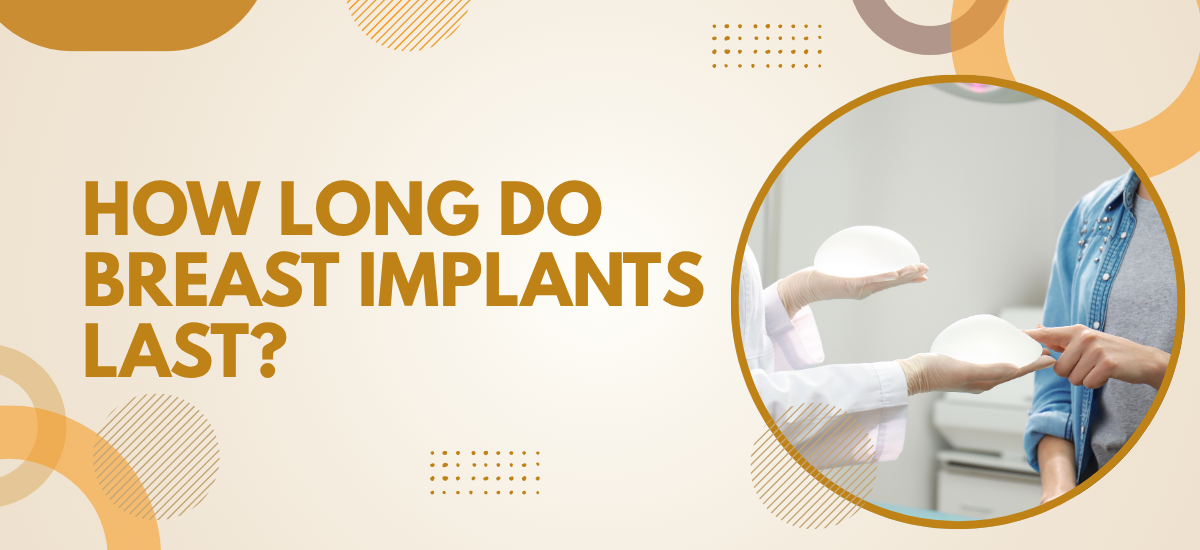
How Long Do Breast Implants Last?

Posted on May 13, 2026May 21, 2026

Breast implants typically last 10 to 15 years before needing replacement, though many patients keep their implants 20 years or longer without any complications, the actual lifespan depends on the type of implant used, the surgeon’s placement technique, and how the patient’s body responds to the implants over time, while modern silicone and saline implants are far more durable than the implants used decades ago and FDA approval doesn’t actually mean implants need replacement on a fixed schedule, only when complications develop or when aesthetic concerns shift over the years.

According to Dr. Monisha Kapoor, an experienced plastic surgeon in Delhi, “Breast implants don’t have an expiration date the way milk does, the 10 to 15 year guideline is an average rather than a deadline, what actually triggers replacement is either complications showing up or the patient wanting different size or shape after years of having them in place.”

Considering breast augmentation and want a clear picture of long-term implant lifespan? Book Appointment

What Factors Determine How Long Breast Implants Last?

Several factors decide how long implants last, but they don’t all matter equally. The implant type and shell quality matter most. Surgical placement technique comes second. After that, the body’s natural response, lifestyle factors like pregnancy and weight changes, and consistent follow-up care fill out the rest of what shapes long-term outcomes.

  • Implant Type and Generation: Modern fifth-generation cohesive silicone and newer saline implants last significantly longer than older versions, the cohesive gel doesn’t leak even when the shell ruptures, manufacturing standards have improved across decades. Patients getting implants today benefit from this technology shift far more than they realise during consultation
  • Placement Technique: Submuscular placement under the chest muscle protects implants better than placement directly behind breast tissue, the muscle layer adds support against capsular contracture, visible rippling stays reduced. Where the implant sits during the original surgery decides far more about long-term outcomes than patients expect when first weighing the options
  • Patient-Specific Factors: Pregnancy, breastfeeding, significant weight changes, ageing of surrounding breast tissue, and natural skin elasticity all affect how implants look and feel over time. Women who maintain stable weight and avoid major hormonal shifts generally find their implants performing better across decades without needing intervention
  • Regular Follow-Ups: Annual examinations and periodic imaging scans catch potential issues like capsular contracture or silent ruptures before they become bigger problems. Patients who skip check-ups for years discover issues only when complications become visible externally, which is far later than ideal for a clean revision

The combination of these factors decides actual implant lifespan more than any single number ever does, and most patients exploring breast augmentation options find their implants last well beyond initial expectations when the surgery is done properly and follow-up care stays consistent across the years.

When Should Breast Implants Actually Be Replaced?

Two completely different reasons trigger replacement, and patients keep mixing them up. Medical complications are one reason. Aesthetic preferences shifting after years are the other. Both reasons are valid. The urgency between them differs significantly though, which is what most patients don’t quite understand at first.

  • Capsular Contracture: Scar tissue around the implant tightens and squeezes it, which causes hardness, distortion, or pain over the years. This happens in 5 to 10% of cases and ranges from mild grade I to severe grade IV. Severe cases need replacement, milder cases sometimes get monitored without surgical intervention right away
  • Implant Rupture: Saline implants leak visibly when ruptured because the body absorbs the salt water within days, silicone ruptures often stay silent and only get caught through MRI imaging done at recommended intervals. The current FDA recommendation sits at MRI screening 5 to 6 years post-surgery, then every 2 to 3 years afterwards regardless of visible symptoms
  • Aesthetic Changes Over Time: Patients who go through significant weight changes, pregnancy, or ageing may notice their implants no longer look the way they did initially, even though nothing is technically wrong with them. Considering revision through breast surgery often combines implant replacement with a lift or other adjustment to refresh the overall result completely
  • Personal Preference Shift: Some patients simply want different sized implants after years of having their original choice. The body changes over decades. Aesthetic preferences shift. Lifestyle factors evolve in unpredictable ways. Replacement surgery for purely preference-based reasons stays a completely valid choice with no medical urgency attached to the timing

The decision to replace implants belongs to each patient based on their specific situation rather than any fixed timeline imposed from outside, and a deeper read on breast reduction helps women see the broader spectrum of breast surgery options when considering revisions or significant changes to their original augmentation results.

Why Choose Dr. Monisha Kapoor For Breast Implants?

Dr. Monisha Kapoor is the first Indian woman aesthetic plastic surgeon admitted to the American Society of Aesthetic Plastic Surgery and a member of ISAPS, with over 15 years of dedicated cosmetic surgery practice behind her. She handles breast augmentation with attention to long-term implant durability and proper placement technique, and walks every patient through what implants actually require across decades. Most patients leave the consultation knowing exactly what their implants will need over the long term, which is information they should have had before booking with anyone else.

📞 Call Now: +91 83739 84777


FAQs

Do breast implants need replacement every 10 years?

No, replacement depends on complications or aesthetic preferences not a fixed timeline.

How do I know if my breast implant ruptured?

Saline ruptures show visibly, silicone ruptures often need MRI for detection.

Are newer breast implants more durable?

Yes, modern cohesive silicone and saline implants last significantly longer than older versions.

Can I keep my implants for life?

Some patients keep implants 20+ years, others need earlier replacement based on factors.


References

  1. American Society of Plastic Surgeons — Breast Implant Lifespan
  2. National Library of Medicine — Breast Implant Longevity Outcomes

Posts pagination

Previous page Page 1 Page 2 Page 3 … Page 5 Next page

Month: May 2026

Recent Posts

  • FUE vs FUT Hair Transplant: Which Technique Is Better?
  • What Is a Hair Transplant and How Does It Restore Hairlines?
  • When Should You Consider a Full Body Lift After Weight Loss?
  • Can Acne Scars Be Permanently Removed? What Works?
  • What Is the Right Age for a Facelift? Early Signs That Matter

Archives

  • June 2026
  • May 2026
  • December 2023
  • July 2023
  • April 2023
  • July 2020
  • June 2020
  • November 2019
  • August 2019
  • August 2018
  • April 2018
  • March 2018
  • January 2018
  • December 2017
  • October 2017
  • September 2017
  • July 2017
  • June 2017
  • April 2017
  • December 2016
  • November 2016
  • October 2016
  • September 2016
  • August 2016
  • July 2016
Footer – Dr. Monisha Kapoor
Plastic Surgeon · Delhi NCR
Dr. Monisha Kapoor

Dr. Monisha Kapoor

M.Ch. Plastic Surgery  ·  25+ Years of Practice  ·  10K+ Procedures

About

A practice built on precision. Board-certified plastic surgeon affiliated with the International Society of Aesthetic Plastic Surgery and the American Society of Aesthetic Plastic Surgery. Every consultation begins with listening — and every outcome is designed around your anatomy, your goals, and your vision of yourself.

Navigation

  • Dr's Desk
  • Facilities & Infrastructure
  • Blog
  • News & Updates
  • Career
  • Contact
  • Privacy Policy

Contact

18, Block J, Saket
New Delhi – 110017
011-40666307 / 08
+91 83739 84777
+91 8860851727
plasticsurgeonmonisha@gmail.com
Follow Connect

Disclaimer: The information on this website is provided for informational purposes only and is not meant to substitute the advice of your doctor or other healthcare professional. You should not use this information for diagnosing or treating a health problem or disease, or prescribing any medication. All images used are for illustrative purposes only; actual results and process may vary.

© 2026 plasticsurgeonmonisha.com All Rights Reserved

    Doctor

    Dr. Monisha Kapoor

    Delhi's Top Plastic Surgeon


    25+ Years Experience

    10,000+ Happy Customers
    Hair, Skin, Body, Face

    Book An Appointment