 Book An Appointment

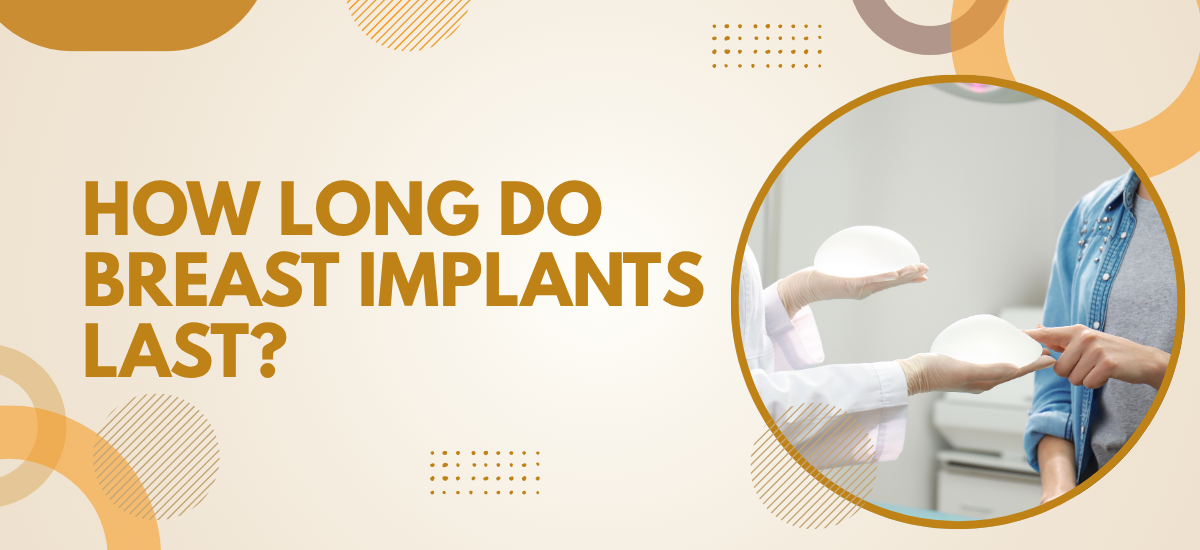
Breast implants typically last 10 to 15 years before needing replacement, though many patients keep their implants 20 years or longer without any complications, the actual lifespan depends on the type of implant used, the surgeon’s placement technique, and how the patient’s body responds to the implants over time, while modern silicone and saline implants are far more durable than the implants used decades ago and FDA approval doesn’t actually mean implants need replacement on a fixed schedule, only when complications develop or when aesthetic concerns shift over the years.
According to Dr. Monisha Kapoor, an experienced plastic surgeon in Delhi, “Breast implants don’t have an expiration date the way milk does, the 10 to 15 year guideline is an average rather than a deadline, what actually triggers replacement is either complications showing up or the patient wanting different size or shape after years of having them in place.”
Considering breast augmentation and want a clear picture of long-term implant lifespan? Book Appointment
What Factors Determine How Long Breast Implants Last?
Several factors decide how long implants last, but they don’t all matter equally. The implant type and shell quality matter most. Surgical placement technique comes second. After that, the body’s natural response, lifestyle factors like pregnancy and weight changes, and consistent follow-up care fill out the rest of what shapes long-term outcomes.
- Implant Type and Generation: Modern fifth-generation cohesive silicone and newer saline implants last significantly longer than older versions, the cohesive gel doesn’t leak even when the shell ruptures, manufacturing standards have improved across decades. Patients getting implants today benefit from this technology shift far more than they realise during consultation
- Placement Technique: Submuscular placement under the chest muscle protects implants better than placement directly behind breast tissue, the muscle layer adds support against capsular contracture, visible rippling stays reduced. Where the implant sits during the original surgery decides far more about long-term outcomes than patients expect when first weighing the options
- Patient-Specific Factors: Pregnancy, breastfeeding, significant weight changes, ageing of surrounding breast tissue, and natural skin elasticity all affect how implants look and feel over time. Women who maintain stable weight and avoid major hormonal shifts generally find their implants performing better across decades without needing intervention
- Regular Follow-Ups: Annual examinations and periodic imaging scans catch potential issues like capsular contracture or silent ruptures before they become bigger problems. Patients who skip check-ups for years discover issues only when complications become visible externally, which is far later than ideal for a clean revision
The combination of these factors decides actual implant lifespan more than any single number ever does, and most patients exploring breast augmentation options find their implants last well beyond initial expectations when the surgery is done properly and follow-up care stays consistent across the years.
When Should Breast Implants Actually Be Replaced?
Two completely different reasons trigger replacement, and patients keep mixing them up. Medical complications are one reason. Aesthetic preferences shifting after years are the other. Both reasons are valid. The urgency between them differs significantly though, which is what most patients don’t quite understand at first.
- Capsular Contracture: Scar tissue around the implant tightens and squeezes it, which causes hardness, distortion, or pain over the years. This happens in 5 to 10% of cases and ranges from mild grade I to severe grade IV. Severe cases need replacement, milder cases sometimes get monitored without surgical intervention right away
- Implant Rupture: Saline implants leak visibly when ruptured because the body absorbs the salt water within days, silicone ruptures often stay silent and only get caught through MRI imaging done at recommended intervals. The current FDA recommendation sits at MRI screening 5 to 6 years post-surgery, then every 2 to 3 years afterwards regardless of visible symptoms
- Aesthetic Changes Over Time: Patients who go through significant weight changes, pregnancy, or ageing may notice their implants no longer look the way they did initially, even though nothing is technically wrong with them. Considering revision through breast surgery often combines implant replacement with a lift or other adjustment to refresh the overall result completely
- Personal Preference Shift: Some patients simply want different sized implants after years of having their original choice. The body changes over decades. Aesthetic preferences shift. Lifestyle factors evolve in unpredictable ways. Replacement surgery for purely preference-based reasons stays a completely valid choice with no medical urgency attached to the timing
The decision to replace implants belongs to each patient based on their specific situation rather than any fixed timeline imposed from outside, and a deeper read on breast reduction helps women see the broader spectrum of breast surgery options when considering revisions or significant changes to their original augmentation results.
Why Choose Dr. Monisha Kapoor For Breast Implants?
Dr. Monisha Kapoor is the first Indian woman aesthetic plastic surgeon admitted to the American Society of Aesthetic Plastic Surgery and a member of ISAPS, with over 15 years of dedicated cosmetic surgery practice behind her. She handles breast augmentation with attention to long-term implant durability and proper placement technique, and walks every patient through what implants actually require across decades. Most patients leave the consultation knowing exactly what their implants will need over the long term, which is information they should have had before booking with anyone else.
📞 Call Now: +91 83739 84777
FAQs
Do breast implants need replacement every 10 years?
No, replacement depends on complications or aesthetic preferences not a fixed timeline.
How do I know if my breast implant ruptured?
Saline ruptures show visibly, silicone ruptures often need MRI for detection.
Are newer breast implants more durable?
Yes, modern cohesive silicone and saline implants last significantly longer than older versions.
Can I keep my implants for life?
Some patients keep implants 20+ years, others need earlier replacement based on factors.
References
- American Society of Plastic Surgeons — Breast Implant Lifespan
- National Library of Medicine — Breast Implant Longevity Outcomes
