 Book An Appointment

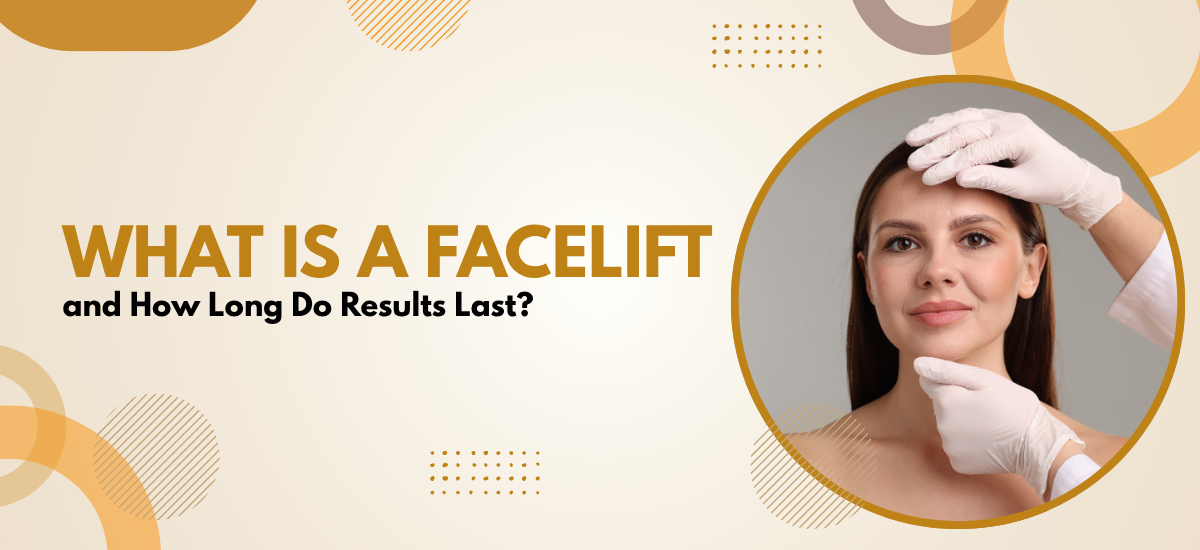
A facelift, medically known as rhytidectomy, is a surgical procedure that tightens sagging facial skin, repositions deeper tissue layers, and reduces deep folds along the cheeks, jawline and neck. Results typically hold for 10 to 15 years depending on skin quality, lifestyle factors, and ongoing skincare, suiting adults in their 40s to 60s dealing with jowls, midface hollowness, or loose neck bands.
According to Dr. Monisha Kapoor, an experienced plastic surgeon in Delhi, “A facelift isn’t skin tightening alone, it’s a deep structural lift of the support layer under the face, and that’s what makes the result look natural rather than pulled.”
Sagging cheeks or loose jawline that won’t bounce back? Book Appointment
What Exactly Happens During a Facelift Procedure?
Hidden cuts along the hairline and behind the ears, deep tissue moves up, extra skin trims off, then everything stitches back so scars stay barely visible.
- Deep Lift: Surgeon goes under the skin and lifts the support layer that holds facial structure, repositioning it upward to restore cheek volume and tighten the jawline. Modern facelifts hinge on this part, the support layer doesn’t drop back the way old skin-only lifts did
- Skin Redraping: Excess skin gets redraped over the lifted tissue, then trimmed cleanly at the cut lines without any pulling tension on the skin itself. Tension stays in the deeper layer instead, that’s why a properly done lift never gives the windswept look people fear
- Neck Work: Loose neck bands and chin fat get sorted through a small cut under the chin if needed, then the muscles get tightened to firm up the jawline. Most full facelifts include this since the face and neck age together, treating one without the other looks off
- Volume Restore: Sometimes fat gets shifted or grafted into the cheeks and tear troughs to put back lost volume, since ageing causes facial fat to drop and disappear over time. Adding fat work alongside the lift gives a fuller, younger contour rather than just a tighter face
So a facelift goes well beyond simple skin tightening, and most patients combine their face and neck lift with smaller refinements for fuller results.
How Long Do Facelift Results Actually Last?
Nothing lasts forever, lifted tissues hold their position for years, but ageing keeps moving underneath and the result softens gradually as time passes.
- Average Lifespan: Most facelifts hold cleanly for 10 to 15 years before any noticeable looseness returns, depending on skin quality and how the patient lives day-to-day. Stable weight, sun protection and good skincare push results toward the longer end of that range
- Skin Type: Thicker skin holds the lift longer compared to thin or sun-damaged skin, that loses stretch faster, so outcomes vary even between patients of the same age. Genetics also play in here, some faces simply hold structure longer than others regardless of any work done
- Lifestyle: Smoking, sun exposure, weight swings and poor skincare cut years off any facelift result by speeding up the natural ageing underneath. Patients investing in proper sunscreen and quitting cigarettes routinely report results closer to 15 years than 10
- Maintenance: Adding non-surgical work like neurotoxin and fillers every 6 to 12 months stretches the youthful look well past the surgical result. This combination keeps faces refreshed for many years without needing a second surgery
The face will keep ageing regardless of intervention, but a properly done facelift resets the clock significantly, and setting realistic goals matters as much as the surgery itself for anyone considering cosmetic surgery.
Why Choose Dr. Monisha Kapoor
Dr. Monisha Kapoor is the first Indian woman aesthetic plastic surgeon admitted to the American Society of Aesthetic Plastic Surgery and a member of ISAPS, with over 15 years of dedicated cosmetic surgery practice behind her. She works every facelift case with attention to deep tissue structure rather than skin alone, and that’s why patients walk out with refreshed, natural-looking results that age gracefully over the years.
📞 Call Now: +91 83739 84777
FAQs
What age is best for a facelift?
Most patients are between 40 and 60 with visible facial sagging.
Is a facelift painful?
Mild discomfort and tightness for the first week, well-managed with pain medication.
How long is facelift recovery?
Most patients return to social activities within 2 to 3 weeks.
Will a facelift leave visible scars?
Scars are placed in hairline and behind ears, mostly hidden after healing.
References
- American Society of Plastic Surgeons — Facelift Overview
- National Library of Medicine — Facelift Techniques and Long-Term Outcomes
