 Book An Appointment

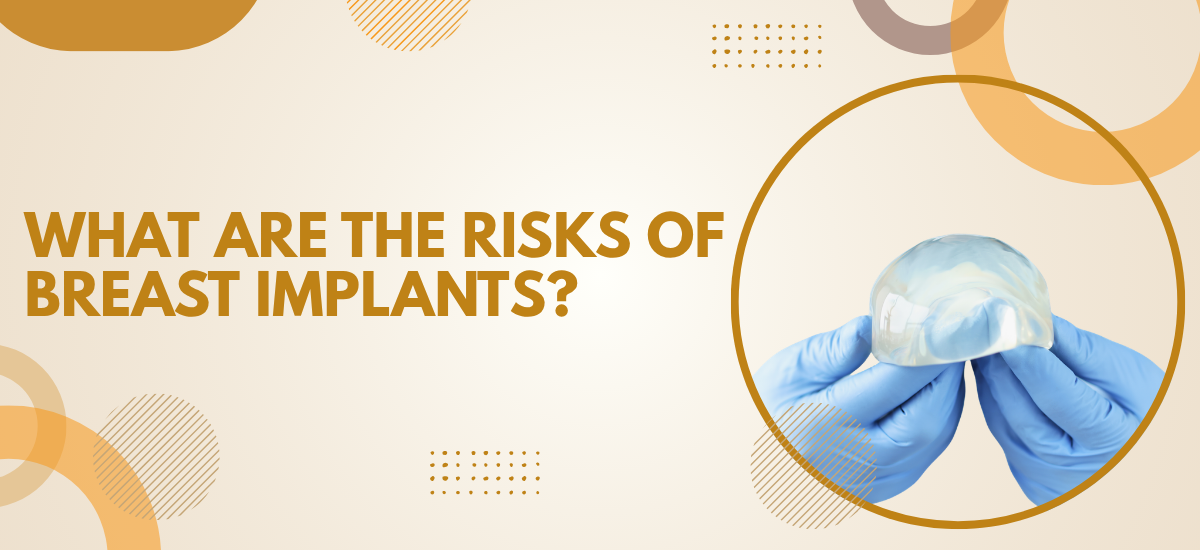
Breast implants carry real risks that patients should understand before booking augmentation surgery, but most complications stay rare and manageable when patients pick qualified surgeons working in proper hospital facilities. The actual risk profile depends heavily on factors patients control through their surgeon choice, implant type selection, surgical technique, and consistent follow-up care across the years. Modern implants are far safer than older generations. Manufacturing standards have improved significantly. Most risks have predictable warning signs that catch problems early when patients stay vigilant about regular monitoring rather than ignoring annual check-ups for years.
According to Dr. Monisha Kapoor, an experienced plastic surgeon in Delhi, “Breast implant risks aren’t a reason to avoid surgery, they’re information patients need to make the right decisions about implant type, surgeon choice, and ongoing care, the surgeons who skip these conversations are exactly the ones patients should walk away from before booking anything.”
Considering breast augmentation and want a clear picture of what risks actually involve? Book Appointment
What Are the Most Common Breast Implant Risks?
Some breast implant risks show up across many cases without indicating anything went wrong, while others develop years later as the body and implants both keep changing. Capsular contracture is the most common complication patients run into. Rupture happens but stays preventable through monitoring. Infection rates remain very low when sterile technique is followed properly during the surgery itself.
- Capsular Contracture: Every implant placed in the body forms scar tissue around it. Sometimes this scar tissue tightens too much. The implant gets squeezed which causes hardness, distortion, or pain over the years. Mild grade I cases often get monitored without intervention. Severe grade IV cases need surgical correction. Submuscular placement under the chest muscle reduces this risk significantly compared to placement directly behind breast tissue alone
- Implant Rupture: Saline implants leak visibly within days because the body absorbs the salt water rapidly. Silicone ruptures behave completely differently. They often stay silent for years. Modern cohesive gel doesn’t even leak when the shell ruptures, the gel just stays in place inside its capsule, the FDA recommends MRI screening at 5 to 6 years post-surgery and every 2 to 3 years afterwards regardless of any visible symptoms
- Infection: Less than 1% of breast augmentation cases develop infection when sterile technique is followed properly during surgery. Watch for redness spreading beyond expected bruising, fever, or unusual discharge from incision sites. Most infections clear with antibiotics without affecting the final aesthetic result, severe cases sometimes require temporary implant removal until everything settles down
- Changes in Sensation: Temporary numbness or hypersensitivity around the nipple and breast tissue happens in many cases due to nerve disruption during surgery. Sensation typically returns gradually across 3 to 6 months. Permanent sensation loss occurs in a small percentage of patients, the risk goes up with larger implant sizes and certain placement techniques used during the original procedure
The standard risks stay manageable in qualified hands, and patients exploring breast augmentation options should ask specifically about complication rates and how each surgeon handles complications when they show up rather than accepting general assurances about safety.
What Rare but Serious Risks Should Patients Know About?
The rare complications stay genuinely uncommon. Awareness still matters because it changes how patients monitor their implants over the years. BIA-ALCL has been a major topic since FDA action against certain textured implants. Breast Implant Illness is contested but patients deserve honest discussion about it. Both topics get glossed over by surgeons who’d rather not discuss anything that could put patients off booking.
- BIA-ALCL: Breast Implant-Associated Anaplastic Large Cell Lymphoma is a rare cancer specifically linked to textured-surface implants. The FDA has restricted certain textured implant brands due to this association. Smooth-surface implants don’t carry this same risk profile. Watch for unexplained breast swelling, unusual lumps, or skin changes around the implant site that don’t have an obvious cause, any of these need immediate medical evaluation rather than monitoring at home
- Breast Implant Illness: A constellation of symptoms including fatigue, joint pain, brain fog, and skin rashes that some patients report after augmentation. The medical community continues studying whether implants directly cause these symptoms. Patients experiencing persistent unexplained symptoms after augmentation should discuss explant options with their surgeon, considering revision through breast surgery is a valid path for women feeling their implants negatively affect overall health
- Implant Displacement: Implants can shift from their original position over time. Gravity affects them. Weight changes affect them. Pregnancy changes everything. Capsular contracture sometimes pulls them out of place which affects symmetry and breast appearance. Surgical revision can reposition the implants and reinforce the supporting tissue, choosing experienced surgeons who use proper internal sutures during the original surgery cuts displacement risk significantly
- Anaesthesia Complications: Standard anaesthesia risks apply to breast augmentation the same way they apply to any surgery requiring general anaesthesia. Performing the procedure at facilities with full ICU backup and trained anaesthesia teams handles these risks far better than smaller clinics that lack proper emergency infrastructure during longer procedures
The rare complications stay genuinely uncommon but knowing about them shapes how patients monitor their implants long-term, and a deeper read on breast implant lifespan helps women see the bigger picture of how implants behave across decades and when replacement becomes necessary.
Why Choose Dr. Monisha Kapoor to Understand the Risks of Breast Cancer?
Dr. Monisha Kapoor is the first Indian woman aesthetic plastic surgeon admitted to the American Society of Aesthetic Plastic Surgery and a member of ISAPS, with over 15 years of dedicated cosmetic surgery practice behind her. She handles breast augmentation with detailed pre-op risk discussions, proper hospital facility selection, and ongoing post-op monitoring across the years. Most patients leave the consultation knowing exactly what to watch for during the years ahead, and that information matters more than any marketing pitch about how safe implants are.
📞 Call Now: +91 83739 84777
FAQs
Are breast implants completely safe?
No surgery is completely without risk, but breast implants stay generally safe with monitoring.
What is BIA-ALCL?
A rare cancer linked specifically to textured-surface breast implants, requiring FDA monitoring.
How often should I check my implants?
Annual examinations and MRI screening every 2 to 3 years after surgery are recommended.
What signs need immediate medical attention?
Sudden swelling, severe pain, fever, breast distortion, or unusual lumps around implant areas.
References
- American Society of Plastic Surgeons — Breast Implant Safety Information
- National Library of Medicine — Breast Implant Risk Profile
