 Book An Appointment

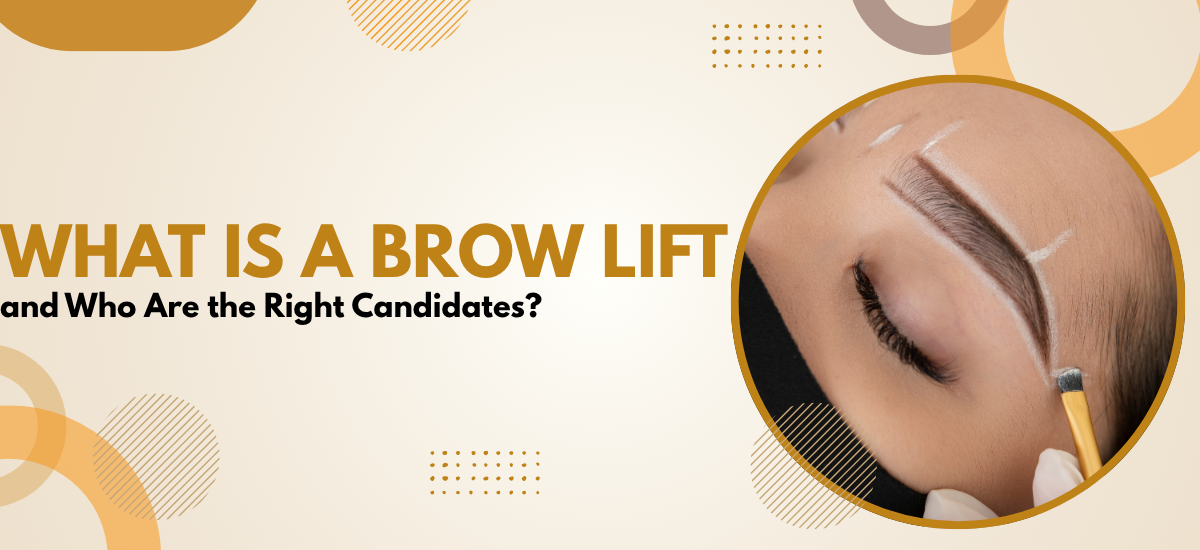
Brow lift is a surgical procedure that elevates drooping eyebrows and softens forehead lines through carefully placed incisions. The surgery repositions the brow tissue higher on the forehead. It also tightens the skin and underlying muscles that create deep horizontal lines. Patients with sagging brows from age, genetics, or significant weight loss benefit most. The procedure isn’t just cosmetic. Drooping brows can affect peripheral vision in some cases which adds a functional element to what’s otherwise treated as purely aesthetic surgery for upper face rejuvenation overall.
According to Dr. Monisha Kapoor, an experienced plastic surgeon in Delhi, “Brow lift handles what fillers and Botox simply cannot fix, the actual descent of brow tissue from age or genetics needs surgical repositioning, no amount of injectables will lift brows that have physically dropped over years requiring proper structural correction through surgery.”
Considering brow lift surgery and want to understand whether you’re a right candidate? Book Appointment
How Does Brow Lift Surgery Actually Work?
Brow lift uses different surgical techniques depending on patient anatomy and goals. Endoscopic brow lift uses small incisions and a camera. Traditional brow lift uses a longer incision across the hairline. Lateral brow lift addresses outer brow drooping specifically. Each technique handles specific concerns through different surgical access points.
- Endoscopic Brow Lift: Several small incisions get placed within the hairline. A tiny camera goes through one incision to give visual access. The surgeon uses specialised instruments through other incisions to lift the brow tissue. Underlying muscles get released or weakened to prevent further drooping. Recovery moves faster than traditional methods. Most patients return to social activities within 1 to 2 weeks
- Traditional Brow Lift: A longer incision runs across the hairline from ear to ear. The surgeon lifts the entire forehead skin off the underlying tissue. Excess skin gets removed surgically. Underlying muscles get adjusted to soften forehead lines. The technique provides more dramatic results for severe brow descent. Recovery takes 2 to 3 weeks for visible healing
- Lateral Brow Lift: Targets the outer portion of the brow that often droops first. Smaller incisions hide within the temple hairline. The technique addresses the lateral hooding that causes a tired or angry appearance. Recovery moves quickly because the procedure stays focused rather than addressing the entire forehead area. Most patients return to normal activities within 1 week
- Combined Procedures: Patients often combine brow lift with eyelid surgery for comprehensive upper face rejuvenation. Drooping brows and excess upper eyelid skin both contribute to a tired appearance. Treating both concerns together delivers balanced results. Single recovery period instead of two separate surgeries makes the combination practical for most patients seeking comprehensive upper face work
Each brow lift technique delivers excellent outcomes when matched correctly to patient anatomy, and patients exploring forehead options find that surgeon expertise in selecting the right technique for each patient’s specific brow descent pattern matters far more than picking whichever method sounds simpler or has shorter advertised recovery time on clinic websites.
Who Are the Right Candidates for Brow Lift?
Not every patient with forehead concerns suits brow lift surgery. The procedure has specific candidate requirements based on what’s actually causing the appearance issue. Some patients benefit from non-surgical alternatives instead. Understanding who fits the profile helps patients see whether surgery is the right path or whether less invasive options would actually deliver the result they want.
- Sagging Brows from Age: Patients with brows that have descended below their original position from natural ageing get the most predictable results. The tissue has lost elasticity and structural support. Surgical repositioning restores the original brow height. Patients in their 40s through 60s typically benefit most because the descent is usually significant enough to warrant surgery rather than non-surgical alternatives like Botox
- Hereditary Brow Position: Some patients are born with naturally low-set brows that contribute to a perpetually tired or angry appearance. The brow position has been low throughout their adult life rather than recently dropping. Surgery raises the brows to a more aesthetically balanced position. The result looks completely natural rather than over-corrected since the change is subtle and proportional
- Functional Vision Issues: Severe brow drooping can affect peripheral vision by creating excess tissue that hangs over the upper eyelid. Patients with this combination get both functional and cosmetic benefits from surgery. Insurance sometimes covers the procedure when documented vision impairment exists. Combining with blepharoplasty recovery procedures handles both concerns comprehensively when needed
- Failed Non-Surgical Treatments: Patients who’ve tried Botox, fillers, or threading without satisfactory results often benefit from surgery. Non-surgical options work for mild concerns. Significant drooping needs structural correction that injectables cannot deliver. Patients exploring surgery after exhausting other options usually have realistic expectations about what surgery actually achieves compared to less invasive alternatives
Brow lift requires careful candidate selection to deliver results that actually match patient expectations, and a deeper read on blepharoplasty recovery helps patients see how upper face procedures combine together when multiple concerns exist alongside brow drooping itself.
Why Choose Dr. Monisha Kapoor for Brow Lift Surgery?
Dr. Monisha Kapoor is the first Indian woman aesthetic plastic surgeon admitted to the American Society of Aesthetic Plastic Surgery and a member of ISAPS, with over 15 years of dedicated cosmetic surgery practice behind her. She handles brow lift with detailed pre-op assessment of brow descent severity, hairline position, and forehead anatomy, performs careful technique selection based on what each patient actually needs, and walks every patient through whether surgery or non-surgical alternatives genuinely suit their specific situation rather than recommending the procedure to everyone who asks.
📞 Call Now: +91 83739 84777
FAQs
How long does brow lift recovery take?
Most patients return to social activities within 1 to 2 weeks, full healing at 4 weeks.
Are brow lift results permanent?
Yes, results last 10 to 15 years before age-related changes start affecting the area again.
Can Botox replace brow lift surgery?
No, Botox softens muscle activity but cannot lift physically descended brow tissue.
When can I drive after brow lift?
Most patients drive comfortably 5 to 7 days after surgery without restrictions.
References
- American Society of Plastic Surgeons — Brow Lift Procedure
- National Library of Medicine — Brow Lift Surgical Outcomes
