 Book An Appointment

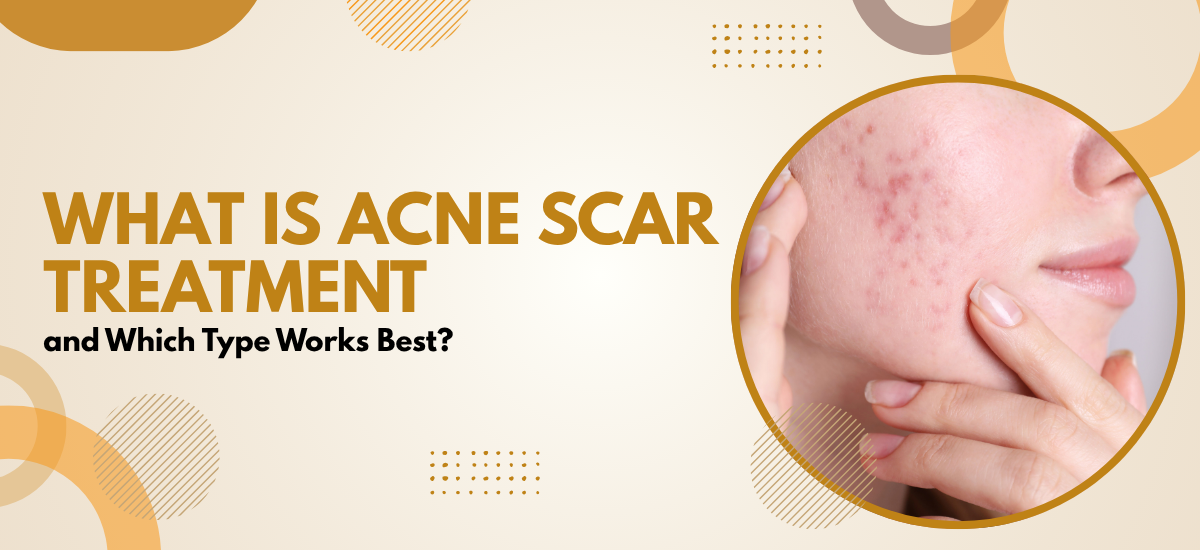
Acne scarring requires different treatments depending on the type and depth of scarring. Mild scars respond to non-surgical options like laser resurfacing or chemical peels. Severe scars need surgical revision. The choice depends on whether the scars are atrophic (depressed), hypertrophic, or icepick. Each scar type responds to different treatments. Surgical revision becomes necessary when non-surgical methods can’t deliver meaningful improvement, particularly for deep depressed scars that affect facial proportions and skin texture noticeably.
According to Dr. Monisha Kapoor, an experienced plastic surgeon in Delhi, “Acne scar treatment isn’t one-size-fits-all, the technique depends entirely on what type of scarring exists and how deep the damage goes, patients with deep atrophic scars or icepick scarring rarely get satisfactory results from lasers alone and benefit significantly from surgical revision techniques that lasers simply cannot match in terms of actual structural correction.”
Considering acne scar treatment and unsure whether you need surgical or non-surgical options? Book Appointment
What Are the Different Types of Acne Scar Treatments?
Treatment options range from non-surgical resurfacing to surgical scar revision depending on severity. Dermatologists handle most mild and moderate cases through lasers, peels, and microneedling. Plastic surgeons step in when scars need actual structural correction that resurfacing cannot deliver. Understanding which category each scar falls into helps patients see whether they need dermatology or surgical intervention specifically.
- Non-Surgical Options: Laser resurfacing addresses surface scarring through controlled thermal damage that stimulates new collagen. Chemical peels remove damaged outer skin layers. Microneedling creates micro-injuries that trigger collagen response. Dermal fillers temporarily plump depressed scars. These work well for shallow scars but reach their limit for deep or pitted scarring that needs structural repair instead of surface treatment alone
- Subcision: A specialised needle gets inserted under the scar to break up the fibrous bands pulling it down. The released tissue allows the skin to lift back into proper position. The procedure works particularly well for tethered atrophic scars that are pulled down by underlying scar tissue. Multiple sessions might be needed for full correction. Recovery moves quickly with most patients returning to normal activities within days
- Punch Excision: The surgeon physically removes individual deep scars using a small punch tool similar to a tiny biopsy instrument. The wound gets carefully sutured for clean healing. Icepick scars and deep narrow scars respond best to this technique. The result is a thin linear scar that fades over time and looks dramatically better than the original deep pitted scar. Suture marks heal cleanly within 2 weeks
- Fat Transfer for Scar Correction: Patients with widespread atrophic scarring benefit from fat transfer to restore facial volume lost beneath the scarred skin. Fat harvested from another body area gets purified then injected into the scarred zones. The technique works particularly well combined with subcision for comprehensive correction. Results stay permanent for surviving fat cells unlike fillers that need maintenance every few months
Each treatment delivers specific results when matched correctly to scar type, and patients exploring face treatment options find that combining multiple techniques across different scar types in the same patient often delivers far better results than relying on any single treatment alone for comprehensive acne scar correction.
When Does Acne Scarring Actually Need Surgical Revision?
Surgical revision becomes the right choice when non-surgical treatments can’t deliver meaningful improvement. Scars too deep for resurfacing need structural correction. Tethered scars need physical release through subcision. Icepick scars benefit from punch excision rather than laser treatment. Understanding when surgery becomes necessary helps patients see whether they should be consulting a plastic surgeon or dermatologist for their specific situation.
- Deep Atrophic Scars: Box scars and rolling scars create significant skin texture issues that resurfacing alone cannot fix completely. The depressed area requires structural restoration through subcision, fat transfer, or fillers to lift the depression back to surrounding skin level. Combining surgical and non-surgical techniques produces better results than either approach alone for most deep atrophic scarring patterns
- Icepick Scarring: These deep narrow scars look like the skin was pierced with a needle. Lasers and peels barely touch them because the damage extends too deep into the skin. Punch excision physically removes the scar entirely, replacing the deep narrow scar with a small linear one that heals cleanly. The transformation from pitted appearance to smooth surface justifies the small surgical intervention required
- Hypertrophic and Keloid Scars: Raised scars need different surgical management than depressed ones. Surgical excision removes the raised tissue while careful suturing prevents recurrence. Steroid injections combined with surgery reduce keloid risk in patients prone to abnormal scarring. The combination approach delivers better results than surgery alone particularly in patients with darker skin tones who tend to scar more aggressively
- Failed Non-Surgical Treatments: Patients who’ve tried multiple laser sessions, peels, or microneedling without satisfactory improvement are often candidates for surgical revision. Continuing the same non-surgical treatments won’t change outcomes once they’ve reached their ceiling. Surgical options offer genuinely different mechanisms of action that bypass the limits of resurfacing-based treatments entirely
Surgical scar revision works for specific scar types where non-surgical options reach their limit, and a deeper read on dermabrasion helps patients understand the broader skin resurfacing options that complement surgical revision for comprehensive acne scar treatment outcomes across different scar patterns and severity levels.
Why Choose Dr. Monisha Kapoor for Acne Scar Treatment ?
Dr. Monisha Kapoor is the first Indian woman aesthetic plastic surgeon admitted to the American Society of Aesthetic Plastic Surgery and a member of ISAPS, with over 15 years of dedicated cosmetic surgery practice behind her. She handles surgical acne scar revision with detailed pre-op assessment of scar type and depth, performs subcision, punch excision, and fat transfer techniques based on what each patient’s specific scar pattern actually needs, and walks every patient through whether surgical revision suits their situation rather than recommending it for every case that walks in.
📞 Call Now: +91 83739 84777
FAQs
Can lasers fix all types of acne scars?
No, deep atrophic and icepick scars often need surgical revision beyond laser treatment.
What is subcision?
A specialized needle technique that releases fibrous bands pulling depressed scars downward.
Are surgical scar revision results permanent?
Yes, punch excision and subcision deliver permanent structural correction for treated scars.
How many sessions does scar treatment need?
Combination treatments often require 3 to 6 sessions for comprehensive scar correction outcomes.
References
- American Society of Plastic Surgeons — Scar Revision Surgery
- National Library of Medicine — Acne Scar Surgical Treatment Outcomes
