 Book An Appointment

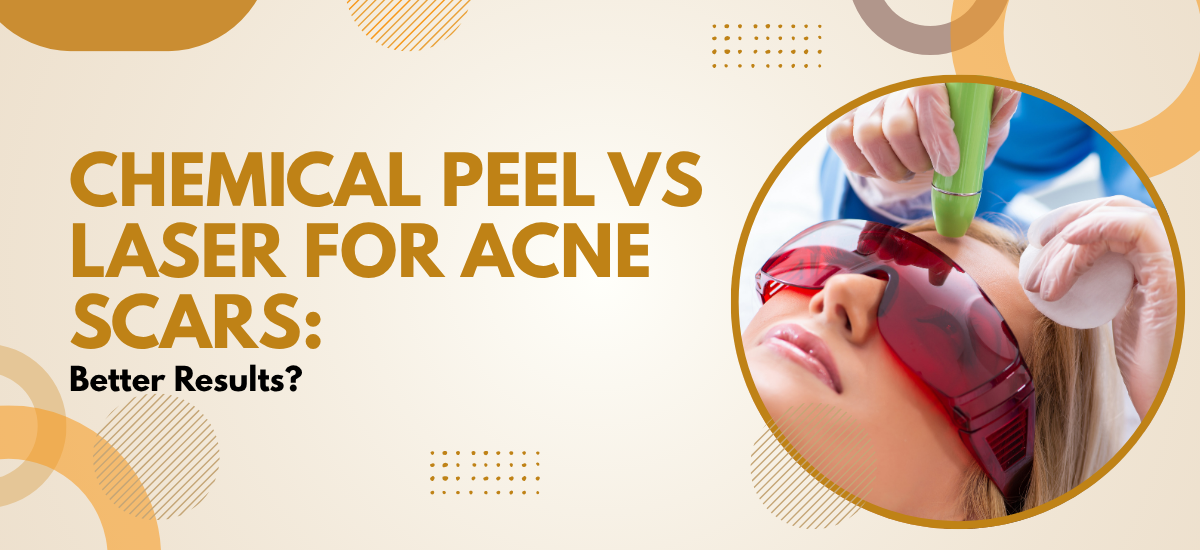
A chemical peel uses an acid solution to dissolve the damaged top layers of skin, so fresh, smoother skin grows back in their place. Laser treatment takes a different route. It fires controlled beams of light that drill tiny channels into the scar tissue, kicking the skin into repairing and rebuilding collagen from within.
According to Dr. Monisha Kapoor, an experienced plastic surgeon in Delhi, “Peels and lasers both resurface skin, but the depth of your scars and your skin tone decide which one is safe, because the wrong pick on darker Indian skin can leave pigmentation worse than the scar.”
| Factor | Chemical Peel | Laser Treatment |
| How it works | Acid resurfacing | Light energy |
| Best for | Shallow scars | Deep scars |
| Downtime | Few days | One to two weeks |
| Skin tone risk | Lower | Higher on dark skin |
Not sure which treatment your scars and skin tone can safely handle? Book Appointment
How Do Chemical Peels and Lasers Actually Work on Scars?
The two go after the same problem from opposite directions. One strips the damaged surface away, the other heats the deeper tissue to force a repair.
- A peel paints an acid, often glycolic or TCA, across the skin so the outer damaged layers blister and peel off, taking shallow scarring with them
- Lasers skip the surface stripping and send energy down into the dermis, where the controlled injury triggers a fresh wave of collagen
- Peels come in different strengths, with light ones needing barely any recovery and deeper ones reaching tougher scars at the cost of more downtime
- Fractional lasers leave healthy skin between each treated point, which is what speeds up healing and makes deeper scar work possible
So neither is a one-size answer. The right acne scar treatment gets chosen only after a surgeon looks at how deep your scars run and how your skin tends to react.
Which One Gives Better Results?
There’s no universal winner here. The better result depends on your scar type, your skin tone, and how much downtime you can actually afford.
- Shallow, discolored scarring often clears beautifully with peels alone, and they’re gentler on darker skin that pigments easily
- Deep, pitted or boxcar scars usually need the reach of a laser, since a surface peel can’t touch what’s anchored that far down
- Darker Indian skin carries a real risk of post-treatment pigmentation with aggressive lasers, which is exactly why a test patch matters
- Plenty of stubborn cases respond best to a combination, peeling the surface while lasers rebuild the deeper structure over several sessions
Because skin resurfacing sits in the same family as other rejuvenation choices, this skin comparison helps frame where non-surgical options fit before you commit.
Why Choose Dr. Monisha Kapoor for Acne Scar Treatment?
Dr. Monisha Kapoor was the first Indian woman aesthetic plastic surgeon admitted to the American Society of Aesthetic Plastic Surgery, and she carries ISAPS membership alongside more than 15 years of cosmetic practice. With acne scars on Indian skin, the safe call is everything, and she matches the peel depth or laser setting to your exact tone, so you clear the scars without trading them for pigmentation.
📞 Call Now: +91 83739 84777
FAQs
1)Which is better for acne scars, peels or lasers?
It depends on scar depth and skin tone, with peels suiting shallow scars and lasers reaching deeper ones.
2)Are lasers safe for dark Indian skin?
They can be, but carry a higher pigmentation risk, so settings must be matched carefully to your tone.
3)How many sessions will I need?
Most patients need several sessions, with the exact number depending on scar severity.
4)Can peels and lasers be combined?
Yes, combining them often gives the best result for deep or mixed scarring.
References
- American Society of Plastic Surgeons — Chemical Peel Overview
- National Library of Medicine — Laser Treatment of Acne Scars
