 Book An Appointment

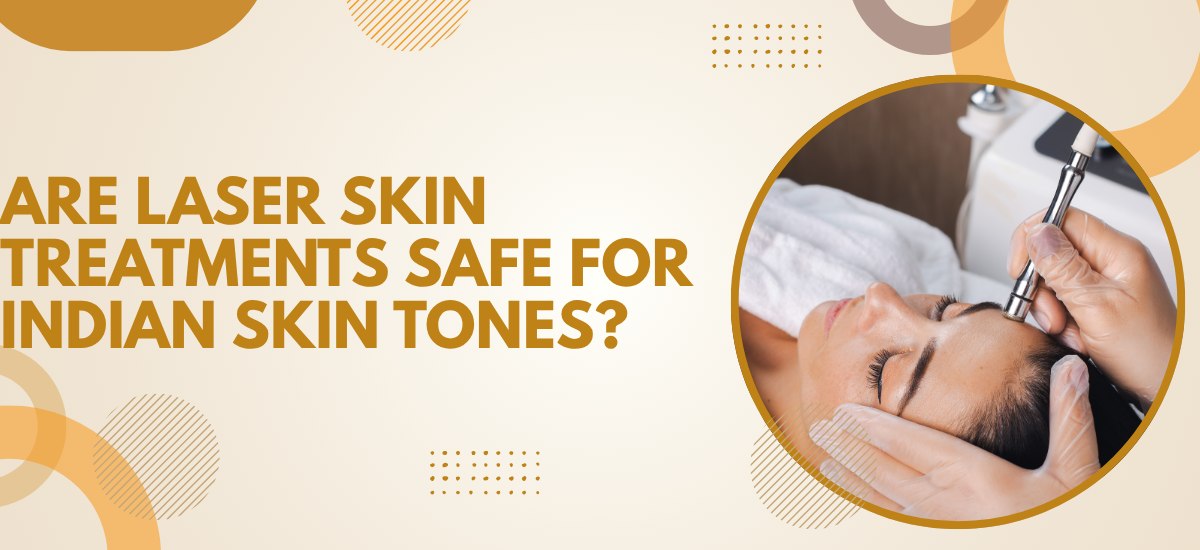
Yes, laser skin treatments are safe for Indian skin tones, but with a qualification that actually matters. Indian skin falls in the Fitzpatrick IV to VI range, where melanin concentration is higher and the skin reacts more intensely to laser energy than lighter skin types do. The wrong laser, wrong settings, or a clinician without experience on darker skin creates real complications. Done correctly, the laser delivers excellent results on Indian skin with no more risk than it carries for any other type.
According to Dr. Monisha Kapoor, a trusted plastic surgeon in Delhi, “Indian skin responds beautifully to laser when the treatment is matched to the skin type. The problem is never the skin, it is the wrong laser or the wrong energy settings being applied without enough understanding of how darker skin reacts.”
Want an assessment of which laser treatment suits your skin tone and concern? Book a Consultation
What Are the Specific Risks of Laser on Indian Skin?
Worth knowing before you book, not after you’re sitting in the chair.
Post-Inflammatory Hyperpigmentation The skin reads aggressive laser energy as an injury and floods the treated zone with melanin — leaving a darker patch exactly where the patient came in to get something corrected. It fades with proper aftercare but can take months, and it is almost always a settings problem rather than anything wrong with the patient’s skin.
Hypopigmentation Opposite of the above, and harder to manage. High-energy ablative lasers occasionally strip pigment that does not fully return. It is rare with the correct device but happens when aggressive settings designed for lighter skin get applied to Fitzpatrick IV to VI patients.
Burns and Blistering Wrong wavelength choice causes laser energy to be absorbed by the surrounding melanin rather than the intended target tissue. This is a practitioner error from start to finish and entirely avoidable when someone selects the right device for the skin type in front of them.
Prolonged Redness Darker skin holds post-treatment redness longer than lighter tones. Not a clinical complication, but patients who expect the same recovery timeline they have read about for lighter skin types will be caught off guard if nobody mentions it beforehand.
The full range of laser treatments is on the laser skin toning service page.
How Are These Risks Managed in Practice?
What good practice actually looks like, because patients should know before they agree to treatment.
Correct Laser Selection Nd:YAG lasers, Q-switched devices, and certain fractional systems are less aggressively absorbed by epidermal melanin, which is why they are the standard go-to for Indian skin rather than the fully ablative options used on lighter types.
Conservative Energy Settings Lower fluence built up gradually across sessions is how experienced clinicians get results without triggering PIH. Pushing energy higher for faster outcomes is precisely where most complications on darker skin trace back to.
Patch Testing First A test patch on a small area before treating the full face gives real data on how that specific patient’s skin responds to that specific device. Any clinician who tells you a patch test is unnecessary for your first session on Indian skin is giving you a reason to pause.
Pre and Post Preparation A topical depigmenting agent in the weeks before treatment lowers the melanin load in the upper layers and cuts PIH risk directly. Strict SPF after every session stops UV from reactivating melanin production in the treated zone while the skin is still recovering.
Patients wanting to understand pigmentation mechanisms more deeply can read through the skin pigmentation blog, which covers causes and how treatment approaches differ by type.
Why Choose Dr. Monisha Kapoor for Laser Skin Treatments?
Dr. Monisha Kapoor is India’s first woman aesthetic plastic surgeon admitted to the American Society of Aesthetic Plastic Surgery and holds active membership with ISAPS, with 25+ years of practice and over 10,000 procedures. Laser treatments at her Saket clinic are calibrated specifically for Indian skin tones, with conservative settings, patch testing, and pre-treatment preparation built into the standard protocol rather than treated as optional extras.
📞 Call Now: +91 83739 84777
FAQs
Which laser is safest for Indian skin tones?
Nd:YAG and Q-switched lasers are among the most established safe options. Fractional non-ablative devices also carry a lower PIH risk than fully ablative systems.
How many laser sessions are needed for results on Indian skin?
More sessions at lower energy settings are typically needed compared to lighter skin tones. This is the correct approach, not a limitation.
Can laser permanently darken Indian skin?
Permanent darkening from properly performed laser is uncommon. PIH that is not managed can persist but resolves with correct aftercare and SPF use.
Should I avoid sun exposure before and after laser treatment?
Yes, before and after every session. Sun exposure raises the melanin load going in and triggers fresh pigment production in the treated area during recovery.
References
- National Library of Medicine — Laser Treatment Safety and Efficacy in Darker Skin Types: https://pubmed.ncbi.nlm.nih.gov/23379344/
- National Library of Medicine — Post-Inflammatory Hyperpigmentation After Laser in Fitzpatrick IV-VI Skin: https://pubmed.ncbi.nlm.nih.gov/26039966/
