 Book An Appointment

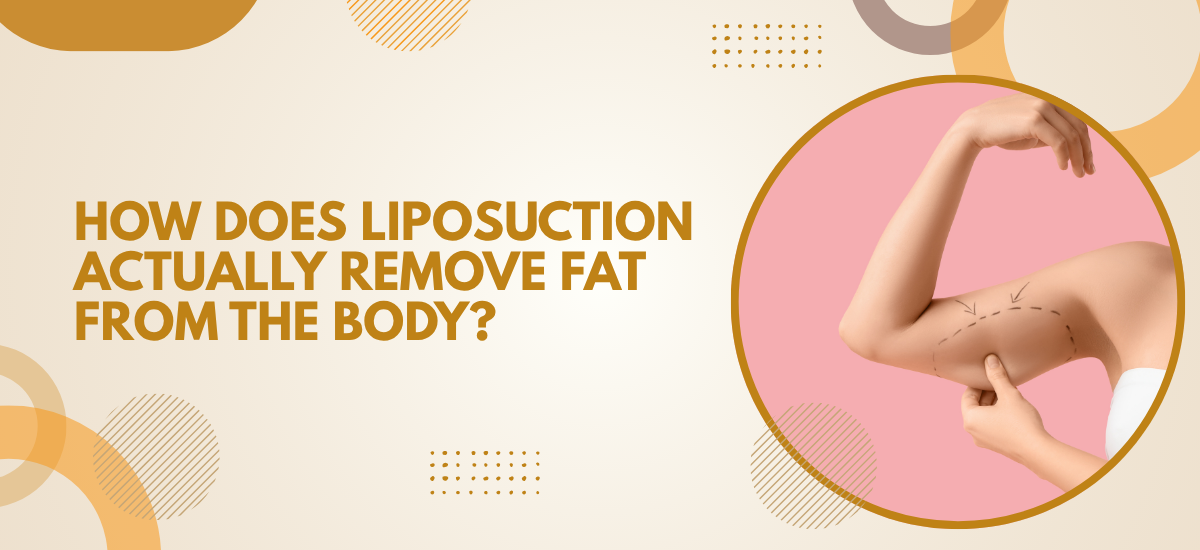
Liposuction is a surgical procedure that removes localised fat deposits using a thin hollow tube called a cannula, connected to a vacuum suction device. It targets diet-resistant fat in areas like the abdomen, thighs, arms, flanks, and chin, reshaping body contours without affecting overall weight significantly.
According to Dr. Monisha Kapoor, an experienced plastic surgeon in Delhi, “Lipo isn’t really weight loss, it’s contouring, so the goal is shaping what’s already there rather than dropping kilos on a scale.”
Stubborn fat that just won’t budge despite diet and exercise? Book Appointment
How Does the Liposuction Procedure Actually Work?
The surgeon makes tiny incisions near the target area, slides a cannula in, and that cannula breaks up fat cells before suctioning them out, with the technique varying a fair bit based on fat density and which body zone you’re treating.
- Tumescent Method: Saline mixed with anaesthetic and adrenaline gets pumped in first, numbs the zone, shrinks blood vessels, makes everything smoother and way less bruised afterwards
- Ultrasound Assisted: Sound waves liquefy stubborn fibrous fat before suction kicks in, super useful for the upper back or male chest where fat sits really tight
- Power Assisted: Cannula vibrates on its own which means the surgeon isn’t manually breaking up fat for hours, more controlled removal in dense areas, less fatigue, cleaner finish
- Laser Lipolysis: Laser fibre melts fat with heat and tightens the skin a bit on top, honestly that’s a small bonus if you’re worried about loose skin showing up later
So the choice of method really depends on how the fat’s actually sitting under the skin, and quite a few patients pair their lipo with a tummy tuck for proper abdominal contouring.
What Areas of the Body Can Liposuction Treat?
Lipo handles multiple body zones where stubborn fat parks itself, and the right technique gets matched to whatever the area’s anatomy actually demands.
- Abdomen: Upper and lower abdominal fat respond well, especially that post-pregnancy pooch that just refuses to leave no matter how many crunches anyone throws at it
- Thighs and Hips: Saddlebags, inner thigh fat, flanks, all classic problem zones, and these often get paired with hour glass shape work for proper proportion
- Arms: Upper arm fat that hangs underneath needs smaller cannulas because the skin there is thinner, more delicate handling, results show up nicely once swelling settles
- Chin and Neck: A double chin or jawline fullness can get reshaped through tiny incisions tucked behind the ear, and results actually show up surprisingly fast here
But the right candidate matters way more than the technique itself, and a full guide on body areas treated by liposuction breaks down exactly which zones respond best.
Why Choose Dr. Monisha Kapoor
Dr. Monisha Kapoor is the first Indian woman aesthetic plastic surgeon admitted to the American Society of Aesthetic Plastic Surgery and a member of ISAPS, with more than 15 years of dedicated cosmetic surgery practice behind her. She brings a sculptor’s eye to body contouring, which is why patients keep coming away with results that look smooth and natural rather than over-corrected or uneven.
📞 Call Now: +91 83739 84777
FAQs
Is liposuction a permanent fat removal procedure?
Yes, removed fat cells do not regrow once suctioned out properly.
How much fat can liposuction remove safely?
Most surgeons safely remove up to five litres in one session.
Does liposuction tighten loose skin too?
Mild tightening occurs but significant skin laxity needs combined surgical correction.
When are liposuction results fully visible?
Final contour usually shows around three to six months post-surgery.
References
- American Society of Plastic Surgeons — Liposuction Overview
- National Library of Medicine — Liposuction Techniques and Safety
