 Book An Appointment

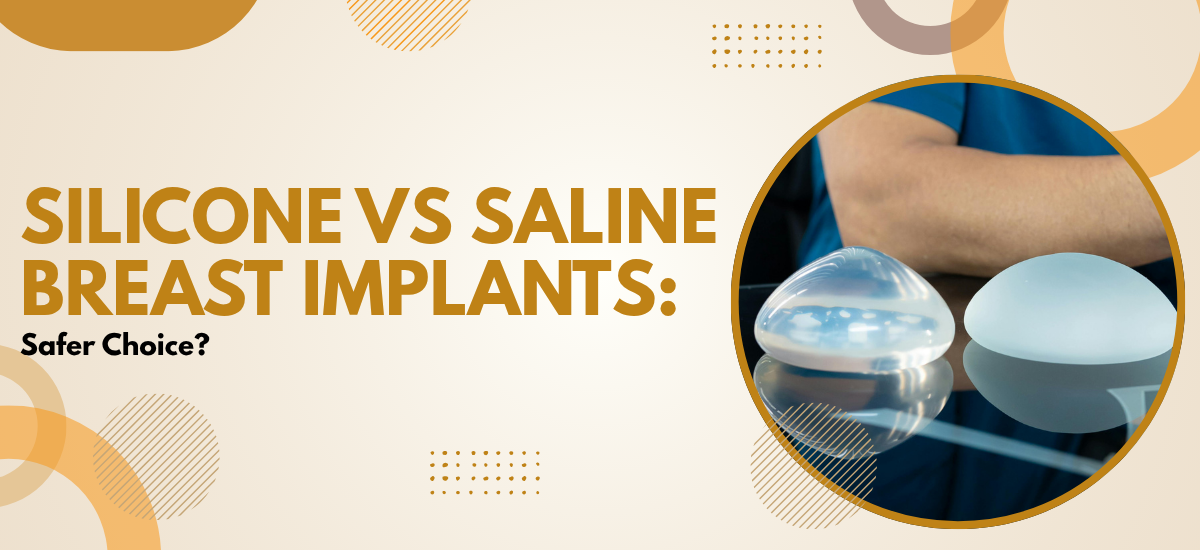
Silicone implants are filled with cohesive medical-grade gel that mimics the natural feel and movement of breast tissue while staying safely contained inside its shell even if the outer covering ruptures, while saline implants are filled with sterile salt water that the body absorbs harmlessly within days when ruptured making leaks immediately visible to the patient. Both implant types meet current FDA safety standards. Both have decades of clinical research behind them. The right choice between them depends on patient anatomy, aesthetic preferences, and whether visible rupture detection matters more than natural feel for that specific patient.
According to Dr. Monisha Kapoor, an experienced plastic surgeon in Delhi, “Silicone versus saline isn’t really about which is safer, both are FDA-approved and both have strong safety records, the choice comes down to natural feel preference, body type, and whether the patient prefers visible rupture detection or the more natural feel that silicone gel delivers.”
Considering breast augmentation and unsure which implant type actually suits you better? Book Appointment
How Does Each Implant Type Actually Work?
Silicone and saline behave very differently inside the body. Silicone uses cohesive gel that holds its shape. Saline uses salt water that the body absorbs without harm if the shell breaks. Each has its own strengths. The fit comes down to anatomy and what each patient actually wants from the implant rather than which option sounds more advanced.
- Silicone Gel Implants: Cohesive medical-grade gel fills the shell. The gel holds its shape when squeezed. Even when the shell ruptures the gel stays put inside its capsule. Modern fifth-generation cohesive gel doesn’t leak the way older versions did, FDA recommends MRI screening at 5 to 6 years post-surgery to catch any silent rupture that wouldn’t show externally
- Saline Implants: Sterile salt water fills the implant. If the shell ruptures the body absorbs the saline harmlessly. The implant visibly deflates within days which makes detection straightforward without imaging. Surgeons can fine-tune fill volume during surgery to address minor anatomical asymmetry, the implants typically feel a bit firmer than silicone gel especially in thinner patients without much natural tissue covering them
- Feel and Movement: Silicone moves and feels closer to actual breast tissue. The gel responds to gravity and movement the way real anatomy does. Saline implants can feel firmer especially in thinner patients. They sometimes show visible rippling at the edges, which is why placement technique and patient body type matter a lot more with saline than silicone
- Incision Considerations: Saline implants get inserted empty through smaller incisions then filled inside the body. Silicone implants come pre-filled requiring slightly larger incisions to insert. The size difference stays minimal in most cases but saline gives slightly more flexibility for patients prioritising the smallest possible scar size at the incision location
Both implant types deliver excellent outcomes when matched correctly to patient anatomy and goals, and patients exploring breast augmentation options find that surgeon expertise in placement matters far more than which implant type gets chosen as long as the choice fits the patient’s body type properly.
Silicone vs Saline Breast Implants: Which One Suits You?
The right call depends on body type, breast tissue thickness, age, and personal priorities around feel versus rupture detection. Patients exploring breast surgery options should also factor in lifestyle considerations because each implant type behaves slightly differently across daily activities and over the long term as the body changes with age, pregnancy, or weight fluctuations.
| Feature | Silicone Implants | Saline Implants |
| Fill Material | Cohesive medical-grade silicone gel | Sterile salt water solution |
| Feel | Closely mimics natural breast tissue | Slightly firmer, less natural feel |
| Rupture Detection | Silent, requires MRI imaging at 5 to 6 years | Immediate visible deflation within days |
| Best Suited For | Thinner patients, those preferring natural feel | Larger frame patients, those wanting visible detection |
| Rippling Risk | Lower with adequate tissue coverage | Higher especially with thin skin coverage |
| Age Approval (FDA) | 22 years and older | 18 years and older |
| Incision Size | Slightly larger to insert pre-filled | Smaller, filled after insertion |
| Post-Rupture Health Impact | Cohesive gel stays contained safely | Body absorbs saline harmlessly |
The right choice depends on what each patient’s anatomy and lifestyle actually need rather than which option sounds more advanced or safer overall, and a deeper read on breast implant risks helps women understand both implant types within the broader context of long-term safety considerations and complication patterns over the years post-surgery.
Why Choose Dr. Monisha Kapoor For Breast Implants Surgery ?
Dr. Monisha Kapoor is the first Indian woman aesthetic plastic surgeon admitted to the American Society of Aesthetic Plastic Surgery and a member of ISAPS, with over 15 years of dedicated cosmetic surgery practice behind her. She handles breast augmentation with proper assessment of body type, tissue thickness, and aesthetic goals before recommending an implant type, performs careful placement technique with both silicone and saline options, and most patients leave consultation with the choice that genuinely fits them rather than the one that sounds fancier in marketing.
📞 Call Now: +91 83739 84777
FAQs
Are silicone implants safer than saline?
Both meet FDA safety standards, neither is universally safer than the other.
Why do some women prefer saline implants?
Saline offers immediate visible rupture detection without requiring expensive MRI screening procedures.
Do silicone implants feel more natural?
Yes, cohesive gel silicone closely mimics natural breast tissue feel and movement.
Can I have silicone implants under 22 years?
No, FDA approves silicone implants only for patients 22 years and older.
References
- American Society of Plastic Surgeons — Silicone vs Saline Implants
- National Library of Medicine — Breast Implant Type Comparison Outcomes
