 Book An Appointment

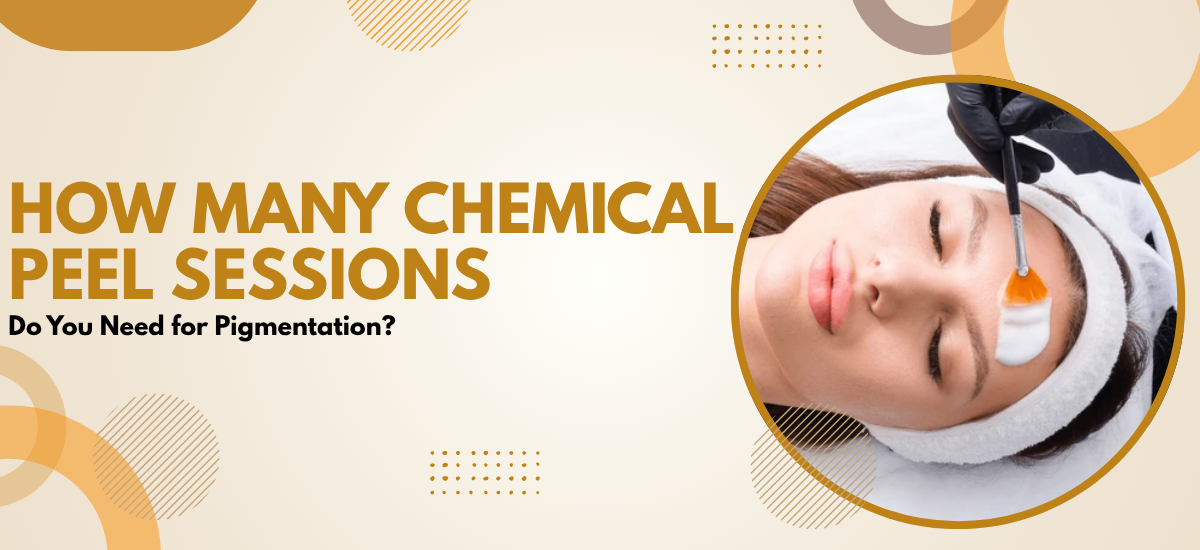
There is no single answer to this, and anyone who gives one without looking at your skin first is guessing. Session count depends on the type of pigmentation, how deep it sits, your skin tone, and which peel is being used. Superficial sun spots may clear across four to six sessions, while stubborn melasma that has been there for years often needs eight or more before meaningful correction shows up.
According to Dr. Monisha Kapoor, a trusted plastic surgeon in Delhi, “Patients expect two sessions to clear years of pigmentation. The realistic answer depends on the type and depth of the pigment, and getting that wrong upfront is what leads to disappointment with a treatment that actually works when planned correctly.”
Not sure which peel suits your pigmentation type? Book a Consultation
What Determines How Many Sessions You Actually Need?
Session count is driven by specific factors, not guesswork. Understanding them stops patients from quitting too early when they see only partial improvement.
Type of Pigmentation Post-acne marks respond faster than melasma and typically clear across four to six sessions. Melasma is hormonal, sits deeper, and needs more sessions plus maintenance to stay clear after treatment.
Depth of the Pigment Pigment in the upper epidermis clears faster with superficial peels. Pigment deeper in the dermis needs medium or deeper peels, spaced further apart with more recovery time in between.
Skin Tone Darker Indian skin tones need peels chosen and dosed carefully to avoid post-inflammatory darkening. Lighter formulations are used, which often means more sessions to reach the same correction a stronger peel might deliver in fewer visits.
Peel Type and Strength A superficial glycolic or lactic peel addresses mild surface pigmentation across six to eight sessions. Deeper options like Cosmelan or the Spot Peel work more aggressively and may deliver the same result in three to five sessions, but with more downtime per visit.
The full range of peels used here, including the Blue Peel, Three Step Peel, Cosmelan, and Spot Peel, are covered in detail on the chemical peels treatment page.
What Should Patients Realistically Expect Across Sessions?
Knowing what each stage looks like keeps patients consistent rather than stopping when progress feels slow.
Sessions 1 to 2 Skin looks brighter and surface marks reduce slightly. This is the skin clearing congestion rather than the pigmentation itself correcting. Stopping here is too soon for most pigmentation types.
Sessions 3 to 4 Real pigmentation reduction starts showing. Post-acne marks are noticeably lighter, sun spots fade more visibly, and overall skin tone improves alongside the correction.
Sessions 5 and Beyond Melasma and deeper pigmentation continue correcting progressively. Maintenance sessions every two to three months after the initial course are what keep results holding long term.
What Undermines Results Going into the sun without SPF between sessions reliably undoes peel progress. The skin is sensitised after treatment, and UV exposure speeds up melanin production enough to reset some of what the previous session corrected.
Patients dealing with pigmentation who want to understand the underlying triggers can read through the skin pigmentation blog, which covers causes and how treatment approaches differ by type.
Why Choose Dr. Monisha Kapoor for Chemical Peel Sessions?
Dr. Monisha Kapoor is India’s first woman aesthetic plastic surgeon admitted to the American Society of Aesthetic Plastic Surgery and holds active membership with ISAPS, with 25+ years of practice and over 10,000 procedures. Chemical peel treatments at her Saket clinic are matched to each patient’s specific pigmentation type and skin tone rather than applied as a standard protocol, which produces consistent correction without the risk of post-treatment darkening on deeper Indian skin.
📞 Call Now: +91 83739 84777
FAQs
How often can chemical peels be done for pigmentation?
Superficial peels are spaced two to four weeks apart. Deeper peels need six to eight weeks between sessions for the skin to recover fully.
Can chemical peels completely remove pigmentation?
They significantly reduce most types. Melasma can be managed and kept clear with maintenance sessions but is rarely permanently eliminated since the hormonal trigger remains.
Are chemical peels safe for dark skin tones?
Yes, when the correct peel type and concentration are chosen. Darker skin needs careful formulation to avoid post-inflammatory hyperpigmentation from the peel itself.
What is the best peel for stubborn melasma?
The Cosmelan system and the Spot Peel are among the most effective for stubborn melasma, especially on Indian skin tones.
References
- National Library of Medicine — Chemical Peels for Hyperpigmentation in Darker Skin: https://pubmed.ncbi.nlm.nih.gov/23688455/
- National Library of Medicine — Melasma Treatment and Chemical Peel Outcomes: https://pubmed.ncbi.nlm.nih.gov/31286501/
