Book An Appointment 📞 Call Now
Dr. Monisha Kapoor
  • Home
  • About Us
  • Treatments
    • Hair
      • Hair Transplant
    • Body
      • Liposuction
      • Six Pack Abs
      • Hour Glass Shape
      • Brazilian Butt Lift
      • Thigh Gap
      • Full Body Lift
      • Vaginal Revitalisation
      • Hand & Feet Revitalisation
      • Tummy Tuck
      • Breast Surgery
      • Male Chest Reshaping
      • Male Chest Reduction
      • Mommy Makeover
      • Men Makeover
    • Skin
      • Zein Obegi's Skin Treatment
      • Chemical Peels
      • Hydra Facial
      • Silk Peel
      • Pelleve Skin Tightening
      • IPL Foto Facials
      • Tri Active Deka Peel
      • Tattoo Removal
      • Laser Skin Toning
      • Laser Hair Reduction
      • Full Body Polishing
      • Halo BBL
    • Face
      • Acne Scar Treatment
      • Face & Neck Lift
      • Forehead
      • Neurotoxin and Fillers
      • Brows
      • Eyes
      • Nose
      • Cheeks
      • Lips
      • Chin
      • Face Bone Alteration
      • Dimple Creation
      • Face Thinning
      • Permanent Makeup
  • Resources
    • Facilities & Infrastructure
    • Media
    • Photos
    • Blog
    • Case Studies
  • Contact Us
+91-8860851727

Blog

Recent Posts

  • Pelleve vs HIFU vs Thermage: Which Skin Tightening Is Best?
  • How to Remove a Birthmark Safely: What Are Your Options?
  • Best Treatment for Uneven Skin Tone and Texture
  • How to Tighten Loose Skin on the Face Without a Facelift?
  • What Makes a Plastic Surgery Facility Safe? Accreditation Explained

Archives

  • July 2026
  • June 2026
  • May 2026
  • December 2023
  • July 2023
  • April 2023
  • July 2020
  • June 2020
  • November 2019
  • August 2019
  • August 2018
  • April 2018
  • March 2018
  • January 2018
  • December 2017
  • October 2017
  • September 2017
  • July 2017
  • June 2017
  • April 2017
  • December 2016
  • November 2016
  • October 2016
  • September 2016
  • August 2016
  • July 2016

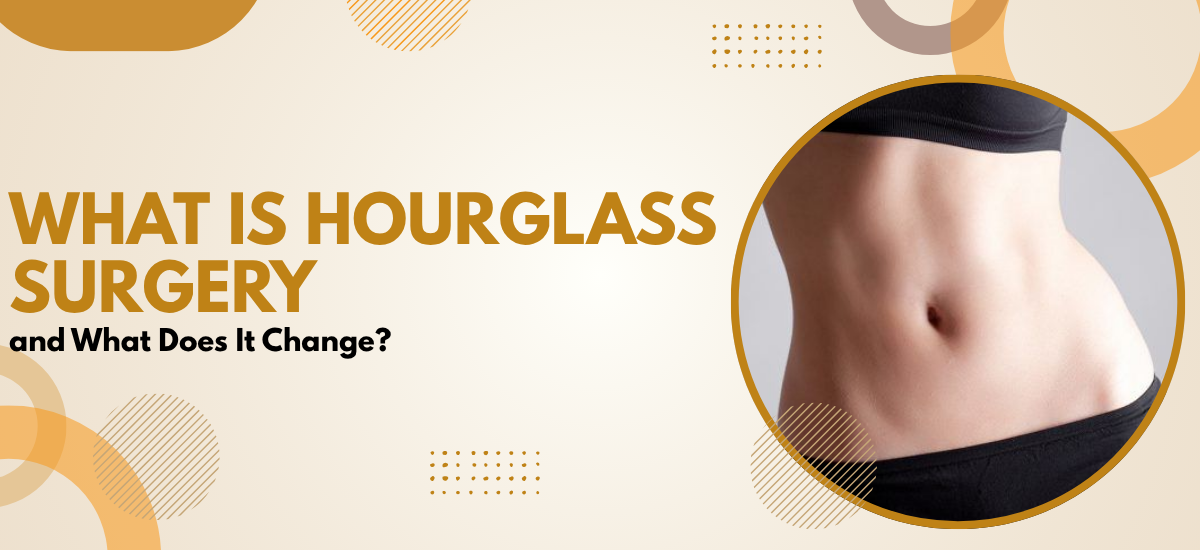
What Is Hourglass Surgery and What Does It Change?

Posted on May 28, 2026May 21, 2026

Hourglass surgery is a comprehensive body contouring procedure that combines multiple surgical techniques to create the classic hourglass silhouette through targeted fat removal at the waist and strategic fat transfer to the hips and buttocks. The procedure isn’t a single operation. It bundles liposuction of stubborn fat zones with fat transfer to areas that need volume. The aim is balanced body proportions with a defined waist, fuller hips, and natural-looking curves. Patients typically combine waist sculpting with hip enhancement and sometimes additional procedures like tummy tuck or breast work depending on overall body goals and what areas need addressing simultaneously for cohesive results.

According to Dr. Monisha Kapoor, an experienced plastic surgeon in Delhi, “Hourglass surgery isn’t really one surgery, it’s a customized combination of techniques designed to create proportional curves rather than just adding volume here or removing fat there, the result depends on careful planning of which body areas need fat removed and which areas need fat added to deliver the balanced silhouette patients are actually after.”

Considering hourglass surgery and want to understand exactly what the procedure involves and changes? Book Appointment

How Does Hourglass Surgery Actually Work?

The procedure combines multiple techniques in one comprehensive surgery. Each component handles a specific body zone. Some areas need fat removed for slimming. Other areas need fat added for fullness. The integration of these techniques creates the proportional silhouette rather than just changing one isolated area at a time without considering the overall body balance.

  • Waist Liposuction: The surgeon performs careful liposuction across the waistline area to create definition. Fat gets removed from the love handles, lower back, and upper hip zones. The treatment respects the natural waist curve rather than over-aggressively removing fat that creates artificial-looking results. VASER liposuction technology suits this work better than older techniques because it allows precise sculpting needed for waist contouring
  • Fat Transfer to Hips: Fat harvested during the waist liposuction gets purified through specialised processing. The processed fat then gets carefully injected into specific zones around the hips. Common transfer areas include the upper outer hips, lower hip dips, and sometimes the buttock area for added projection. The body absorbs around 30 to 40% of transferred fat over 3 to 6 months. Remaining fat establishes blood supply and stays permanently
  • Strategic Sculpting Approach: The surgery requires precise pre-op planning of where fat gets removed and where it gets added. Removing too much from the waist creates an artificial silhouette. Adding too much to the hips produces unnatural proportions. The balance between removal zones and addition zones determines whether the final result looks naturally curvaceous or surgically over-corrected, which is why surgeon expertise in proportional sculpting matters far more than technical skill alone in this procedure
  • Combination Procedures: Many patients combine hourglass surgery with additional procedures depending on overall body goals. Tummy tuck handles loose abdominal skin from pregnancy or weight loss. Breast augmentation or lift addresses chest proportions. Thigh contouring shapes the lower body. Each combination affects how recovery unfolds because more comprehensive surgery means longer healing time before final results emerge fully

Hourglass surgery delivers comprehensive body transformation when matched correctly to patient anatomy and goals, and patients exploring body contouring options find that the customised nature of this procedure means consultation accuracy matters enormously for getting results that actually match what the patient envisioned before committing to surgery.

What Does Hourglass Surgery Actually Change?

The visible changes affect overall body proportion rather than just one isolated area. The waist becomes more defined and narrower. The hips appear fuller and more curvaceous. Body silhouette transforms from straighter or boxier shapes into balanced curves. Photographs taken before and after show dramatic proportional changes that go beyond what any single procedure could deliver alone.

  • Waist Definition: The waist becomes notably narrower and more defined as fat removal sculpts the natural curve. Side profile silhouette changes most dramatically since this is where waist definition becomes most visible. Front view shows clearer waist-to-hip ratio improvement. Patients typically see one to two inches of waist reduction depending on starting fat distribution and how much fat the surgeon could safely remove
  • Hip Volume and Shape: Hips appear fuller and more rounded after fat transfer establishes itself permanently. Hip dips (the indentation between the upper hip and outer thigh) get softened or eliminated through targeted fat placement. Lateral hip projection increases creating a more curvaceous side profile. The added volume looks completely natural since it uses the patient’s own fat rather than implants or fillers that would feel artificial
  • Overall Body Proportion: Body proportions shift from straighter shapes into balanced curves. The waist-to-hip ratio improves significantly which is the single biggest visible change. Combining results with liposuction of additional zones like thighs or arms produces even more comprehensive transformation when patients want full body contouring done together rather than scattered across multiple surgeries
  • Long-Term Result Stability: The surgery delivers permanent fat removal in liposuction zones combined with permanent fat survival in transfer zones once initial absorption stabilizes. Significant weight gain can affect the silhouette since transferred fat behaves like normal fat and grows with weight gain. Maintaining stable weight and consistent fitness keeps the hourglass silhouette intact for life without needing additional surgical intervention

Hourglass surgery changes body proportions comprehensively rather than just slimming one area, and a deeper read on body contouring procedures helps patients see how this specific procedure fits into the broader spectrum of body sculpting options before deciding whether the customized hourglass approach genuinely matches their actual body goals.

Why Choose Dr. Monisha Kapoor for Hourglass Surgery?

Dr. Monisha Kapoor is the first Indian woman aesthetic plastic surgeon admitted to the American Society of Aesthetic Plastic Surgery and a member of ISAPS, with over 15 years of dedicated cosmetic surgery practice behind her. She handles hourglass surgery with detailed pre-op proportional planning, VASER liposuction expertise, careful fat transfer technique, and honest assessment of whether the procedure suits each patient’s anatomy and realistic body goals rather than recommending it to everyone who walks in asking for curves.

📞 Call Now: +91 83739 84777


FAQs

Is hourglass surgery the same as Brazilian butt lift?

No, hourglass surgery focuses on overall waist-to-hip proportions, not just buttock enhancement.

How long does hourglass surgery recovery take?

Recovery takes 4 to 6 weeks for normal activities, full results visible at 6 months.

Are hourglass surgery results permanent?

Yes, surviving fat transfer and removed fat stay permanent with stable weight maintenance.

Can I combine hourglass surgery with tummy tuck?

Yes, combining procedures is common for patients wanting comprehensive body transformation together.


References

  1. American Society of Plastic Surgeons — Body Contouring Procedures
  2. National Library of Medicine — Liposuction and Fat Transfer Outcomes
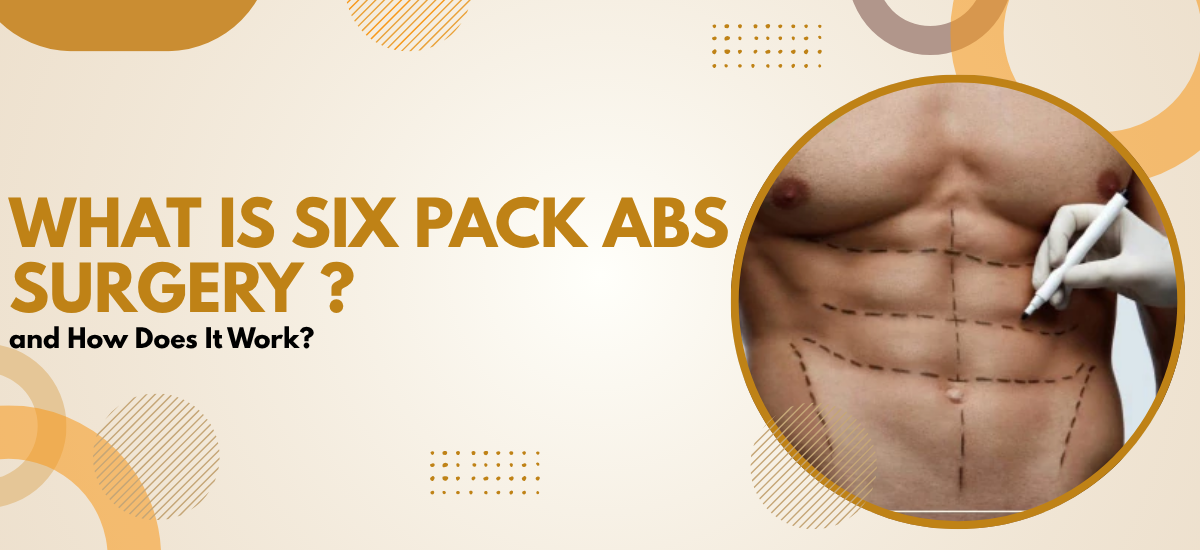
What Is Six Pack Abs Surgery and How Does It Work?

Posted on May 27, 2026May 21, 2026

Six pack abs surgery is a specialised cosmetic procedure that creates the appearance of defined abdominal muscles through advanced VASER liposuction techniques. The surgery removes fat in specific patterns that highlight the underlying rectus abdominis muscle definition. It works by sculpting both deep and superficial fat layers around the existing muscle structure rather than building muscle itself. Patients with relatively low body fat and visible underlying muscle tone get the best results. The procedure is sometimes called high-definition liposculpture or abdominal etching, and it has become increasingly popular among patients who exercise regularly but can’t get visible definition through diet and gym work alone.

According to Dr. Monisha Kapoor, an experienced plastic surgeon in Delhi, “Six pack abs surgery isn’t a shortcut for people who don’t exercise, the procedure highlights existing muscle definition that’s hidden under stubborn fat layers, patients without underlying muscle tone won’t get the sculpted look they’re after no matter how skilled the surgeon is during the procedure itself.”

Considering six pack abs surgery and want to understand exactly how the technique actually works? Book Appointment

How Does Six Pack Abs Surgery Actually Work?

The procedure isn’t basic liposuction. It uses advanced VASER ultrasound technology. The technique requires precise mapping of the patient’s existing muscle structure beneath the fat. The surgeon then sculpts fat in specific patterns to reveal the muscle definition naturally underneath.

  • Pre-Surgery Mapping: The surgeon marks the patient’s abdomen extensively before surgery. Lines get drawn following the natural pattern of the rectus abdominis muscle. The linea alba (vertical centre line) gets identified. The semilunar lines (curves outlining the muscle blocks) get traced. Tendinous inscriptions (horizontal lines that create the six pack divisions) get marked carefully. This pre-op mapping shapes how the entire surgery unfolds
  • VASER Liposuction Process: A specialised probe sends ultrasound energy into the fat layer to liquefy fat cells selectively. The technology preserves surrounding nerves, blood vessels, and connective tissue. Then a thinner cannula extracts the liquefied fat in carefully patterned amounts. Some areas get fat removed deeply. Other areas get superficial removal. A few zones get fat preserved entirely to maintain natural muscle highlight contrast
  • Two-Layer Sculpting Approach: Deep fat layer removal handles overall slimming of the abdomen. Superficial fat sculpting creates the actual six-pack definition that becomes visible. Both layers need precise handling because removing too much creates artificial-looking results that don’t match natural anatomy. Removing too little leaves the muscle definition still hidden under stubborn fat. The balance between both layers determines how natural the final result actually looks
  • Post-Surgery Settling: Initial swelling hides the muscle definition for the first 6 to 8 weeks completely. Compression garments stay on continuously throughout this period. The sculpted patterns gradually emerge as swelling resolves over months. Final muscle definition becomes fully visible at 3 to 6 months post-surgery. Lymphatic massage during recovery helps the swelling resolve faster and the definition emerge cleaner

Six pack abs surgery delivers permanent muscle definition when matched to the right candidate, and patients exploring liposuction options for advanced abdominal sculpting find that surgeon expertise in VASER technology specifically matters far more than choosing any surgeon who advertises six pack surgery without proper specialised training behind the marketing.

Who Are the Right Candidates for Six Pack Abs Surgery?

Not every patient suits this procedure. The best candidates have specific anatomical characteristics that allow the technique to deliver natural-looking results. Patients without proper muscle tone or with significant excess skin won’t get the result they’re after no matter how skilled the surgeon is. Understanding who fits the profile helps patients see whether this surgery actually solves their concern.

  • Body Fat Percentage: The ideal candidate has 12 to 18% body fat for men and 18 to 22% for women. Significantly higher body fat percentages mean too much fat to selectively sculpt without compromising the natural look. Lower percentages mean the muscle definition might already be visible without surgery being necessary at all
  • Existing Muscle Tone: Patients need underlying muscle development before surgery. The procedure highlights what’s already there. It doesn’t create muscle definition that doesn’t exist underneath. Patients should regularly exercise the abdominal muscles for at least 6 to 12 months before considering surgery
  • Skin Elasticity: Good skin elasticity is essential because the abdominal skin needs to retract smoothly over the new contoured shape. Loose skin from significant weight loss or pregnancy doesn’t retract properly. Patients with skin laxity may need body contouring or tummy tuck procedures instead, sometimes combined with the etching technique
  • Realistic Expectations: The result looks like an athletic person who works out regularly, not a competition bodybuilder. Patients expecting dramatic bodybuilder definition will be disappointed because over-aggressive sculpting produces unnatural results. The natural look depends on respecting the patient’s actual body proportions throughout the surgical process

Six pack abs surgery requires careful candidate selection, and a deeper read on VASER vs traditional liposuction helps patients understand why VASER technology specifically suits this advanced procedure better than older liposuction methods that lack the precision needed for muscle-defining sculpture work.

Why Choose Dr. Monisha Kapoor for Six Packs Abs Surgery ?

Dr. Monisha Kapoor is the first Indian woman aesthetic plastic surgeon admitted to the American Society of Aesthetic Plastic Surgery and a member of ISAPS, with over 15 years of dedicated cosmetic surgery practice behind her. She handles six pack abs surgery with detailed pre-op muscle mapping, VASER technology expertise, careful two-layer sculpting technique, and honest candidate assessment about whether the procedure suits each patient’s actual anatomy and goals rather than recommending it to everyone who asks for it.

📞 Call Now: +91 83739 84777


FAQs

Can six pack surgery work without exercise?

No, surgery highlights existing muscle definition, patients need underlying muscle tone first.

Are six pack surgery results permanent?

Yes, fat removal is permanent though significant weight gain can affect overall definition.

How long until I see final results?

Final muscle definition emerges fully at 3 to 6 months post-surgery completion.

Is six pack surgery painful?

Mild discomfort the first week, well-managed with prescribed medication and compression garments.


References

  1. American Society of Plastic Surgeons — High-Definition Liposuction
  2. National Library of Medicine — VASER Lipoplasty Body Sculpting Outcomes

Abdominoplasty vs Liposuction: Which Suits You?

Posted on May 26, 2026July 22, 2026

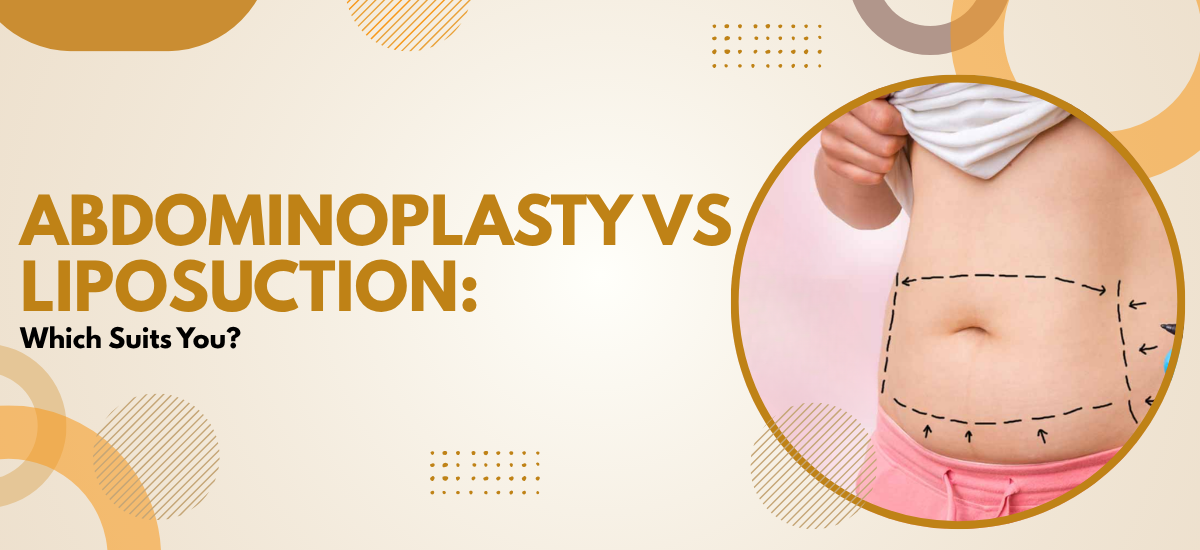
Abdominoplasty (tummy tuck) is best for removing excess, sagging skin and repairing weakened abdominal muscles, usually after pregnancy or major weight loss. Liposuction suits individuals with good skin elasticity who only need to remove localized, stubborn fat deposits. Abdominoplasty offers more dramatic, firmer results but involves longer recovery and larger scars, while liposuction handles isolated fat removal through smaller incisions with faster recovery though without addressing muscle separation or loose skin at all.

According to Dr. Monisha Kapoor, an experienced plastic surgeon in Delhi, “Abdominoplasty versus liposuction comes down to what the abdomen actually needs, abdominoplasty handles muscle repair and skin removal that liposuction simply cannot do, while liposuction handles isolated fat removal that abdominoplasty would be excessive for, picking the wrong procedure is the most common reason patients end up needing revision surgery later.”

Considering abdominal surgery and unsure whether abdominoplasty or liposuction suits you better? Book Appointment


How Does Each Procedure Actually Address the Abdomen?

Abdominoplasty and liposuction work at completely different anatomical layers. Abdominoplasty operates on muscle and skin levels. Liposuction stays focused entirely on the fat layer beneath the skin. Each procedure handles specific abdominal concerns. The diagnosis matters here, picking based on what sounds simpler or cheaper produces results that don’t actually solve the patient’s original concern.

  • Abdominoplasty Process: The surgeon makes a horizontal incision low across the abdomen between the hip bones. Loose skin gets lifted up off the underlying tissue. Separated abdominal muscles get sutured back together which is called diastasis recti repair. Excess skin gets trimmed and removed entirely. The remaining skin gets pulled down and re-draped tightly. Belly button gets repositioned to maintain proper proportion. Results address muscle, skin, and contour comprehensively
  • Liposuction Process: Small incisions get placed at strategic points around the treatment area. A thin cannula goes through these incisions into the fat layer. The surgeon moves the cannula back and forth to break up fat. Suction removes the broken fat through the same cannula. The procedure works only on the fat layer above the muscle. Skin and muscle stay completely untouched throughout the surgery
  • Diastasis Recti Reality: Pregnancy stretches abdominal muscles apart creating a gap down the centre. Weight loss after major obesity sometimes does the same thing. This separation cannot be fixed with exercise once the gap exceeds 2 cm. It cannot be fixed with liposuction either. Only abdominoplasty closes the muscle gap surgically. Patients with diastasis who choose liposuction stay with the same protruding belly even after fat gets removed
  • Recovery Comparison: Abdominoplasty recovery takes 6 to 8 weeks before resuming exercise and full activity because muscle repair needs proper healing time. Liposuction recovery moves much faster at 2 to 3 weeks for normal activities. The recovery gap reflects how invasive each procedure actually is, abdominoplasty involves significant tissue restructuring while liposuction stays focused on fat removal alone

Both procedures deliver excellent outcomes when matched correctly to the patient’s actual abdominal concern, and patients exploring abdominoplasty options find that proper diagnosis during consultation matters more than choosing whichever procedure sounds easier or has shorter recovery time advertised across most clinic websites.

Abdominoplasty vs Liposuction: Which One Suits You?

Picking right comes down to one diagnostic question first: does the patient have diastasis recti, loose skin, or just stubborn fat? Patients exploring liposuction options need to know that liposuction only works when the abdomen has good skin elasticity and intact abdominal muscles underneath. Choosing liposuction with significant muscle separation or loose skin produces a thinner but still protruding abdomen that doesn’t match what the patient actually wanted from surgery in the first place.

Feature

Abdominoplasty

Liposuction

Tissue Layers Addressed

Skin, muscle, and fat layers

Fat layer only

Best Suited For

Muscle separation plus loose skin

Stubborn fat with good skin elasticity

Diastasis Recti Repair

Yes, primary surgical goal

No, cannot address muscle separation

Loose Skin Removal

Yes, excess skin trimmed away

No, skin stays in place

Incision Length

Horizontal incision hip-to-hip

Multiple small puncture incisions

Procedure Duration

3 to 5 hours

1 to 3 hours

Recovery Time

6 to 8 weeks for full activity

2 to 3 weeks for normal activities

Result Permanence

Permanent muscle and skin correction

Fat removal permanent, skin laxity unchanged

The right choice depends on accurate diagnosis of what each patient’s abdomen actually needs rather than picking whichever procedure has shorter recovery or lower price tag, and a deeper read on tummy tuck vs liposuction helps patients understand the same comparison from a slightly different angle to confirm what they’re hearing during consultation matches the broader surgical reality.

Why Choose Dr. Monisha Kapoor For Abdominoplasty & Liposuction Surgery?

Dr. Monisha Kapoor is the first Indian woman aesthetic plastic surgeon admitted to the American Society of Aesthetic Plastic Surgery and a member of ISAPS, with over 15 years of dedicated cosmetic surgery practice behind her. She handles both abdominoplasty and liposuction with proper diagnostic assessment of muscle separation, skin elasticity, and fat distribution before recommending either procedure, performs muscle repair when diastasis exists, and patients leave consultation knowing exactly which procedure their abdomen actually needs rather than what they walked in assuming.

📞 Call Now: +91 83739 84777


FAQs

Can liposuction fix muscle separation after pregnancy?

No, liposuction only removes fat, muscle separation requires abdominoplasty for proper repair.

What is diastosis recti?

Separation of abdominal muscles down the centre, common after pregnancy or major weight loss.

Is abdominoplasty the same as tummy tuck?

Yes, abdominoplasty is the clinical medical name for the tummy tuck procedure.

Can I have both procedures together?

Yes, abdominoplasty often includes liposuction in flank areas for comprehensive abdominal contouring.


References

  1. American Society of Plastic Surgeons — Abdominoplasty Procedure
  2. National Library of Medicine — Abdominoplasty vs Liposuction Outcomes

Surgical vs Laser Vaginoplasty: Better Results?

Posted on May 25, 2026May 21, 2026

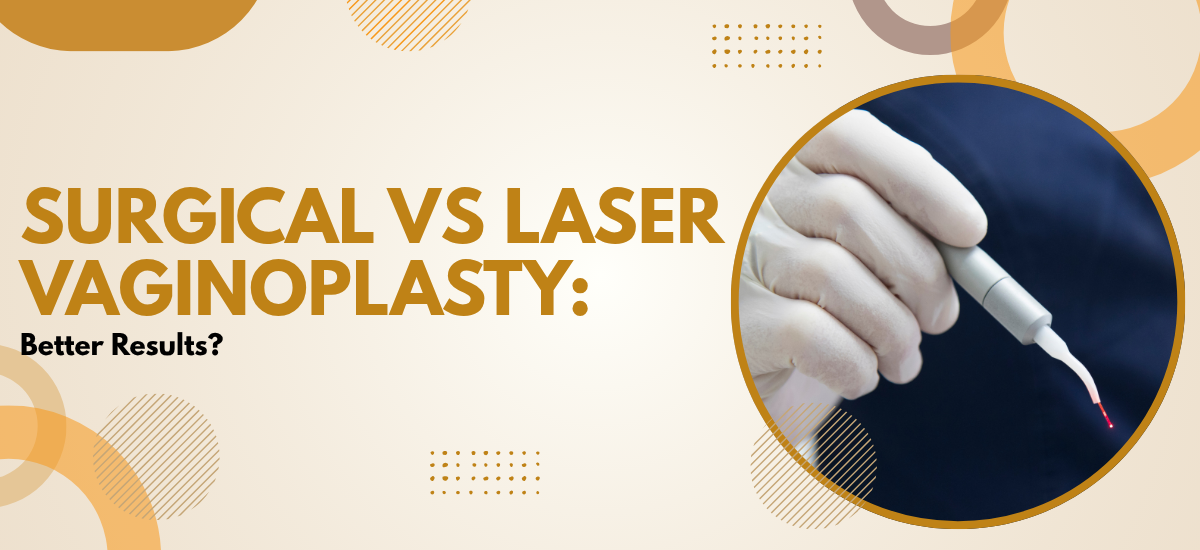
Surgical & Laser Vaginoplasty are completely different approaches to vaginal rejuvenation. Surgical vaginoplasty actually tightens the vaginal canal through tissue reconstruction. Laser vaginoplasty stimulates collagen production non-surgically through controlled thermal energy. Each method addresses different concerns. Surgical handles structural laxity. Laser handles mild tightening and surface concerns. Many women confuse them thinking they’re interchangeable, they aren’t, the right choice comes down to how much actual tightening the patient needs and whether undergoing surgery feels acceptable for the result they want.

According to Dr. Monisha Kapoor, an experienced plastic surgeon in Delhi, “Surgical versus laser vaginoplasty isn’t really a question of which is better, it’s a question of what each method can actually achieve, surgical reconstruction handles significant laxity that lasers can’t touch while laser treatment works for mild concerns and surface improvement that surgery would be excessive for, picking the wrong one wastes money on something that doesn’t deliver the result patients actually want.”

Considering vaginal rejuvenation and unsure whether surgery or laser suits you better? Book Appointment

How Does Each Vaginoplasty Method Actually Work?

Surgical and laser vaginoplasty use completely different mechanisms. One is invasive structural surgery. The other is non-surgical thermal treatment. Each delivers specific results suited to specific concerns. The right method depends on what each patient’s anatomy actually needs rather than which option sounds easier or more advanced at the consultation stage.

  • Surgical Vaginoplasty Process: The surgeon removes excess vaginal tissue through carefully placed incisions inside the vagina. Underlying muscle layers get tightened. Surrounding tissue gets repositioned. The procedure happens under general anaesthesia. Recovery takes 6 to 8 weeks before resuming intimacy and strenuous activity. Results stay permanent and address significant laxity that no non-surgical option can replicate
  • Laser Vaginoplasty Process: Controlled laser energy gets delivered through a probe inserted into the vagina. The thermal effect stimulates collagen production in the vaginal wall. No incisions, no anaesthesia, no downtime. Most sessions take 15 to 20 minutes. Patients typically need 3 sessions spaced 4 to 6 weeks apart. Maintenance treatments may be needed annually to sustain the results long-term
  • Result Capability: Surgical vaginoplasty delivers significant tightening that addresses moderate to severe laxity from childbirth or ageing. Laser vaginoplasty delivers modest improvement only. The thermal stimulation tightens the surface tissue and improves moisture but won’t fix structural laxity. Patients with significant tightening needs will be disappointed if they choose laser over surgery
  • Recovery Difference: Surgical vaginoplasty needs 6 to 8 weeks of restricted activity before full healing completes. Laser vaginoplasty has essentially zero downtime. Patients return to work the same day. Sexual activity resumes within 3 to 5 days after each laser session. The recovery gap reflects how invasive each method actually is rather than how effective they are

Both methods have their place when matched correctly to patient concerns, and women exploring vaginal rejuvenation options find that picking the wrong approach produces results that don’t actually solve the original concern, leaving patients frustrated and sometimes still requiring the other method afterwards.

Surgical vs Laser Vaginoplasty: Which One Suits You?

Picking right comes down to how much tightening the patient needs first. Concerns about downtime, surgery anxiety, and budget come second. Patients exploring mommy makeover procedures often combine surgical vaginoplasty with other post-pregnancy work because doing it together makes recovery more efficient than scheduling each procedure separately months apart.

Feature

Surgical Vaginoplasty

Laser Vaginoplasty

Method

Surgical tissue reconstruction

Non-surgical thermal stimulation

Anaesthesia

General anaesthesia required

None or topical numbing only

Best Suited For

Moderate to severe laxity, post-childbirth

Mild laxity, surface improvement, dryness

Result Permanence

Permanent with lifestyle stability

1 to 2 years, needs maintenance treatments

Recovery Time

6 to 8 weeks before full activity

Same day return, 3 to 5 days for intimacy

Sessions Needed

Single surgical procedure

Typically 3 sessions spaced 4 to 6 weeks apart

Tightening Capability

Significant structural correction

Modest surface improvement only

Cost Comparison

Higher one-time cost

Lower per session, recurring maintenance cost

The right choice depends on what each patient’s anatomy actually needs rather than which option sounds easier or more advanced overall, and a deeper read on vaginoplasty pain and recovery helps women understand the surgical route better before deciding whether laser treatment alone will deliver what they’re actually looking for.

Why Choose Dr. Monisha Kapoor for Vaginoplasty Surgery ?

Dr. Monisha Kapoor is the first Indian woman aesthetic plastic surgeon admitted to the American Society of Aesthetic Plastic Surgery and a member of ISAPS, with over 15 years of dedicated cosmetic surgery practice behind her. She handles both surgical and laser vaginoplasty with proper assessment of laxity severity and realistic outcome expectations, performs careful method selection based on what the patient’s anatomy actually needs, and patients leave the consultation with the approach that genuinely fits their concern rather than the one that sounded easier.

📞 Call Now: +91 83739 84777


FAQs

Is laser vaginoplasty as effective as surgery?

No, laser handles mild laxity only, surgery delivers significant structural tightening for moderate cases.

Does laser vaginoplasty hurt?

Minimal discomfort, most patients describe it as warm sensation rather than actual pain.

How long do laser vaginoplasty results last?

Results typically last 1 to 2 years, annual maintenance sessions sustain the effect.

Can I have laser treatment after surgical vaginoplasty?

Yes, laser maintenance can complement surgical results once full healing has completed.


References

  1. American Society of Plastic Surgeons — Vaginal Rejuvenation Methods
  2. National Library of Medicine — Surgical vs Laser Vaginoplasty Outcomes

Fat Transfer vs Implants for Breast Augmentation

Posted on May 25, 2026May 21, 2026

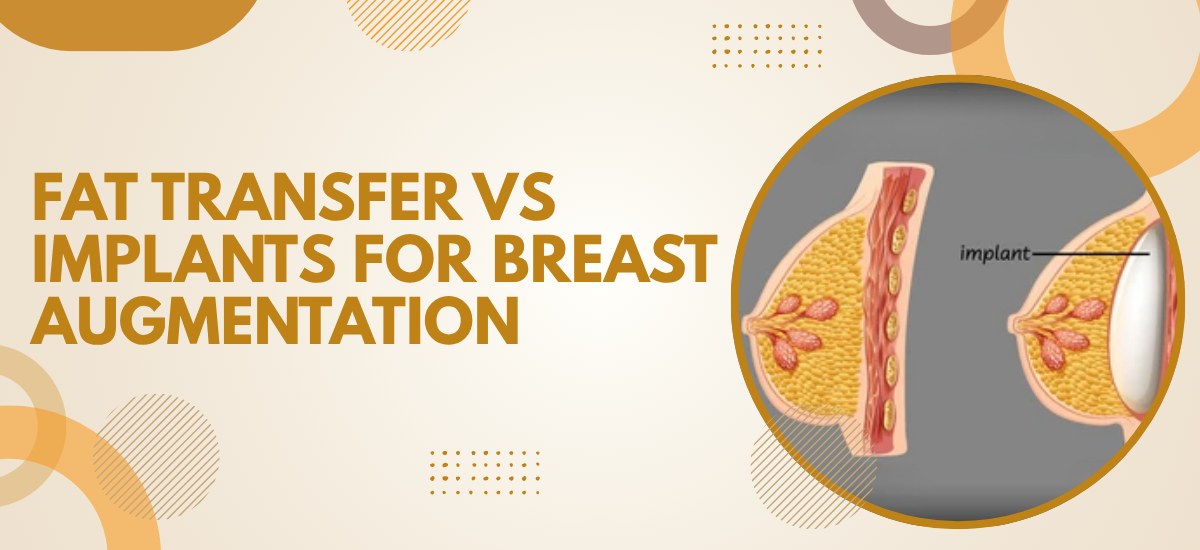
Two completely different ways to make breasts bigger. Fat transfer takes fat from one part of the body and moves it into the breasts. Implants add volume through silicone or saline placed under the tissue. Each has trade-offs. Fat transfer feels natural and gives modest size increase. Implants offer more dramatic volume but stay foreign material. Many women confuse the two thinking they’re interchangeable, they aren’t, the right choice comes down to how much size increase the patient actually wants and whether having implants long-term feels acceptable.

According to Dr. Monisha Kapoor, an experienced plastic surgeon in Delhi, “Fat transfer versus implants depends mostly on how much size increase the patient actually wants, fat transfer adds maybe a half cup to one full cup of size while implants can add two to three full cups, women wanting modest enhancement get great results from fat transfer but anyone wanting significantly larger breasts will be disappointed if they choose fat transfer over implants.”

Considering breast augmentation and unsure whether fat transfer or implants suits you better? Book Appointment

How Does Each Augmentation Method Actually Work?

Fat transfer is a two-stage process within one surgery. Implants are a single-stage process. Each delivers different size results. The technique that suits each patient depends on body type, fat availability, and how much volume they actually want added to their chest.

  • Fat Transfer Process: The surgeon harvests fat from another body area through liposuction. Common harvest sites are the abdomen, hips, or thighs. The harvested fat gets purified through specialised processing. Then it gets carefully injected into the breasts in tiny amounts spread across multiple deposits. The body absorbs around 30 to 40% of the transferred fat over 3 to 6 months. The remaining fat establishes its own blood supply and stays permanently in place
  • Implant Augmentation Process: Silicone or saline implants get inserted through small incisions. Common placement is under the breast crease, around the areola, or through the armpit. The implants sit either under the breast tissue or beneath the chest muscle. The procedure happens in a single surgery without harvesting from another body area. Result size shows up immediately though final settling takes 3 to 6 months
  • Size Increase Capability: Fat transfer adds modest volume only. Realistic increase is half a cup to one full cup size at most. The body simply absorbs too much transferred fat to allow dramatic size jumps. Implants can add anywhere from one cup to three or more cup sizes. Patients wanting significant volume increase need implants, period
  • Risk Profile: Fat transfer carries lower long-term risks because no foreign material gets used. Risks stay limited to fat absorption variability, fat necrosis, or calcifications visible on mammograms. Implants carry implant-specific risks including capsular contracture, rupture, and BIA-ALCL for textured types. Each method has its own monitoring requirements over the years post-surgery

Both methods deliver excellent outcomes when matched correctly to the patient’s actual size goals, and patients exploring breast augmentation options find that picking the wrong method produces disappointing results that can’t really be corrected without redoing the entire surgery from scratch.

Fat Transfer vs Implants: Which One Suits You?

The right call depends on three things mostly. Size goals come first. Body type and fat availability come second. Long-term comfort with foreign material comes third. Patients exploring liposuction as part of fat transfer get the bonus of body contouring at the harvest site too, which adds another consideration into picking between methods.

Feature

Fat Transfer

Breast Implants

Material Used

Patient’s own harvested fat

Silicone or saline implants

Maximum Size Increase

Half cup to one full cup

One to three or more cup sizes

Surgery Time

3 to 5 hours total (lipo plus injection)

1 to 2 hours typically

Foreign Material

None, all autologous tissue

Silicone or saline implants

Recovery Time

2 to 3 weeks for lipo plus breast areas

1 to 2 weeks for breast area only

Long-Term Maintenance

None required after final settling

MRI screening at 5 to 6 years for silicone

Result Permanence

Permanent for fat that survives

10 to 15 years average implant lifespan

Best Suited For

Women wanting modest natural enhancement

Women wanting significant size increase

The right choice depends on what each patient actually wants from breast augmentation rather than which option sounds more natural or advanced overall, and a deeper read on silicone vs saline implants helps women understand the implant route better when weighing it against fat transfer for their specific size goals and lifestyle factors going forward.

Why Choose Dr. Monisha Kapoor For Breast Implants Surgery ?

Dr. Monisha Kapoor is the first Indian woman aesthetic plastic surgeon admitted to the American Society of Aesthetic Plastic Surgery and a member of ISAPS, with over 15 years of dedicated cosmetic surgery practice behind her. She handles both fat transfer and implant breast augmentation with proper assessment of body type, fat availability, and realistic size expectations, performs careful technique selection based on what the patient actually wants, and patients leave consultation with the method that genuinely matches their goals rather than what sounded fancier in marketing.

📞 Call Now: +91 83739 84777


FAQs

Is fat transfer safer than breast implants?

Yes, fat transfer carries fewer long-term risks since no foreign material gets used.

How much size can fat transfer add to breasts?

Fat transfer adds half a cup to one full cup size maximum.

Does the body absorb transferred fat?

Yes, around 30 to 40% gets absorbed within the first 3 to 6 months.

Can fat transfer replace breast implants?

Only for modest enhancement, larger size increases definitely require breast implants.


References

  1. American Society of Plastic Surgeons — Fat Transfer Breast Augmentation
  2. National Library of Medicine — Autologous Fat Grafting Outcomes

Breast Lift vs Breast Augmentation: What’s Different?

Posted on May 24, 2026May 21, 2026

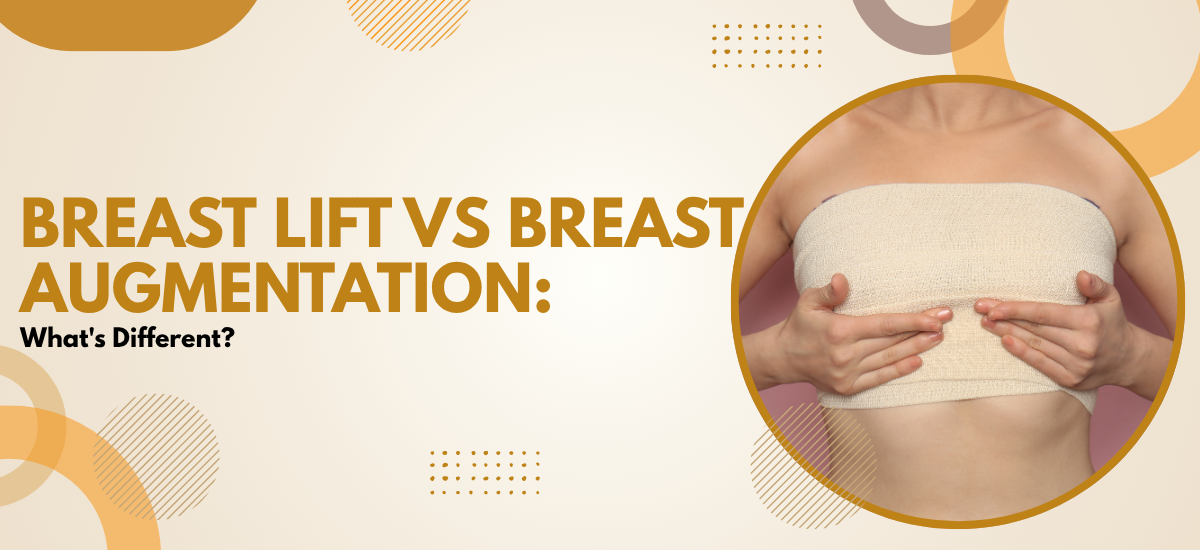
Breast lift and breast augmentation get confused all the time but solve completely different problems. A lift fixes sagging. It doesn’t add size. Augmentation adds size through implants. It doesn’t fix sagging. Many women come in asking for one when they actually need the other, or sometimes both performed together. The choice between them depends on whether the breasts have lost their position, lost their volume, or lost both at once after pregnancy, weight changes, or just years of gravity doing what gravity does.

According to Dr. Monisha Kapoor, an experienced plastic surgeon in Delhi, “Breast lift versus augmentation is one of the most confused choices women make, lift fixes sagging without adding size while augmentation adds size without fixing sagging, picking the wrong one means either adding volume to droopy breasts or lifting flat breasts that need volume restored, both produce outcomes patients aren’t happy with.”

Considering breast surgery and unsure whether you need a lift, augmentation, or both? Book Appointment

How Does Each Procedure Actually Work?

Two procedures. Two completely different goals. A lift moves existing tissue. Augmentation puts something new inside. Some women need just one. Others need both. The right pick comes from looking at what the breasts actually need, not at what sounds simpler or cheaper at the consultation stage.

  • Breast Lift Process: The surgeon removes excess sagging skin. The nipple-areola complex gets repositioned higher up. Underlying tissue gets reshaped to restore youthful contour. Incisions vary by sagging severity. Mild sagging works with periareolar incisions only. Severe sagging needs anchor-shaped incisions extending below the breast. No implants get used during a pure lift procedure
  • Breast Augmentation Process: Implants get inserted through small incisions placed under the breast, around the areola, or through the armpit. The implant sits either under the breast tissue or beneath the chest muscle. The procedure adds volume and projection. It doesn’t lift sagging tissue at all. Women with already-firm breasts and good skin elasticity get the most natural-looking results from augmentation alone
  • Combined Lift Plus Augmentation: Plenty of women need both procedures together. Pregnancy, breastfeeding, weight loss, and ageing create both sagging and volume loss simultaneously. The surgeon lifts the existing tissue first. Then implants get placed to restore volume. Combining addresses both concerns in one surgery rather than spreading them across multiple operations months apart from each other
  • Recovery Difference: Lift recovery takes 2 to 3 weeks for social activities. Full healing comes at 6 weeks. Augmentation moves slightly faster at 1 to 2 weeks for office return. Combined procedures sit closer to the lift timeline since both surgical components need integration

Both procedures deliver excellent outcomes when matched correctly to the patient’s actual breast concerns, and patients exploring breast augmentation options find that consulting with a surgeon who’ll honestly assess what’s really needed makes a significant difference in outcome satisfaction down the line.

Breast Lift vs Augmentation: Which One Suits You?

Picking right comes down to one question first: is the concern sagging, lost volume, or both? Patients exploring breast surgery options need this clarity before booking anything. Asking for the wrong procedure produces results that don’t actually solve what bothered the patient in the first place. A lift on flat breasts won’t add the volume women wanted. Implants on sagging breasts won’t restore the position a lift would have achieved.

Feature

Breast Lift

Breast Augmentation

Primary Goal

Restore youthful position and shape

Add volume and projection

Best Suited For

Sagging without volume loss

Small breasts or asymmetry, no sagging

Implants Used

No implants required

Silicone or saline implants

Size Change

No change to breast size

Increases breast size

Incision Pattern

Periareolar to anchor-shaped depending on severity

Inframammary, periareolar, or transaxillary

Procedure Duration

2 to 3 hours

1 to 2 hours

Recovery Time

2 to 3 weeks social, 6 weeks full

1 to 2 weeks social, 4 to 6 weeks full

Result Permanence

Permanent with lifestyle stability

10 to 15 years average implant lifespan

The right choice depends on what each patient’s breasts actually need rather than what sounds simpler or cheaper, and a deeper read on breast implants vs breast reduction helps women see the broader spectrum of breast surgery options across the full size and shape adjustment range before making a final decision about their specific procedure.

Why Choose Dr. Monisha Kapoor For Breast Implants Surgery ?

Dr. Monisha Kapoor is the first Indian woman aesthetic plastic surgeon admitted to the American Society of Aesthetic Plastic Surgery and a member of ISAPS, with over 15 years of dedicated cosmetic surgery practice behind her. She handles both lift and augmentation procedures with proper assessment of what the breasts actually need rather than what the patient walked in asking for, recommends combined procedures when both concerns exist together, and patients leave the consultation with a clear plan that fits their actual anatomy.

📞 Call Now: +91 83739 84777


FAQs

Can a breast lift make breasts smaller?

No, lift only repositions tissue and removes excess skin without reducing breast size.

Will a breast augmentation lift sagging breasts?

No, augmentation adds volume but doesn’t lift sagging tissue or reposition the nipples.

Can I have lift and augmentation together?

Yes, many women need both combined to address sagging and volume loss simultaneously.

Which lasts longer, lift or augmentation?

Lift results stay permanent, augmentation implants typically last 10 to 15 years.


References

  1. American Society of Plastic Surgeons — Breast Lift vs Augmentation
  2. National Library of Medicine — Mastopexy and Augmentation Outcomes

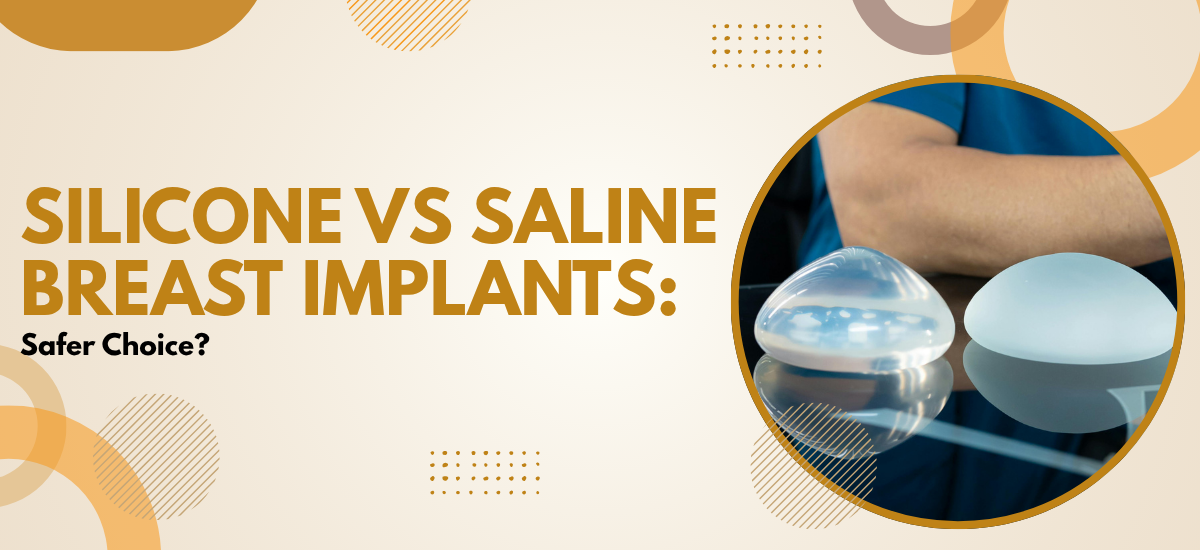
Silicone vs Saline Breast Implants: Safer Choice?

Posted on May 23, 2026May 21, 2026

Silicone implants are filled with cohesive medical-grade gel that mimics the natural feel and movement of breast tissue while staying safely contained inside its shell even if the outer covering ruptures, while saline implants are filled with sterile salt water that the body absorbs harmlessly within days when ruptured making leaks immediately visible to the patient. Both implant types meet current FDA safety standards. Both have decades of clinical research behind them. The right choice between them depends on patient anatomy, aesthetic preferences, and whether visible rupture detection matters more than natural feel for that specific patient.

According to Dr. Monisha Kapoor, an experienced plastic surgeon in Delhi, “Silicone versus saline isn’t really about which is safer, both are FDA-approved and both have strong safety records, the choice comes down to natural feel preference, body type, and whether the patient prefers visible rupture detection or the more natural feel that silicone gel delivers.”

Considering breast augmentation and unsure which implant type actually suits you better? Book Appointment

How Does Each Implant Type Actually Work?

Silicone and saline behave very differently inside the body. Silicone uses cohesive gel that holds its shape. Saline uses salt water that the body absorbs without harm if the shell breaks. Each has its own strengths. The fit comes down to anatomy and what each patient actually wants from the implant rather than which option sounds more advanced.

  • Silicone Gel Implants: Cohesive medical-grade gel fills the shell. The gel holds its shape when squeezed. Even when the shell ruptures the gel stays put inside its capsule. Modern fifth-generation cohesive gel doesn’t leak the way older versions did, FDA recommends MRI screening at 5 to 6 years post-surgery to catch any silent rupture that wouldn’t show externally
  • Saline Implants: Sterile salt water fills the implant. If the shell ruptures the body absorbs the saline harmlessly. The implant visibly deflates within days which makes detection straightforward without imaging. Surgeons can fine-tune fill volume during surgery to address minor anatomical asymmetry, the implants typically feel a bit firmer than silicone gel especially in thinner patients without much natural tissue covering them
  • Feel and Movement: Silicone moves and feels closer to actual breast tissue. The gel responds to gravity and movement the way real anatomy does. Saline implants can feel firmer especially in thinner patients. They sometimes show visible rippling at the edges, which is why placement technique and patient body type matter a lot more with saline than silicone
  • Incision Considerations: Saline implants get inserted empty through smaller incisions then filled inside the body. Silicone implants come pre-filled requiring slightly larger incisions to insert. The size difference stays minimal in most cases but saline gives slightly more flexibility for patients prioritising the smallest possible scar size at the incision location

Both implant types deliver excellent outcomes when matched correctly to patient anatomy and goals, and patients exploring breast augmentation options find that surgeon expertise in placement matters far more than which implant type gets chosen as long as the choice fits the patient’s body type properly.

Silicone vs Saline Breast Implants: Which One Suits You?

The right call depends on body type, breast tissue thickness, age, and personal priorities around feel versus rupture detection. Patients exploring breast surgery options should also factor in lifestyle considerations because each implant type behaves slightly differently across daily activities and over the long term as the body changes with age, pregnancy, or weight fluctuations.

Feature

Silicone Implants

Saline Implants

Fill Material

Cohesive medical-grade silicone gel

Sterile salt water solution

Feel

Closely mimics natural breast tissue

Slightly firmer, less natural feel

Rupture Detection

Silent, requires MRI imaging at 5 to 6 years

Immediate visible deflation within days

Best Suited For

Thinner patients, those preferring natural feel

Larger frame patients, those wanting visible detection

Rippling Risk

Lower with adequate tissue coverage

Higher especially with thin skin coverage

Age Approval (FDA)

22 years and older

18 years and older

Incision Size

Slightly larger to insert pre-filled

Smaller, filled after insertion

Post-Rupture Health Impact

Cohesive gel stays contained safely

Body absorbs saline harmlessly

The right choice depends on what each patient’s anatomy and lifestyle actually need rather than which option sounds more advanced or safer overall, and a deeper read on breast implant risks helps women understand both implant types within the broader context of long-term safety considerations and complication patterns over the years post-surgery.

Why Choose Dr. Monisha Kapoor For Breast Implants Surgery ?

Dr. Monisha Kapoor is the first Indian woman aesthetic plastic surgeon admitted to the American Society of Aesthetic Plastic Surgery and a member of ISAPS, with over 15 years of dedicated cosmetic surgery practice behind her. She handles breast augmentation with proper assessment of body type, tissue thickness, and aesthetic goals before recommending an implant type, performs careful placement technique with both silicone and saline options, and most patients leave consultation with the choice that genuinely fits them rather than the one that sounds fancier in marketing.

📞 Call Now: +91 83739 84777


FAQs

Are silicone implants safer than saline?

Both meet FDA safety standards, neither is universally safer than the other.

Why do some women prefer saline implants?

Saline offers immediate visible rupture detection without requiring expensive MRI screening procedures.

Do silicone implants feel more natural?

Yes, cohesive gel silicone closely mimics natural breast tissue feel and movement.

Can I have silicone implants under 22 years?

No, FDA approves silicone implants only for patients 22 years and older.


References

  1. American Society of Plastic Surgeons — Silicone vs Saline Implants
  2. National Library of Medicine — Breast Implant Type Comparison Outcomes

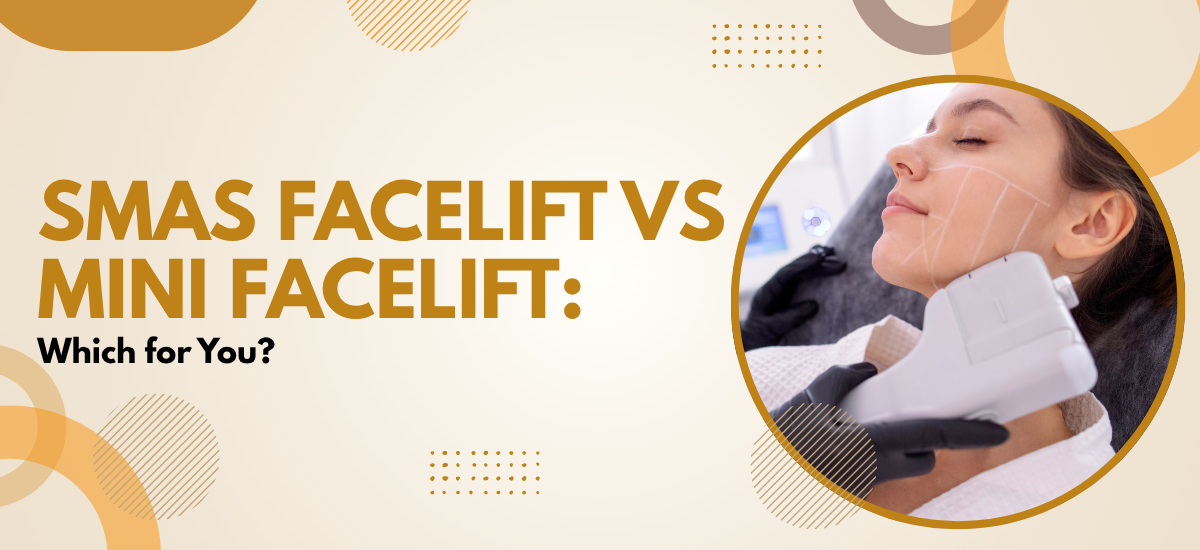
SMAS Facelift vs Mini Facelift: Which for You?

Posted on May 22, 2026May 21, 2026

SMAS facelift is a comprehensive surgical procedure that lifts and repositions the deeper muscle layer along with the skin to handle moderate to severe facial sagging through hidden incisions running from the temples to behind the ears, while mini facelift addresses milder early sagging through shorter incisions and works only on superficial tissue without touching the deeper SMAS layer. The right pick depends on how much actual sagging exists. Mild early sagging works with mini facelift. Moderate to severe sagging needs SMAS technique. Recovery time, scar length, and result longevity all differ significantly between the two approaches.

According to Dr. Monisha Kapoor, an experienced plastic surgeon in Delhi, “SMAS versus mini facelift comes down to actual ageing severity, mini facelift works beautifully for patients in their 40s with early sagging but won’t fix significant jowls or neck sagging that needs SMAS-level intervention, picking mini facelift for advanced ageing wastes both time and money on something that won’t deliver the result patients actually want.”

Considering a facelift and unsure which technique your face actually needs? Book Appointment

How Does Each Facelift Technique Actually Work?

The two techniques approach facial rejuvenation at completely different depths. SMAS works on the deep muscle layer underneath the skin. Mini facelift stays superficial and only addresses the skin and immediately underlying tissue. Each delivers distinct results suited to different stages of facial ageing. Understanding the actual surgical mechanics helps patients see why their surgeon recommends one over the other for their specific anatomy.

  • SMAS Facelift Process: Incisions run along the temples, in front of and behind the ears, and sometimes into the hairline behind, the surgeon lifts the skin off the underlying tissue to access the SMAS layer below. The deeper SMAS muscle layer gets repositioned upward and tightened, excess skin gets trimmed, results last 10 to 15 years and address full facial and neck rejuvenation comprehensively
  • Mini Facelift Process: Shorter incisions stay limited to the area in front of the ears extending slightly into the hairline, no incisions go behind the ears at all because the surgical access stays restricted to the upper face only. Only superficial tissue gets lifted and tightened, the deeper SMAS layer stays untouched, results last 5 to 8 years and work for early sagging only
  • Recovery Difference: SMAS facelift recovery takes 2 to 3 weeks for social activities and 6 weeks for full healing because the deeper surgical work requires more healing time, mini facelift recovery moves much faster with social activities resuming in 7 to 10 days and full healing within 3 to 4 weeks. The deeper the work, the longer the body needs to settle properly
  • Scar Considerations: Both techniques use hidden incisions in natural creases and behind the hairline, SMAS scars run longer because the incisions extend behind the ears for full access, mini facelift scars stay shorter and limited to the area in front of the ears only. Final scar visibility for both stays minimal once mature 12 to 18 months later

Both techniques deliver permanent improvement when matched correctly to the patient’s actual ageing severity, and patients exploring face and neck lift options find that picking the wrong technique produces disappointing results regardless of how skilled the surgeon is during the procedure itself.

SMAS Facelift vs Mini Facelift: Which One Suits You?

The right call depends on actual ageing severity, age range, recovery time available, and how long the patient wants results to last. Patients also exploring forehead work alongside facelift surgery often combine techniques to address ageing comprehensively across the upper and mid-face areas because doing them together produces better balanced results than treating each area separately at different times.

Feature

SMAS Facelift

Mini Facelift

Tissue Depth Treated

Deep SMAS muscle layer plus skin

Superficial skin and subcutaneous tissue only

Best Suited For

Moderate to severe sagging, jowls, neck laxity

Mild early sagging, age 40 to 50 typically

Incision Length

Temples to behind ears, longer

In front of ears only, shorter

Result Permanence

10 to 15 years

5 to 8 years

Procedure Duration

4 to 6 hours

2 to 3 hours

Recovery Time

2 to 3 weeks social, 6 weeks full

7 to 10 days social, 3 weeks full

Anaesthesia

General anaesthesia required

Local anaesthesia with sedation often sufficient

Cost Comparison

Higher due to comprehensive surgery

Lower, more accessible price point

The right choice depends on what each patient’s face actually needs rather than what sounds easier or faster, and a deeper read on surgical vs non-surgical facelift helps patients understand the broader spectrum of facial rejuvenation options before deciding between SMAS and mini techniques specifically for their situation.

Why Choose Dr. Monisha Kapoor For Facelift Surgery?

Dr. Monisha Kapoor is the first Indian woman aesthetic plastic surgeon admitted to the American Society of Aesthetic Plastic Surgery and a member of ISAPS, with over 15 years of dedicated cosmetic surgery practice behind her. She handles both SMAS and mini facelifts with attention to actual ageing severity rather than personal preference for either technique, performs proper anatomical assessment during consultation, and walks every patient through which approach genuinely suits their specific concerns rather than recommending the procedure that’s faster or more profitable.

📞 Call Now: +91 83739 84777


FAQs

Is mini facelift just a smaller SMAS facelift?

No, mini facelift only addresses superficial tissue while SMAS lifts deeper muscle layer.

Which lasts longer, SMAS or mini facelift?

SMAS lasts 10 to 15 years, mini facelift typically lasts 5 to 8 years.

Can I have a mini facelift in my 60s?

Mini facelift suits early sagging only, advanced ageing usually needs SMAS technique.

Does mini facelift handle neck sagging?

No, neck sagging requires full SMAS facelift for proper deep-tissue correction.


References

  1. American Society of Plastic Surgeons — Facelift Techniques
  2. National Library of Medicine — SMAS vs Limited Facelift Outcomes

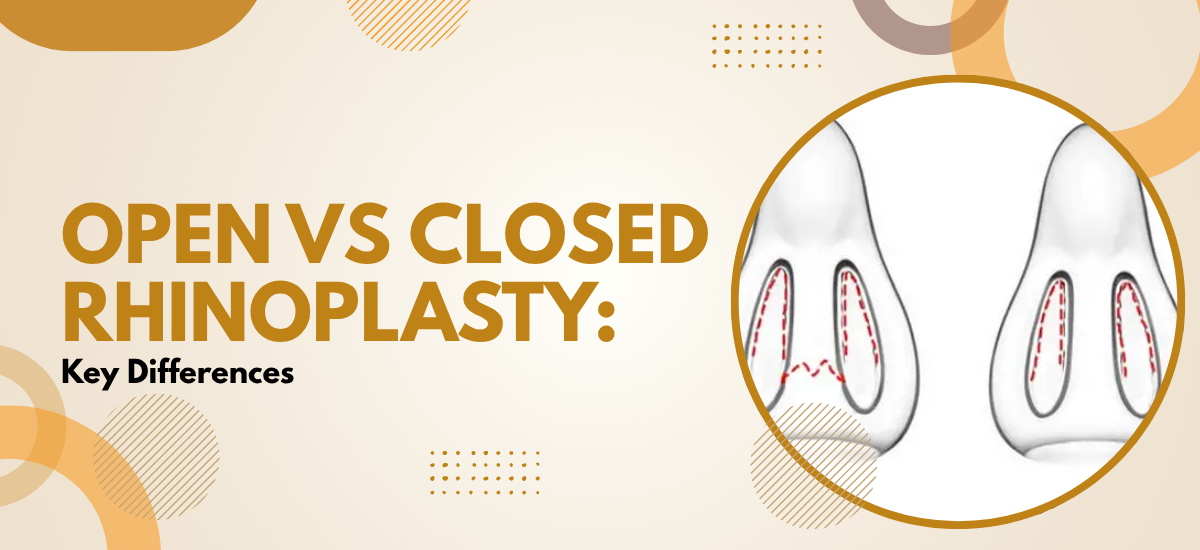
Open vs Closed Rhinoplasty: Key Differences

Posted on May 21, 2026May 21, 2026

Open rhinoplasty uses a small external incision across the columella (the strip of skin between the nostrils) to lift the skin off the nasal framework, giving surgeons direct visual access to cartilage and bone for complex reshaping work, while closed rhinoplasty keeps all incisions hidden entirely inside the nose with no external scarring at all. The choice between techniques comes down to how much surgical access the case actually requires. Simple corrections work with closed technique. Complex reconstruction needs open technique. Surgeons fluent in both can match technique to anatomy rather than forcing every patient through whichever approach they’re comfortable with personally.

According to Dr. Monisha Kapoor, an experienced plastic surgeon in Delhi, “Open versus closed rhinoplasty isn’t a question of which is better, it’s a question of which approach the specific case actually needs, complex tip work or revision surgery often needs open access while simpler corrections can be done beautifully through closed technique with no external scar at all.”

Considering rhinoplasty and unsure whether your case needs open or closed technique? Book Appointment

How Does Each Rhinoplasty Technique Actually Work?

The two techniques approach the same nasal framework through completely different access routes. Open technique gives full visual access. Closed technique works through limited internal openings. Each has specific cases where it works best. Understanding the actual mechanics behind each helps patients see why their surgeon recommends one over the other for their specific anatomy and goals.

  • Open Rhinoplasty Process: A small incision goes across the columella connecting the two nostril edges, the skin gets lifted up off the nasal cartilage and bone underneath, this gives the surgeon complete visual access to the entire nasal framework. Complex cartilage grafting becomes much easier with this access, the external incision heals into a thin barely visible line over time
  • Closed Rhinoplasty Process: All incisions stay completely inside the nostrils with no external cuts at all, the surgeon works through these internal openings to access the underlying cartilage and bone structure. Visual access stays more limited compared to open technique, this works perfectly for straightforward cases but becomes restrictive for complex tip work or revision rhinoplasty
  • Recovery Difference: Closed rhinoplasty typically has slightly less swelling around the nasal tip during early recovery because the columellar tissue stays undisturbed throughout surgery, the external healing phase is also faster since there’s no visible scar to manage. Open rhinoplasty involves slightly more tip swelling in the first few weeks but final results stay equivalent
  • Scar Considerations: Closed rhinoplasty leaves zero external scarring at all, open rhinoplasty leaves a thin scar across the columella that fades to barely visible over 12 to 18 months. Patient skin tone and individual healing affect how quickly the open scar fades, darker skin tones sometimes need more time for the scar to settle into a less visible line

Both techniques deliver permanent nasal reshaping when performed properly, and patients exploring nose surgery options find that surgeon expertise and technique selection matter far more than which approach gets used as long as the surgeon is fluent in both techniques.

Open vs Closed Rhinoplasty: Which One Suits You?

Picking right comes down to how complex the case actually is, what kind of tip work the patient needs, whether revision surgery applies, and how comfortable the surgeon is with each technique. Patients exploring face and neck lift work alongside rhinoplasty also benefit from understanding which technique pairs better with combined facial procedures because access to the nasal tip affects how much detail work the surgeon can do during the same operation.

Feature

Open Rhinoplasty

Closed Rhinoplasty

Incision Location

Across columella plus inside nostrils

Entirely inside nostrils only

Visual Access

Full direct access to nasal framework

Limited indirect access

Best Suited For

Complex tip work, revision surgery, cartilage grafting

Simple corrections, bridge work, straightforward cases

External Scar

Thin scar across columella, barely visible

No external scar at all

Tip Swelling Duration

Slightly longer in early recovery

Slightly less in early weeks

Surgical Time

3 to 4 hours typically

2 to 3 hours typically

Revision Capability

Strong access for revision corrections

Limited for complex revisions

Final Result Quality

Excellent for complex cases

Excellent for straightforward cases

The right call depends on case complexity rather than personal preference for either approach, and a deeper read on rhinoplasty surgeon selection helps patients understand exactly what to ask surgeons about technique fluency before booking, because the surgeon’s range across both techniques shapes the actual outcome more than which approach gets chosen.

Why Choose Dr. Monisha Kapoor For Rhinoplasty Surgery?

Dr. Monisha Kapoor is the first Indian woman aesthetic plastic surgeon admitted to the American Society of Aesthetic Plastic Surgery and a member of ISAPS, with over 15 years of dedicated cosmetic surgery practice behind her. She handles rhinoplasty with fluency in both open and closed techniques, matches the technique to actual case complexity rather than personal preference, performs cartilage grafting where structure needs adding, and walks every patient through which approach genuinely suits their specific anatomy and goals during consultation.

📞 Call Now: +91 83739 84777


FAQs

Which rhinoplasty technique leaves visible scarring?

Open rhinoplasty leaves a thin barely visible columellar scar, closed leaves none.

Is open rhinoplasty better than closed?

Neither is universally better, technique choice depends entirely on case complexity needs.

Can closed rhinoplasty handle revision surgery?

Limited access makes closed rhinoplasty difficult for complex revision rhinoplasty cases.

Does open rhinoplasty have longer recovery?

Slightly more tip swelling early on, overall recovery stays similar between techniques.


References

  1. American Society of Plastic Surgeons — Rhinoplasty Techniques
  2. National Library of Medicine — Open vs Closed Rhinoplasty Outcomes

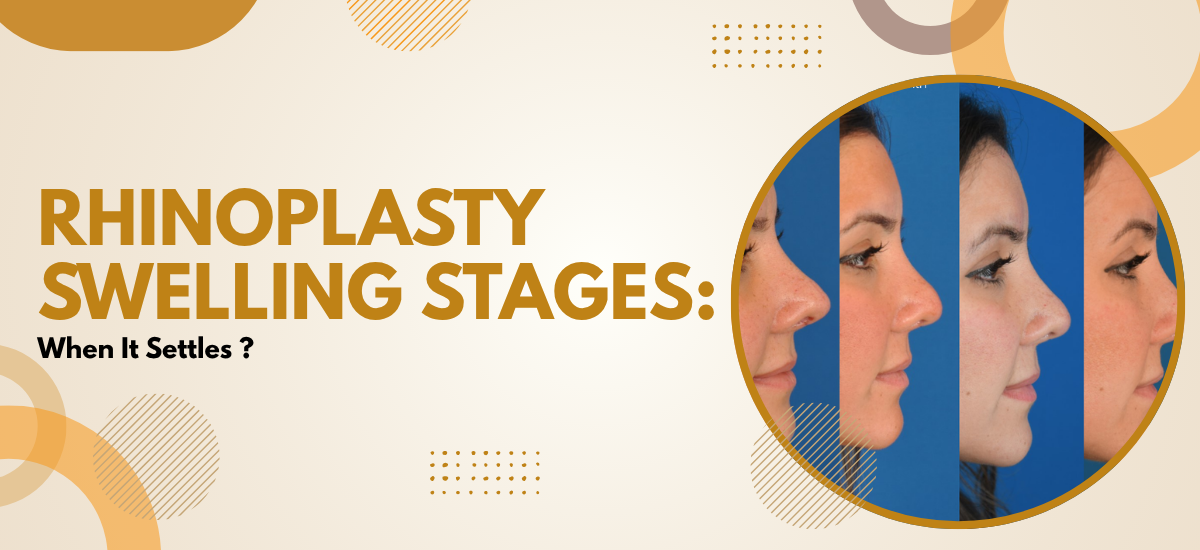
Rhinoplasty Swelling Stages: When It Settles?

Posted on May 20, 2026May 21, 2026

Rhinoplasty swelling progresses through predictable stages across many months, with peak visible swelling happening around days 3 to 5 then dropping rapidly through week 2, while deeper residual swelling continues fading slowly across the next 12 to 18 months until final nasal shape fully reveals itself in its permanent form. Most patients underestimate how long this process actually takes. The visible part of swelling looks dramatic early. The settling phase that nobody talks about extends across more than a year. Patients who don’t understand this timeline often panic at month 3 thinking the result is final when it actually has another 9 to 15 months of refinement ahead.

According to Dr. Monisha Kapoor, an experienced plastic surgeon in Delhi, “Rhinoplasty swelling is the part patients ask about most after surgery, the visible swelling drops fast through the first month but the deeper tissue swelling that affects fine details around the tip and bridge takes a full year to fully resolve, what looks like the final nose at month 3 isn’t actually the final nose at all.”

Considering rhinoplasty and want to understand exactly how swelling resolves over time? Book Appointment

What Happens During the Early Swelling Stages?

The early stages handle the most dramatic visible changes. Swelling peaks around days 3 to 5 when the nose looks the most operated on. Cast removal happens around day 7 which often makes the nose look initially smaller before residual swelling returns. Bruising shifts colours across week 2. Most patients move from significant visible swelling to looking essentially normal by the end of week 4.

  • Day 1 to 5: Swelling reaches its peak around days 3 to 5 when the nose, eyes, and surrounding cheek areas look the most operated on, cold compresses applied around the eyes (not directly on the nose) help reduce facial swelling significantly. The cast or splint stays on protecting the nose, sleeping happens elevated to keep swelling from settling overnight in the nasal area
  • Day 6 to 14: Cast or splint comes off around day 7, which often makes the nose look smaller initially before residual swelling returns over the next few days creating a slightly fuller look temporarily. Bruising around the eyes shifts from purple to yellow tones, swelling drops noticeably across the bridge though the tip stays swollen, makeup can start covering remaining discolouration
  • Week 3 to 4: Major facial swelling resolves and most patients return to social activities looking essentially normal, residual swelling stays mostly around the nasal tip and supratip area which makes the nose still look slightly larger than its final form. The bridge of the nose looks close to expected shape, fine details remain hidden under deeper tissue swelling
  • Month 2: Surface swelling almost fully resolves, the nose looks notably refined though tip swelling continues hiding final detail definition. Patients combining rhinoplasty with face and neck lift work see overall facial rejuvenation settling together which makes the proportions look harmonious during this transition phase

The early stages cover the most dramatic visible changes, and most patients exploring rhinoplasty options find this stretch faster than expected because most attention focuses on this period before the deeper settling begins which extends across many more months than patients typically prepare for in advance.

What Happens During the Long Settling Phase?

The long settling phase handles refinement that most patients never see happening. Residual swelling continues fading from month 3 onwards. The nasal tip is the slowest area to settle. Skin thickness affects how quickly final detail emerges. Patients seeing photographs at month 6 versus month 12 versus month 18 often can’t believe the same nose continued refining across that entire period.

  • Month 3 to 6: The nose looks close to its final shape but tip definition continues sharpening as deeper swelling resolves slowly, patients with thinner skin see refinement happening faster than patients with thicker skin. The bridge looks essentially settled by month 4, the tip continues changing visibly across the next several months as residual fluid clears from deeper tissues
  • Month 7 to 12: Fine details emerge as residual swelling completes most of its resolution, patients with thicker Indian skin see significant refinement during this stretch that doesn’t happen with thinner-skinned patients earlier on. The supratip area (the small zone above the tip) is often the last to settle, taking the full 12 months to reveal its final contour clearly
  • Month 13 to 18: Final settling completes for almost all patients, the nasal shape patients see at month 18 represents the permanent surgical result. Tip definition reaches its sharpest point, the supratip area finishes its settling, photographs taken now resemble exactly what the patient will see for the rest of their life
  • What Affects Settling Speed: Skin thickness, surgical technique used (open vs closed), how aggressive the cartilage work was, individual healing response, and post-op care compliance all affect how quickly each stage actually unfolds, no two patients heal on identical timelines and rushing the assessment of final results before month 12 is the most common patient mistake

The long settling phase extends well beyond what most patients prepare for in advance, and a deeper read on rhinoplasty recovery week by week helps patients see the bigger picture of how rhinoplasty actually heals across the full 18-month settling timeline rather than relying on the abbreviated version often presented before surgery.

Why Choose Dr. Monisha Kapoor For Rhinoplasty Treatment?

Dr. Monisha Kapoor is the first Indian woman aesthetic plastic surgeon admitted to the American Society of Aesthetic Plastic Surgery and a member of ISAPS, with over 15 years of dedicated cosmetic surgery practice behind her. She handles every rhinoplasty case with detailed pre-op education about realistic settling timelines, proper post-op guidance, and continued monitoring across the full 18 months, walking patients through each stage so they understand what’s normal at each point and what isn’t.

📞 Call Now: +91 83739 84777


FAQs

When does rhinoplasty swelling completely go away?

Most swelling resolves within 3 months, final settling takes 12 to 18 months.

Why does my nose look bigger after the cast?

Initial cast removal shows reduced size, swelling returns temporarily over the next few days.

Why is the tip the last area to settle?

The nasal tip has thicker skin and complex tissue layers that retain swelling longest.

Can I see final rhinoplasty results at 6 months?

No, final results take 12 to 18 months especially for tip definition refinement.


References

  1. American Society of Plastic Surgeons — Rhinoplasty Recovery Timeline
  2. National Library of Medicine — Post-Rhinoplasty Swelling Resolution Stages

Posts pagination

Previous page Page 1 … Page 5 Page 6 Page 7 … Page 15 Next page

Author: Monisha Kapoor

Recent Posts

  • Pelleve vs HIFU vs Thermage: Which Skin Tightening Is Best?
  • How to Remove a Birthmark Safely: What Are Your Options?
  • Best Treatment for Uneven Skin Tone and Texture
  • How to Tighten Loose Skin on the Face Without a Facelift?
  • What Makes a Plastic Surgery Facility Safe? Accreditation Explained

Archives

  • July 2026
  • June 2026
  • May 2026
  • December 2023
  • July 2023
  • April 2023
  • July 2020
  • June 2020
  • November 2019
  • August 2019
  • August 2018
  • April 2018
  • March 2018
  • January 2018
  • December 2017
  • October 2017
  • September 2017
  • July 2017
  • June 2017
  • April 2017
  • December 2016
  • November 2016
  • October 2016
  • September 2016
  • August 2016
  • July 2016
Footer – Dr. Monisha Kapoor
Plastic Surgeon · Delhi NCR
Dr. Monisha Kapoor

Dr. Monisha Kapoor

M.Ch. Plastic Surgery  ·  25+ Years of Practice  ·  10K+ Procedures

About

A practice built on precision. Board-certified plastic surgeon affiliated with the International Society of Aesthetic Plastic Surgery and the American Society of Aesthetic Plastic Surgery. Every consultation begins with listening — and every outcome is designed around your anatomy, your goals, and your vision of yourself.

Navigation

  • Dr's Desk
  • Facilities & Infrastructure
  • Blog
  • News & Updates
  • Career
  • Contact
  • Privacy Policy

Contact

18, Block J, Saket
New Delhi – 110017
011-40666307 / 08
+91 83739 84777
+91 8860851727
plasticsurgeonmonisha@gmail.com
Follow Connect

Disclaimer: The information on this website is provided for informational purposes only and is not meant to substitute the advice of your doctor or other healthcare professional. You should not use this information for diagnosing or treating a health problem or disease, or prescribing any medication. All images used are for illustrative purposes only; actual results and process may vary.

© 2026 plasticsurgeonmonisha.com All Rights Reserved

    Doctor

    Dr. Monisha Kapoor

    Delhi's Top Plastic Surgeon


    25+ Years Experience

    10,000+ Happy Customers
    Hair, Skin, Body, Face

    Book An Appointment