 Book An Appointment

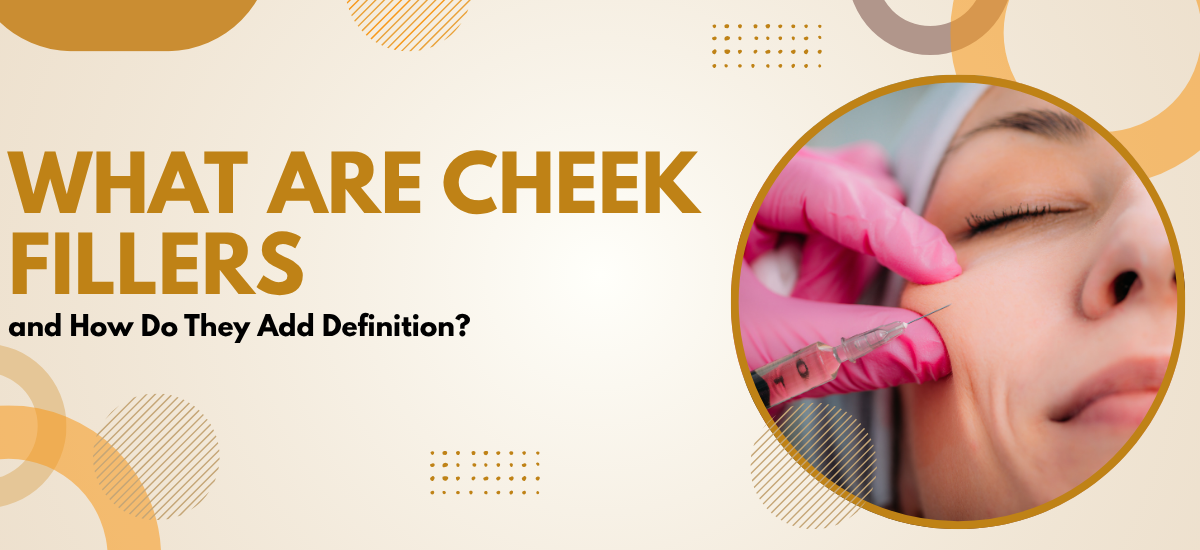
Cheek fillers are injectable treatments using hyaluronic acid to restore volume to flat or hollow cheeks, lift the midface, and create sharper cheekbone definition without surgery. The product goes into specific anatomical zones over the cheekbone or along the midface, building structure where volume has been lost to age or was never present genetically. Results show immediately, last 12 to 18 months, and can be dissolved if needed.
According to Dr. Monisha Kapoor, a trusted cosmetic surgeon in Delhi, “Cheek fillers work because the cheekbone area is where the face gets its structural lift from. When that volume drops, everything below it follows. Restoring it with filler in the right plane gives the whole midface a cleaner, more defined look without touching anything surgically.”
Want to know if cheek fillers are the right option for your concern? Book a Consultation
How Do Cheek Fillers Actually Add Definition?
The way cheek fillers create definition comes down to precise placement, not just the volume added.
Restoring Midface Volume Age pulls soft tissue downward and breaks down the fat pads that sit over the cheekbones. Filler placed in this zone re-inflates the area, lifts the skin above it, and softens the hollowing under the eye that appears as a tired look. Patients in their late 30s onward often see this change as the most significant part of the result.
Building Cheekbone Projection For patients whose concern is lack of natural definition rather than age-related loss, filler placed directly over the cheekbone adds lateral projection. The face reads as more structured from the front and sharper from the side view. This works particularly well for patients with a naturally flat midface where no volume loss has occurred but structure was never prominent.
Lifting the Lower Face Indirectly When volume is added high on the cheek, the weight of tissue that was pulling downward gets supported from above. This creates a subtle lift effect across the nasolabial folds and jowl area without any filler being placed in those zones directly. It’s one of the reasons cheek filler often makes the whole face look fresher rather than just changing one specific area.
Correcting Asymmetry Cheeks are rarely perfectly symmetrical, and filler allows precise dosing on each side independently to bring balance. A few tenths of a millilitre difference between sides is enough to correct noticeable asymmetry in most patients without overcorrecting the fuller side.
The full detail on cheek augmentation options including both filler and surgical implant approaches is on the cheeks treatment page.
What Should Patients Know Before Getting Cheek Fillers?
A few practical points make the difference between a result that looks natural and one that looks done.
Placement Depth Matters More Than Volume Filler placed in the wrong tissue plane gives a puffy or swollen look rather than structure. The correct placement sits in the deep fat compartment directly over the bone, not in the superficial layers where it spreads laterally and creates width rather than lift.
Less Is More on the First Visit Starting conservatively and reviewing after swelling settles is better than adding too much in one session. Filler distributes and integrates over two to four weeks, so the result at four weeks looks different from the day of treatment. Most patients come back for a small top-up if needed rather than overcorrecting upfront.
Bruising and Swelling Are Normal Some degree of swelling and occasional bruising around the injection points settles within five to seven days. Patients should plan their appointment timing accordingly and avoid blood-thinning supplements in the week before.
When Fillers Are Not Enough Patients with very significant volume loss, severely descended midface tissue, or structural concerns that go beyond soft tissue are better served by surgical cheek implants or a facelift rather than repeated filler cycles. A proper consultation identifies which approach actually suits the concern rather than defaulting to the injectable option every time.
Patients comparing non-surgical cheek enhancement against surgical options can read through the face contouring blog, which covers both approaches and when each is appropriate.
Why Choose Dr. Monisha Kapoor for Cheek Fillers Surgery?
Dr. Monisha Kapoor is India’s first woman aesthetic plastic surgeon admitted to the American Society of Aesthetic Plastic Surgery and holds active membership with ISAPS, with 25+ years of practice and over 10,000 procedures. Injectable treatments at her Saket clinic are carried out with a full anatomical assessment of facial proportions beforehand, so placement decisions are based on what each patient’s face actually needs rather than a standard volume protocol applied to everyone.
📞 Call Now: +91 83739 84777
FAQs
How long do cheek fillers last?
Most hyaluronic acid cheek fillers last 12 to 18 months depending on the product used and how the individual metabolises it.
Are cheek fillers painful?
Mild discomfort at the injection points is normal. Most practitioners apply topical numbing cream beforehand and many filler products contain lidocaine which reduces sensation during treatment.
Can cheek fillers be reversed?
Yes, hyaluronic acid fillers can be dissolved with hyaluronidase if the result is unsatisfactory or if a complication occurs.
Who is not suitable for cheek fillers?
Patients who are pregnant, breastfeeding, have active skin infections in the treatment area, or have autoimmune conditions affecting the skin should not have fillers.
References
- National Library of Medicine — Hyaluronic Acid Fillers for Midface Augmentation: https://pubmed.ncbi.nlm.nih.gov/25068637/
- National Library of Medicine — Injectable Filler Placement Techniques and Outcomes: https://pubmed.ncbi.nlm.nih.gov/30188255/
