 Book An Appointment

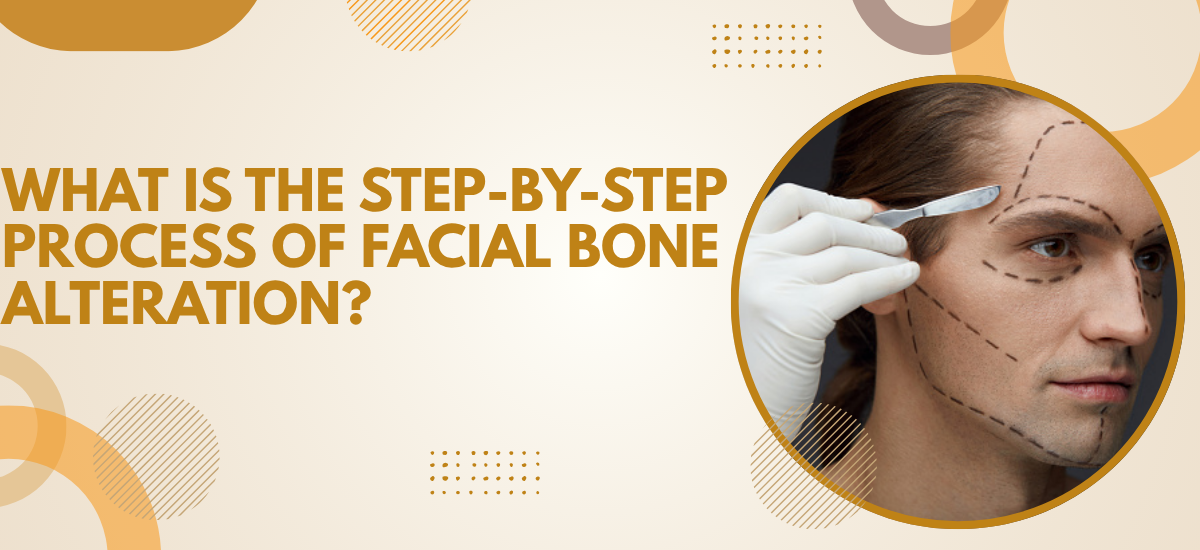
Facial bone alteration reshapes the jaw, cheekbones, chin, or forehead surgically to shift facial proportions. Knowing what the process actually involves, from the first consultation through to full recovery, helps patients make properly informed decisions rather than walking into surgery with gaps in their understanding.
According to Dr. Monisha Kapoor, a trusted plastic surgeon in Delhi, “Patients who understand the process before surgery recover better and have fewer surprises along the way. The steps are predictable and the timeline is manageable – knowing what’s coming at each stage makes a real difference.”
Want to understand whether facial bone alteration suits your concern? Book a Consultation
What Happens Before the Surgery?
The pre-surgical phase is where the outcome is largely decided, and rushing through it is where most problems trace back to.
Initial Consultation and Assessment The surgeon looks at facial proportions from multiple angles, photographs the face, and talks through what specifically bothers the patient. The concern needs to sit clearly at the bone level rather than something soft tissue work could fix — that distinction shapes everything that follows.
Imaging and Surgical Planning CT or 3D imaging maps the bone structure precisely before any plan is finalised. Where incisions go, how much bone gets trimmed or built up, and which surgical approach suits the anatomy — all of this gets decided before the patient enters the operating room, not during.
Medical Clearance and Pre-Op Prep Blood work, anaesthesia assessment, and medical clearance are completed. Blood-thinning medications, supplements, and smoking need to stop well ahead of the procedure date. Pre-operative photographs are taken as a baseline.
Final Review and Marking On the day of or just before surgery, the surgeon marks the face and walks through the plan one last time with the patient. Both sides need to be aligned on exactly what is being done before the procedure starts.
All procedure-specific detail per treatment zone is on the facial bone alteration service page.
What Happens During and After the Surgery?
The surgical and recovery phases follow a predictable pattern, though timelines shift depending on which area of the face is being treated.
Anaesthesia and Incision Placement Most facial bone procedures run under general anaesthesia. Incisions for jaw and cheekbone work go inside the mouth, so nothing shows externally. Forehead bone procedures use incisions within the hairline. The placement is always chosen to hide scarring within natural lines or under hair.
Bone Reshaping or Augmentation For reduction work like jaw narrowing, the surgeon carefully trims or contours the bone to the planned shape. For augmentation, implants or bone cement go in over the area being built up, fixed in place, and the tissue closes over them. Surgery runs one to three hours depending on complexity and how many zones are being addressed.
Immediate Post-Operative Period Swelling is heaviest in the first 48 to 72 hours and patients need to expect that going in. Jaw procedures require a soft diet from the start. Most patients go home the same day or after one overnight stay at the facility.
Recovery Weeks 1 to 4 Swelling reduces week by week but stays visible for a while. Jaw patients feel tightness and limited mouth movement that eases gradually. Internal sutures dissolve on their own and the first follow-up usually falls within seven to ten days.
Months 1 to 6 Deeper swelling keeps settling and the shape becomes progressively clearer. Most patients see the result properly from around three months and the final stable outcome is assessed at six months post-surgery.
Patients curious about how facial bone procedures compare alongside non-surgical structural options can read through the face contouring blog, which covers both approaches.
Why Choose Dr. Monisha Kapoor for Facial Bone Alteration?
Dr. Monisha Kapoor is India’s first woman aesthetic plastic surgeon admitted to the American Society of Aesthetic Plastic Surgery and holds active membership with ISAPS, with 25+ years of practice and over 10,000 procedures. Every facial bone alteration case at her Saket clinic goes through detailed pre-operative imaging and a fully mapped surgical plan before any date is set, which is what keeps outcomes proportionate and revision-free.
📞 Call Now: +91 83739 84777
FAQs
How long does facial bone alteration surgery take?
Most procedures take one to three hours depending on the area being treated and whether multiple zones are addressed in the same session.
Is there a lot of pain after facial bone surgery?
Discomfort is well managed with prescribed medication. Tightness and limited jaw movement bother patients more than pain in the first two weeks.
When can I eat normally after jaw reshaping?
A soft diet runs for four to six weeks. Normal eating returns gradually as swelling drops and jaw movement improves.
How soon is the final result visible?
Initial results show from around three months as deeper swelling settles. The final stable outcome gets assessed at six months post-surgery.
References
- National Library of Medicine — Mandibular Contouring Surgery: Surgical Approach and Outcomes: https://pubmed.ncbi.nlm.nih.gov/22234557/
- National Library of Medicine — Facial Skeletal Contouring: Techniques and Recovery: https://pubmed.ncbi.nlm.nih.gov/30633880/
